Top 110+ Passes - Travel Journals
Epic Cycling Climbs top 100+ passes in the Alps
In the Alps, altitude shapes everything. As the roads climb higher, the character of the landscape and the riding changes dramatically. Above 2,500 metres, you enter a rarefied world of extraordinary mountain roads, where vast horizons, stark landscapes and thin air make you feel wonderfully small. These are the climbs that capture the very essence of Alpine cycling, many following historic military roads carved into the mountains.
Between 2,000 and 2,500 metres, you will find many of the great historic Alpine passes, particularly in Switzerland, long a crossroads between northern and southern Europe. These routes form the backbone of the Alpine road network, linking countries, valleys and remote mountain communities.
Descend to lower elevations and the roads become increasingly local, winding into quieter valleys and lesser-known corners of the mountains. But lower does not mean easier: some of the toughest climbs lurk here, with brutally steep gradients such as those found on Passo di Croce Domini.
This collection brings together my favourite roads in the Alps — from legendary passes that need little introduction to quieter, less-travelled routes that deserve a place on every adventurous cyclist’s list.
Jump to:
Above 2500m
Epic Cycling Climbs in the Alps above 2,500m
There are only 11 roads with passes and climbs over 2,500m altitude. These are the true crown jewels of the Alps. Each is totally unique yet they are bound together by the drama of the altitude, the unpredictability of the weather, the panoramics and the length of the climb. Ticking all of them off your list is a true achievement.
2,830m
1
Ötztaler Gletscherstrasse - Austria
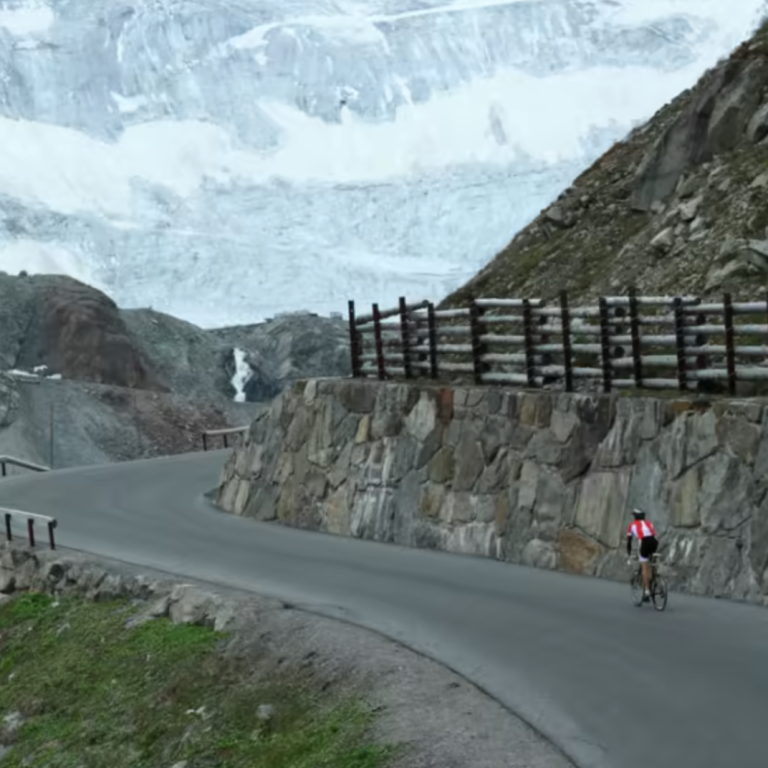
There are multiple claims to the highest paved road in the Alps but the Ötztaler Gletscherstrasse wins this competition. The French passes claiming the "highest" are in other categories though. In any case, this is a fiendishly tough road and as it is a dead end, it is dividing opinion if it counts as "highest". If you are in the area, it is worth tackling and checking out yourself.
2,803m
2
Cime de la Bonette - France
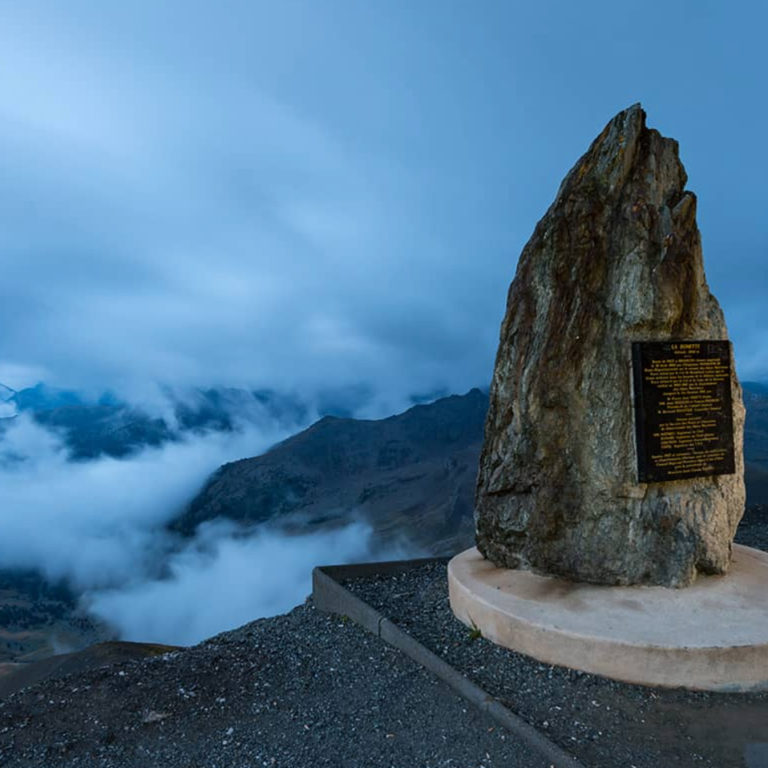
The Cime de la Bonette is a totally unique climb. It is long, high, very remote and has unpredictable weather. It is the highest "route" or through road in the Alps, but it is so much more. Together with the Colle del Nivolet, the Cime de la Bonette is in the league of most awesome roads ever.
2,770m
3
Col de l'Iseran - France
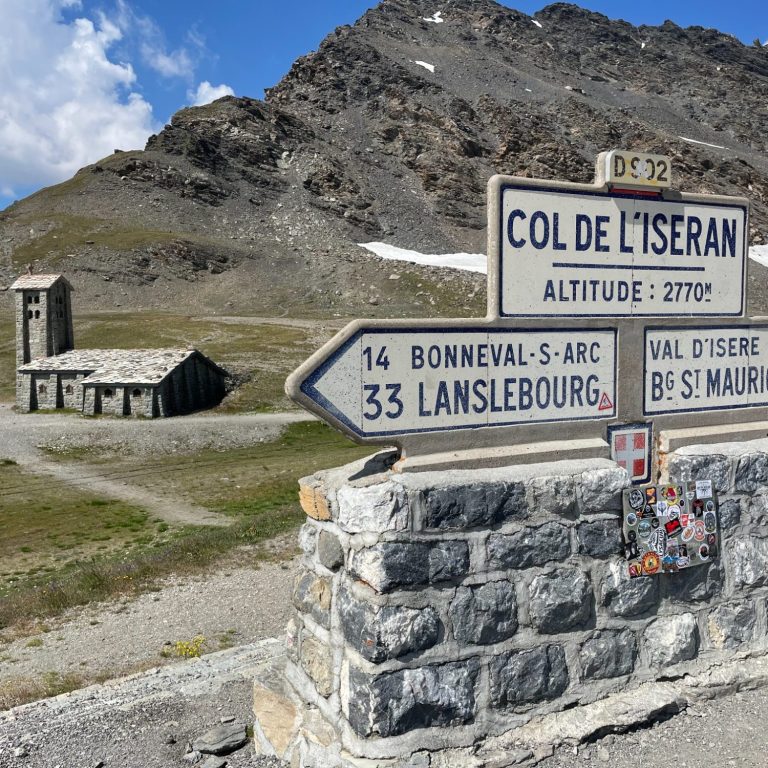
The Col de l'Iseran is the highest paved mountain pass in the Alps. It stands at 2,770m and tops the list of the very high mountain crossings. It connects the French cycling heartlands of the Tarantaise and the Maurienne valleys and sits deep into the mountains nestled close to the Italian border.
2,758m
4
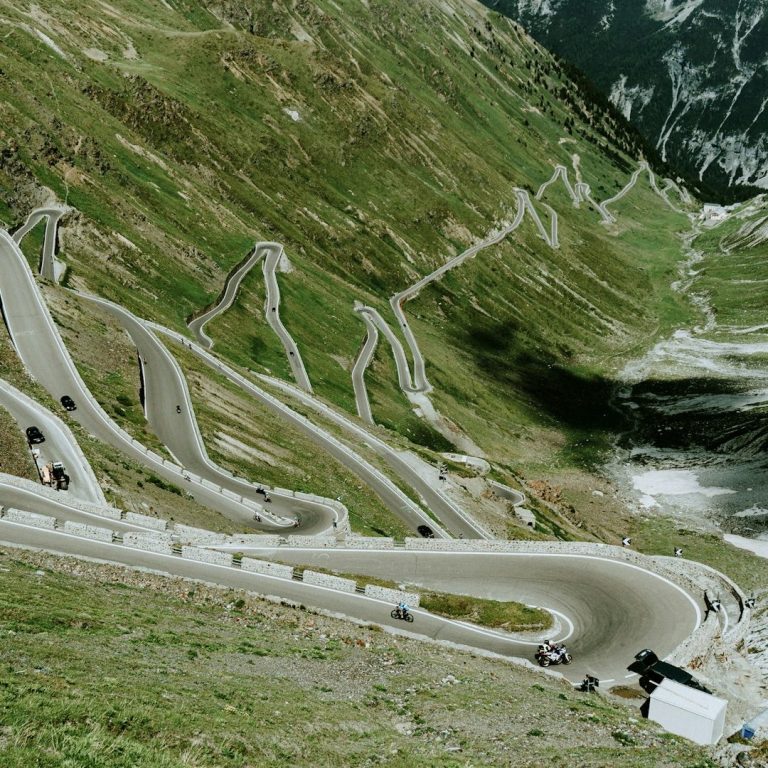
Passo dello Stelvio - Italy
Italy's most famous and iconic mountain pass. It is approximately 24km long, and climbs 1800 meter with an average gradient for 7.4% rising to 14% in places. Its 48 famous hairpin turns takes you through stunning alpine scenery along the Ortler mountain range. The ascent from Bormio is shorter and has 10 hairpins less than its famous sibling from the north but it is nevertheless packs a punch right from the gun.
2,744m
5
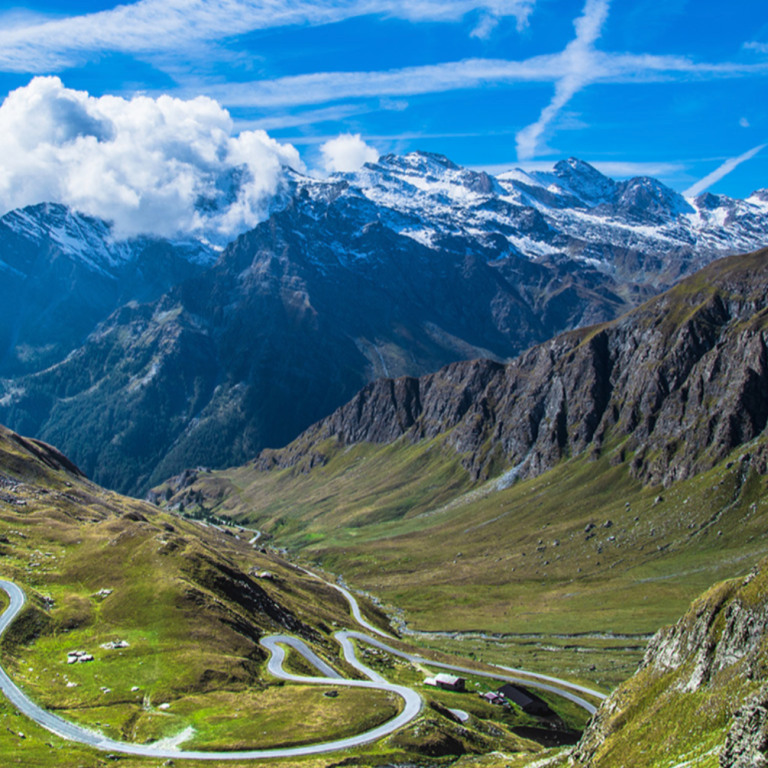
Col Angel - France/Italy
Hannibal is believed to have crossed the mountains in 218BC not far from here at the Col de la Traversette (although it could have been further north at Mont Cenis or even the Petit St Bernard). The pass maintained a remoteness as this border region between Italy and France is a region less developed. The road is totally magnificent and a must ride pass. The Italian side is significantly tougher than the French.
2,743m
6
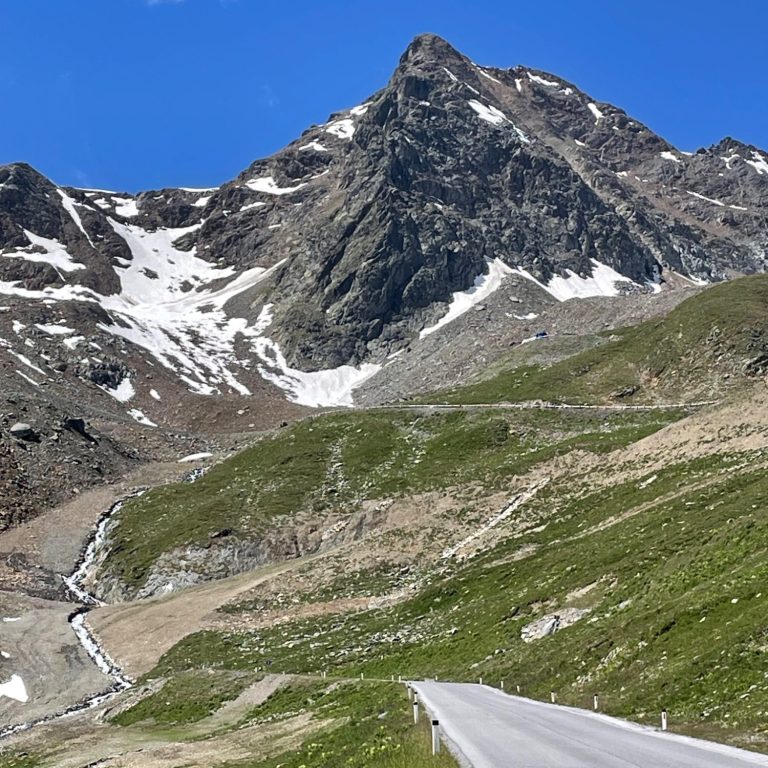
Kaunertaler Gletscherstrasse - Austria
What makes this ride so special it that it takes you on a time ride through evolution. Starting in a lush valley with meadows and cow bells ringing and ending in a moon like landscape of rock and ice at an altitude of 2,749m. Like a ride through the evolution of time.
2,642m
7
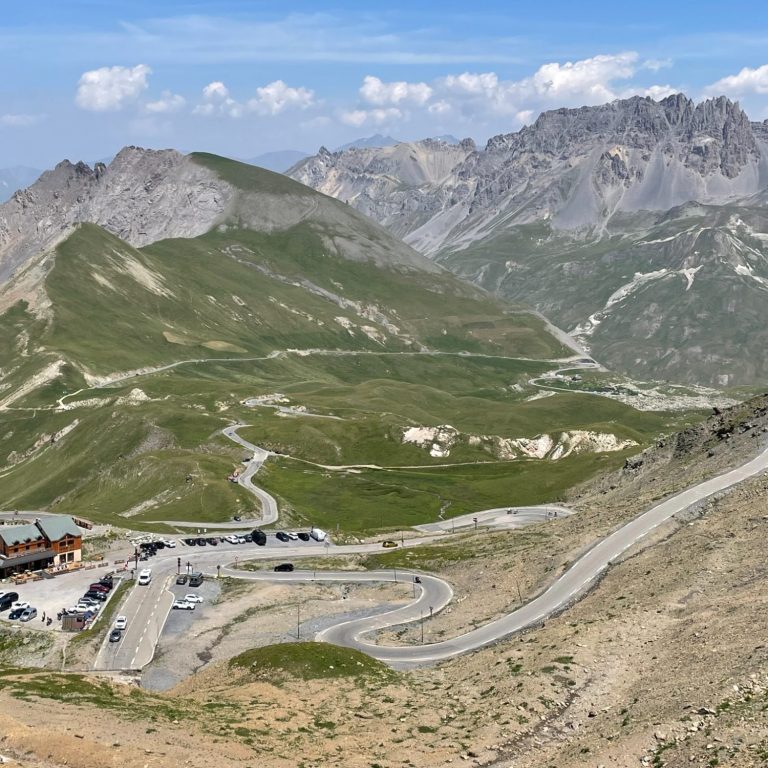
Col du Galibier - France
The Col du Galibier is probably the most famous mountain pass in road cycling. Since 1911, the pass has frequently been included in the Tour de France and countless battles have been fought on its slopes. If you climb only one pass during your cycling days, this is the one.
2,625m
8
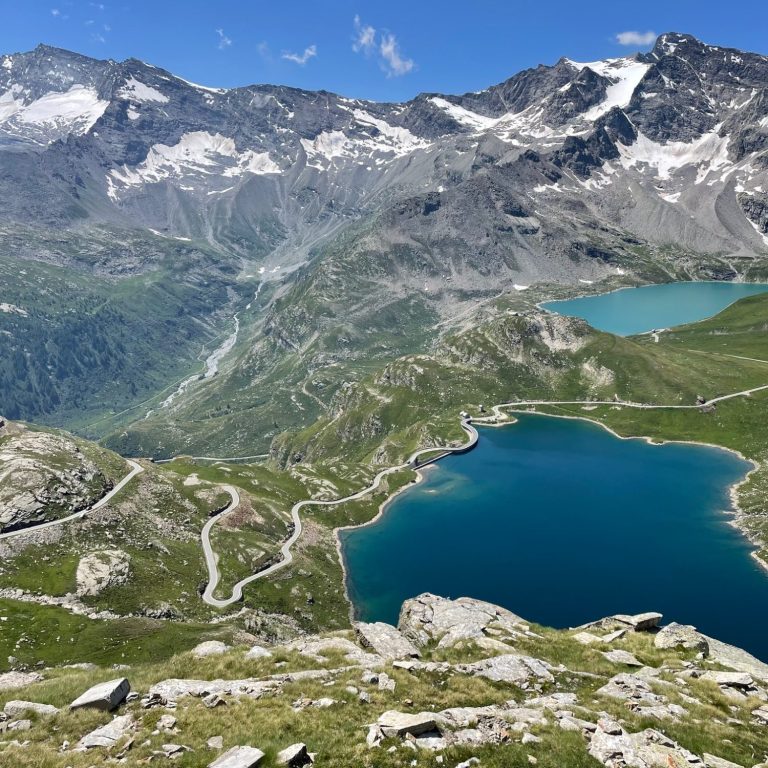
Colle del Nivolet - Italy
The road to nowhere - a ride between reality and imagination and one of the greatest Alpine roads ever, if not the greatest. The climb to the Colle del Nivolet is not so much of a cycling climb than a riding symphony.
2,621m
9
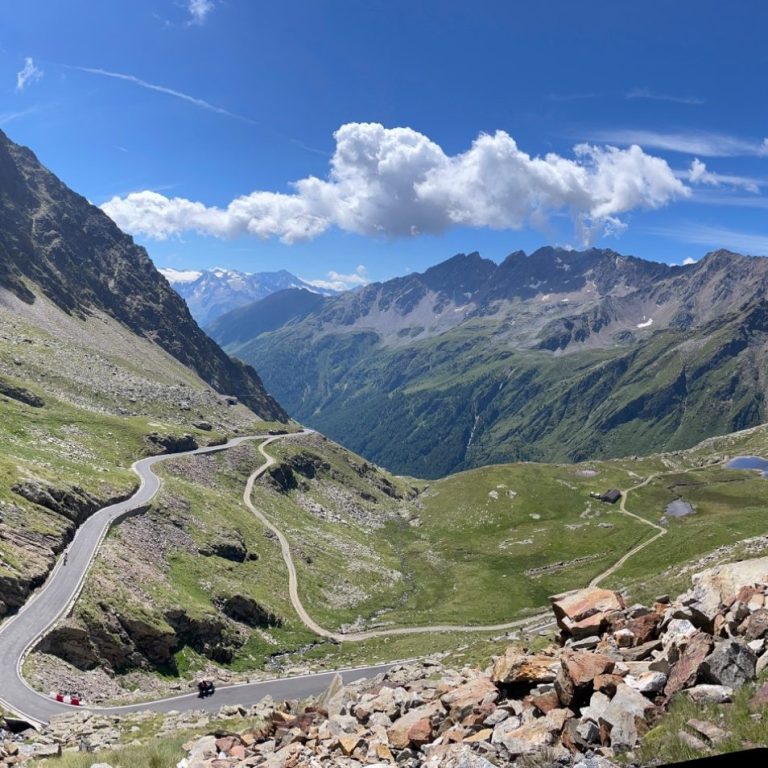
Passo Gavia - Italy
The Enfant terrible and feared pass on the Giro for its weather and unpredictability, is a wonderfully wild road and a true cycling crown jewel - Passo Gavia is a wonderful ride. The southern side from Ponte di Legno is particlarly spectacular.
2,571m
10
Grossglockner Hochalpenstrasse - Austria
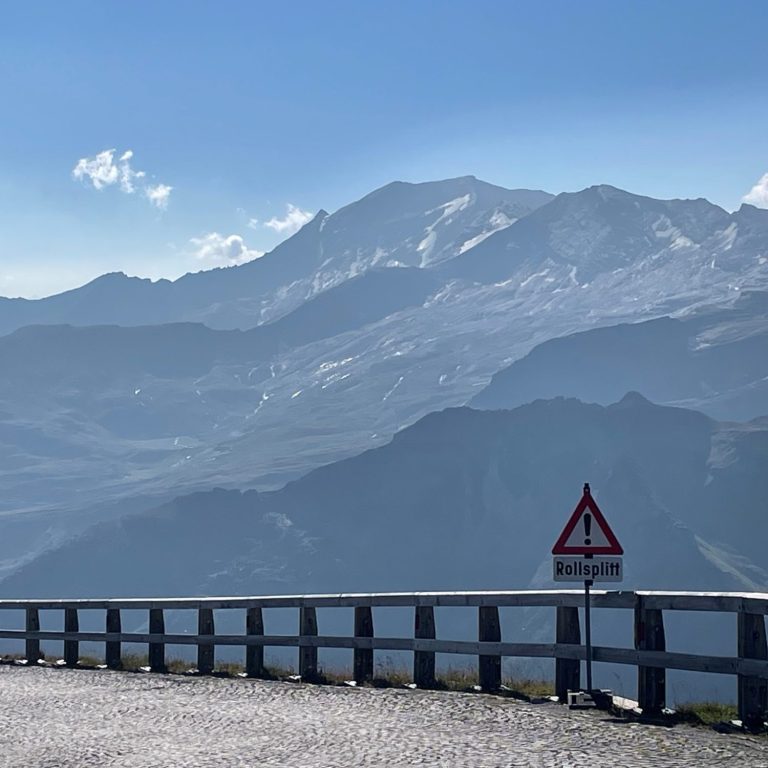
A long and tough road that beats other stalwarts of mountain cycling like the Stelvio in terms of difficulty and determination required. It has 13 hairpin bends and prolonged sections of double digit gradient. It ends with six hairpins on cobbles to reach the Edelweiss Spitze at 2,571 meters altitude.
2,503m
11
Umbrail Pass - Switzerland
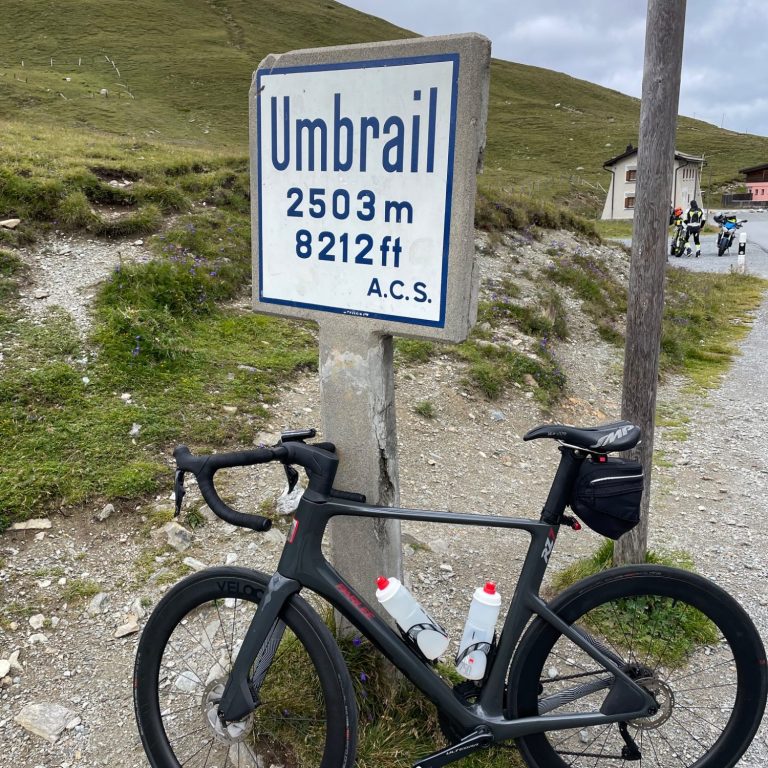
The Umbrail Pass from Santa Maria is at 2,503 m Switzerland's highest paved pass. It is an absolutely lovely, and quiet 13km climb over 1,124m elevation gain that offers a more peaceful alternative to the busier Stelvio. The ascent begins gently before settling into sustained gradients of around 8–9%, with few opportunities to recover on the steeper sections. The lower valley is pleasant with spectacular switchbacks, the scenery becomes increasingly dramatic towards the summit, where magnificent high-Alpine views provide the main reward. Less famous than the approaches from Bormio and Prato, this side of the pass is well worth discovering for its challenging gradients, impressive mountain landscape and lighter traffic.
Between 2250m and 2500m
Epic Cycling Climbs in the Alps between 2,250 - 2,500m
The roads up to 2,500m altitude are so varied and their characters also changes from north to south and east to west that there is virtually no common denominator apart from that those passes are bringing you into the heart of the Alps. Some are historically important like the Great St Bernhard pass while others connect mountain communities like the Colle di Sampeyre.
2,507m
12
Timmelsjoch / Passo Rombo - Austria / Italy
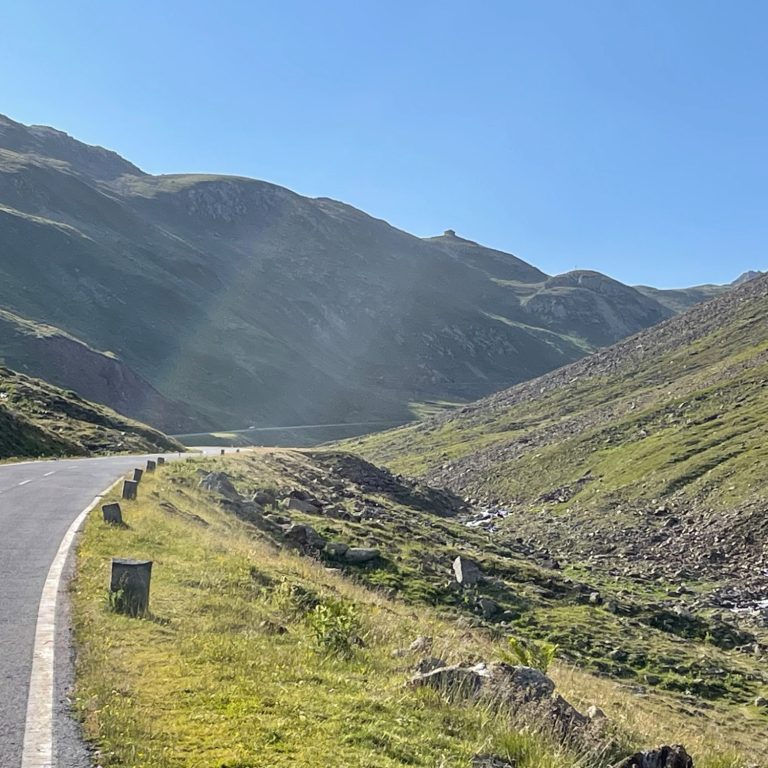
A lesser known giant of a pass connecting Austria and Italy. The Timmelsjoch (Passo Rombo from the Italian side) starts from the busy Ötztal, rides through a lost and mysterious valley once dominated by smugglers. The Italian side in tougher and longer, hugging the mountain side with endless switch backs. Curiously the Austrian side is 2,507m and the Italian side slightly below 2,500m altitude at 2,474m.
2,481m
13
Colle Fauniera - Italy
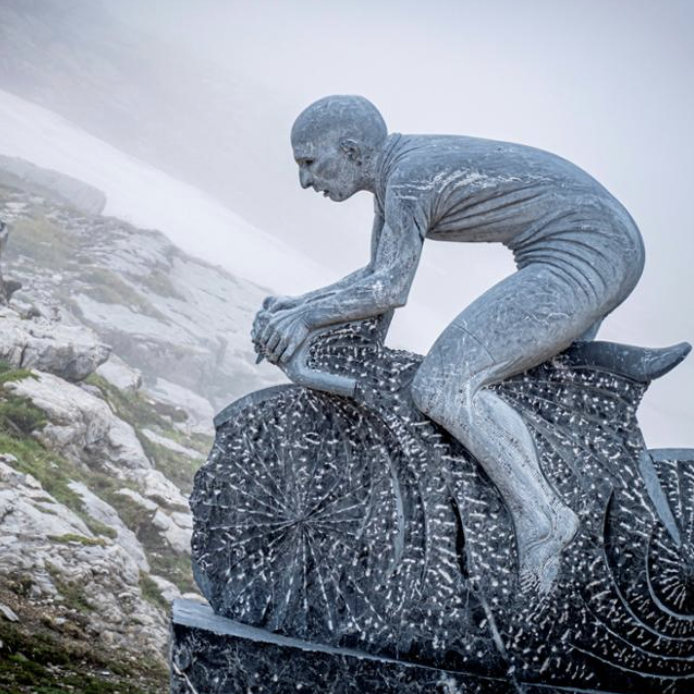
Formerly known as Colle di Mortes due to battles in war, this pass is a busted up road through the most wild, forgotten and remote parts of the Italian Alps. A rickety mountain road connecting mountain villages. The Giro only rode it once in 1999, won by Marco Pantani for whom a statue remain permanently on the pass. This is definitely a bucket list pass.
2,478m
14
Nufenen Pass - Switzerland
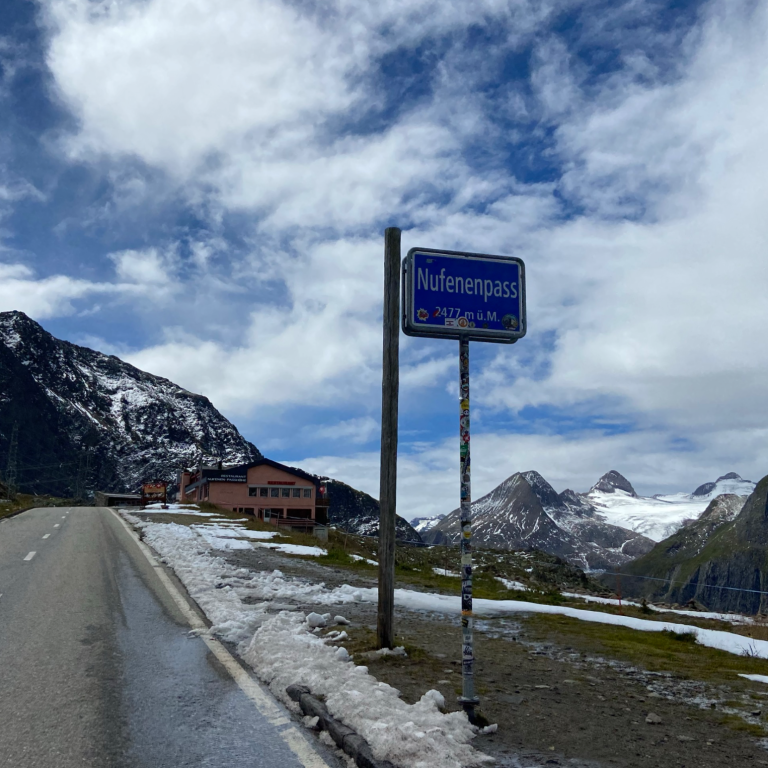
Pass connecting Ulrichen and Airolo: From Ulrichen, climbing roughly 1,130 m over 13.7 km to 2,482 m, it’s a demanding climb and one of Switzerland’s highest paved passes. Though less dramatic than its neighbours, it offers wide‑open views and a satisfying sense of scale.
2,469m
15
Great St Bernard Pass - Switzerland/Italy
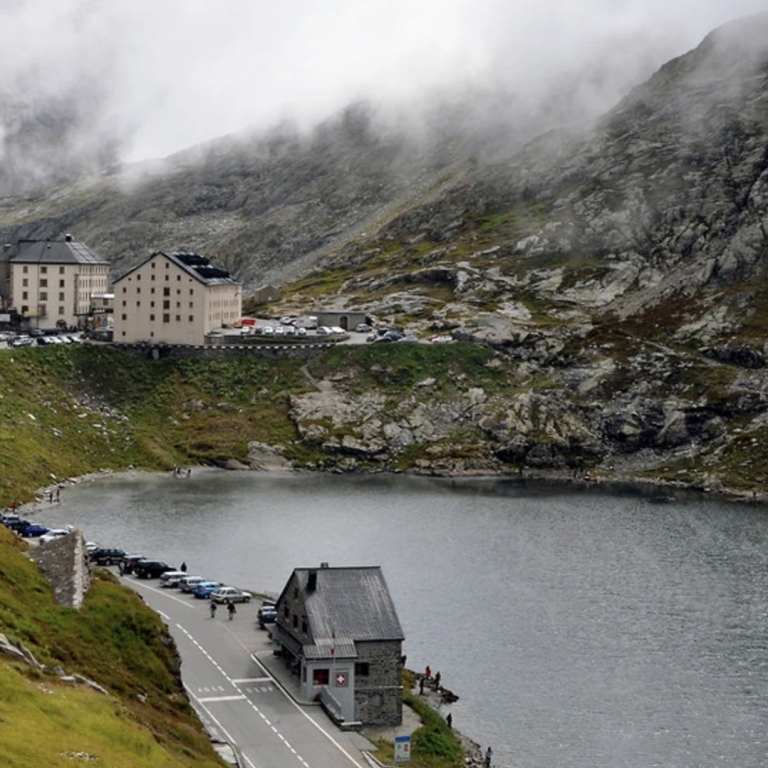
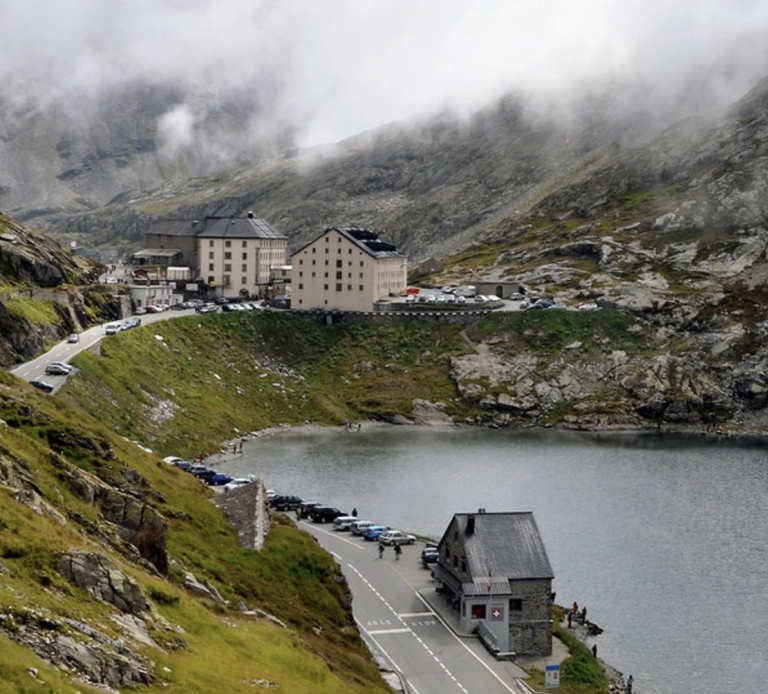
The Great St Bernard Pass is probably one of the oldest passes in the Alps, first paved by the Romans. The climb is long, at around 40 km, and gains just over 2,000 m of elevation from Aosta and only insignificantly less from Martigny. The scenery on the Great St Bernard is extraordinary, shaped by the immense altitude of the surrounding mountains. At the summit sits the historic hospice, where monks famously bred the dogs that gave the pass its name.
2,454m
16
Col de la Moutière - France
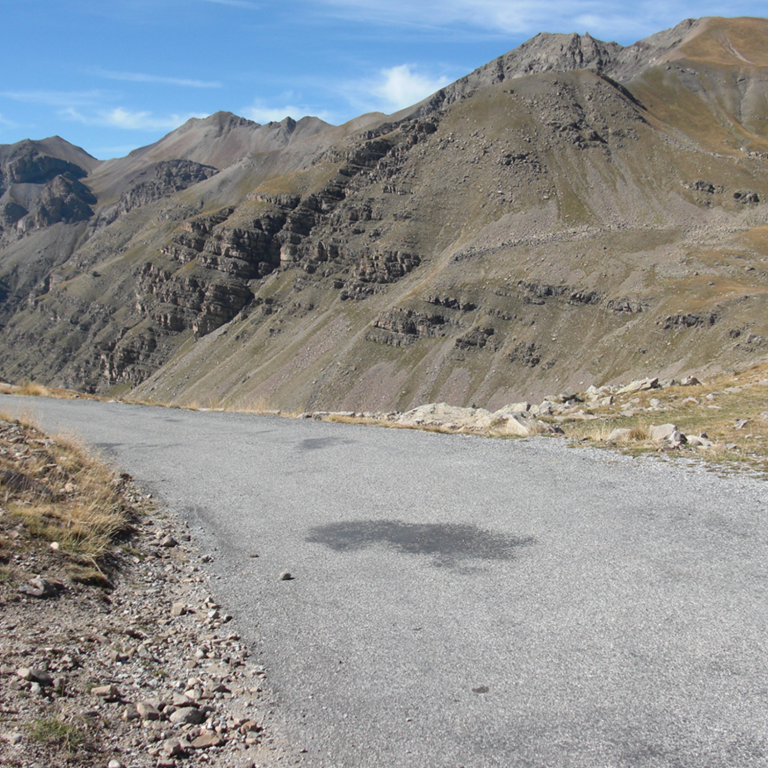
pass from Saint-Dalmas-le-Selvage: Very remote pass road just underneath of the Cime de la Bonette in the Mercantour national park. A remote, unknown and little used strip of tarmac that winds itself through the Mercantour national park and rewards the rider with near total solitude in fabulous surroundings. There is no sign at the pass height but only an old pill box indicates you have arrived. It is gravel after the pass.
2,429m
17
Furka Pass - Switzerland
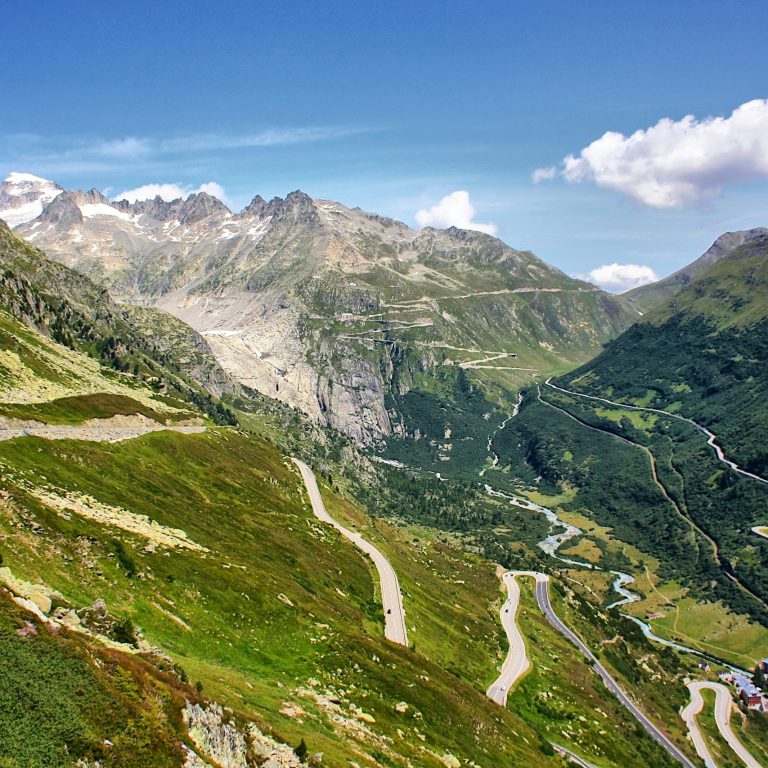
Pass connecting Gletsch (Valais) and Realp (Canton of Uri): From Realp, the road is passing the iconic viewpoint made famous in the James Bond film Goldfinger. Just below the pass sits the Belvedere Hotel, perched dramatically on a switchback and used to offer views of the Rhône Glacier. From the top of the Furka, the panorama is classic high Alps: ice fields, sheer cliffs, and the distinctive grey granite that defines the region
2,405m
18
Col du Granon - France
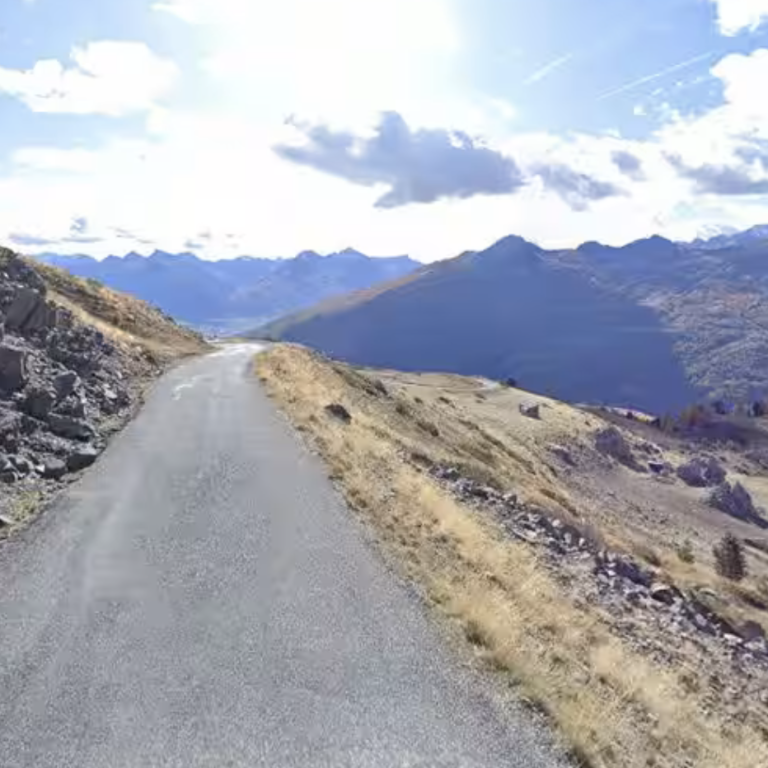
Dead end from Saint Chaffrey: A quiet road just off Briancon and in the middle of mountain pass superlatives of the Galibier and Izoard. At 11.2km length and a 9.2% average gradient, climbing the 1,037 elevation gain of the Col du Granon is a serious undertaking. But this tiny strip of tarmac is truly mesmerising and rewards with a superb view over the Serre Chevalier mountains and with a rustic little restaurant at the top.
2,383m
19
Flüela Pass - Switzerland
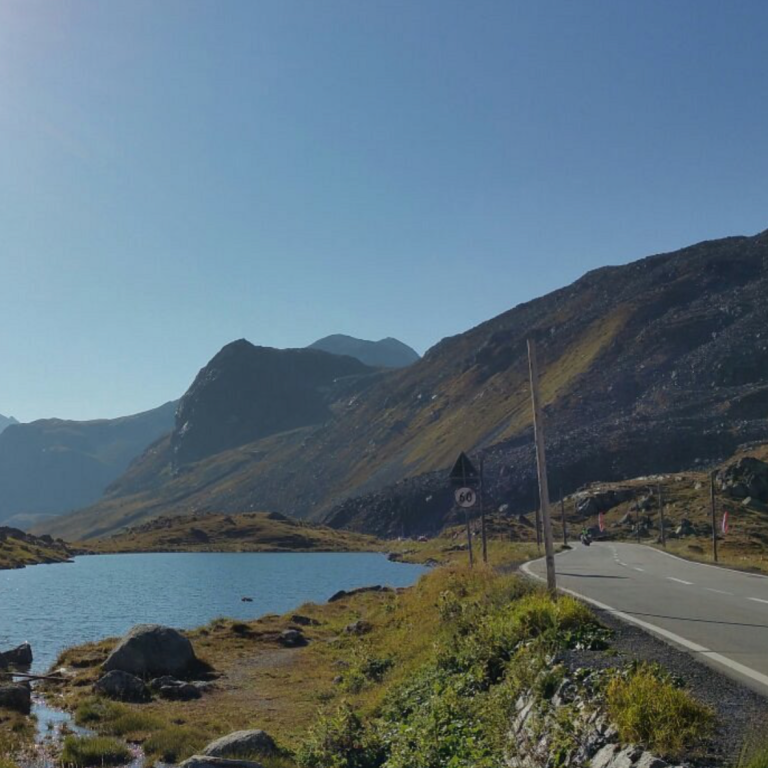
2,383 m, Flüela Pass, Switzerland, Pass connecting Davos with Susch (Lower Engadin) - 13km, 824m elevtion gain ; The Flüelapass from Davos is a steady climb with excellent road surfaces and beautiful mountain views. The gradients are generally moderate and consistent, although the final five kilometres become more demanding. Traffic can be relatively heavy, particularly at weekends, and roadworks may cause delays. Strong headwinds on the upper slopes can make the ascent considerably tougher, while temperatures can drop sharply as you gain altitude. Overall, it is an enjoyable Alpine climb, though the traffic and exposed upper section can detract from the experience .
2,369m
20
Kaiser-Franz-Josephs-Höhe - Austria
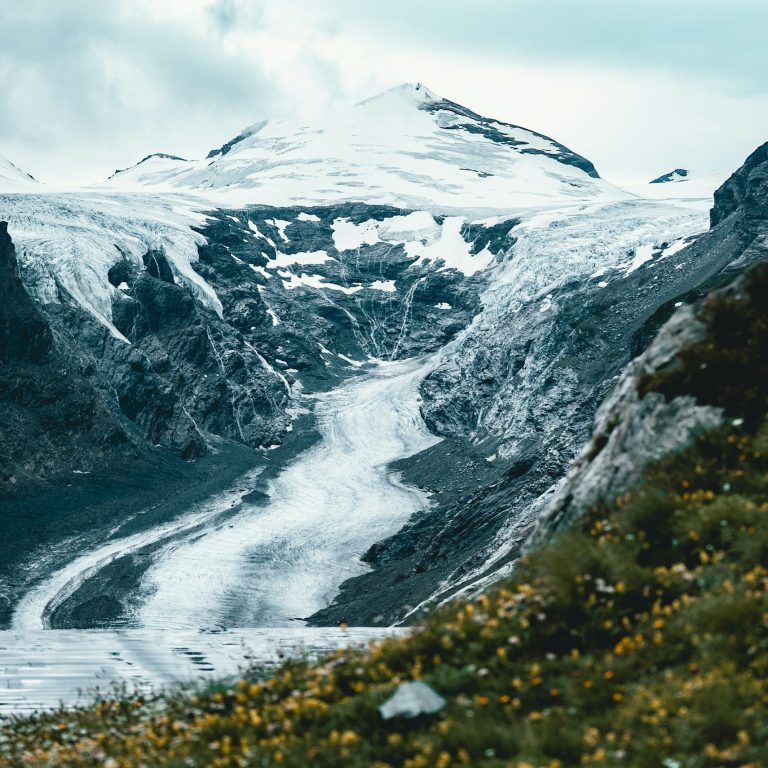
Dead end road from Heiligenblut: and alternatively from Fusch: Cycling up Kaiser-Franz-Josefs-Höhe is a long, steady ascent on the Großglockner High Alpine Road, defined by smooth gradients, growing altitude, and increasingly dramatic scenery. As forest gives way to open rock and glaciers, finishing at a high, exposed viewpoint overlooking the Pasterze Glacier and the Großglockner massif
2,361m
21
Col d'Izoard - France
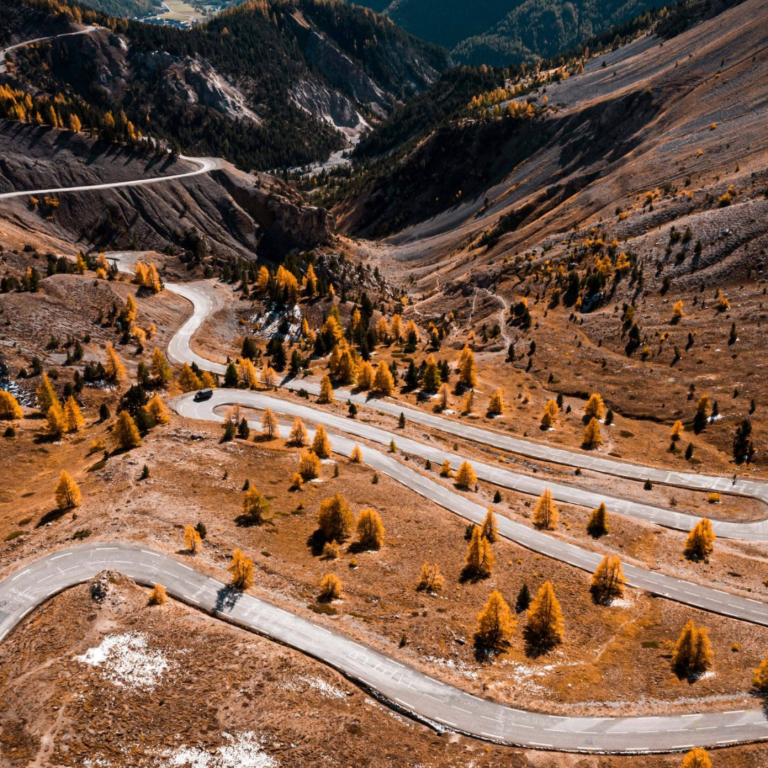
The Col d'Izoard is a climb in the Southern French Alps between the Brianconnaise and Queyras mountain regions, connecting the Cerveyrette gorge in the north with the Casse Deserte in the south. Both sides are very different and the Casse Deserte is the more famous side to climb the Col d'Izoard. The gorge of the Cerveyrette river does no need to hide though.
2,351m
22
Col de la Lombarde / Colle delle Lombarda - France/Italy
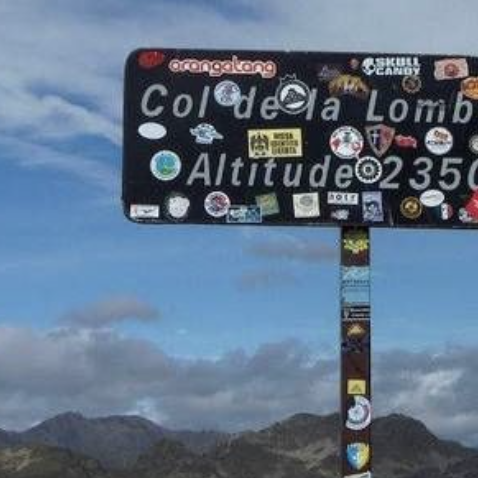
Pass connecting Isola, via Isola 2000 and Vinadio: This should be ridden from the Italian side. The southern Piedmontese alps are remote and not very developed (compared which the French side which boasts a ski resort just below the pass). The Italian pass road is less traveled and totally enchanting. It is on my bucket list!
2,340m
23
Tre Cime di Lavaredo / Drei Zinnen - Italy
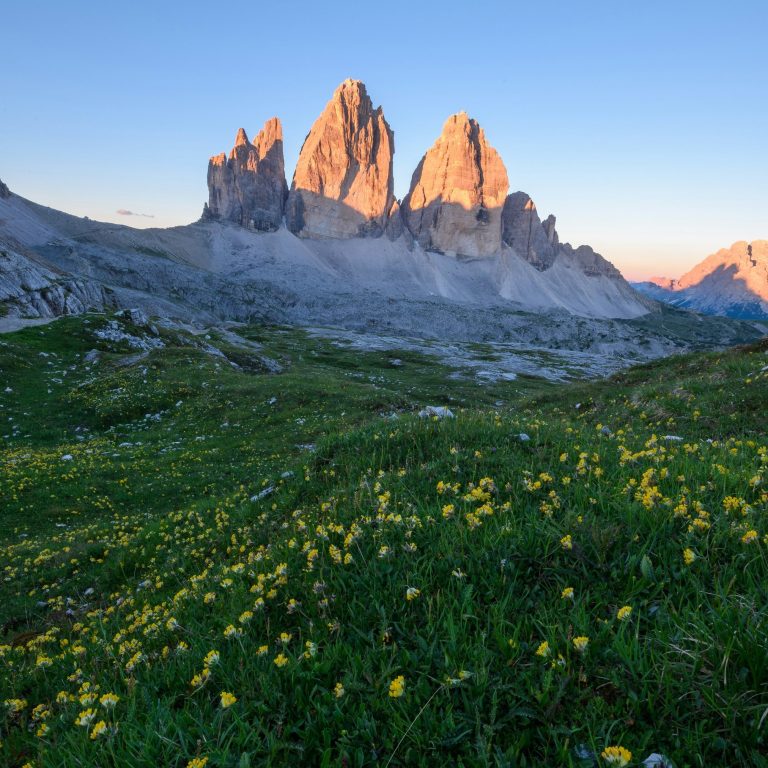
Dead end from Misurina: One rides this road purely to marvel at the Tre Cime mountains. Three massive cliffs, lined up next to each other, utterly mesmerising. No effort is too tough for this unique site and this road certainly demands a fair effort in return for unveiling those views.
2,327m
24
Bernina Pass - Switzerland
The Passo del Bernina at 2,327 m from Tirano is a 33km long, demanding Alpine climb over 1,900m elevation gain that begins with a relatively gentle warm-up before steepening considerably beyond Lake Poschiavo, with sustained gradients of 8–12% on the tougher sections. The excellent road surface and lakeside respite at Miralago provide welcome relief before the road climbs through Poschiavo towards the high mountains. After the junction for Forcola di Livigno, the final kilometres deliver spectacular Alpine scenery, culminating at Lago Bianco beneath the Bernina massif. For a memorable reward, consider stopping at Rifugio Tridentino near the Forcola border for traditional Valtellina cuisine.
2,326m
25
Col de la Cayolle - France
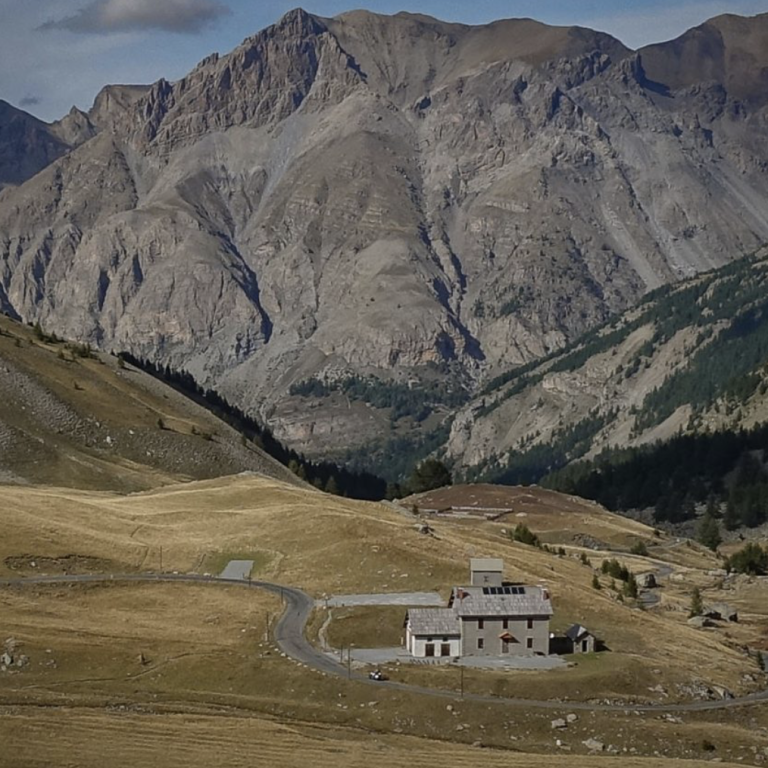
Pass connecting Barcelonnette and Saint-Martin-d'Entraunes: The Col de la Cayolle is a magnificent high mountain pass reaching an elevation of 2,326 meters and situated at the western edge of the Mercantour National Park. The road is famed for its spectacular, narrow stretches, including the dramatic Gorges du Bachelard on the northern side, and is celebrated by cyclists for its remote tranquility, breathtaking alpine scenery.
2,311m
26
Albula Pass - Switzerland
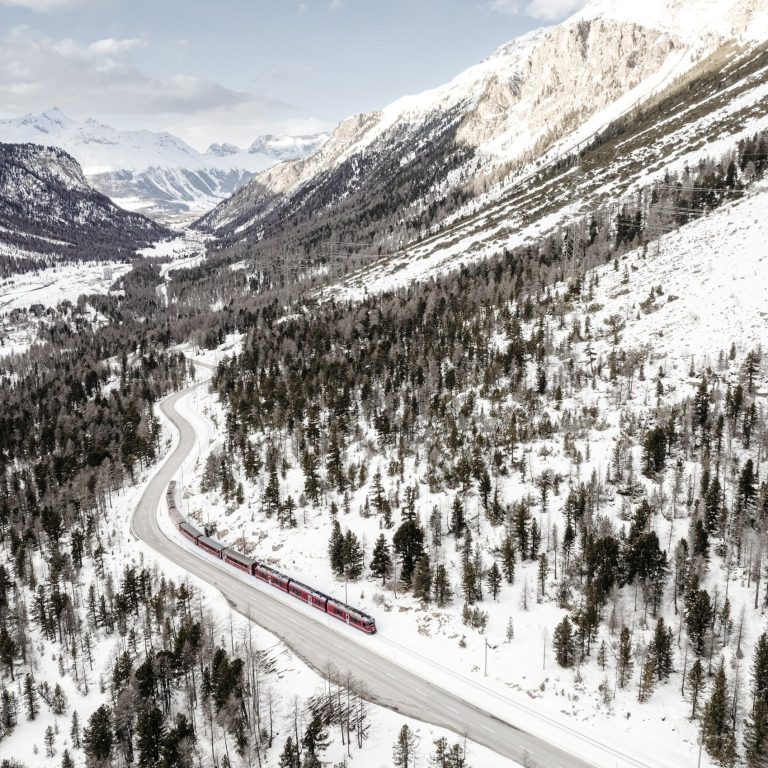
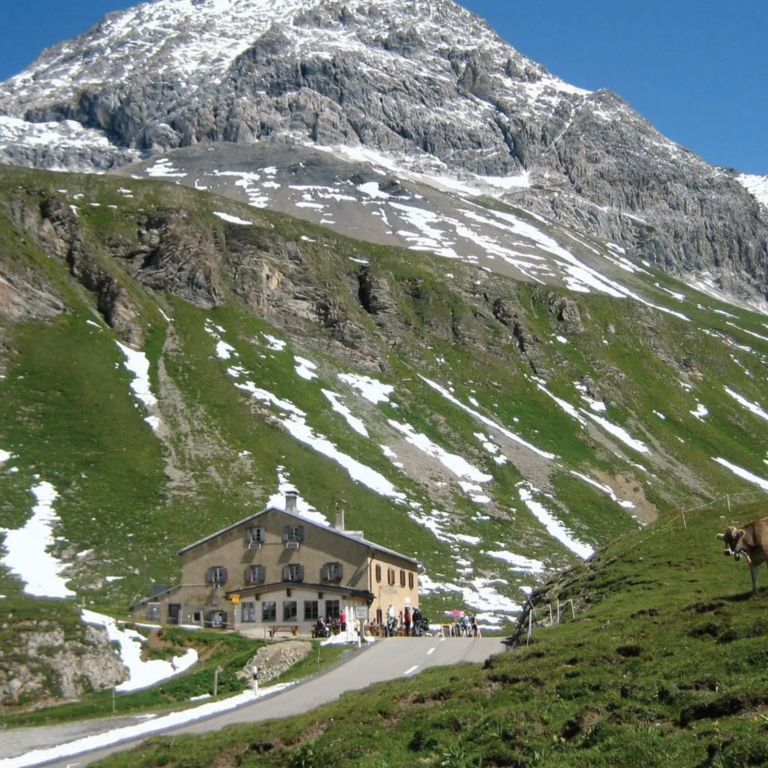
Pass connecting Tiefencastel, via Bergün and La Punt (Engadin): There’s a quiet grandeur to the pass — helped by relatively light traffic and the sight of the Rhaetian Railway threading through the valley below. Reaching the summit feels calm and satisfying rather than dramatic: a high, windswept plateau where the air is thin, the light is sharp, and the mountains seem to stretch endlessly in every direction.
2,311m
27
Lago del Narèt - Switzerland
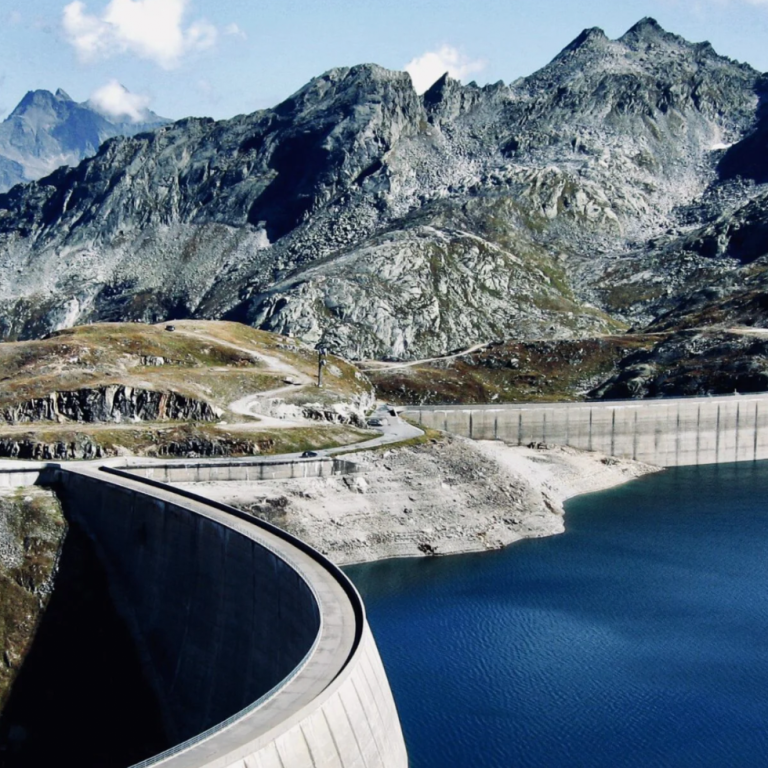
Dead end from Fusio in Ticino: The road rises high above the Val Bavona in the Italian-speaking canton of Ticino, climbing steadily on a narrow ribbon of tarmac that twists through forests before opening into stark, rocky alpine terrain. The final kilometres feel almost lunar — granite, water, and sky dominating the landscape — until the turquoise reservoir appears, framed by austere peaks.
2,304m
28
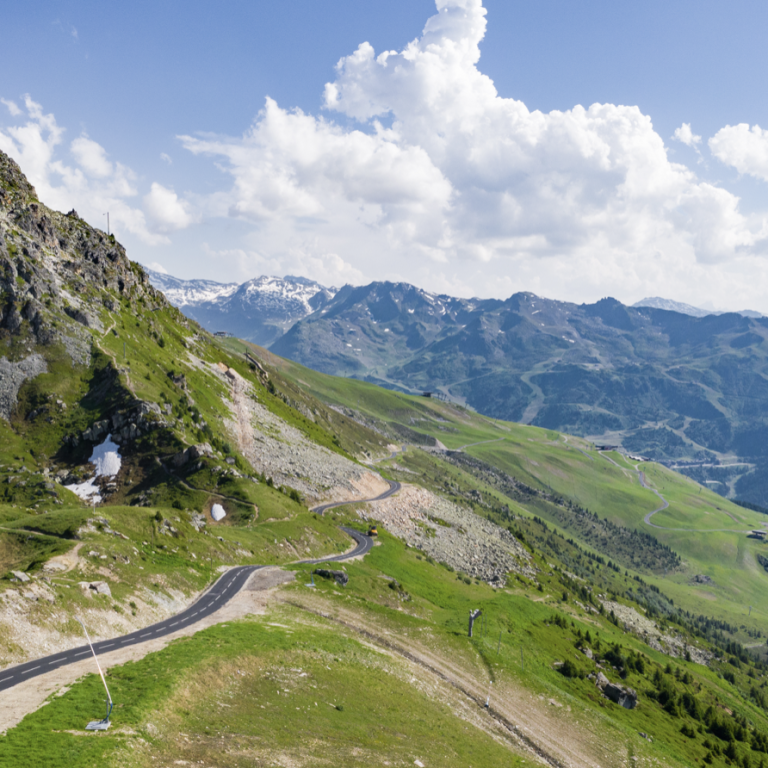
Col de la Loze - France
Pass connecting Courchevel and Meribel: From Meribel, this is a hard and long road. The start to this connecting road in the 3Vallee ski area was as a service road, later expanded to a pass road and recently as a TdF pass which is partly traffic free. If riding in a ski area is your thing, this is your pass.
2,284m
29
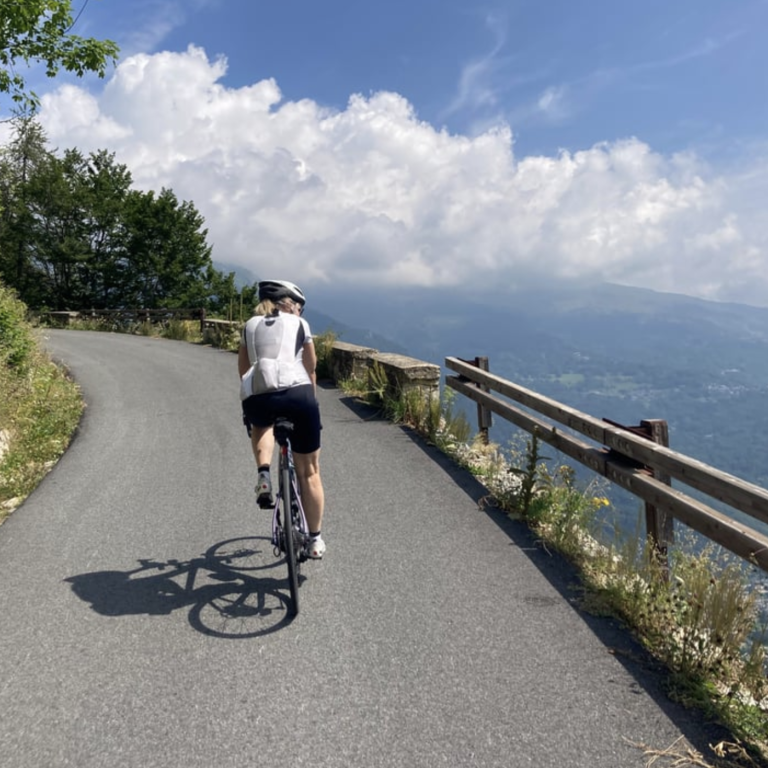
Colle di Sampeyre - Italy
Pass connecting Sampeyre and Stroppo / Elva: Located in the southern Piedmontese Alps, this is the little sibling of the Colle Fauniera both in terms of height and difficulty. The landscape is somewhat more open than the Fauniera but the remoteness is similar. The village of Elva is a lovely destination coming from Sampeyre.
2,284m
30
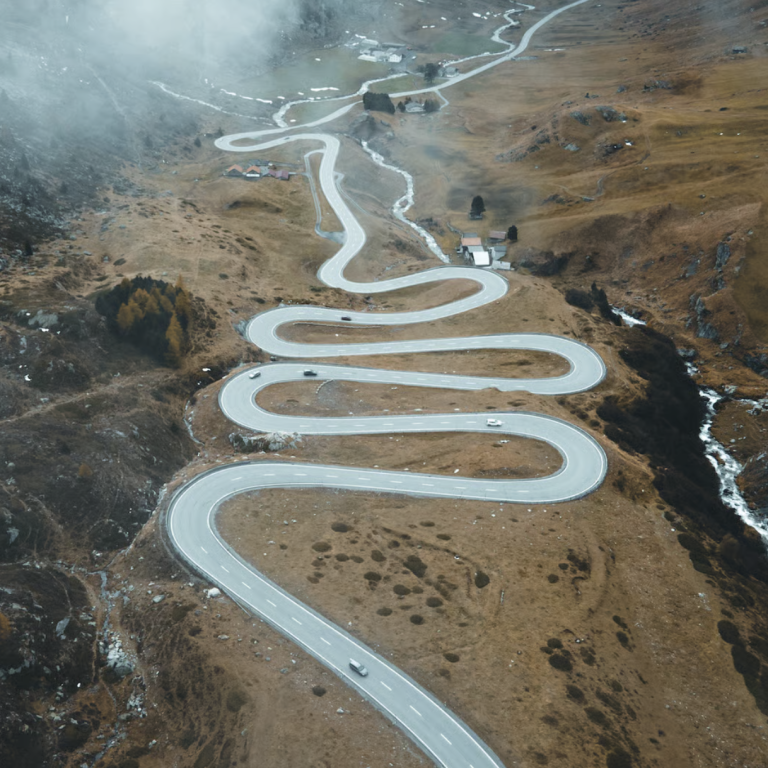
Julier Pass - Switzerland
Pass connecting Silvaplana and Tiefencastel: The road is wide and impeccably engineered, climbing in long, sweeping curves that make you feel exposed to the vast alpine landscape. The gradients are steady rather than savage, but the altitude and openness give the ascent a serious, high-mountain character. Above the tree line, the terrain becomes stark and mineral — rock, water, and sky dominating the view — with the road carving a clear line toward the summit.
2,280m
31
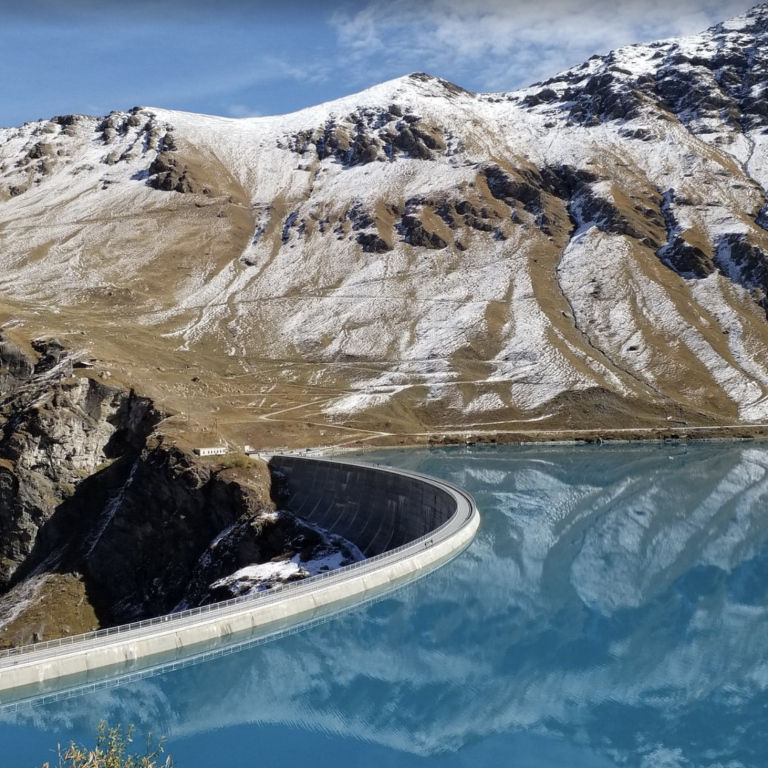
Moiry Dam - Switzerland
The climb to the Moiry Dam at 2,280m is a spectacular but demanding ride, gaining around 1,770m over 27km from Sierre. The road is in excellent condition, but the gradients become increasingly punishing beyond Grimentz, with a brutally steep final ramp to the dam. The effort is richly rewarded by the extraordinary turquoise lake and dramatic mountain scenery. Continue beyond the dam along the narrow road for even better views of the lake and nearby glacier. Bring lights for the dark, sometimes wet tunnels.
2,252m
32
Col du Sanetsch - Switzerland
Tough, gorgeous and remote road to the Col du Sanetsch (2,247m) and then a further 4 km to the Lac de Sanetsch (2034m) - a reservoir lake - where the road ends. From Sion the climb is 25.7km long and covers 1,818m altitude gain. It is a tough and irregular SHC category climb which leads to a remote valley. There are no ski stations, no villages and no services with the exception of a mountain inn halfway up and at the end. A ride up can be extended by taking a cable car down to the Saarne Valley and returning via the Rhone valley.
Between 2,000m and 2,250m
Epic Cycling Climbs in the Alps - 2,000 - 2,250m
This is the lower end of the high passes, quite some of these passes are historical connectors and have been used for a long time, e.g. many pass roads in Switzerland fall into this category.
2,250m
33
Col d'Allos - France
Pass connecting Barcelonnette and Colmars: The pass connects the Ubaye Valley to the north with the Verdon Valley to the south. Known for its challenging and narrow road, the Col d'Allos is a celebrated climb in the TdF and is famous for its exceptional, unspoiled scenery within the Mercantour National Park. As a nice touch, the pass is often reserved for cyclists on Friday mornings in the summer.
2,244m
34
Passo di Sella/Sellajoch - Italy
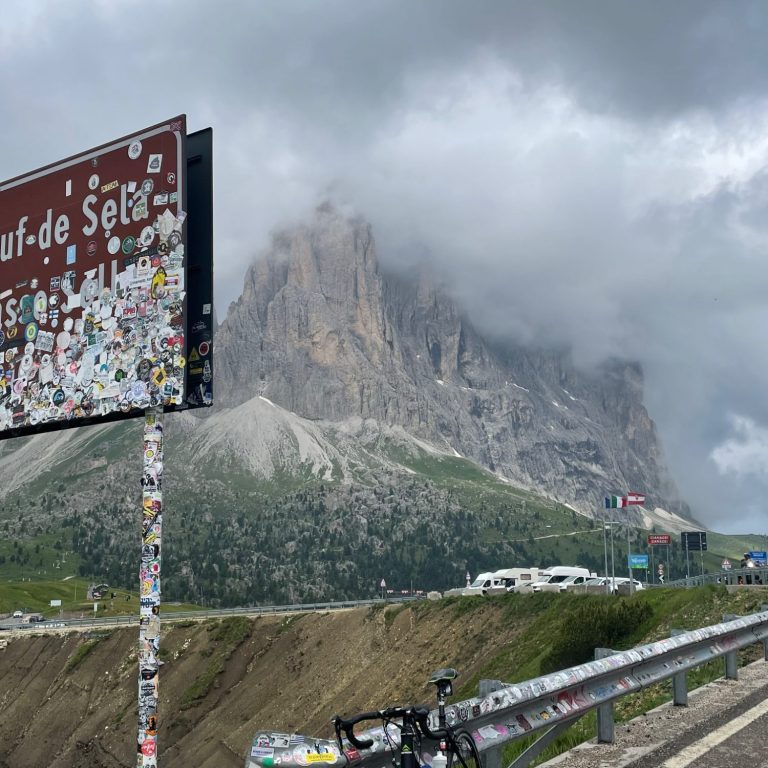
Pass connecting Val Gherdëina and Canazei: The highest pass on the Sella Ronda which is the circumnavigation of the Piz Boe or Sella mountain and a true wonder of cycling.
2,239m
35
Passo Pordoi - Italy
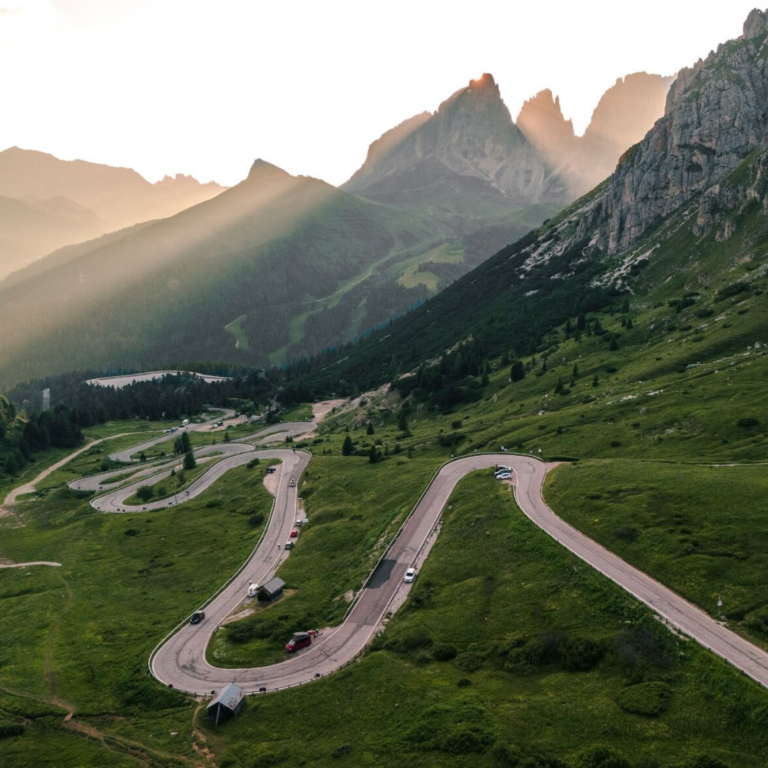
Pass connecting Canazei and Livinallongo del Col di Lana: From Arabba, the Passo Pordoi winds itself over 9.2km up a very wide meadow covering 642m altitude gain and 33 gorgeous hairpin turns. It is a gentle pass and a steady climb, the wide Valle di Fodom and the neighbouring cliffs of the Sella give it ist special character.
2,236m
36
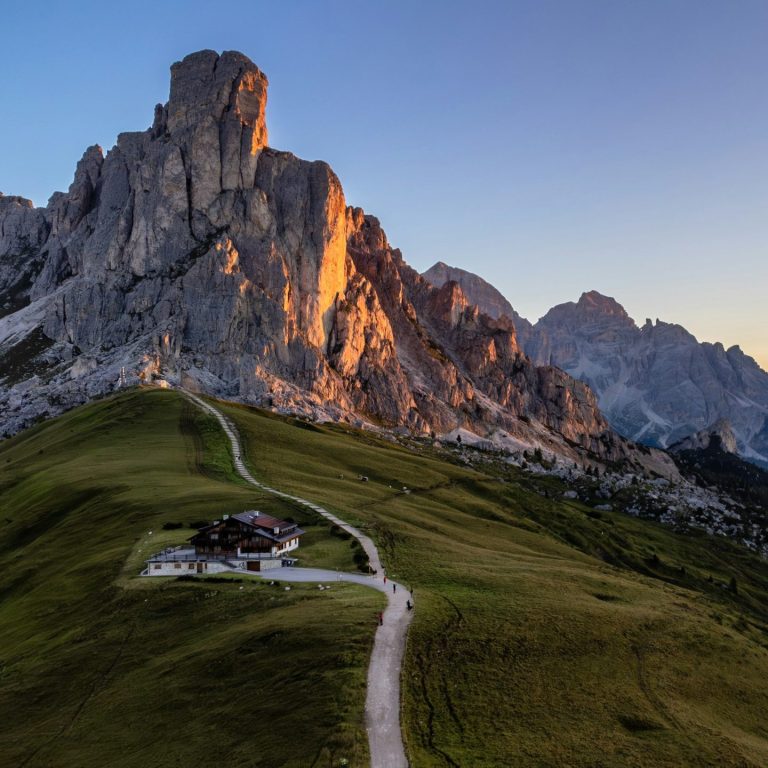
Passo Giau - Italy
Pass connecting Cortina d'Ampezzo and Selva di Cadore / Livinallongo del Col di Lana: Cycling the Passo Giau is short, brutal, and breathtaking—a climb that feels carved straight out of the Dolomites. The Passo Giau doesn’t wear you down slowly. It hits hard, demands everything, and rewards you immediately—with one of the most spectacular finishes in the Dolomites. Over 9.8km it climbs 923m from the southern side from Selva di Cadore.
2,223m
37
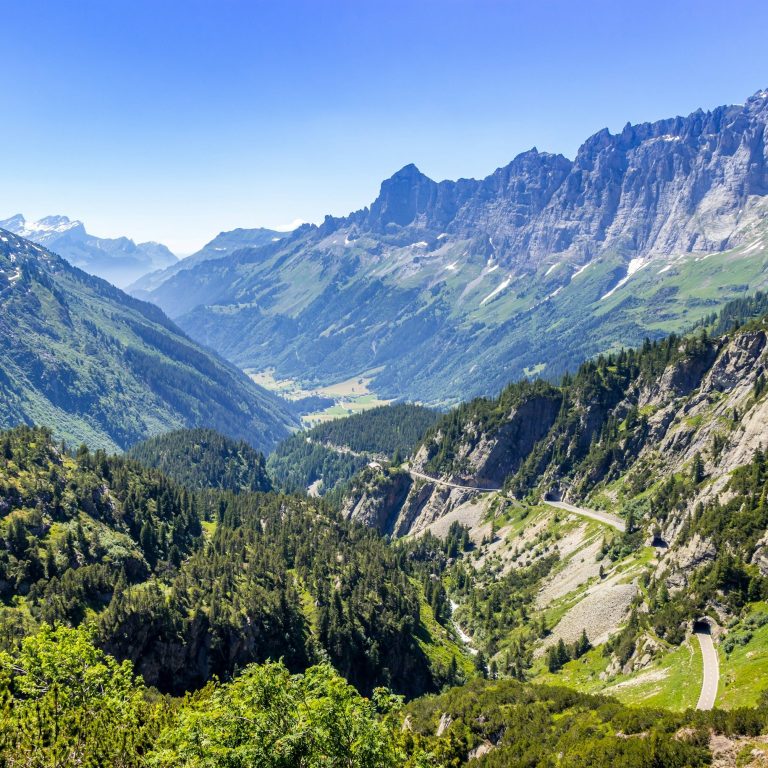
Susten Pass - Switzerland
Pass connecting Innertkirchen (Canton of Bern) and Wassen (Canton of Uri): Gradients are steady and manageable, allowing you to settle into a rhythm while the scenery grows ever more spectacular. Above the tree line, glaciers and jagged peaks come into view, and the landscape takes on a raw, high-mountain intensity. Tunnels and sweeping hairpins add to the sense of scale. Reaching the summit feels cinematic — surrounded by ice, rock, and vast skies — before a thrilling, flowing descent carries you back down through one of Switzerland’s most beautiful alpine corridors.
2,211m
38
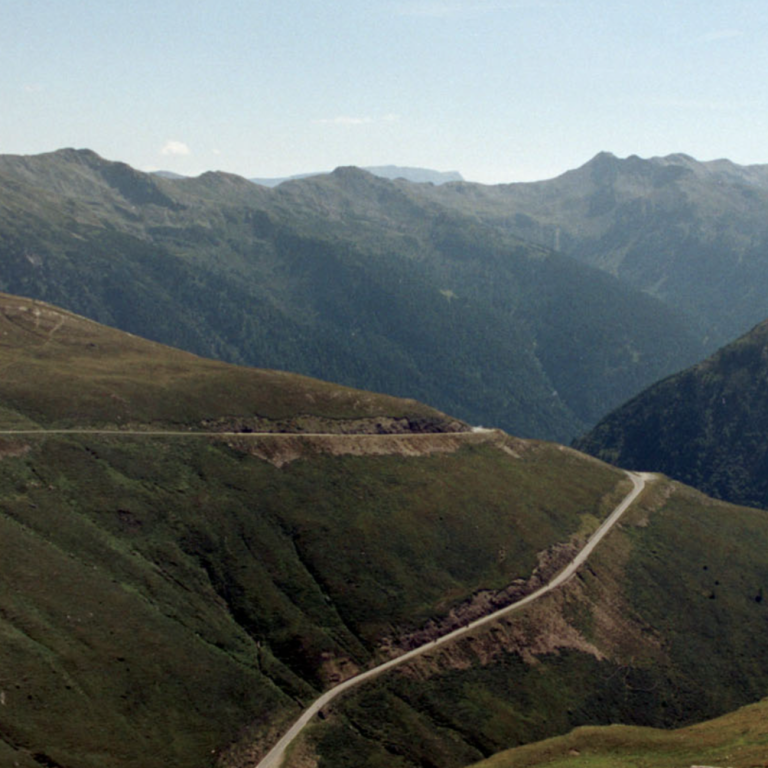
Penserjoch/Passo di Pennes - Italy
Pass connecting Sterzing/Vipiteno and Bolzano: The main traffic between Sterzing and Bozen goes through the motorway in the Eisacktal valley, leaving this historic pass light with traffic and reall joy to ride. From Sterzing, once you leave the trees behind a vasst bowl opens up ahead with panoramas over the entire adjacent mountain ranges. The descend into the Sarntal Valley to Bozen is as impressive as the climb. Near Bozen are a lot of tunnels though.
2,203m
39
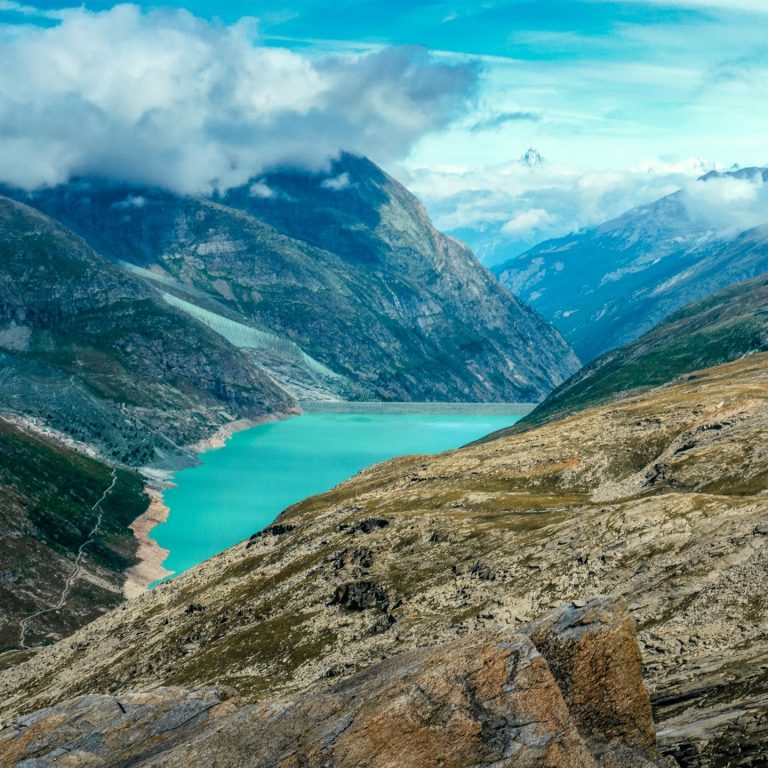
Mattmarksee reservoir - Switzerland
Dead end from Stalden - 27km, 1,460m elevation gain: The climb to Mattmarksee from Stalden is a spectacular journey into the heart of the Saas Valley, with increasingly dramatic Alpine scenery as the road climbs towards the mountains. The upper valley is a particular highlight, with peaceful roads winding past flower-filled meadows, rushing streams and cascading waterfalls. The final 2.5 kilometres are steep, but the effort is rewarded by the magnificent Mattmark dam and its beautiful mountain lake, framed by towering peaks. With excellent tarmac and a long, flowing descent, this is a memorable Alpine ride. Bring a windproof layer, as temperatures can drop noticeably at the summit
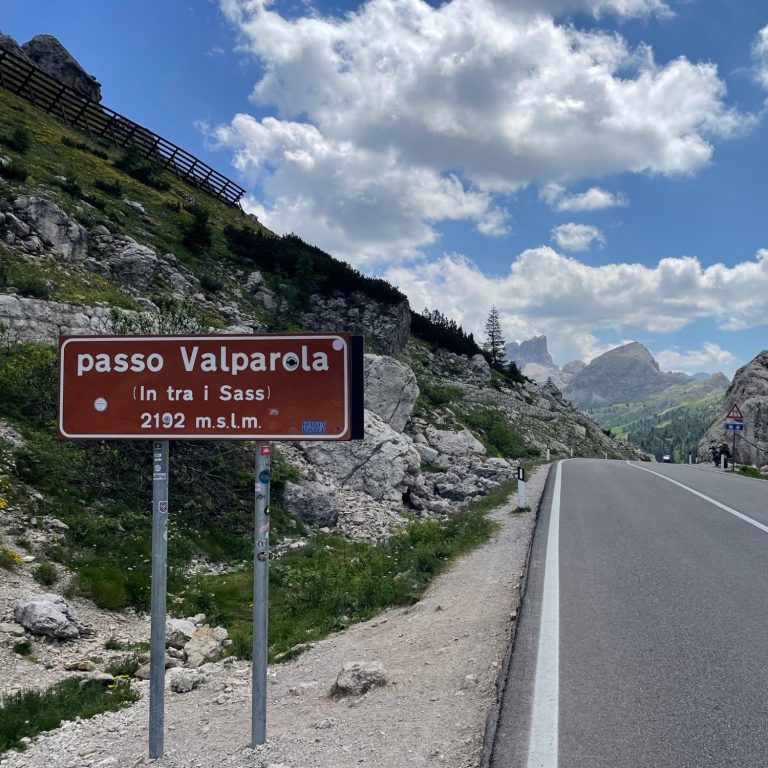
2,188m
41
Col du Petit Saint Bernard - France/Italy
Pass road connecting Bourg St Maurice and Pré-Saint-Didier: Rising gradually from Bourg-Saint-Maurice, it winds through open valleys and thinning forest before reaching a calm, expansive high-alpine plateau. With gentle gradients and wide views near the top, just below the summit is an enormous hospice that can be seen all the way from down the valley just after passing La Rosiere. This road is an ancient crossing and might have been the spot Hannibal crossed into Italy with his army.
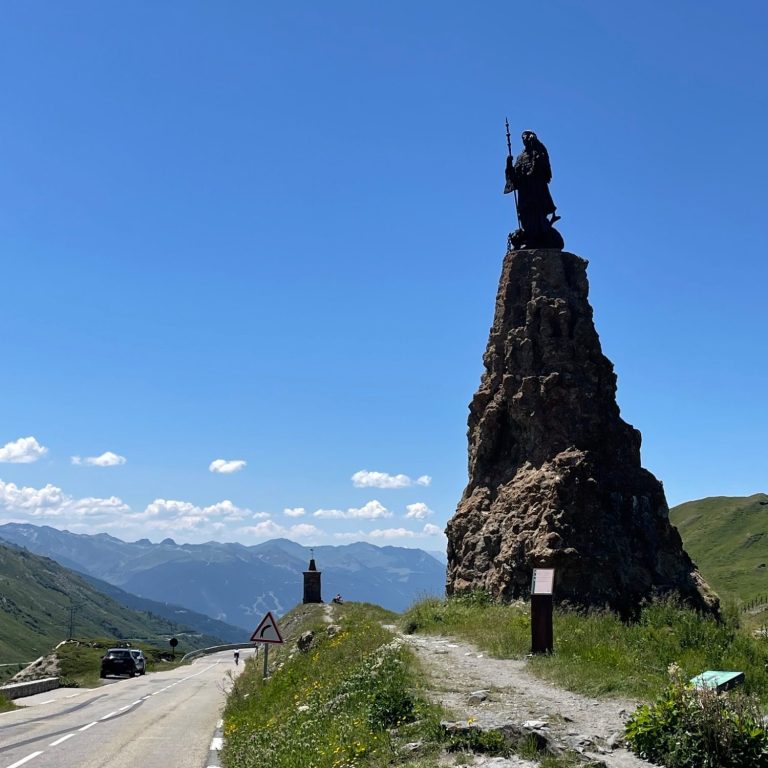
2,176m
42
Colle delle Finestre - Italy
Pass connecting Susa Valley and Val Chisone: The climb begins innocently enough on tarmac, winding steadily upward through forested slopes, but it gradually tightens its grip. Gradients are persistent, often steep, and the rhythm is one of steady attrition rather than explosive effort. Near the top, the character changes dramatically as the road turns to gravel. This is one of the most storied ascents in the Alps
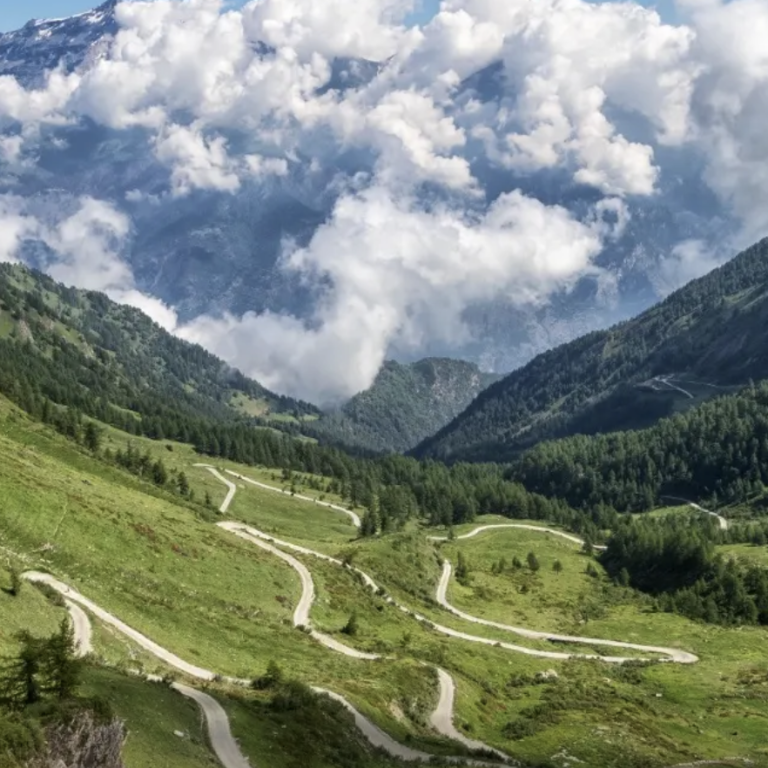
2,171m
43
Croix de Coeur - Switzerland
The climb to the Croix de Cœur at 2,171m from Riddes is a long, demanding ascent over 21km and rising 1,689m, with relentless ramps leading through La Tzoumaz before the road narrows and climbs into quieter, more rugged terrain above the treeline. Several tunnels make a rear light essential and there is rougher surface and hard packed gravel near the summit. The reward is spectacular: sweeping views over Verbier towards the Grand Combin and the distant Mont Blanc massif.
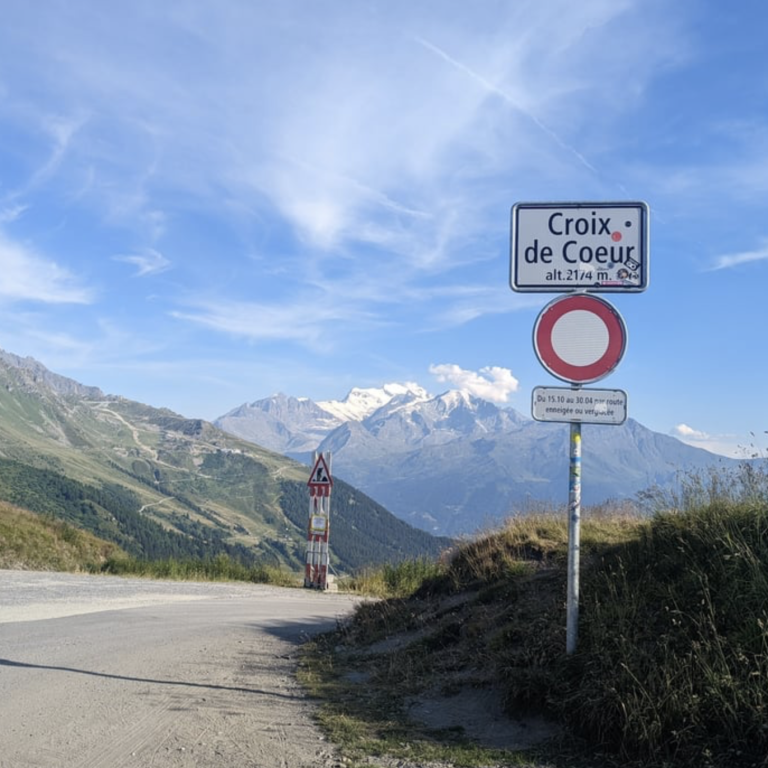
2,164m
44
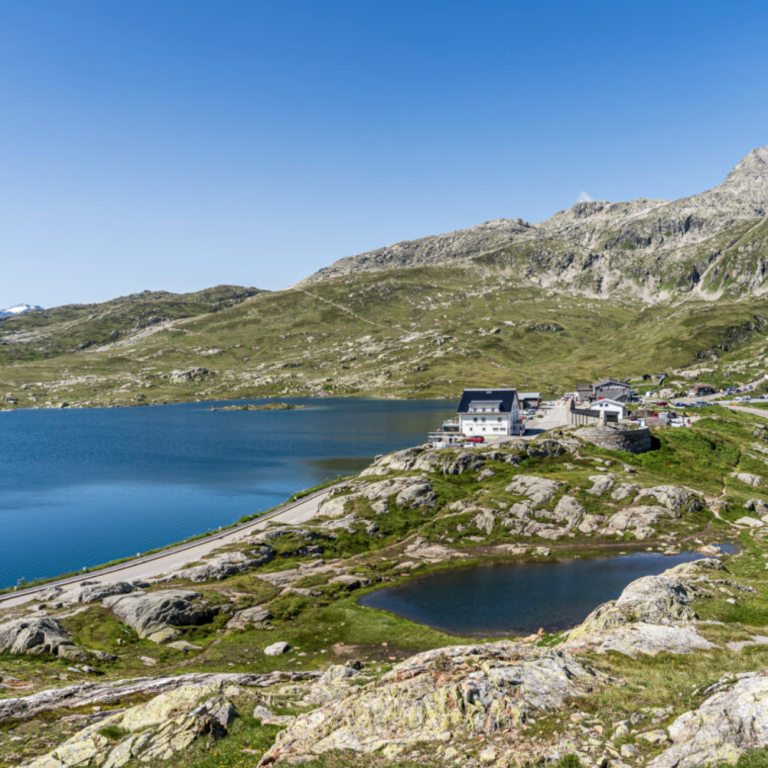
Grimsel Pass - Switzerland
Pass connecting Innertkirchen (Bern) and Gletsch (Valais): The climb rises through forests before breaking into a stark, high-alpine landscape of bare granite, reservoirs, and sweeping hairpins. The gradients are steady and testing rather than extreme, but the scale of the surroundings gives the ascent real weight. Reaching the summit feels elemental and expansive — as if you’ve climbed into a world of rock, water, and sky — followed by a long, exhilarating descent through one of the Alps’ most striking landscapes.
2,133m
45
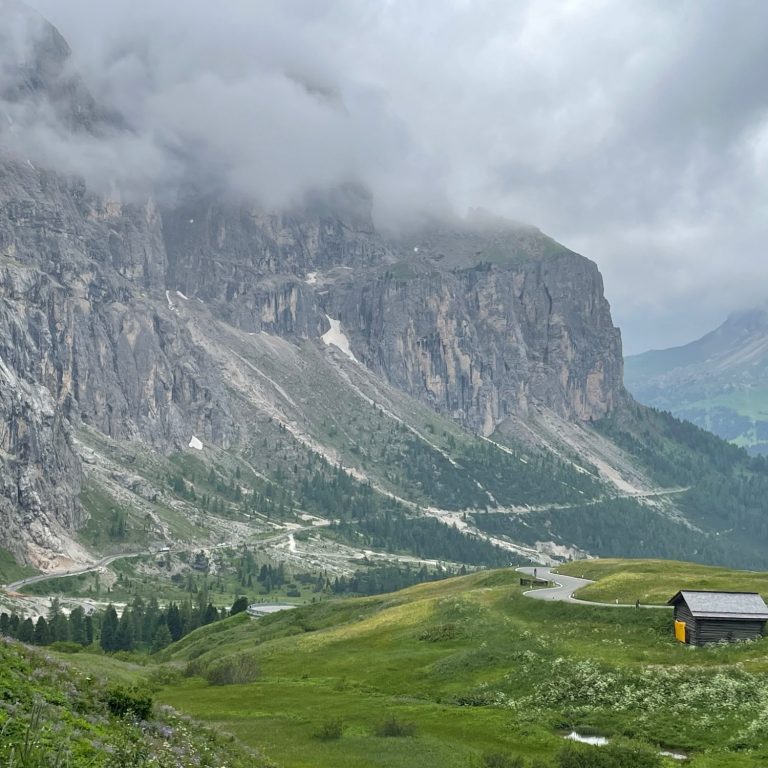
Passo Gardena/Grödnerjoch - Italy
Pass connecting Sëlva and Corvara, Part of the Sella Ronda route, at 8.8km it is not too long, with an elevation gain of 594m it is not too exhausting and with an average gradient of 6.7% not too steep so you can enjoy the incredible views while paddling uphill.
2,133m
46
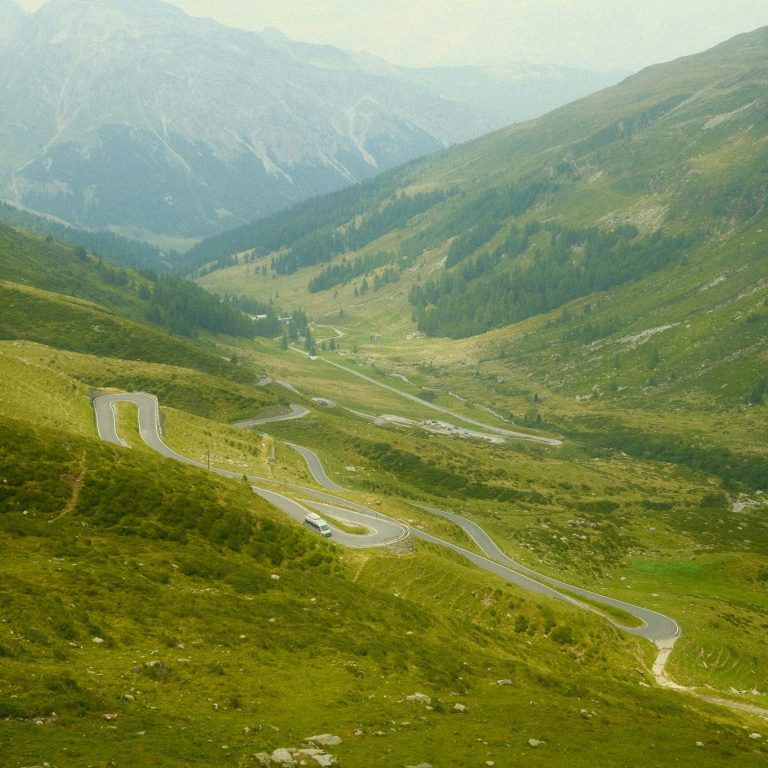
Splügenpass/Passo dello Spluga - Switzerland/Italy
Pass connecting Splügen (Graubünden) and Chiavenna (Lombardy) - The Splügen Pass from Splügen is a relatively short, steady climb, with a succession of spectacular hairpins that give the upper section a distinctly Stelvio-like feel. The gradients are generally manageable, and the road winds through beautiful Alpine scenery, becoming particularly impressive above the treeline. Traffic can be busy during peak season, and roadworks may affect the hairpins, so check conditions before setting off. At the summit, the weather can change quickly, making the descent chilly in mist or cold conditions.
2,126m
47
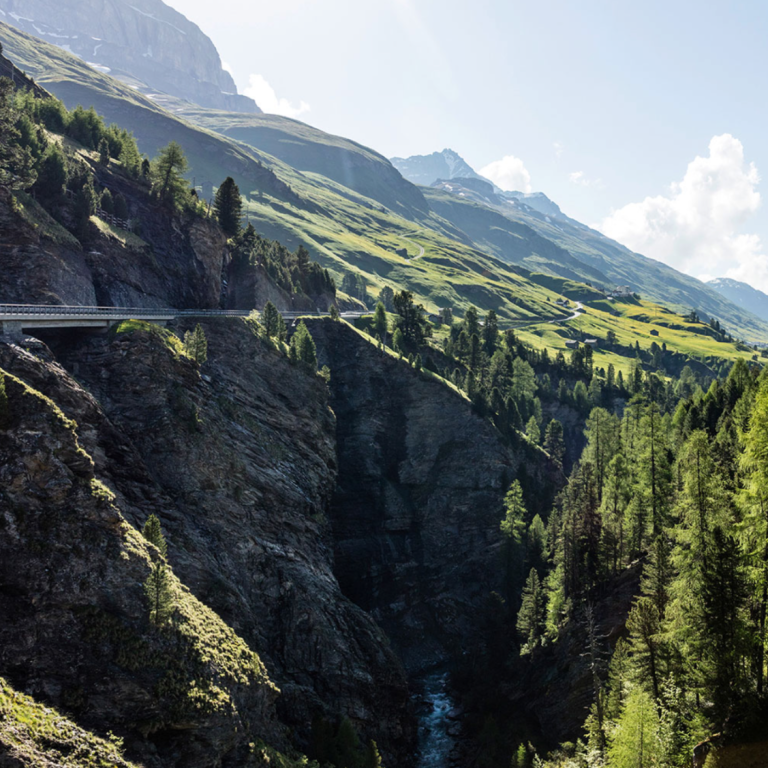
Juf in Avers - Switzerland
Dead end from Andeer - 24km 1,070m elevation gain: The climb through the Avers Valley to Juf is a memorable ride through one of Graubünden’s most remote and enchanting valleys. The ascent is generally gradual, with a tougher section between Cröt and Cresta, before reaching Juf, one of Europe’s highest year-round inhabited settlements. Short tunnels require care, so lights are recommended, but traffic is very light. Listen out for marmots near the top, and consider stopping for refreshments in Juf before the descent. Starting from Thusis makes for an excellent cycling circuit, with Andeer a useful place to stop before tackling the climb.
2,120m
48
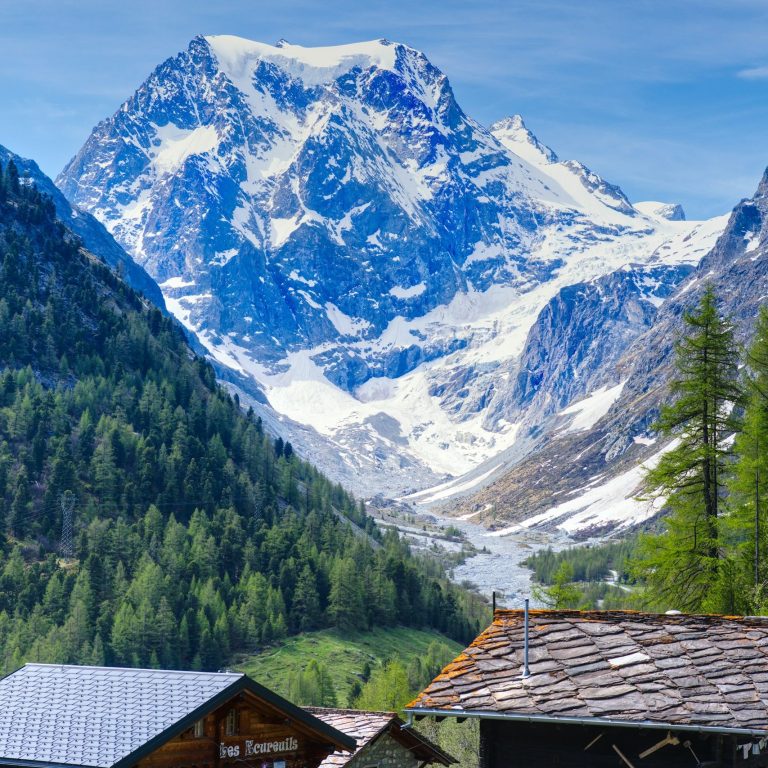
Arolla - Switzerland
Dead end from Sion - 38km, 1,704m elevation gain: The climb to Arolla from Sion is best approached from the striking Pyramids of Euseigne, avoiding the busier main road out of Sion. The initial stretch is relatively wide and straightforward, but the scenery soon improves beyond the first tunnel, with distant glacier views and the charming village of Les Haudères along the way. The route alternates between three distinct, steep ascents and flatter sections, making it more demanding than the profile might suggest. Several galleries and a long, narrow tunnel add to the mountain-road character of the ride. The reward is Arolla, a delightful high-Alpine village surrounded by glaciers and towering peaks, with a welcoming atmosphere shared by cyclists, hikers and mountaineers
2,108m
49
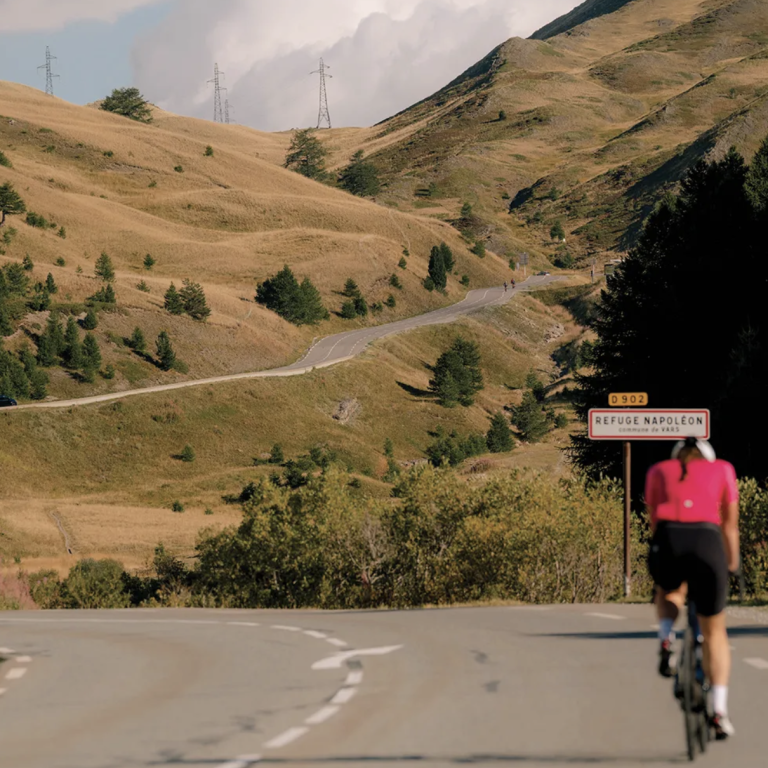
Col de Vars - France
Pass connecting Saint-Paul-sur-Ubaye and Guillestre: Frequently used pass in the TdF but has not been able to carve out a famous reputation. A 20km long road from Guillestre with a couple of shallow sections, the road travels through a number of lovely villages and not so lovely ski stations and is nearly entirely exposed in the open. The mountains are less high and the valley is wide open throughout.
2,106m
50
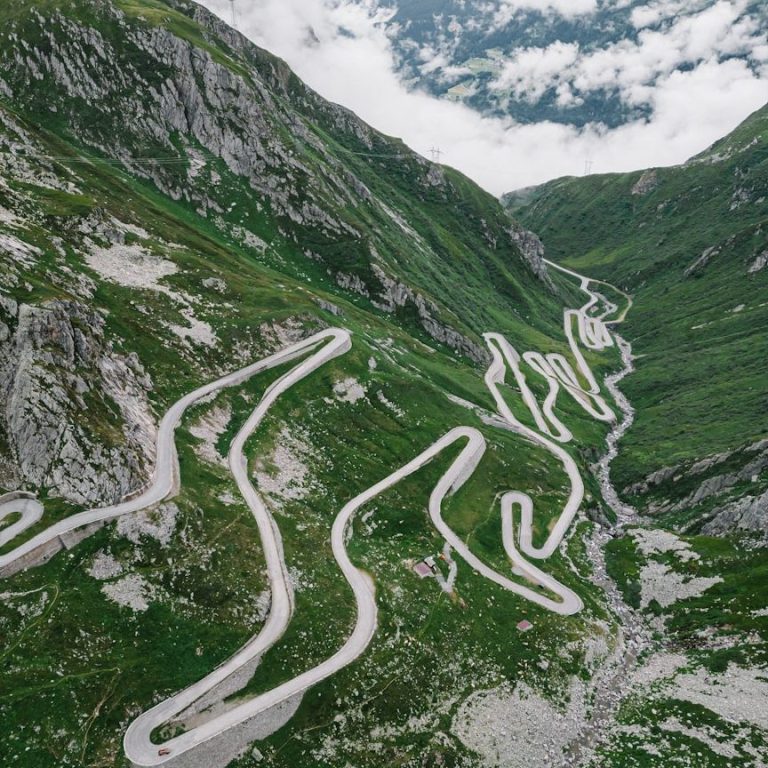
Sankt Gotthard Pass / Passo del San Gottardo- Switzerland
Pass connecting Motto Bartola and Brüggloch: The Gotthardpass is historic and had great significance over the centuries as a north-south connector. The old Tremolo road is cobbled and follows the historic route. This is the only way to experience this pass. Totally unique.
2,105m
51
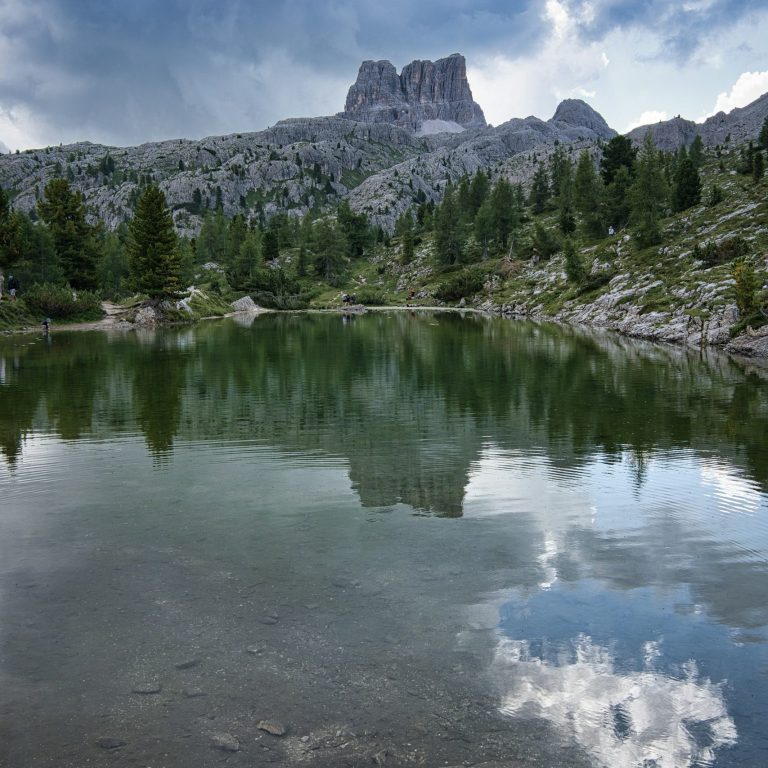
Passo di Falzarego - Italy
Pass connecting Andráz and Cortina d'Ampezzo, Passo Falzarego from Cortina d'Ampezzo is a climb often climbed in combination with Passo Giau. It is a category 2 climb and where the Giau is dramatic, the Falzarego is understated.
2,094m
52
Jaufenpass / Passo di Monte Giovo - Italy
Pass connecting Sterzing/Vipiteno and Sankt Leonhard in Passeier/San Leonardo in Passiria: The Jaufenpass is an important Alpine mountain pass in northern Italy connecting the towns of Sterzing (Vipiteno) and Meran (Merano). The pass has been used since ancient and medieval times for trade and local movement across the Alps. It is popular with tourists and motorbikes but well worth the ride.
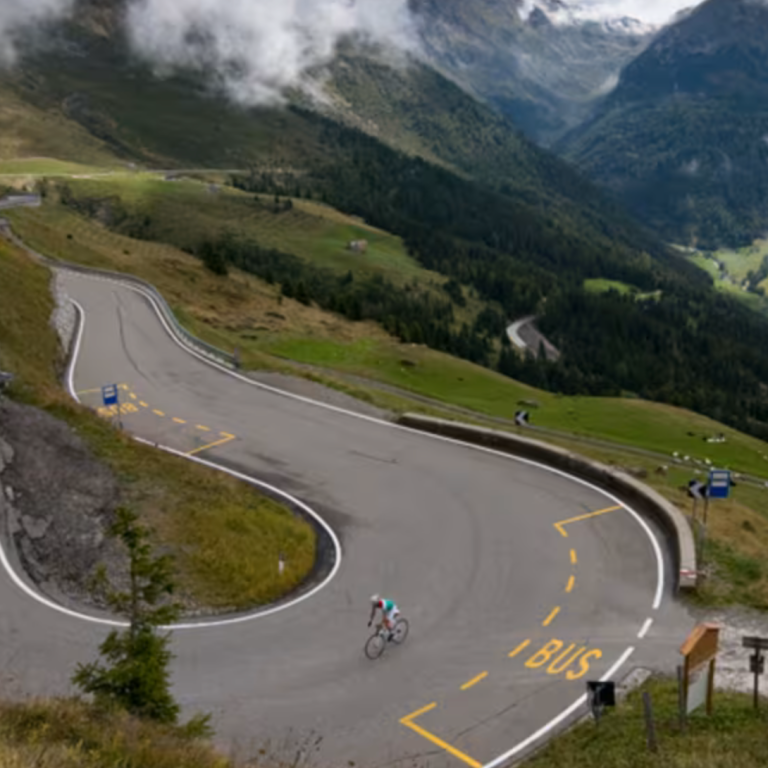
2,083m
53
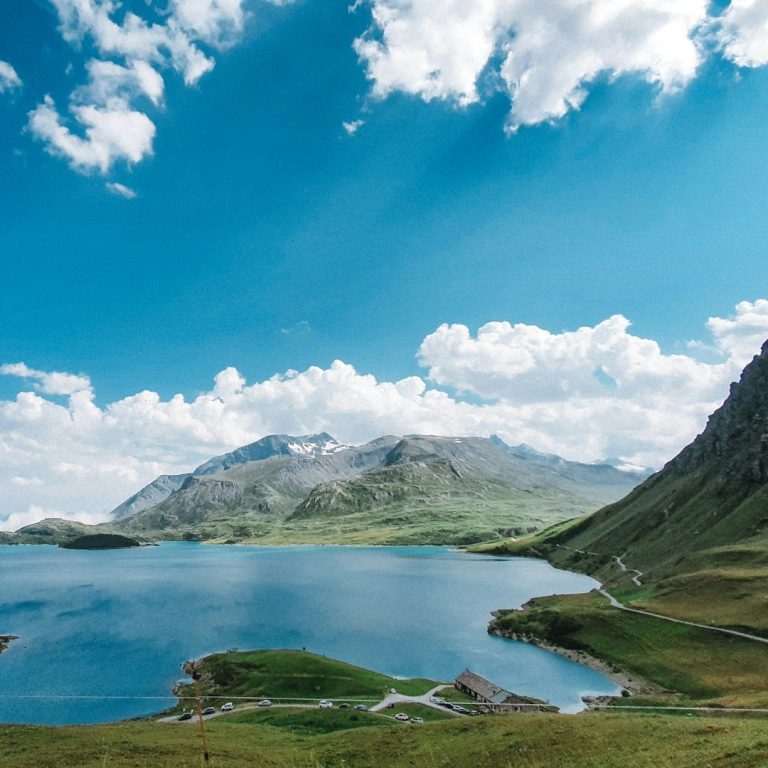
Col du Mont Cenis - France
Pass road connecting Lanslebourg and Susa: The Col du Mont Cenis is one of the great historic passes of the Alps. At 2,083 m, it has been used for thousands of years and, unlike many higher Alpine crossings, offered a relatively accessible route between northern Europe and the Italian peninsula. The high surrounding mountains of the Haute Maurienne, the lake at the top of the pass and the extension of the ride to the Col du Petit Mont Cenis make this a great place to visit.
2,067m
54
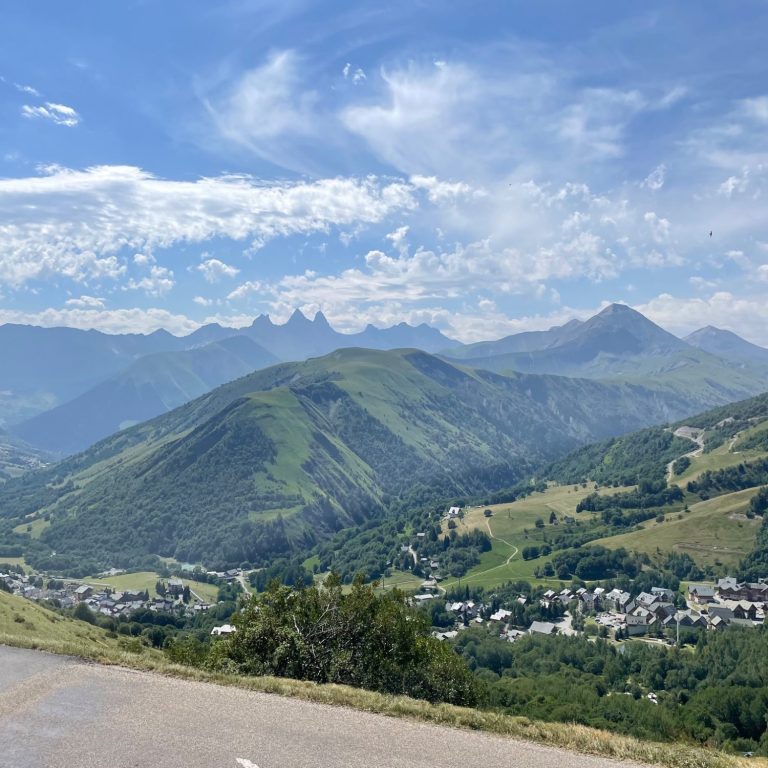
Col de la Croix de Fer - France
Pass connecting Le Bourg-d'Oisans and Saint-Jean-de-Maurienne: The Col de la Croix de Fer has mythical status in cycling terms. It can be climbed three ways - via the Col de Glandon and from St Jean de Maurienne from the north or from Allemond / Bourg d'Oisans form the south. Long and epic, the southern route is certainly the most remote.
2,065m
55
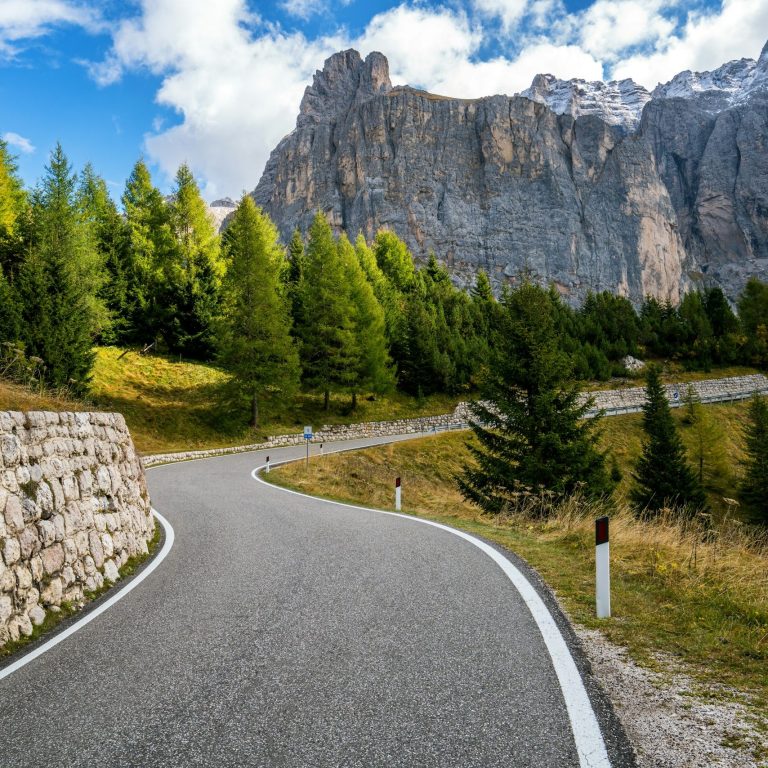
Passo del San Bernardino - Switzerland
Pass connecting Thusis and Bellinzona: The Passo del San Bernadino is a very busy transit route and picking a route that does not use the main pass road is very important. If you stay away from the traffic, this is a fantastic climb, well worth it.
2,058m
56
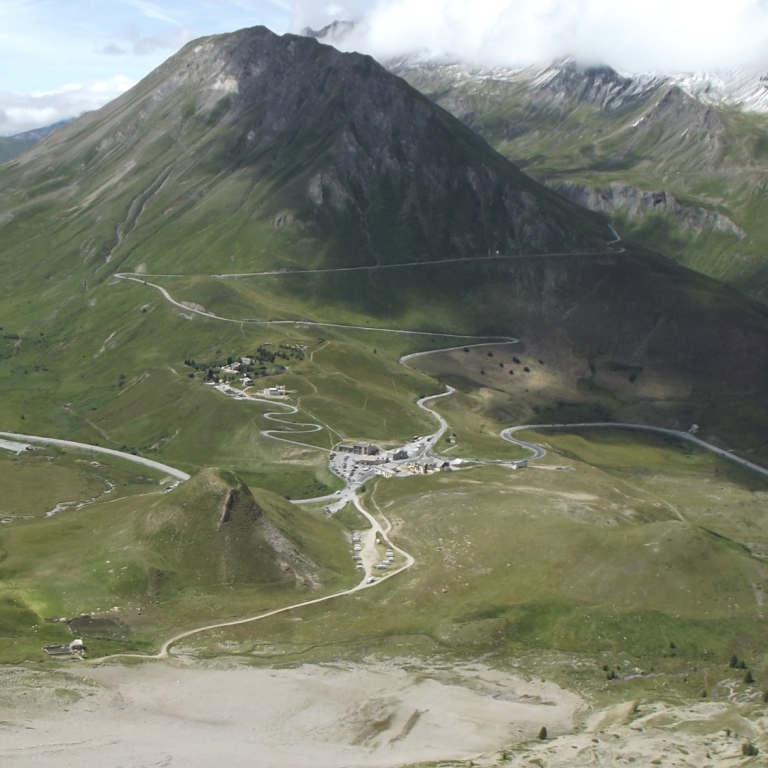
Col du Lautaret - France
Pass connecting Le Bourg-d'Oisans and Briançon: The Lautaret is often overlooked as a staging post to the Galibier and as it sits on the main road from Briancon to Bourg d'Oisans. True, it is not the most exciting climb but given its prominence in the Tour and as the Galibier's little sibling, it is very likely that you cross this pass when riding in France.
2,057m
57
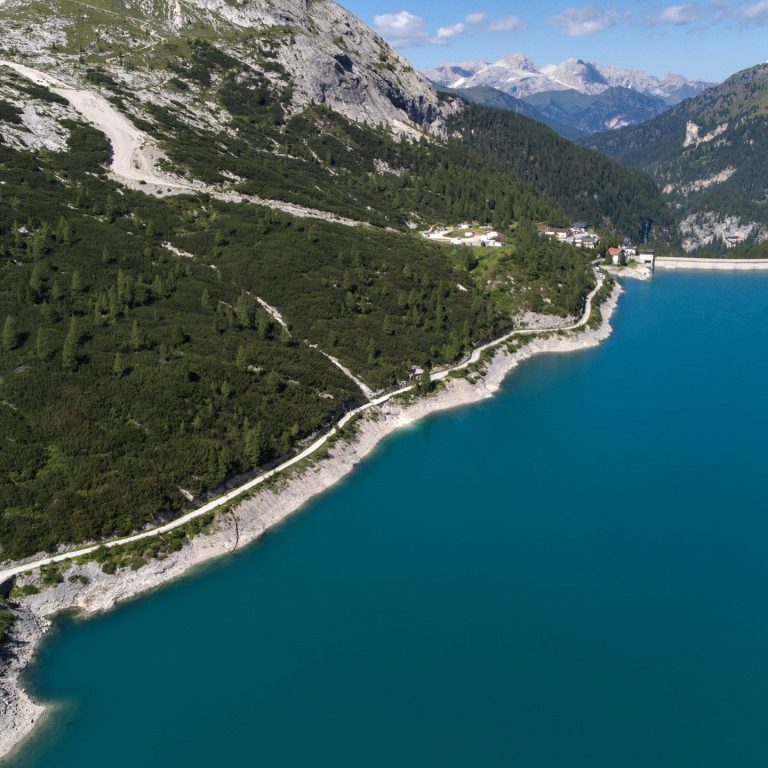
Passo di Fedaia - Italy
Pass connecting Canazei and Rocca Pietore: A road of two halves passing at the foot of the mighty Marmolada mountain which is the highest in the Dolomites. A lesser taxing ride from Canazei brings you close to the mountain with superbe panoramics and the climb from Rocca Pietore makes you relive Giro folklore, especially Marco Pantani's attack on the famously steep straight into the mountain.
2,049m
58
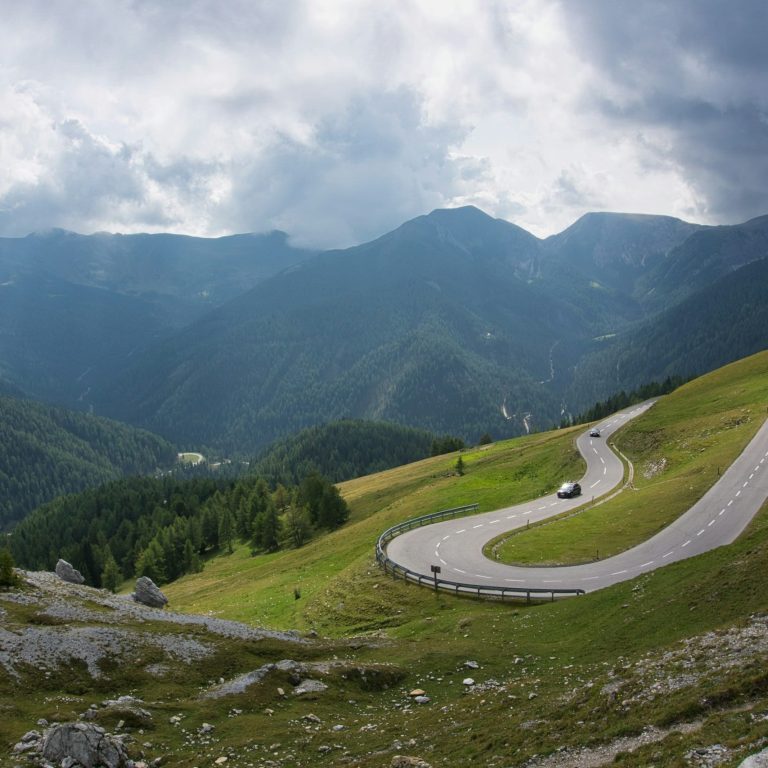
Nockalmstrasse (Eisenthalhöhe & Schiestlscharte) - Austria
Pass road connecting Kremsbrücke and Unter Winkel: Cycling the Nockalmstraße is a steady, moderate climb through forested valleys and gentle, grassy Alpine peaks of the Nockberge. The road winds smoothly with long curves, offering peaceful scenery, wildlife, and panoramic views, culminating at around 2,040 meters in a calm, high-mountain landscape. The entire road has 52 switchbacks which makes it also popular with the motorised folk.
2,048m
59
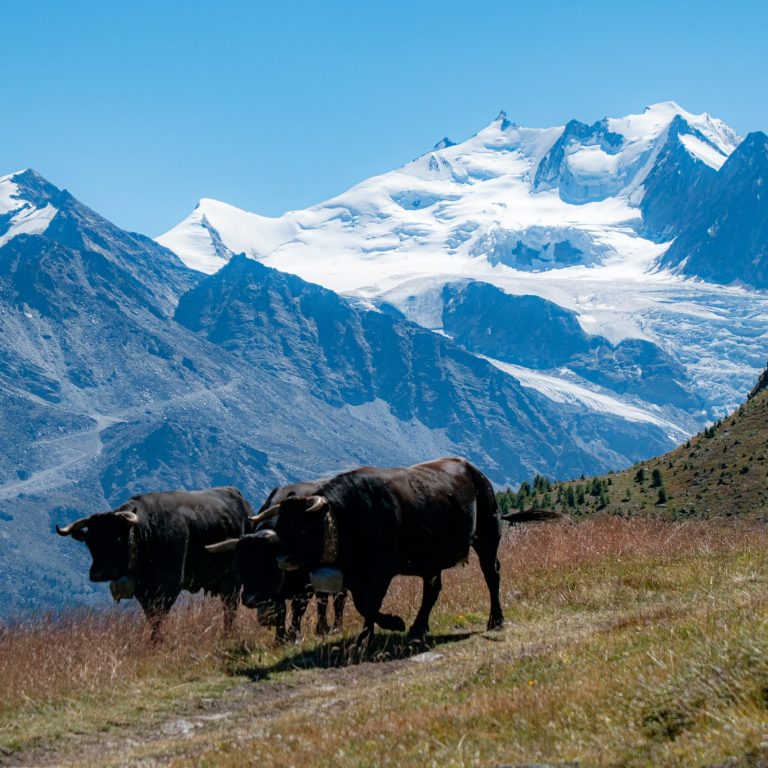
Moosalp - Switzerland
Pass road connecting Visp and Stalden - 18km, 1,400m elevation gain: The Moosalp from Visp is a challenging, sustained climb that winds through mountain villages and a succession of hairpins. Traffic can be busy on the lower slopes, but the ride becomes increasingly rewarding as you gain height and the Alpine scenery opens up. The section through Bürchen is particularly steep, with gradients exceeding 11% on parts of the upper climb, leaving few opportunities to recover. The magnificent descent towards Törbel and Stalden is a real highlight
2,047m
60
Passo Manghen -Italy
Pass connecting Borgo Valsugana and Molina di Fiemme: Unlike the grand, sweeping highways of some Alpine passes, Manghen is narrow and twisting, climbing through dense forest in tight, rhythmic switchbacks. The gradients are consistently steep, often biting into double digits, and there is little chance to fully relax. As you gain height, the trees thin and the views suddenly open to reveal the wild Lagorai range. Top pass!
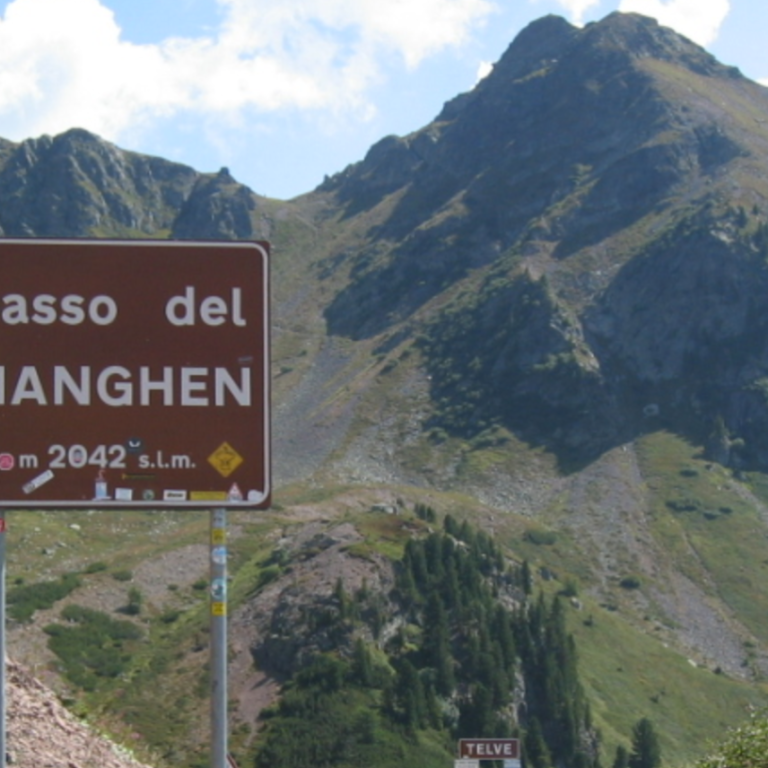
2,044m
61
Oberalp Pass - Switzerland
Pass road connecting Göscheren and Disentis - 16km, 943m elevation gain: The Oberalp Pass from Andermatt is a steady, relatively manageable climb, with gradients averaging around 6% and a series of hairpins leading out of the valley. The initial ascent is steep in places, but the road eases near the railway station, opening up views across the high valley towards the summit. The road surface is generally excellent, making for a smooth descent towards Disentis. At the summit, the distinctive red lighthouse symbolically marks the source of the Rhine. For a bigger day in the saddle, continue towards Disentis and turn south over the Lukmanier Pass, finishing with a train journey from Biasca.
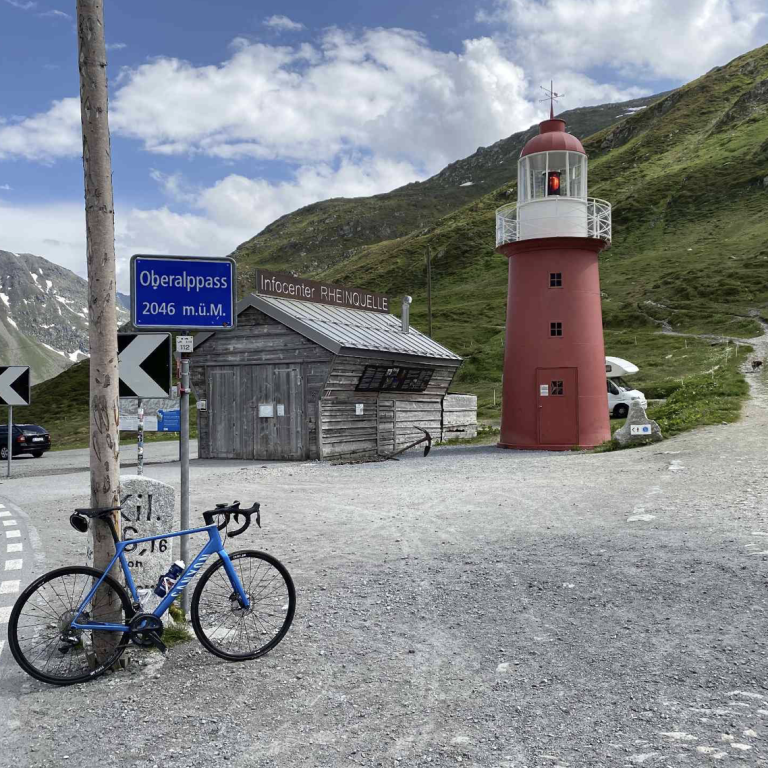
2,036m
62
Bieler Höhe - Austria
Pass connecting Montafon in Vorarlberg and Paznaun in Tirol: The Silvretta Hochalpenstrasse was built to service the two reservoir lakes on route to the Bieler Höhe. The result is a wonderfully flowing road from Partenen in the Montafon. A true gem to ride, especially in the off season when the traffic has died down.
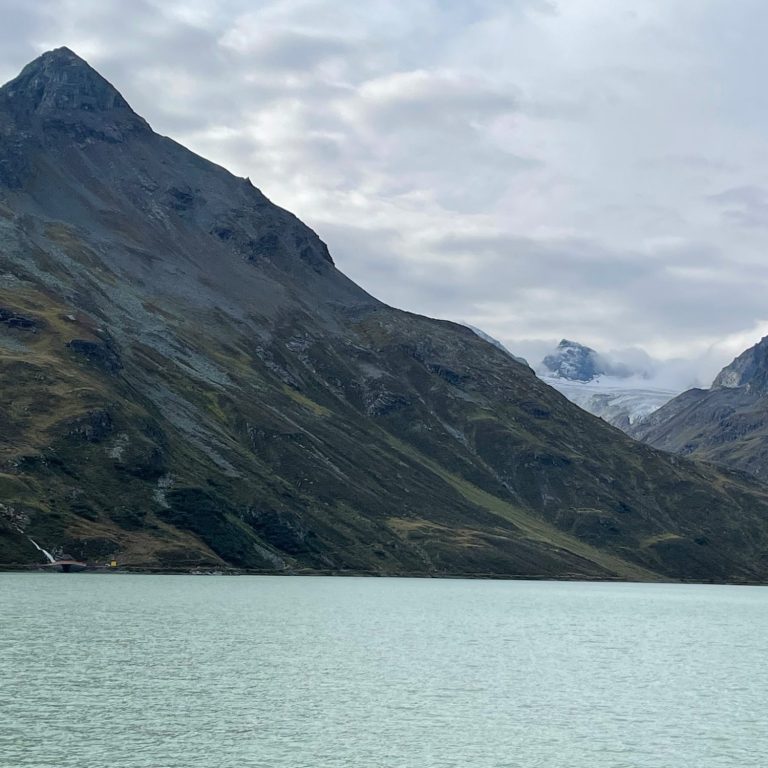
2,020m
63
Zillertaler Höhenstrasse, Melchboden - Austria
Pass road system with climbs from Hippach and either Zellberg, Aschau im Zillertal, Ried im Zillertal or Kaltenbach: What used to be a track connecting the mountain villages became a steep and somewhat brutal road high above the Zillertal valley. The Zillertaler Höhenstrasse is paved but retains much of that alpine track character and is a tough road to ride, whatever way you chose to ride up.
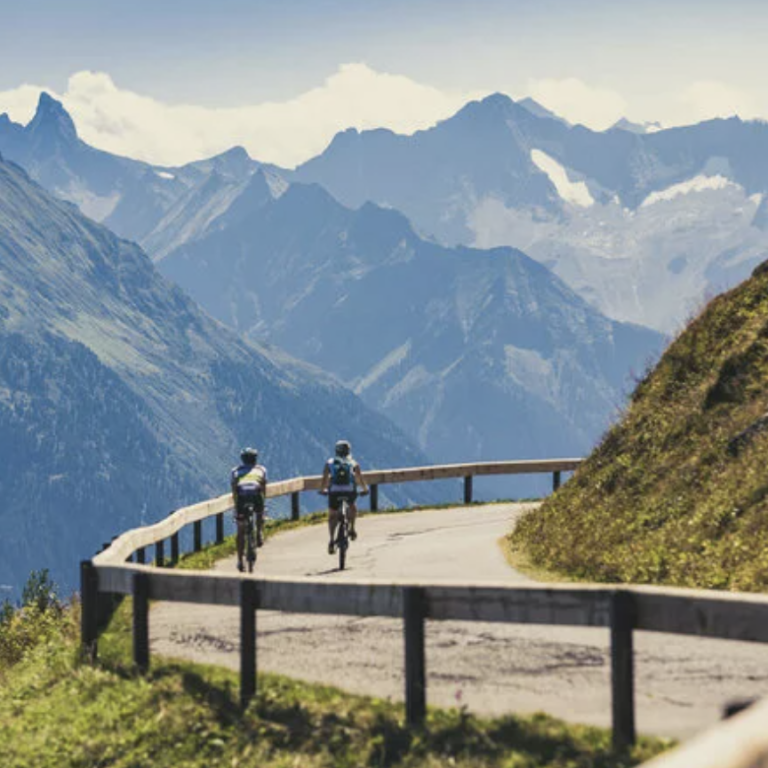
2,017m
64
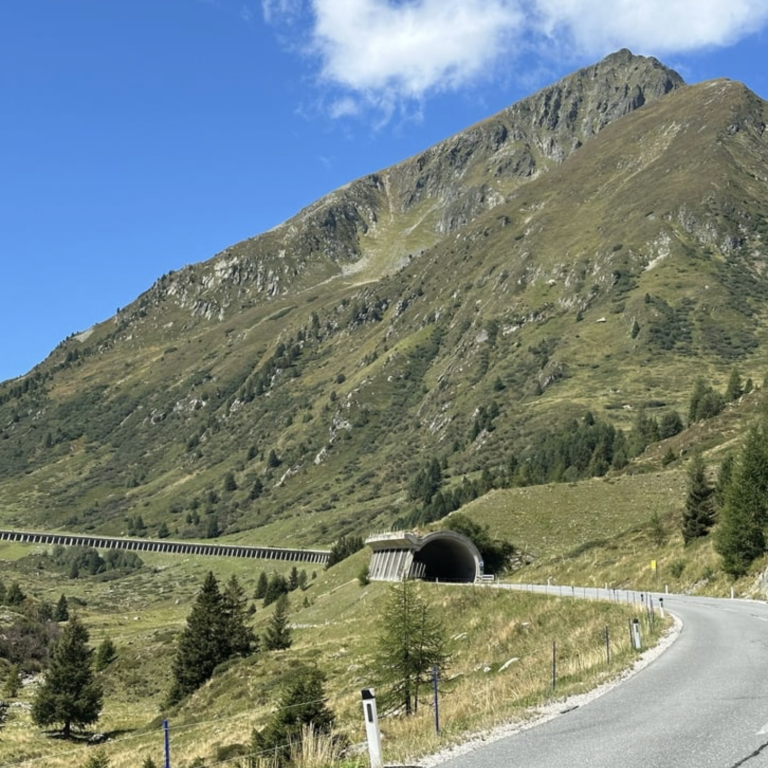
Kühtaisattel - Austria
Pass connecting Ötz and Gries im Sellrain: Cycling the Kühtaisattel is a sustained, no-nonsense alpine climb that rewards persistence more than flair, it is a long, steady climb from the Ötztal that maintains a firm, consistent gradient with few breaks. Rising through forest into open alpine terrain, it’s a serious test of pacing and endurance.
2,006m
65
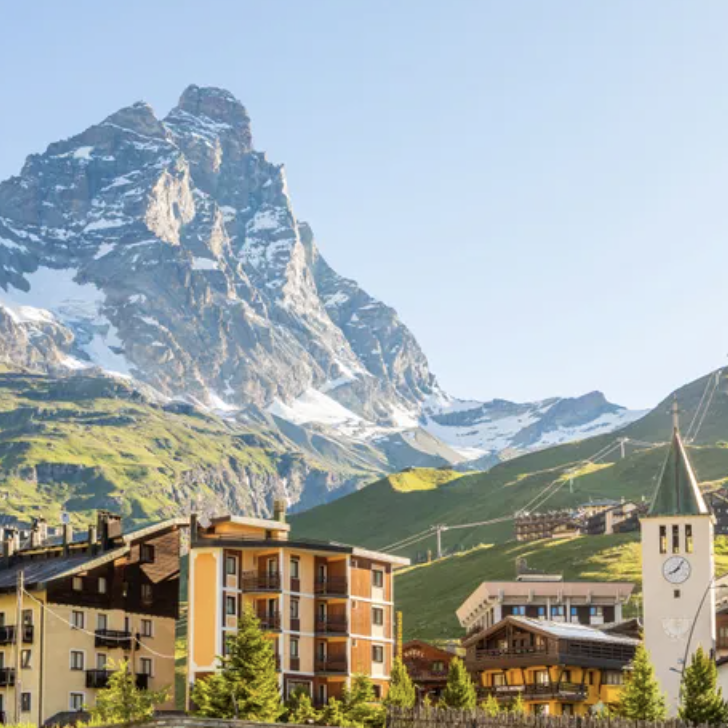
Breuil Cervinia - Italy
Dead end from Châtillon: The last village in this valley used to be Valtournenche before Cervinia was built as a ski station. The first expedition to climb the Matterhorn (or Cervin in Italian) started from Valtournenche and the mountain dominates the valley. The ride to Cervinia brings you as close to the mighty Matterhorn as a road can. Wonderful!
2,006m
66
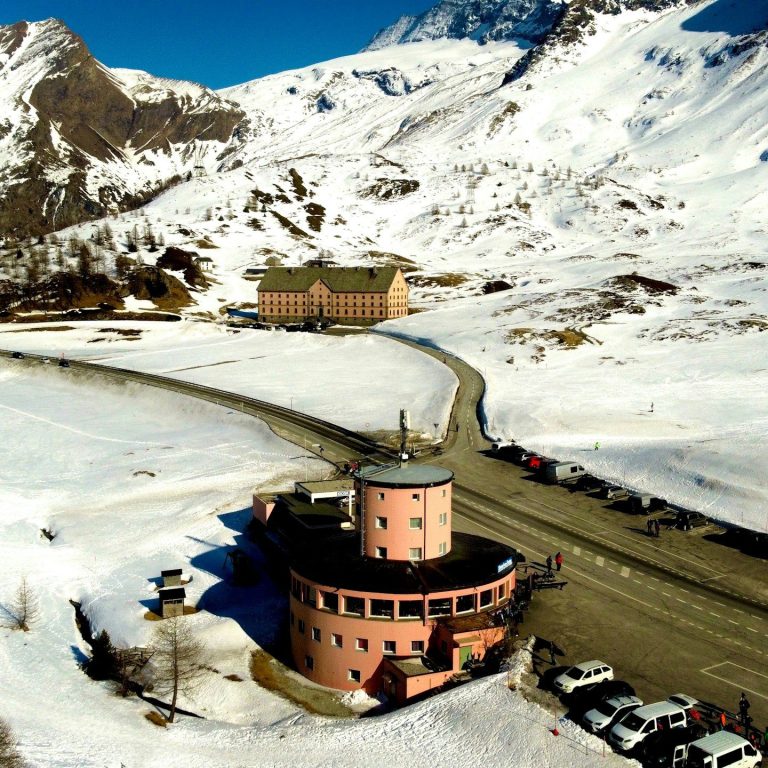
Simplonpass / Passo del Sempione - Switzerland/Italy
Pass connecting Brig, Switzerland and Domodossola, Piedmont: The Simplonpass is included here due to its historic significance as a key pass road over the centuries. It is busy though.
Under 2,000m
Epic Cycling Climbs in the Alps under 2,000m
There are countless roads under 2,000m elevation and many of those are swallowed up in trees reducing the vistas available. These roads are not necessarily easier to climb and gradients can be prohibiting. There are a number of real gems and must ride roads that stand out from the crowd either due to their unique location, cycling heritage, engineering or grand surroundings.
1,993m
67
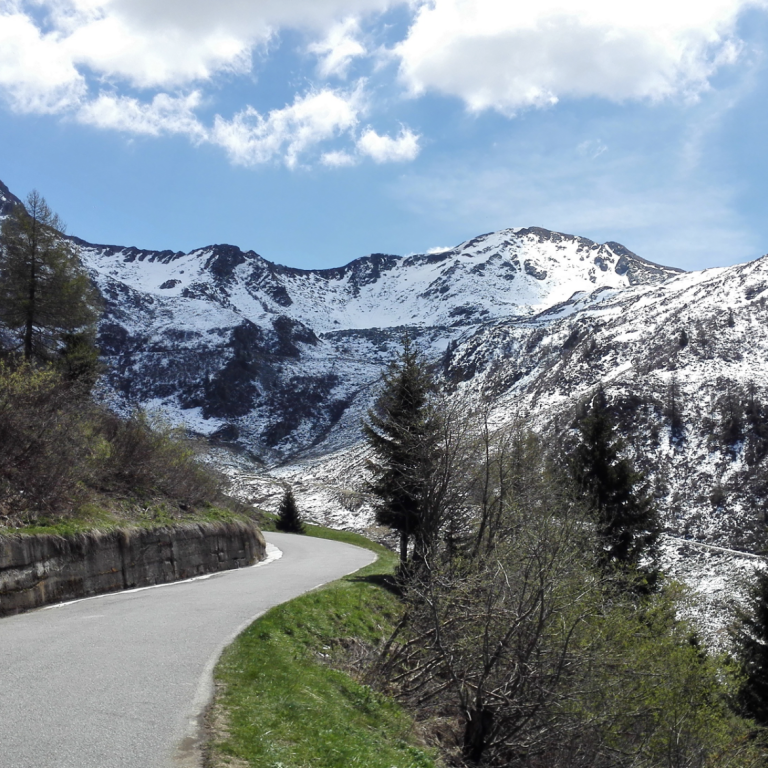
Passo di San Marco - Italy
Pass connecting Morbegno with Olmo al Brembo: Preeminent pass connecting the Valtelina with the Bergamo alps. A wonderful example of the road that starts and ends in a different ecosystem. A really hidden gem of a climb.
1,991m
68
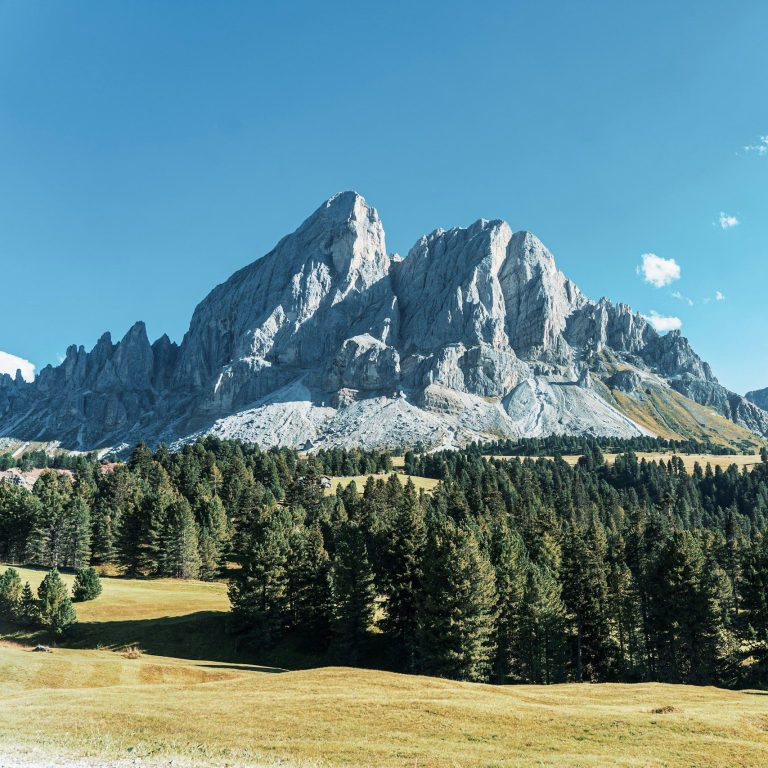
Würzjoch/Passo delle Erbe - Italy
Pass with multiple ascends: A personal favourite of mine and I think a must ride for anyone. Best to try a number of the five routes to the top which is topped off by a great view of the Peitlerkofel mountain.
1,980m
69
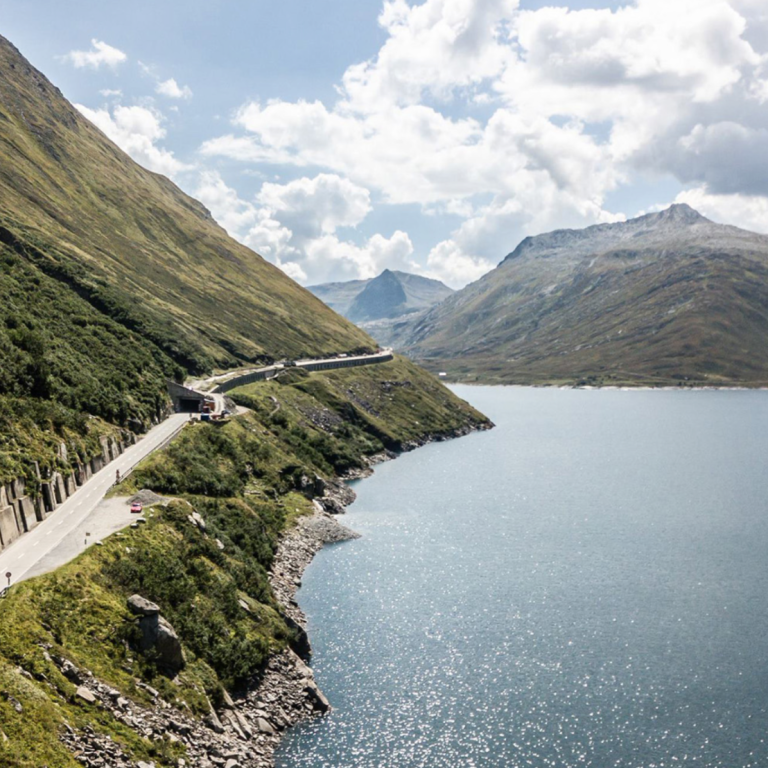
Lukmanier Pass - Switzerland
Pass road connecting Disentis and Blenio - 17km, 912m elevation gain: The Lukmanier Pass from Disentis is a rewarding ride through a beautiful mountain valley, beginning with a steep ascent through a wooded gorge, where waterfalls and dramatic rock faces create an atmospheric start. The gradient soon eases, allowing you to enjoy the quieter middle section, with its picturesque villages, traditional wooden huts and lovely views across the valley. Traffic is often light, adding to the sense of tranquillity, although a headwind can make the ride more challenging. Beyond the pass, the landscape takes on a distinctly Italian character, with warmer temperatures and changing vegetation making the descent towards Ticino a fitting finale.
1,969m
70
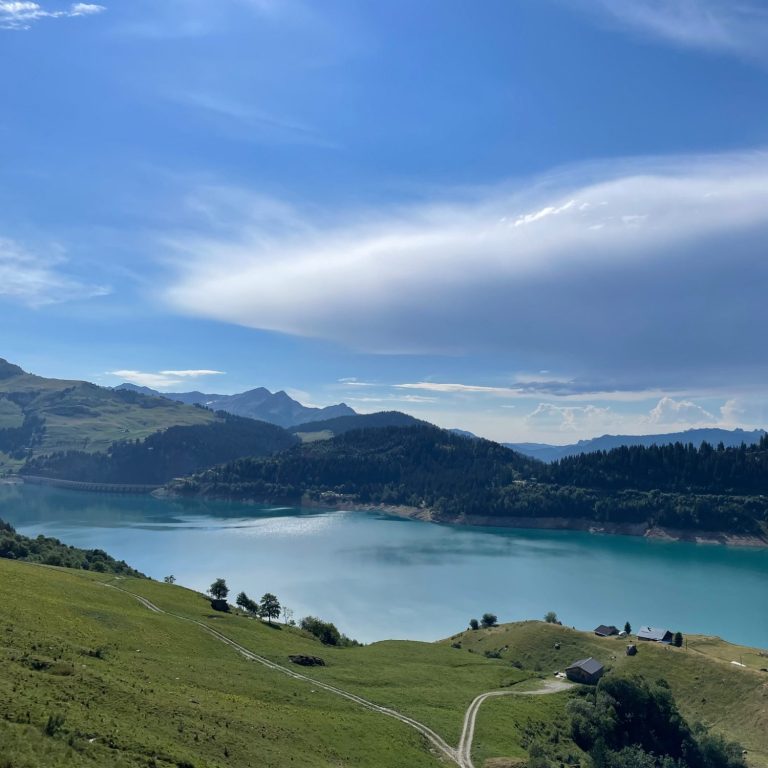
Cormet de Roselend - France
Pass connecting Beaufort and Bourg Saint Maurice: Famous Tour de France pass combining mountain, water and sky and links the mountainous run-off towards the Lake Geneva to the north with the cycling heartland of the Tarentaise and Maurienne valleys to the south. This is a lovely, dream like saddle to ride from any of the three ways up.
1,967m
71
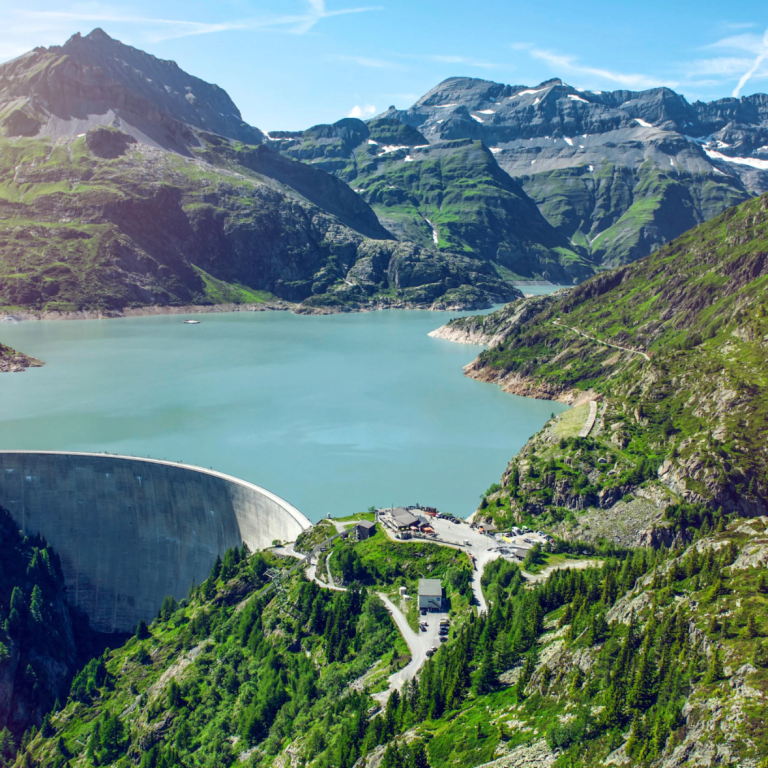
Lac d'Emosson - Switzerland
Dead end from Route de Forclaz - 11km, 903m elevation gain: The climb to Barrage d’Émosson is a spectacular Alpine challenge, beginning relatively gently before settling into a long, sustained ascent with gradients around 9% and a particularly demanding finish. The narrow, winding road is often remarkably quiet, allowing you to concentrate on the climb and enjoy increasingly impressive views across the mountains, including the Mont Blanc massif. At the summit, the immense dam and turquoise lake provide a magnificent reward, with a restaurant offering a welcome opportunity to refuel. If you still have energy to spare, continue beyond the main dam towards the old dam higher up the mountain, where the views are even more impressive. The road can be bumpy in places, so take care on the descent
1,966m
72
Grosse Scheidegg - Switzerland
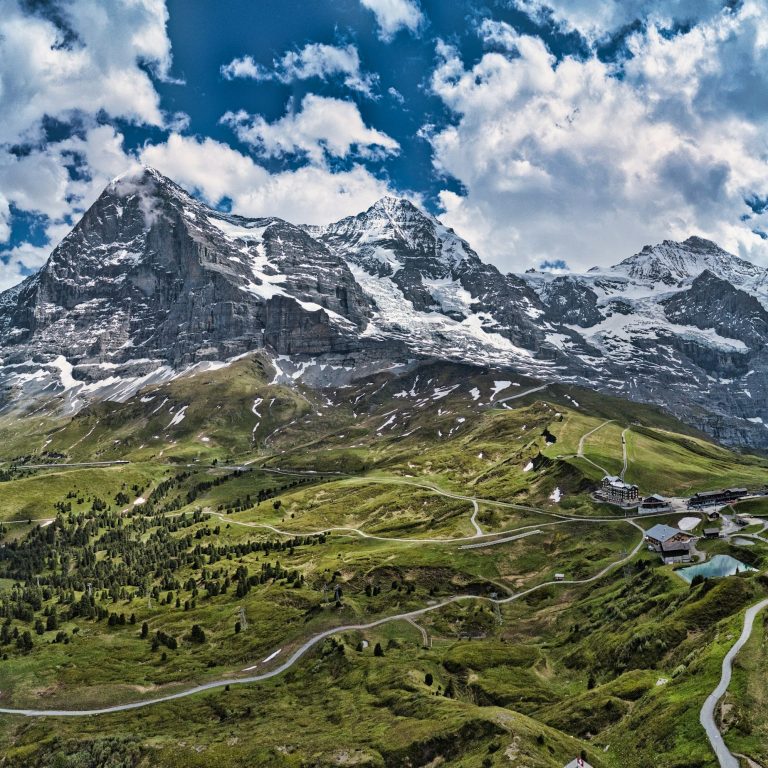
The Grosse Scheidegg is with 1,966m just under the 2,000m mark but opens up views on the Eiger, Scheidegg and other great mountains. The road is partly traffic free which makes it the highest cycle path I know of. Both sides of the climb are equally mesmerising. From Meringen the climb is 16.1km long and climbs 1,270m with an average gradient of 7.9%, the Grindelwald side is shorter but steeper.
1,963m
73
Mauvoisin Reservoir - Switzerland
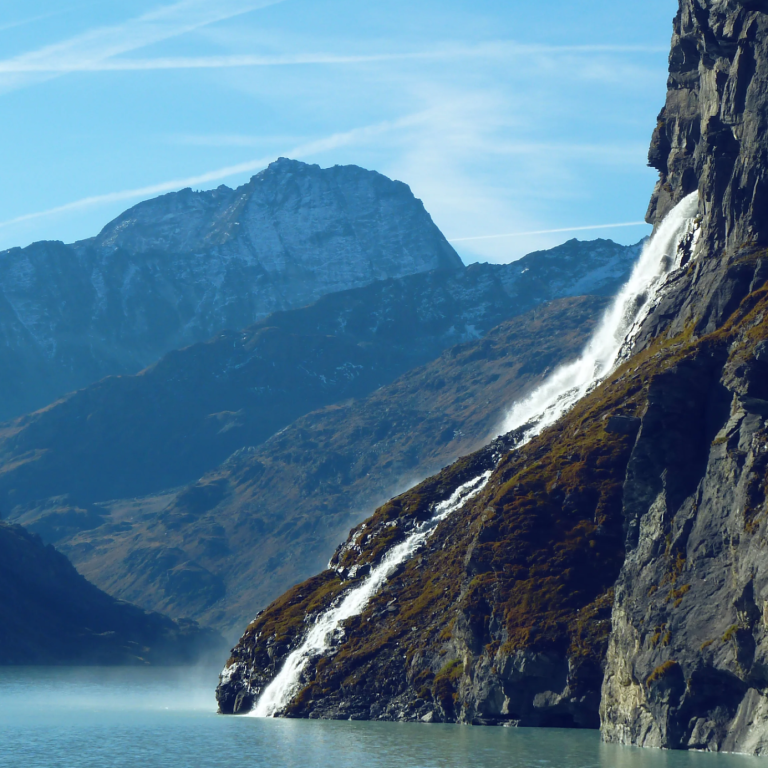
Dead end from Sembrancher - 25km, 1,283m elevation gain: The climb to Barrage de Mauvoisin from Sembrancher is a demanding but beautiful ride into the heart of Val de Bagnes, a valley renowned for its traditional villages and raclette cheese. The initial stretch towards Le Châble can be busy, with limited road space, but the route becomes much quieter and more rewarding once you turn into the valley. The ascent alternates between steep ramps and gentler sections, passing small villages where cafés offer opportunities to stop along the way. Four short tunnels punctuate the climb, including a longer, narrow tunnel near the top that requires particular care. The reward is the impressive Mauvoisin dam, set amid dramatic mountain scenery, although the summit can be exposed and windy.
1,959m
74
Colle San Carlo - Italy
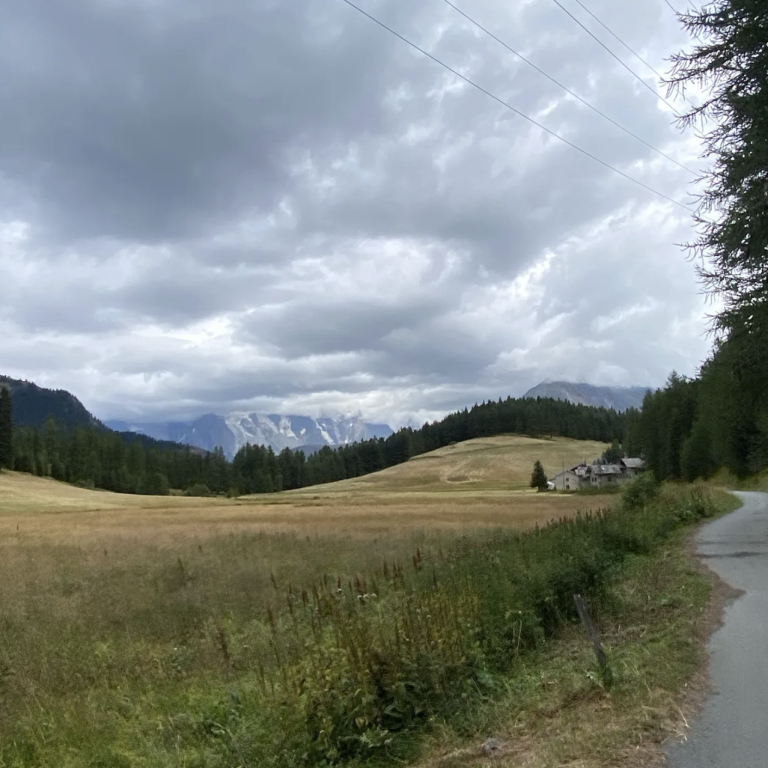
Pass connecting Morgex with La Thuile: This is a famous Aosta climb, offering a tougher alternative route to the Little St Bernhard pass through a hidden forrest in virtual solitude. This road is not to be underestimated but the tranquility makes up for the burning legs.
1,941m
75
Torri di Fraele - Italy
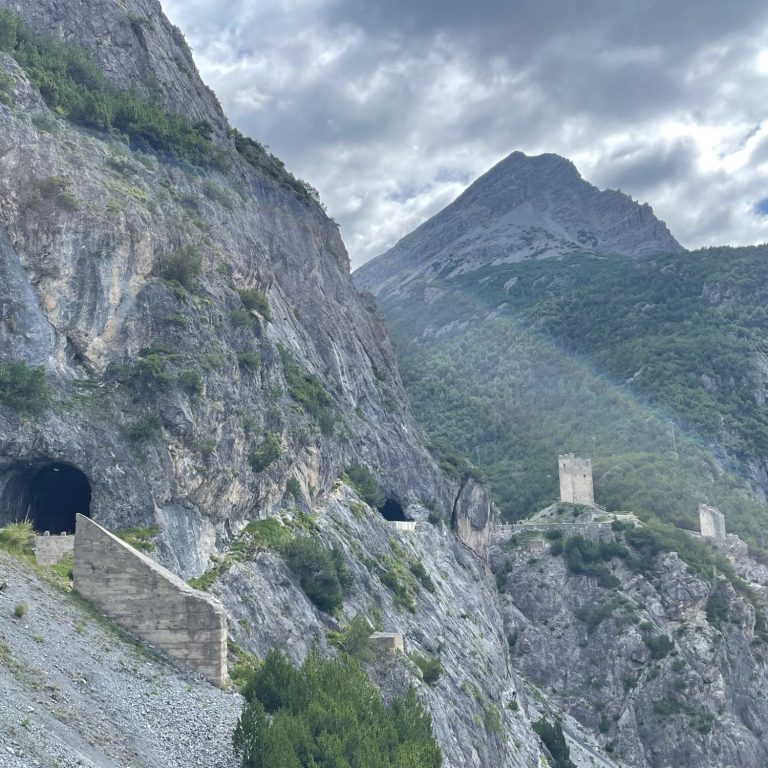
Dead end from Turri Piano: Italian version of the Lacets de Montvernier, this is a rickety road winding its way up to a couple of medieval towers in 21 switchbacks which come in quick succession. Totally unique ride in a great setting.
1,925m
76
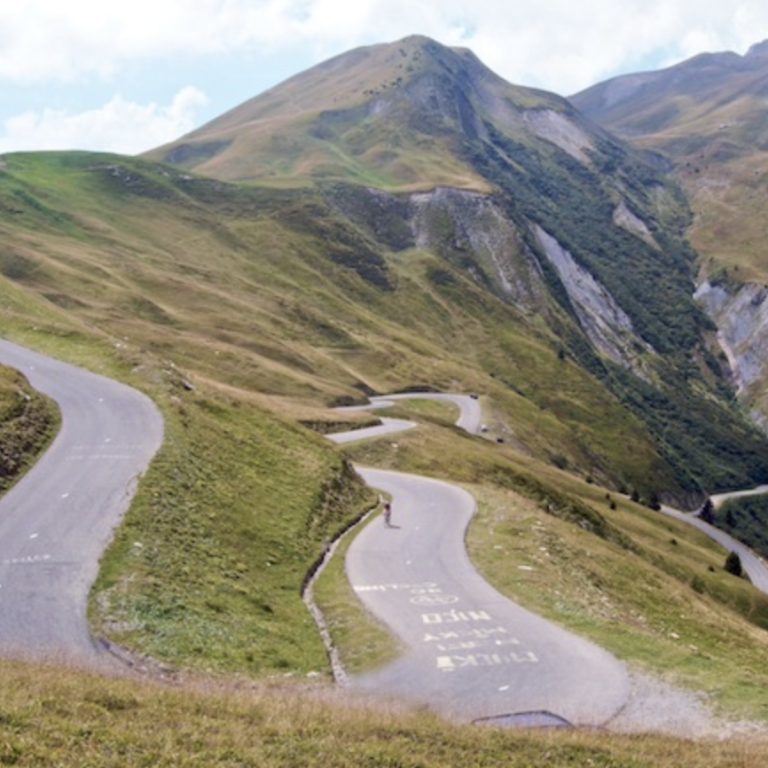
Col de Glandon - France
Pass connecting La Chambre and Bourg d'Oisans: Another Tour favourite both on the men's and women's tour. And you can see why as the road winds itself through and ever bleaker surrounding to the top. The Glandon combines the history of the Tour with absolutely fabulous nature and surrounding. Gradient alert here though
1,909m
77
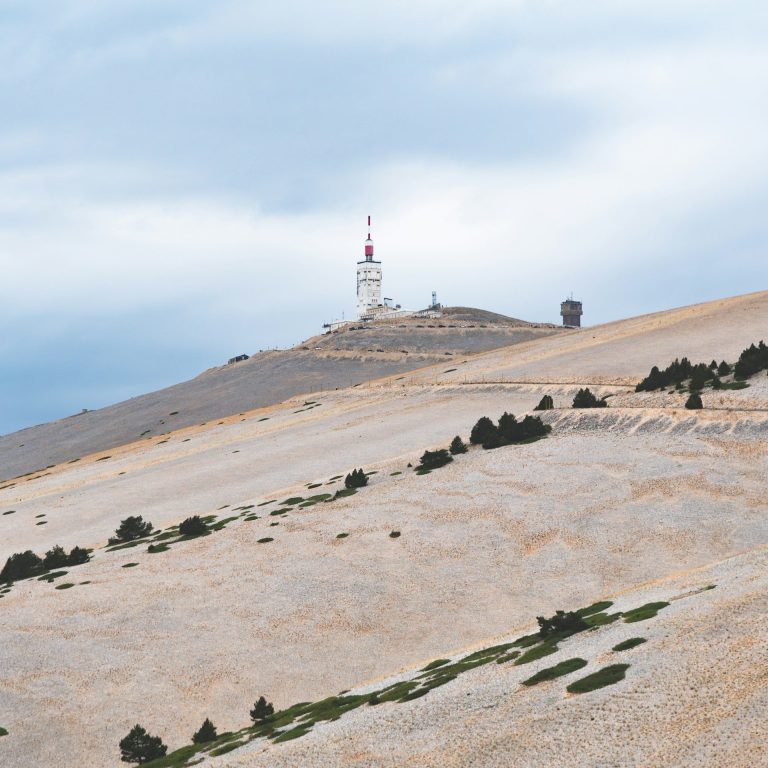
Mont Ventoux - France
Pass with multiple ascends: Another Tour favourite and an one of the most iconic and unique mountain. The mountain was formerly wooded but deforestation from the 12th century onwards left it with a white cap as if in permanent snow. Called the giant of the Provence, Mont Ventoux has such a fabled Tour de France history that this is not only a bucket list climb but just a much ride for any cycling fan. The mistral winds make this ride specifically tricky.
1,894m
78
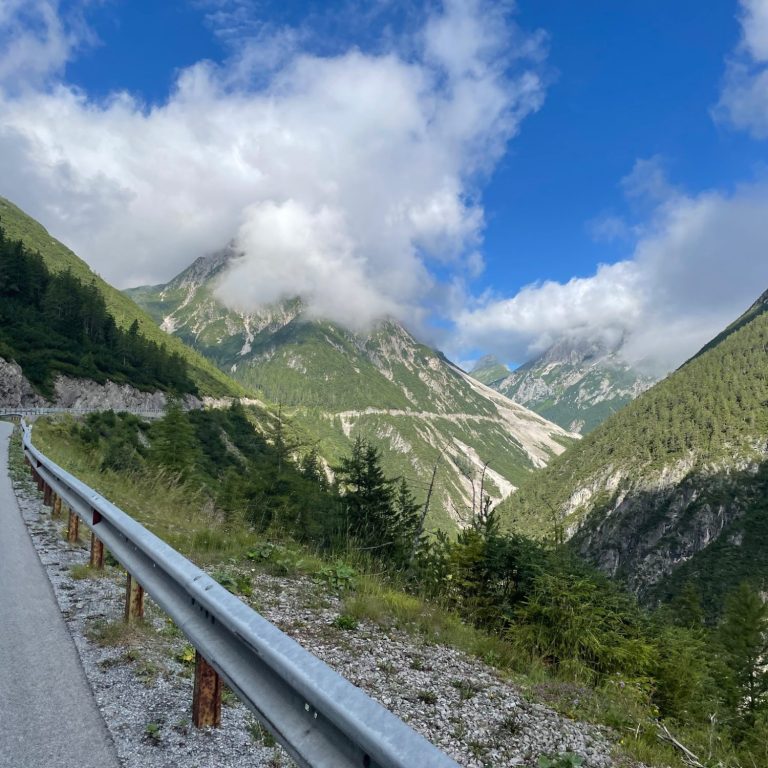
Hahntennjoch - Austria
Pass connecting Elmen and Imst: Not an obvious contender to be on this list, but I really like riding this pass. There is an industrial feel about this road as it cuts across scree fields along a tight valley. This is also a tough road as they are quite common in Austria.
1,887m
79
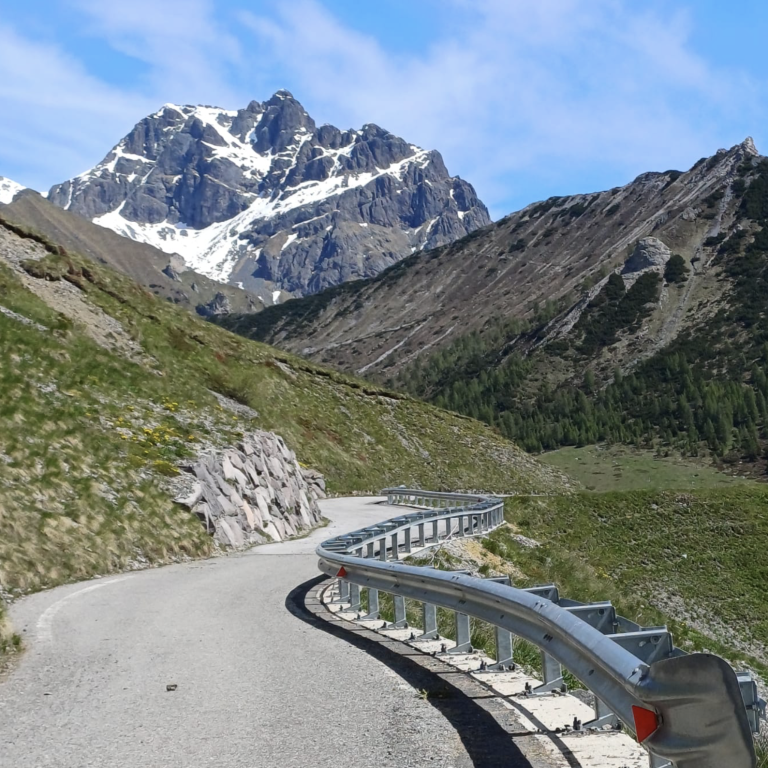
Passo di Croce Domini - Italy
Pass connecting Breno with Bagolino: Located in the alpine foothills in the Bergamo Alps, this pass is a real leg breaker. With over 1,600m of climbing, this little known pass offers solitude and wonderful scenery.
1,868m
80
Passo Mortirolo - Italy
Pass multiple ascends: Legendary Giro d'Italia pass, featuring more frequently as the weather on its bigger brothers, the Gavia and Stelvio is unpredictable in June. It is a leg breaker and the satisfaction of riding the Mortirolo comes from having ridden and conquered it. There some nice passages on the ascend from Tiolo though and the tarmac is generally in good condition.
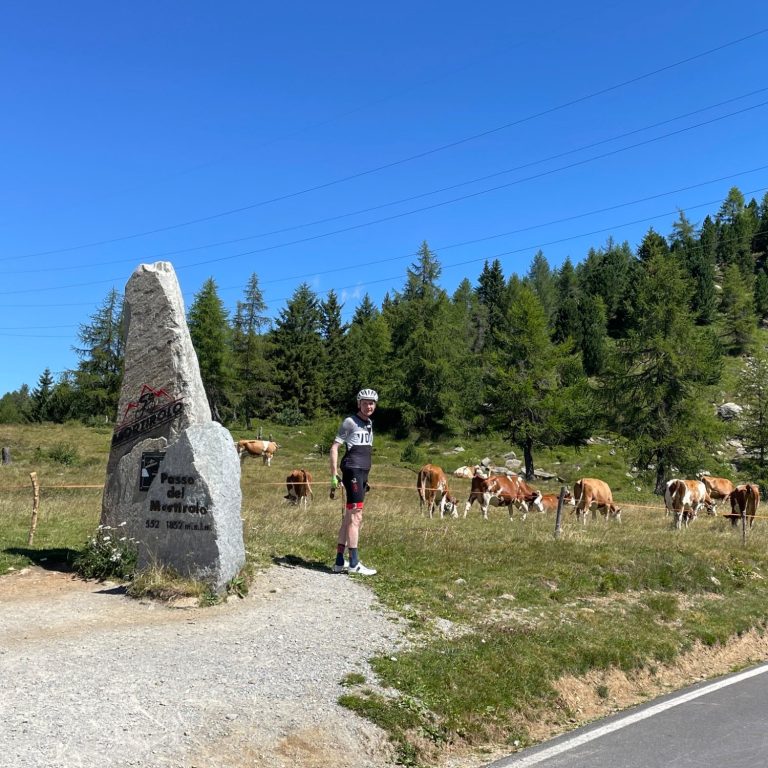
1,840m
81
Alpe d'Huez - France
Dead end from Bourg d'Oisans: Alpe d'Huez has to be on this list as it is probably the most famous mountain finish in the Tour de France. There is competition for this crown by newcomers like Col de la Loze but Alpe d'Huez is the undisputed heavyweight here. The switchbacks are famous as are the cycling battles that happened on these slopes. The end of the ride is fittingly placed on the finish line of the TdF stage. One dampener is that after all this effort, you will only arrive in a ski resort but maybe the occasion of having completed on of the most famous ascends in world cycling outweighs the lack of dramatic landscape.
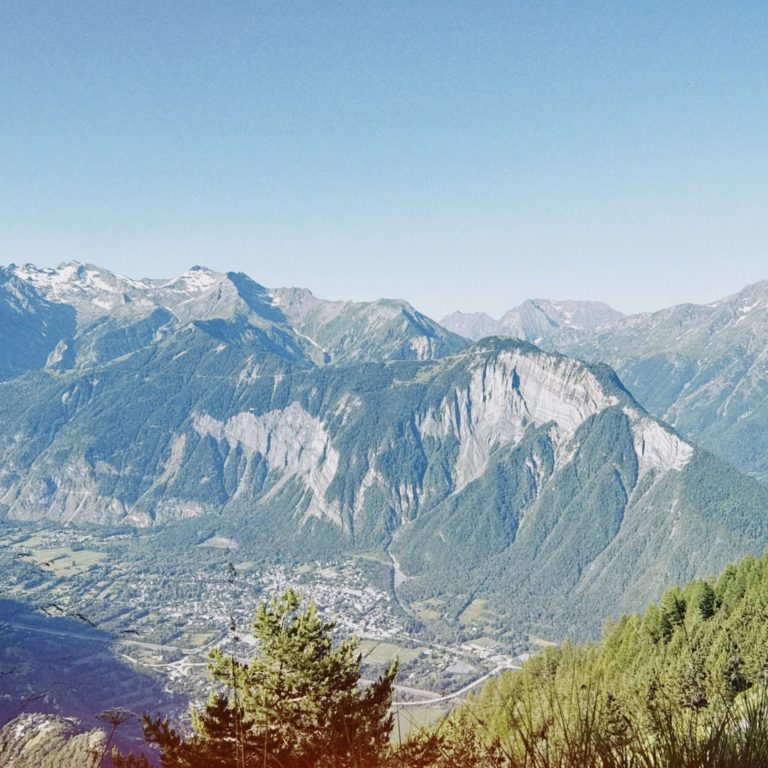
1,827m
82
Passo del Vivione - Italy
Pass connecting Forno d'Allione and Schilpano - 20km 1,370m elevation gain: The Passo del Vivione from Forno d'Allione is a beautiful, relatively quiet climb through changing landscapes, with narrow roads, forested sections and increasingly spectacular mountain views near the summit. The gradient is often irregular, making it difficult to find a rhythm, before the final 5–8 km settle into a sustained, punishing ascent, frequently above 10%. The scenery and sense of remoteness make the effort worthwhile, although the road surface is uneven in places and the narrow, unprotected descent calls for care.
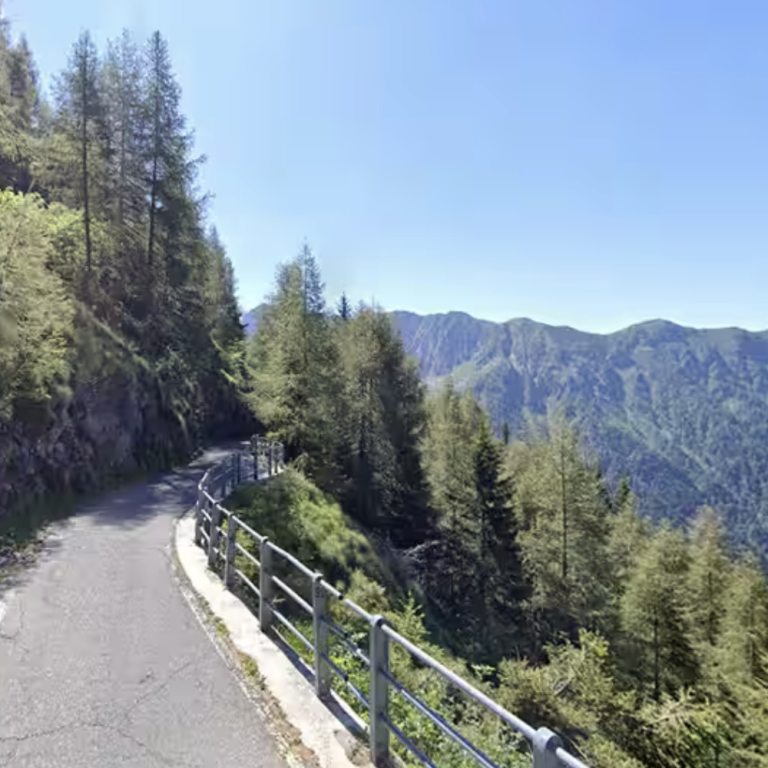
1,815m
83
Maloja Pass - Switzerland/Italy
Pass connecting Silvaplana and Chiavenna (Italy) - 33km, 1,488m elevation gain: From Chiavenna, the Ciclabile Valchiavenna offers a scenic, traffic-free start to the Maloja Pass, avoiding the busy main road for the first 10 kilometres of the Italian ascent. This signposted cycle route follows the Mera river upstream from Chiavenna, crossing bridges and passing Lago di Villa di Chiavenna and San Barnaba, with a few short, punchy ramps along the way. A bridge near the lake returns you to the main road for the climb into Switzerland. Traffic on the remaining ascent can be unpredictable: weekends bring fewer lorries but more tourists, while an early start before 8 am or a late finish after 6 pm on weekdays may offer a quieter ride.
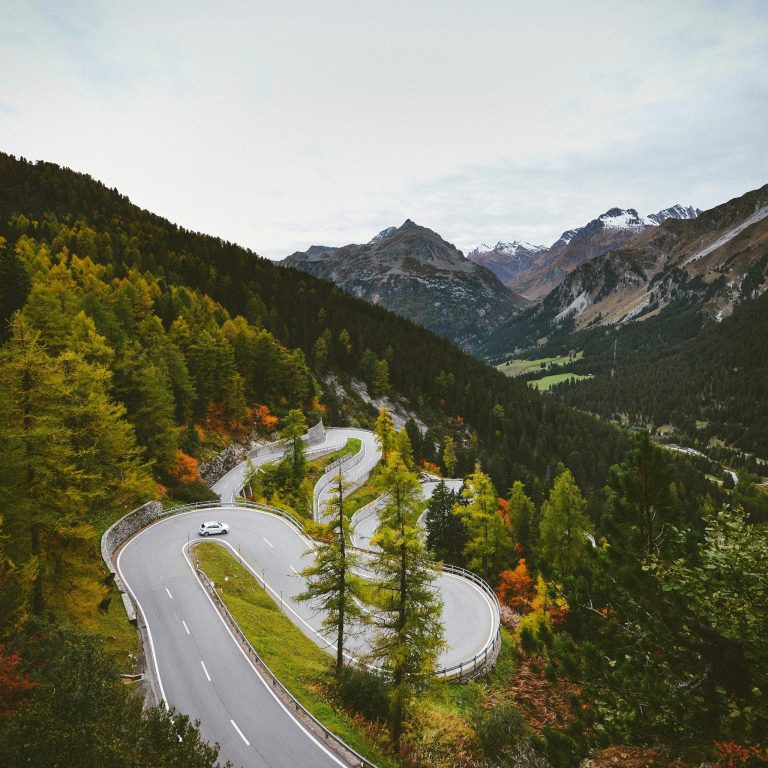
1,786m
84
Val de Ferret - Switzerland
Dead end from Orsieres - 16km, 911m elevation gain: The climb through Val Ferret from Orsières is a wonderfully scenic ride, with mostly gentle gradients and only occasional short ramps reaching around 11%. The road becomes increasingly beautiful as it winds deeper into the valley, passing flower-filled meadows, mountain streams and traditional villages beneath towering Alpine peaks. Traffic is often light, allowing you to savour the surroundings, and a short tunnel has a separated cycling lane on the ascent. At La Fouly, stop at the Auberge des Glaciers for refreshments and superb views of the nearby glacier. With its manageable gradients and magnificent mountain scenery, Val Ferret is a climb to enjoy rather than endure
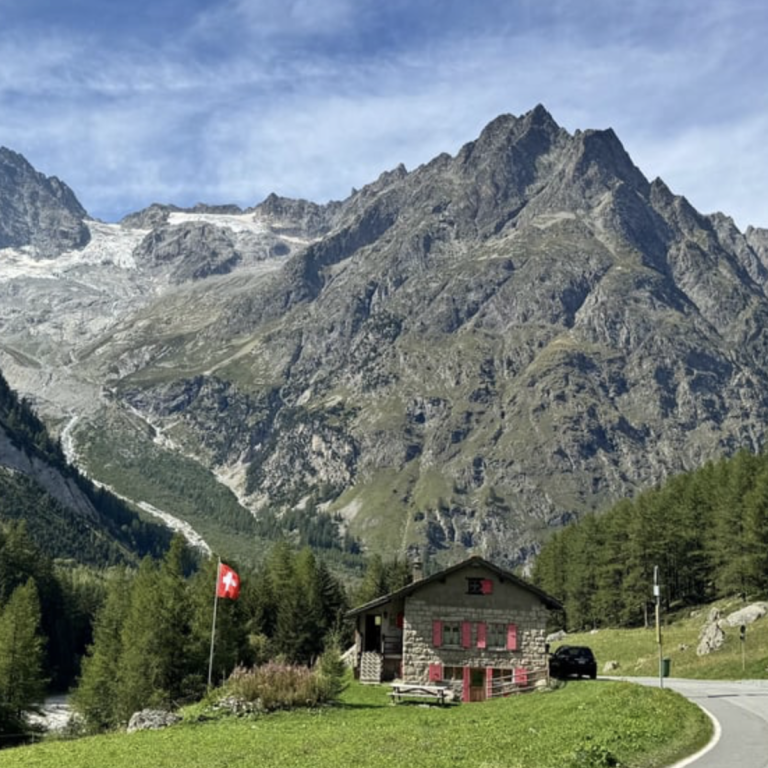
1,761m
85
Furkajoch - Austria
Pass connecting Rankweil and Damüls: A great, great, great road. From Rankweil, it climbs steeply out of the Rhine valley before reaching a plateau and ambling through the enchanting Laterns valley before kicking up again for prolonged push to the top that make your legs and lungs burn. Fabulous ride in fabulous surroundings.
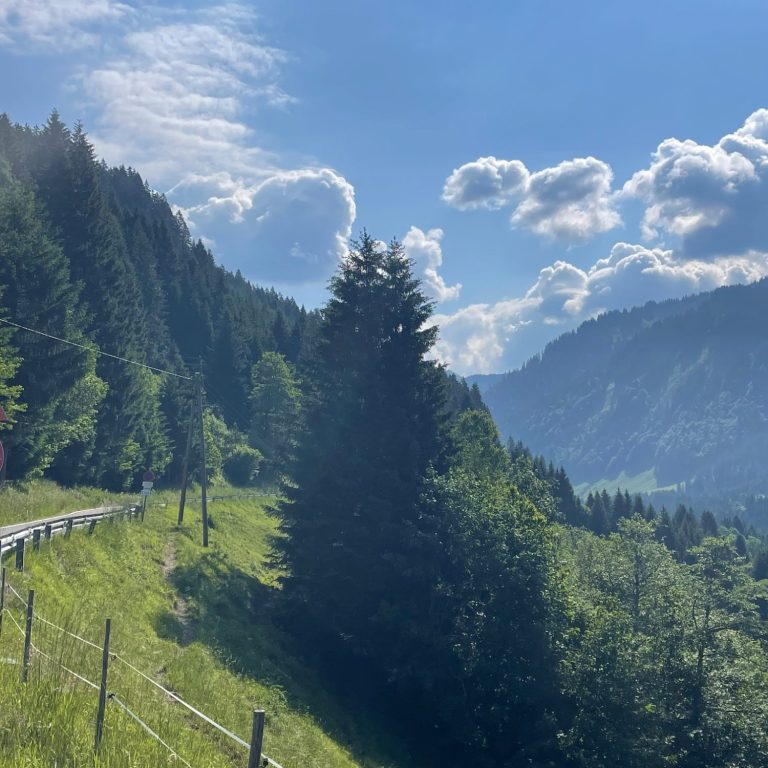
1,726m
86
Monte Grappa - Italy
Must ride road, whichever of the ten ways up you chose. Its location as the guardian of the Venetian plaines and its history as battleground in the first world war make this place special. Climbing all ten different ascents gives you a "gold pass". The Monte Grappa also features heavily in the Giro.
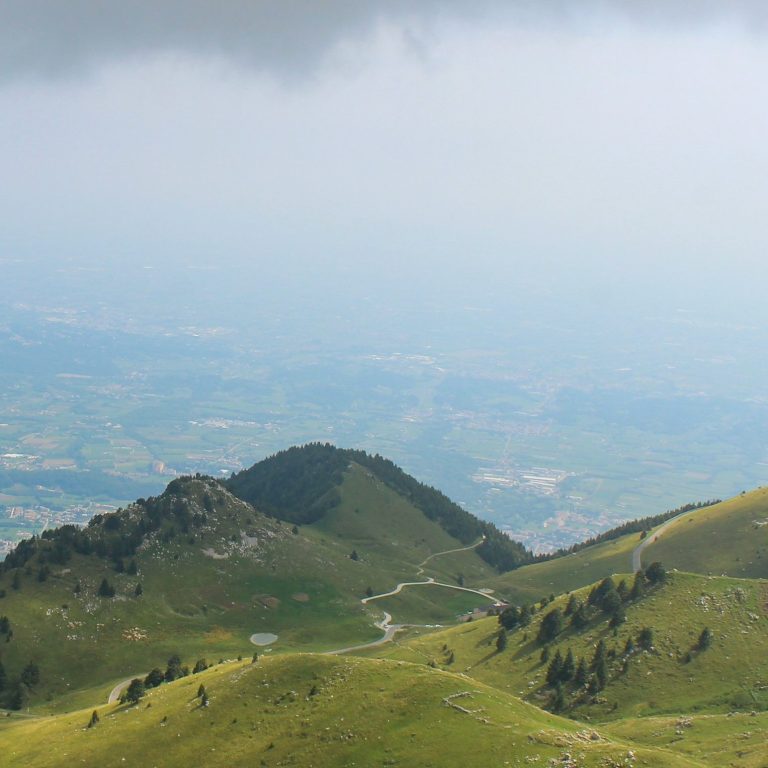
1,703m
87
Monte Zoncolan - Italy
Included here due its fame and mythical status in the cycling community. For me, this is a road with silly gradients as there are many in the lower altitude range across the Alps. I suppose conquering the Zoncolan is a special achievement purely to overcome the pain in your legs.
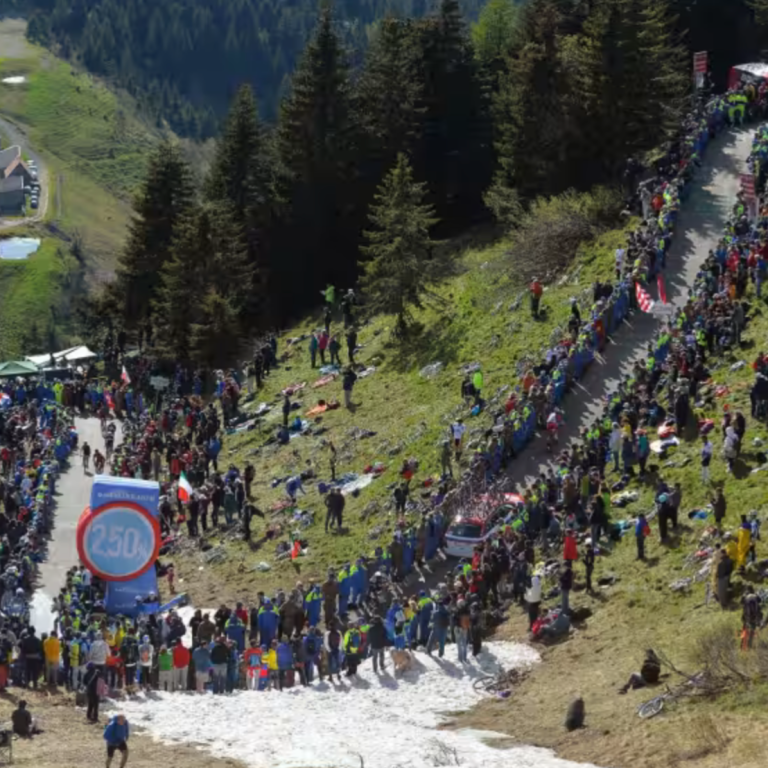
1,689m
88
Col de Joux Plane - France
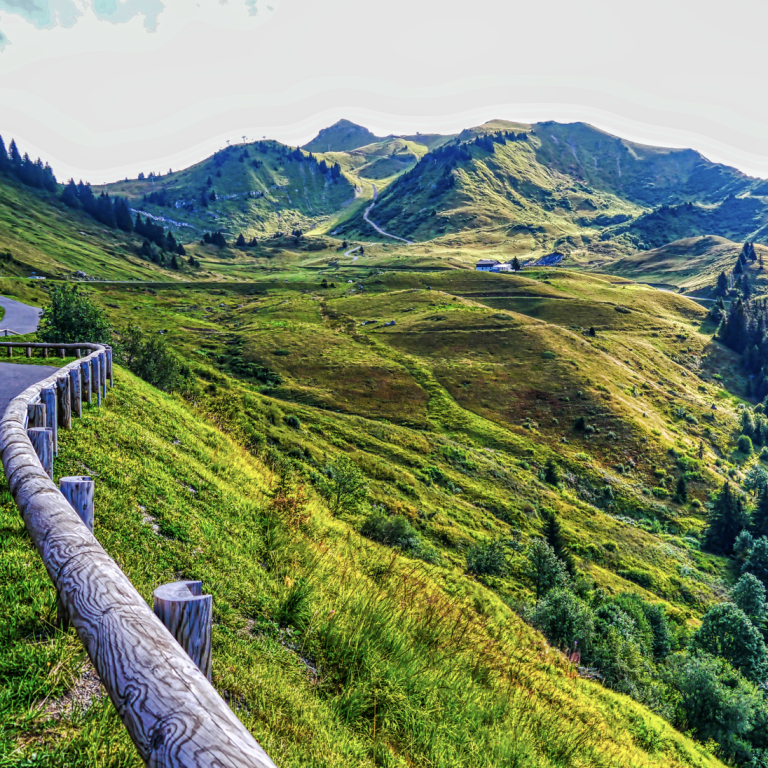
Pass, connecting Samoens with Morzine: The route from Samoens is the route used in the Tour de France and is generally considered the more challenging of the two climbs with gradients frequently hitting between 9-11%. The section near La Combe au Fle is particularly steep, this is a climb for cyclists who want a tough, traditional climb.
1,685m
89
Col du Lein - Switzerland
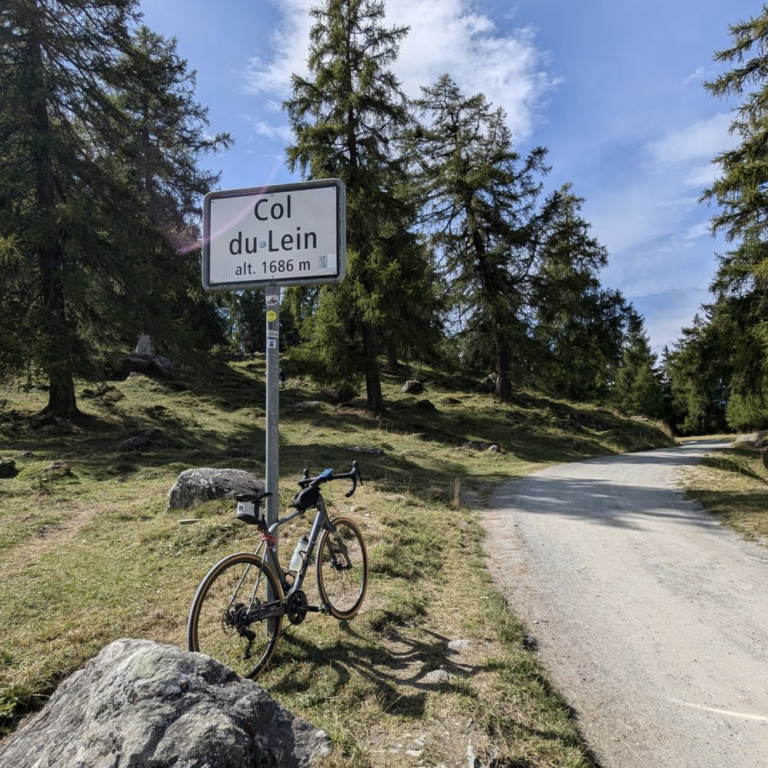
Pass road connecting Saxon and Etiez - 14km, 1,216m elevation gain: The Col du Lein from Saxon is a tough, relentlessly steep climb with virtually no respite, following a quiet, narrow road high above the Rhône Valley. The sustained gradients make it a demanding ascent, but the lack of traffic and magnificent panoramic views across the valley are ample reward. The final 1.5–2 kilometres are unsealed, but the gravel is generally manageable on a road bike in dry conditions. Check for snow or poor surface conditions before setting off, as the exposed upper section can remain inaccessible early in the season
1,682m
90
Hochtannbergpass - Austria
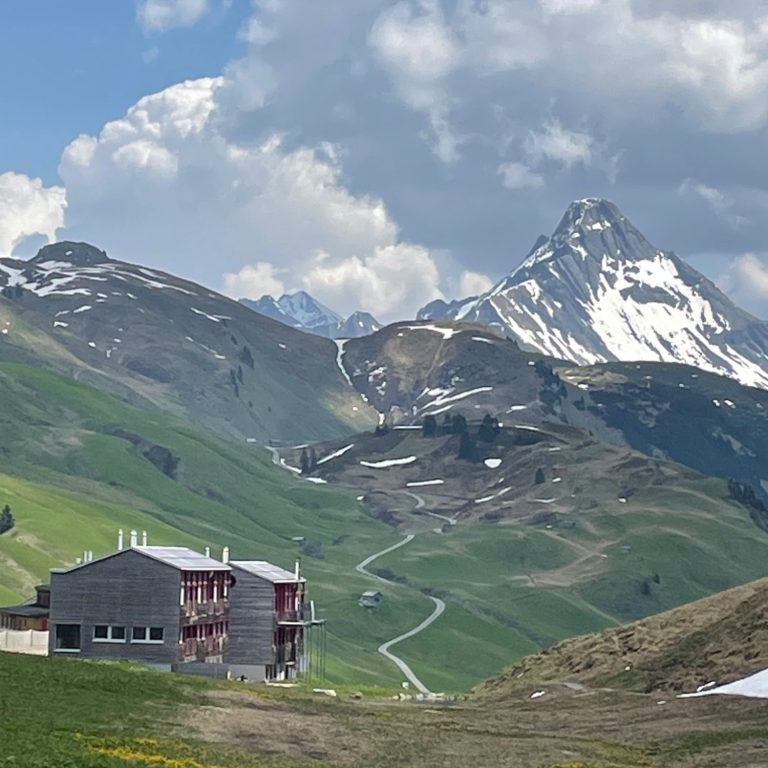
Pass connecting Au and Warth: An East-West connecting road through the Lechtaler Mountains. Not too high, not to steep just a lovely road that meanders deep into the Austrian/German border lands. Ideal to combine with other climbs in the region.
1,677m
91
Col de la Couillole - France
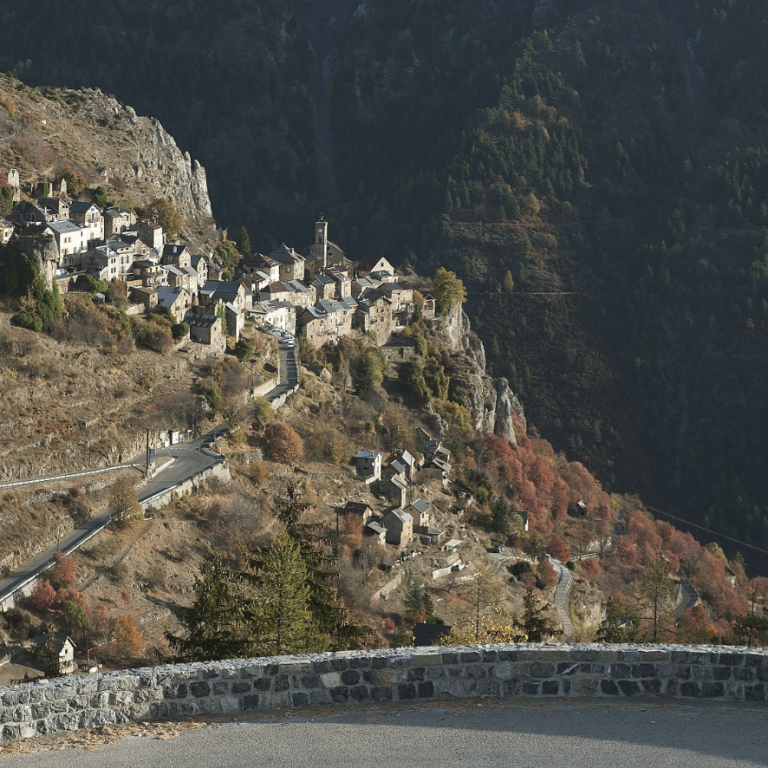
Pass connecting Saint-Sauveur-sur-Tinee and Valberg: Fabulous southern Alpine pass with typical southern Alpine landscapes. It sits at the border between Southern Alps and the Provence (although I made up this boundary but it feels like a transition point). The pass rides through a gorge with lovely views and fabulous surroundings. Small tunnels, cliff top villages, rickety windy road, and Tour pedigree. 16 amazing kilometres of riding.
1,665m
92
Colle di San Panthaleone - Italy
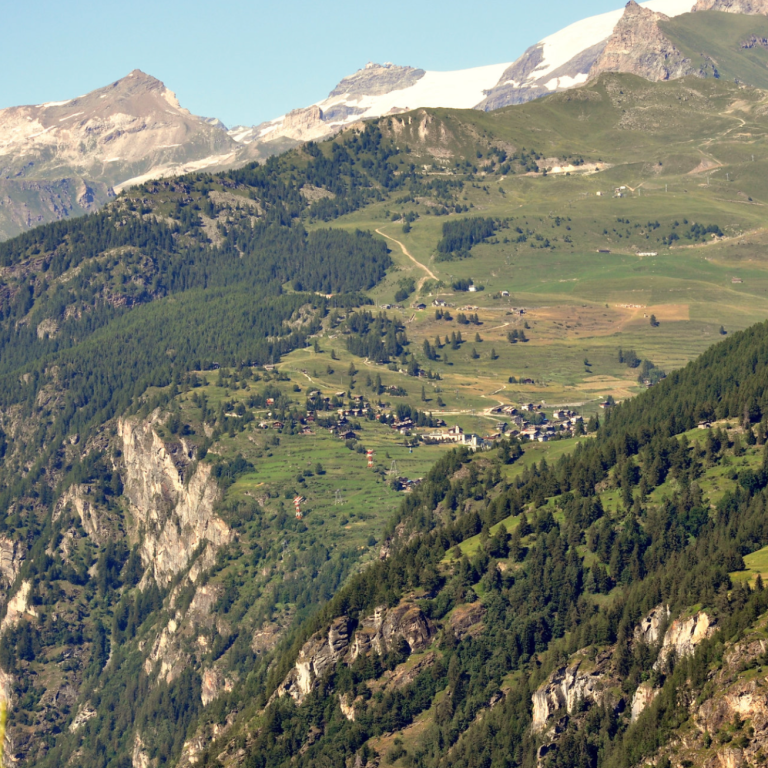
Pass connecting Chambave with Grand Moulin: Recent introduction of this pass in the Giro have raised its profile. A lovely pass weaving its way out of the Aosta Valley through pastures, vineyards, orchards and forests and offering great views on the valley below and the mountains above.
1,650m
93
Monte Bondone Pass - Italy
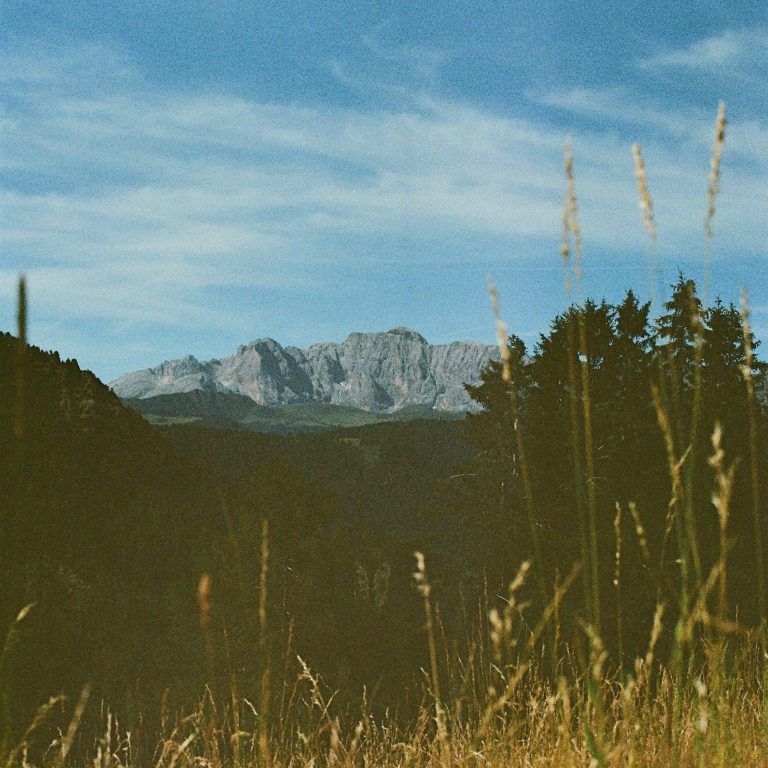
Pass with various ascends: The road begins in Trento and climbs almost immediately. The gradient settles into a steady, testing rhythm—rarely savage, but never generous. Monte Bondone doesn’t rely on spectacle or extreme gradients. Its challenge lies in length, consistency, and the calm persistence it demands—an old-school climb that rewards steady effort and respect for the mountain.
1,642m
94
Col de Joux - Italy
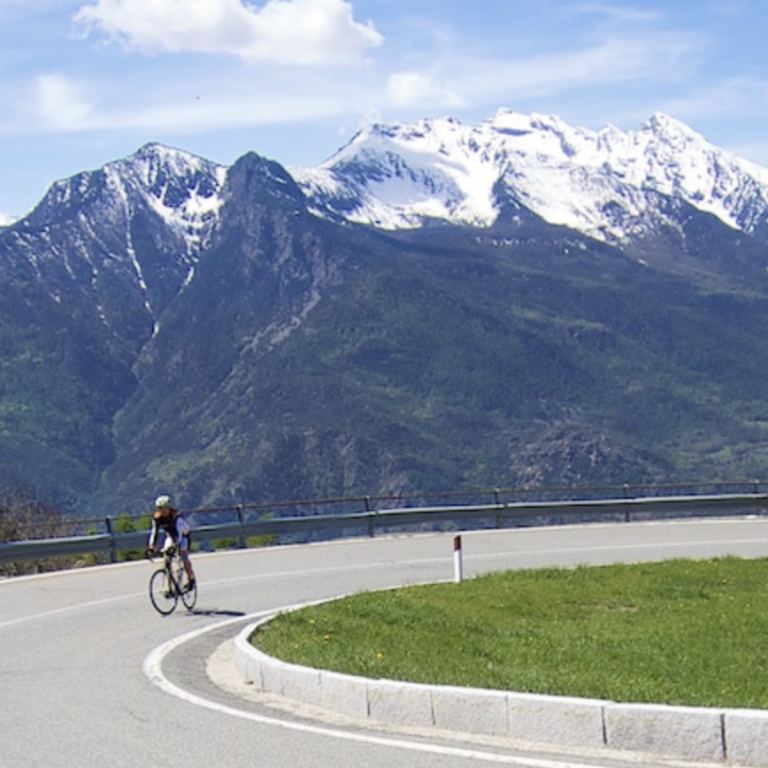
Pass connecting Saint-Vincent with Brusson: Sitting at the entry to the Aosta Valley, this pass is somewhat of shortcut to the adjacent Val d'Ayas with its wonderful Evancon river. Climbing the Col de Joux provides an entry to both valleys.
1,617m
95
Monte Baldo/Bocca del Creer - Italy
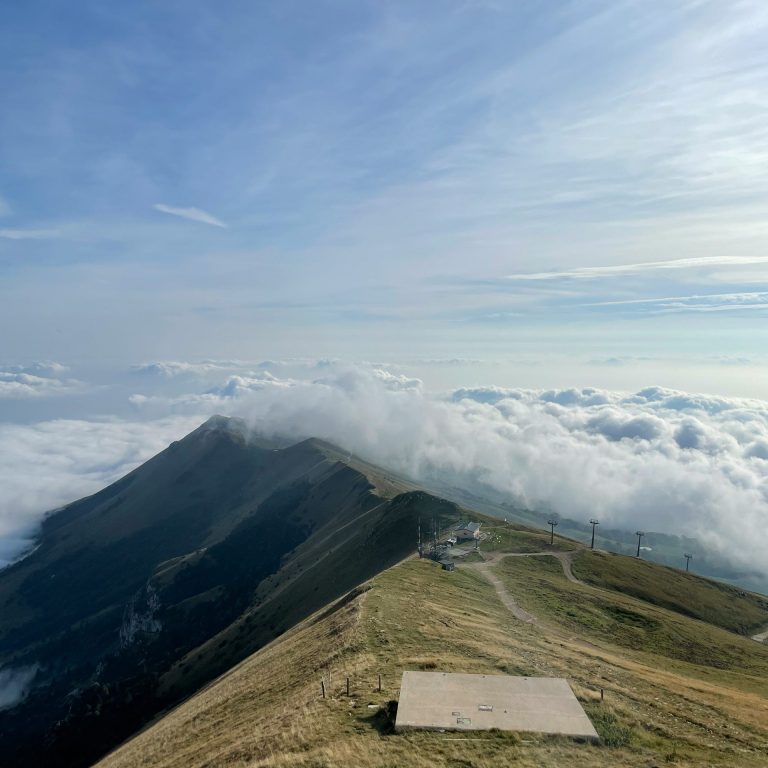
Pass with various ascends: The climb starts from Mori, covers 22.8km, 1,490m of elevation gain and it ends at the Refugio Graziani at 1617m. The Passo San Valentino is en route which featured in the 2025 edition of the Giro. If you do one ride at Lake Garda, this is the one.
1,617m
96
Zermatt - Switzerland
Dead end from Stalden - 30km, 951m elevation gain; The climb from Visp to Zermatt is a rewarding ride through the spectacular Matter Valley, with a mixture of sustained ascents, gentler gradients and occasional descents. The road surface is excellent, and the scenery becomes increasingly impressive as snow-capped peaks appear along the route. The approach to Täsch marks the final stage before Zermatt, where motorised traffic is restricted. From there, the highlight is reaching Zermatt and enjoying unforgettable views of the Matterhorn, one of Switzerland’s most iconic mountains.
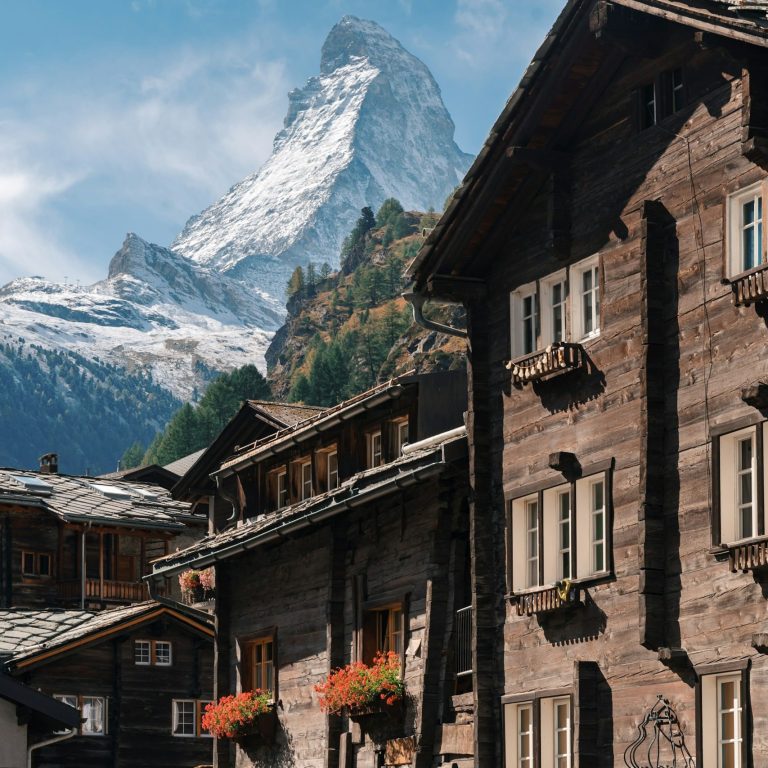
1,604m
97
Col de Turini - Italy
Pass with multiple ascends: The classic pass in the southern French Alps. The climb from the north is shorter and steeper but with less altitude gain and with 1,100m climbing whereas the southern approach is less steep, longer and climbs 1480m. The scenery either side is spectacular.
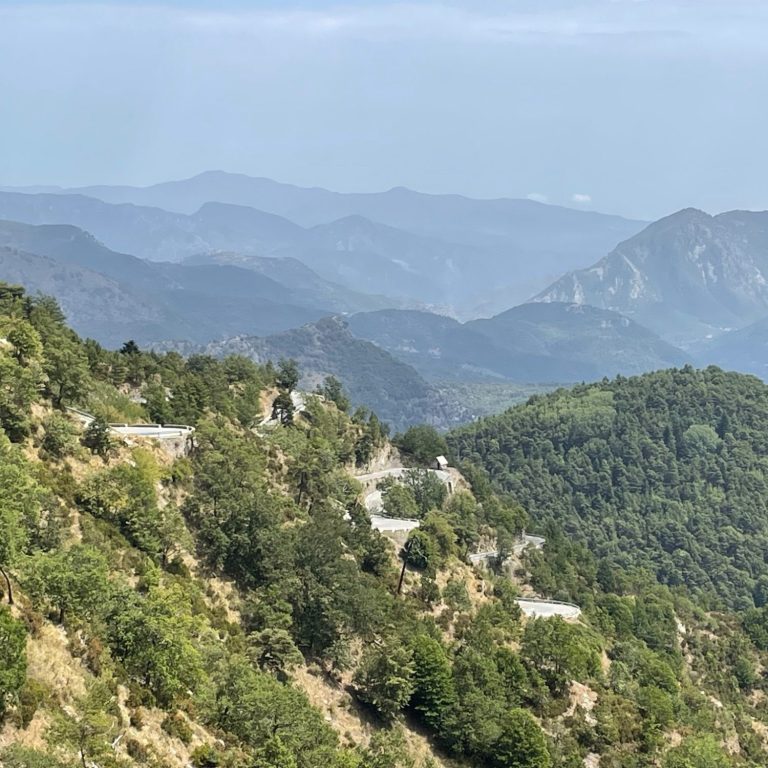
1,570m
98
Piller Höhe - Austria
Pass connecting Prutz and Wenns: There are not that many pass roads in Austria that connect busy valleys and that are simultaneously away from traffic. The traffic between the Reschen and Inntal valleys are taken by much larger roads, leaving cyclists to enjoy this lovely yet demanding climb.
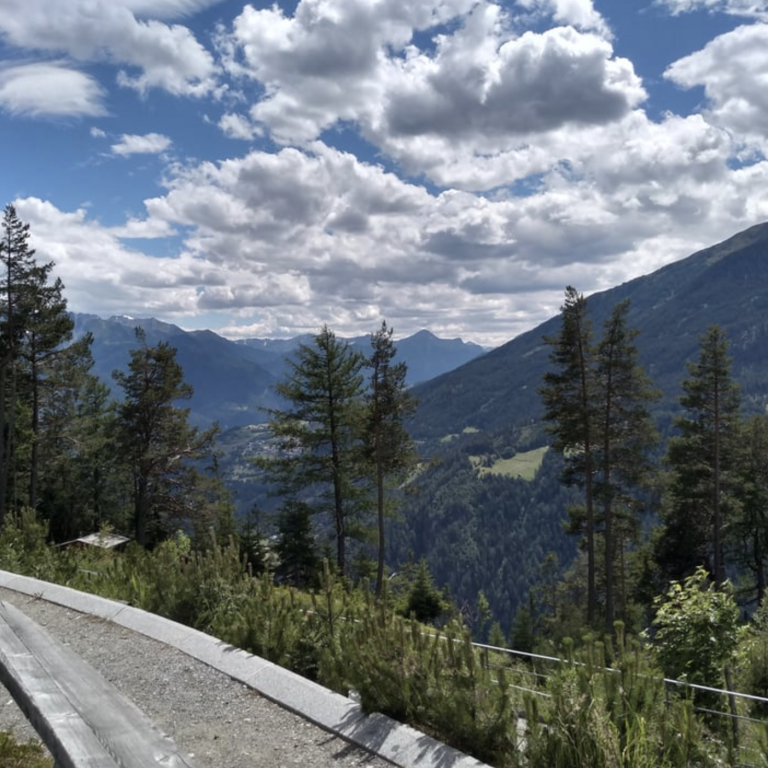
1,560m
99
Rossfeld Panoramastrasse - Germany
Circular road from/to Berchtesgarden: This is a beautiful but extremely steep and technically demanding climb, with several sections over 20% gradient and a maximum of around 25%. After the toll section, the road becomes quiet, with only occasional tourists. The upper part has some steep ramps but is generally a beautiful climb with around 6% average gradients, good road surface, and excellent summit views.
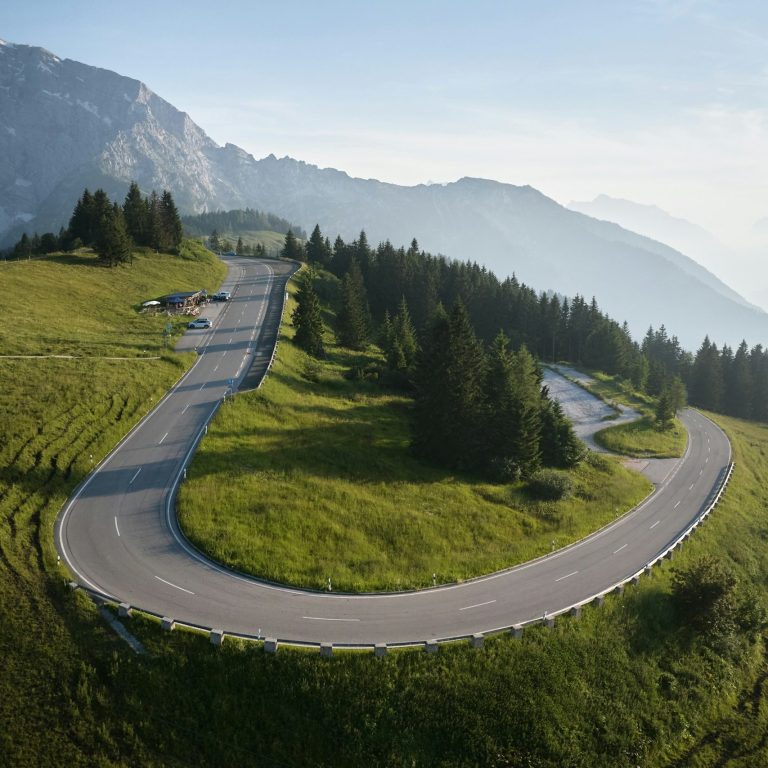
1,527m
100
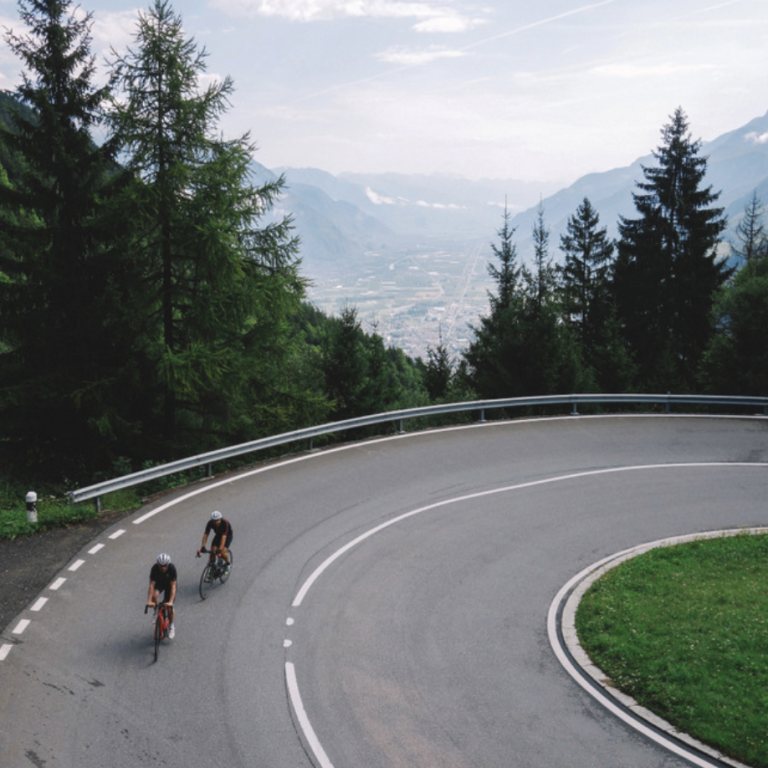
Col de Forclaz - Switzerland
Pass road connecting Martigny and Argentiere (France) - 13km, 1,026m elevation gain: The Col de la Forclaz from Martigny is a long, steady climb that begins with a particularly attractive stretch through the sun-drenched vineyards above the Rhône Valley. The gradient is consistent, making it a lovely ascent, while the views become increasingly impressive as the road winds towards the pass. The main drawback is traffic: the route is a busy link towards Chamonix and the Emosson Dam. Summer temperatures can also be high on the exposed lower slopes, so an early start is advisable in any case.
1,500m
101
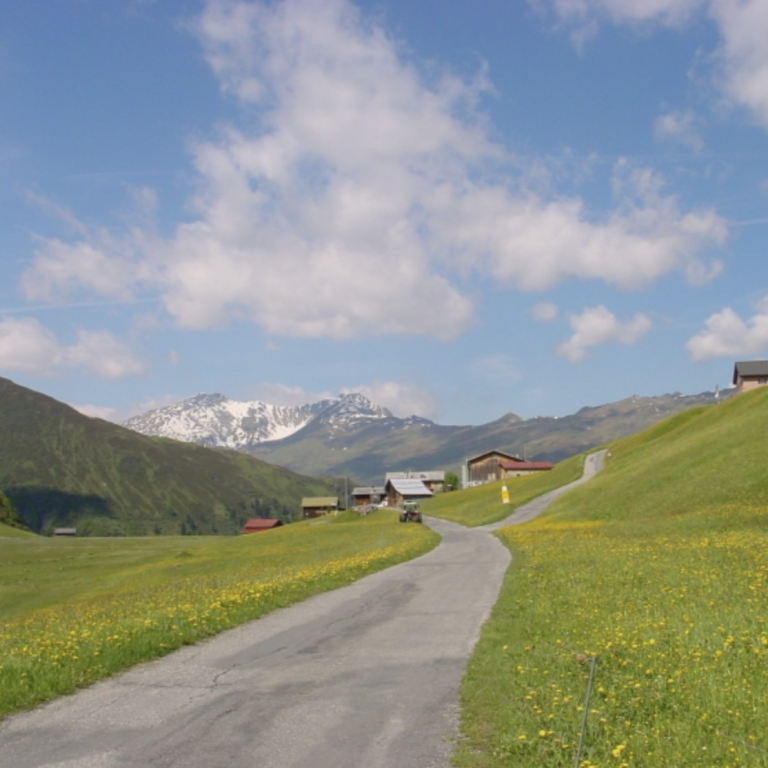
Glass Pass - Switzerland
Paved dead-end road from Thusis - 15km, 1,168m elevation gain: Starting from the beautiful town of Thusis, this rewarding climb follows almost perfect asphalt through the mountains, before narrowing to a smaller road in the final kilometres. Don’t be fooled by the smooth surface: the closing section is particularly demanding and should not be underestimated. At the top, a small parking area marks the finish, with Gasthaus Beverin a little further uphill — a welcome stop for refreshments if it’s open.
1,497m
102
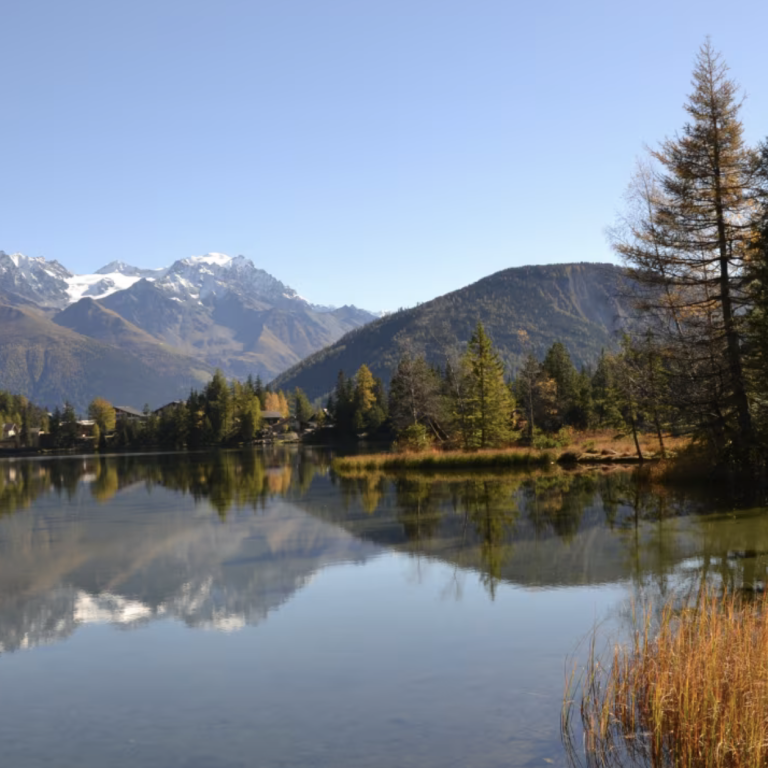
Col du Champex - Switzerland
Pass road connecting Les Valettes and Orsieres - 11km, 860m elevation gain: The Col de Champex from Les Valettes is a beautiful, relatively quiet climb that winds through woodland on good-quality tarmac, with a succession of hairpin bends and occasional spectacular views. Don’t be fooled into thinking the bends offer a chance to recover: several are particularly steep, with gradients exceeding 10% and some reportedly reaching 14%. The shade makes the ascent more pleasant on hot summer days, while the main reward comes at the top, where the charming village of Champex and its idyllic mountain lake provide a perfect place to relax and enjoy a well-earned drink. It is a lovely alternative to the busier road towards the Grand-Saint-Bernard Pass.
1,438m
103
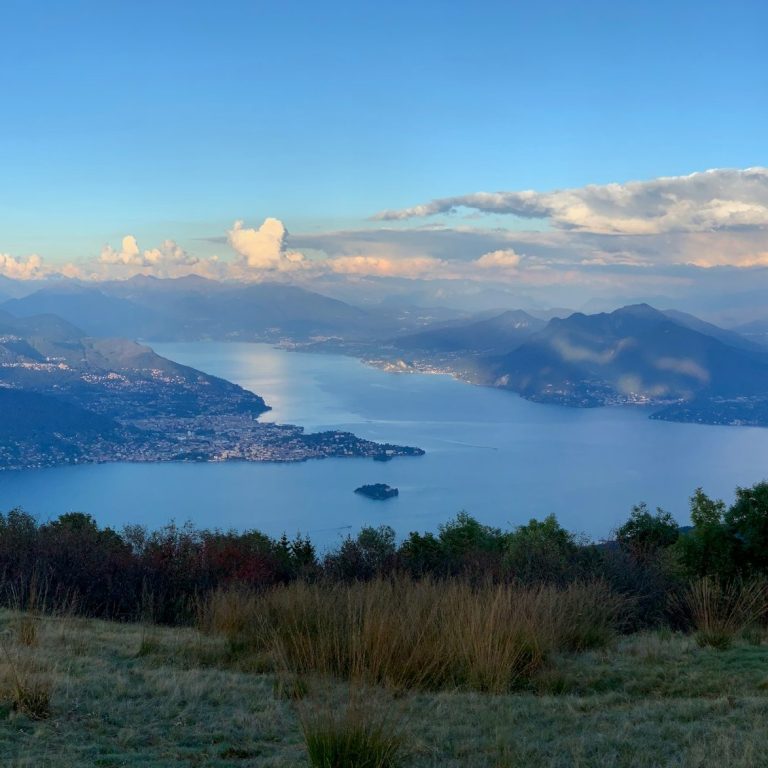
Mottarone - Italy
Pass connecting Stresa with Armeno: The Mottarone is in Piedmont but overlooks the Lago Maggiore which is in Lombardy. It provides the most exquisite views over the lakes to both sides: Lago Maggiore and Lago di Orta.
1,411m
104
Col des Planches - Switzerland
Pass road connecting Martigny and Sembrancher - 10.3km, 920m elevation gain: The Col des Planches from Martigny is a tough, shaded climb that makes an excellent challenge on a hot summer’s day. The newly surfaced road is generally quiet, winding through dense forest and two charming villages, with a succession of hairpins helping to break up the demanding ascent. The opening kilometres are particularly steep, with double-digit gradients, before easing slightly beyond the upper village; the final section remains testing, with short, steep ramps alternating with gentler stretches. Early on, there are lovely views across the Rhône Valley, but the forest closes in as you climb, and the pass itself offers limited panoramas. A stop for refreshments at the summit or nearby Alpage de Biolley is a welcome reward
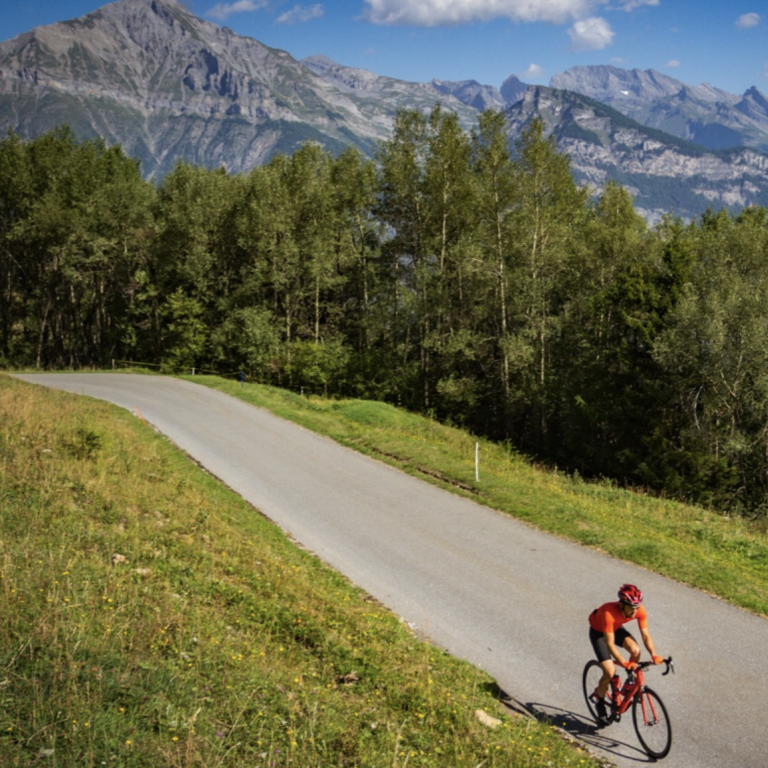
1,409m
105
Riedbergpass - Germany
Pass road connecting Fischen and Balderschwang: The Riedbergpass is a tough little Alpine climb and Germany’s highest paved mountain pass. From Fischen/Obermaiselstein, the ascent is particularly demanding, with long sections above 10% and several steep ramps. The road surface is excellent, but traffic can be heavy and fast-moving in summer. Despite this, the pass offers a rewarding climb with impressive mountain scenery and a few restaurants near the summit.
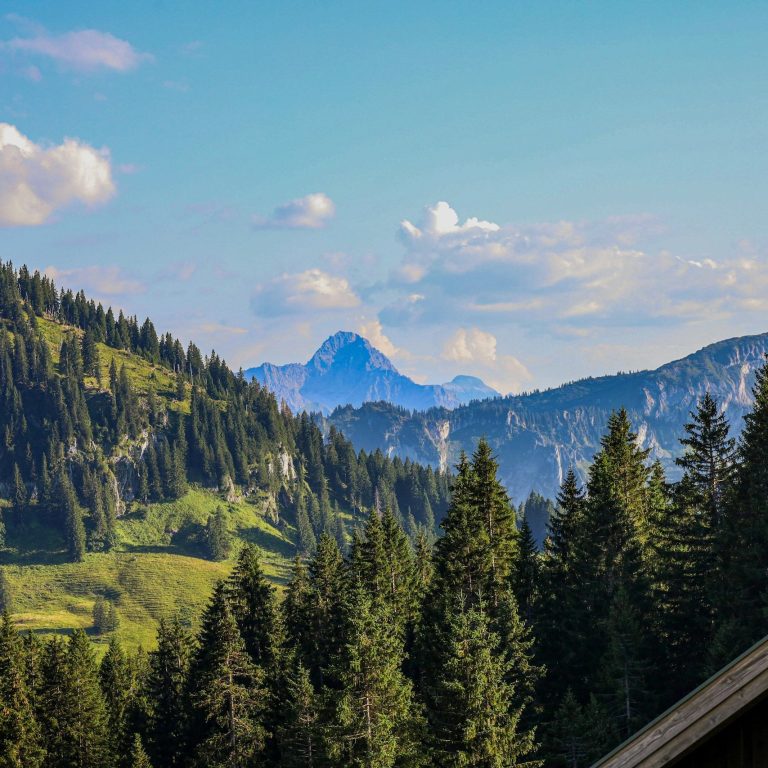
1,394m
106
Alpe di Neggia - Switzerland/Italy
Pass road connecting Vira (CH) and Maccagno Superiore (Ita) - 13km, 1,189m elevation gain: Alpe di Neggia from Vira is a remote and demanding climb in Ticino, crossing the Switzerland–Italy border ridge through dense chestnut forests. Although views over Lake Maggiore and Locarno appear intermittently along the lower slopes, the scenery opens dramatically at the summit, where rugged peaks, alpine pastures and a traditional cheese dairy create a memorable high-mountain setting. The road surface is excellent and traffic exceptionally light, but the sustained 9.5% average gradient over 12.5 km makes this a serious physical challenge.
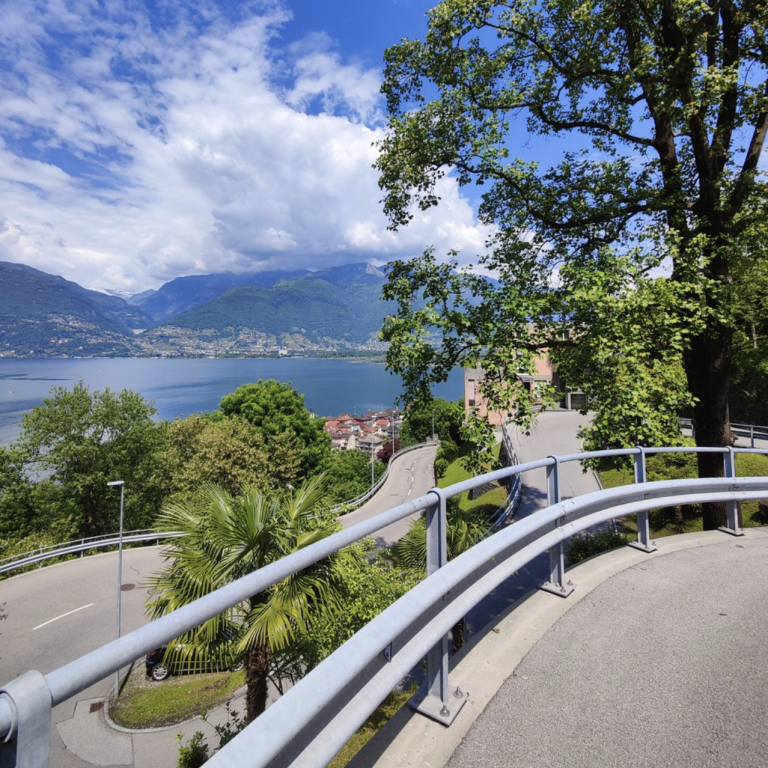
1,350m
107
Kunkels Pass - Switzerland
Traffic restricted pass with mixed tarmac and hard gravel connecting Tamins and Vättis - 6km, 715m elevation gain: The Kunkels pass is a short tough climb, starting on tarmac and ending on hard packed gravel with average gradient of 12%. As this is a short climb, it is doable on a road bike and a couple of rickety tunnels give it extra character. You might have to push your bike on some sections though!
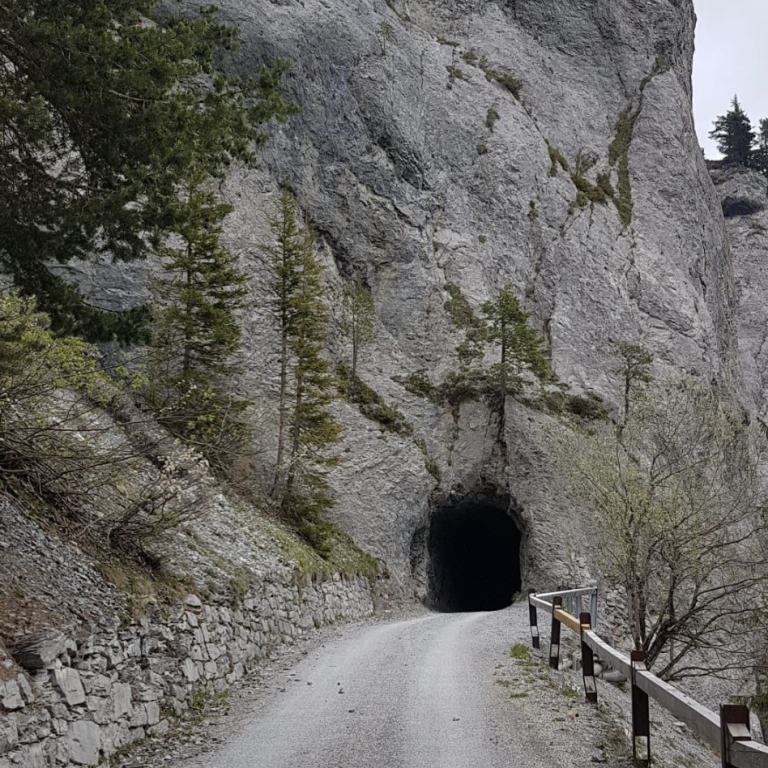
1,323m
108
Gorge du Verdon - France
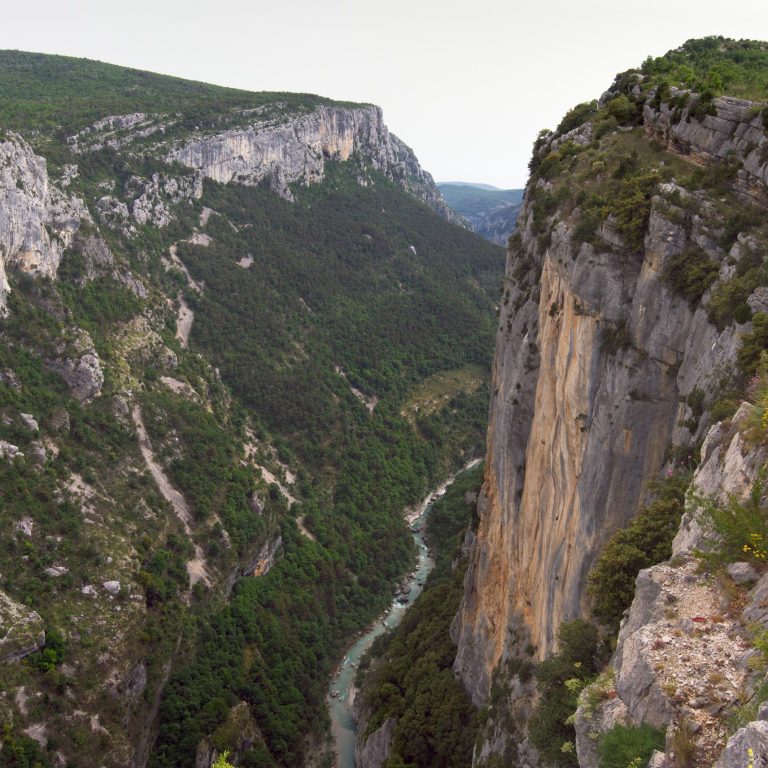
The Route des Crêtes du Verdon is a spectacular and demanding ride, with steep, irregular gradients and sections exceeding 10–15%. The effort is greatly rewarded by breathtaking views into the Verdon Gorge, whose sheer cliffs plunge hundreds of metres below the road. Relatively quiet and best enjoyed early in the morning, this is a must-ride in Provence, although the exposed route can become very hot and offers little shade. Take care on the descent, as the road surface is uneven in places. This is a unique ride all round though.
1,306m
109
Monte Sighignola - Italy
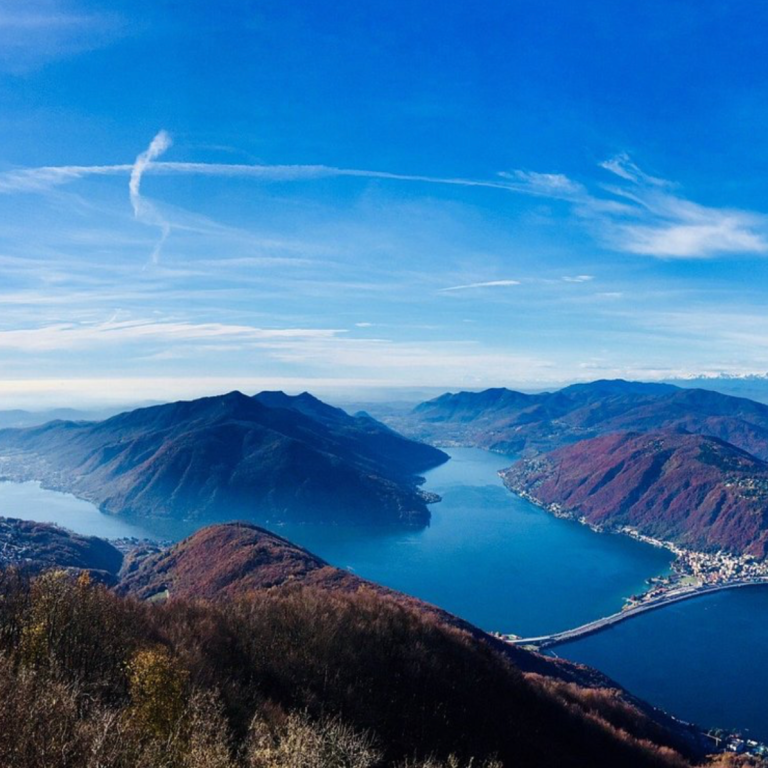
Dead end from Maroggia - 16km, 1,036m elevation gain: The Monte Sighignola, also known as the Balcone d’Italia, is a demanding climb rewarded with spectacular panoramic views over the surrounding valleys and lakes. The ascent is steep from the outset, with some punishing ramps reaching 20%, before easing slightly near Lanzo and settling into a more regular gradient for the final five kilometres. Pretty villages and shaded sections add to the appeal, while the road has been resurfaced in places, particularly towards the summit. Traffic is generally light, but take care on the descent, as some sections may still have potholes. The summit views alone make this climb well worth the effort.
1,301m
110
Monte Bisbino - Italy
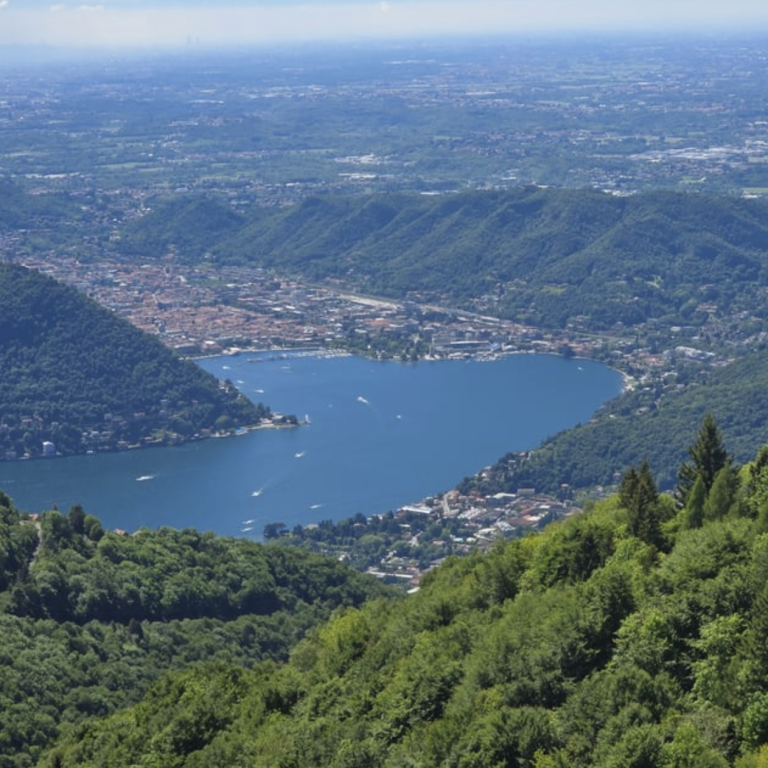
Dead end from Cernobbio - 15km , 1,089m elevation gain: This climb offers sweeping, dramatic views of Lake Como, which looks like a massive fjord winding through the mountains. As you ascend through the 32 hairpins, the views continuously open up over the water, Cernobbio, and the surrounding peaks. On a crystal-clear day, the wide summit plaza at 1,325 meters rewards you with a unique 360-degree panorama stretching from the high Swiss Alps and Monte Rosa all the way to the skyscrapers of Milan.
1,178m
111
Oberjochpass - Germany
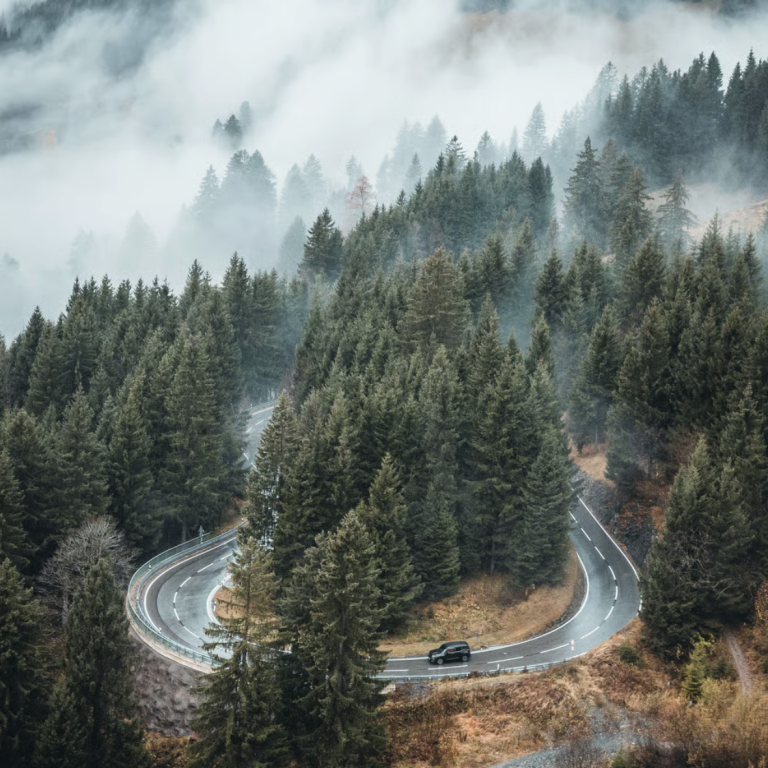
Pass road connecting Bad Hindelang in Germany and Schattwald in Austria: A beautiful, winding road climbs from Bad Hindelang to the pass, with eight well-spaced switchbacks and a smooth, perfectly engineered surface. The route continues into the Tannheimer Valley and towards the picturesque Haldensee, with lovely mountain views throughout. A scenic and enjoyable Alpine road that is as rewarding to ride as it is to admire.
1,174m
112
Passo Santa Barbara - Italy
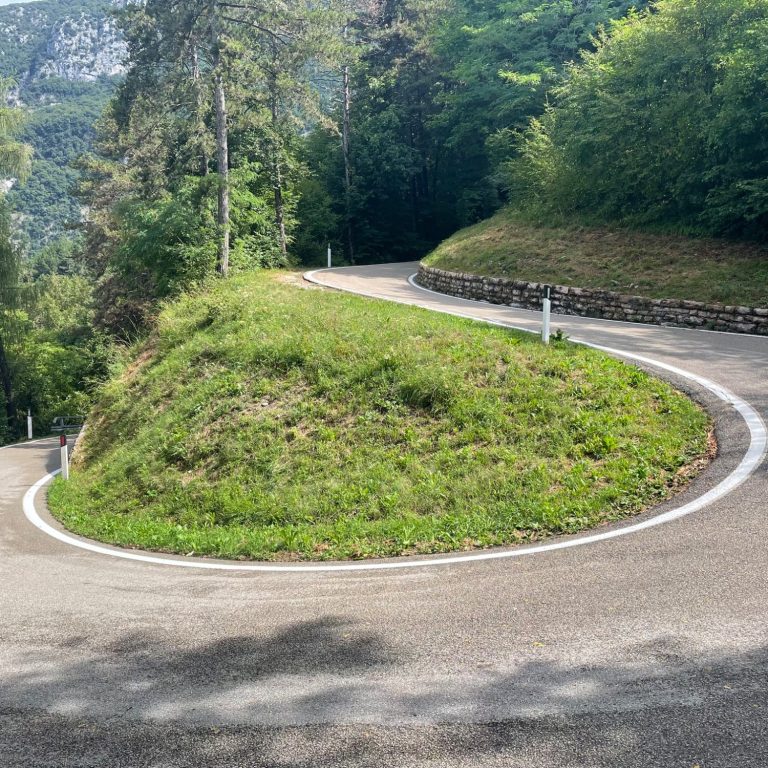
Pass connecting Arco and Ronzo Chienis: At 1,057m altitude gain over 13 km and an average gradient of 8.1% which dips frequently into double digits, this climb is tough but super regular. It featured in the Giro due to its toughness and is a ride in solitude through and enchanted forest with the odd view over to Lake Garda.
1,126m
113
Pfänder Alpe - Austria
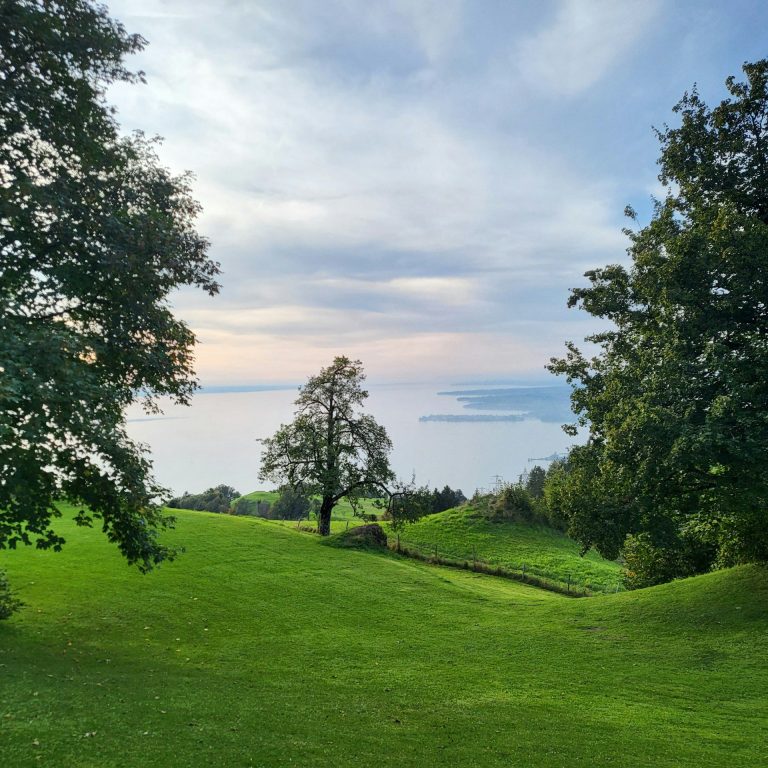
Dead end road from Lochau: The mountain ride on Lake Constance which offers just the most superb views over the lake, the adjacent Swiss mountains and the Bregenzerwald. A quite demanding climb of the finest order covering 621 m elevation gain.
790 m, Lacets de Montverier, France: Located in the Maurienne valley, this is the original road that goes vertical up the hillside in a number of unbelievable switchbacks. Riding this road is the destination in itself.
758 m, Madonna del Ghisallo, Italy, pass connecting Belagio with Asso: Madonna del Ghisallo is the holy place for all cyclist. A patron of all cyclist and the protector of our sport. A visit is an absolute must if you are in the area.
712 m, Passo San Boldo, Italy, pass: This is just the best pass ever built. It is not very long or high in altitude but it is totally unique. The switchbacks are built through tunnels at either end of the short ramps as the gorge the pass climbs is too tight to accommodate a regular pass road design
507 m , Col d'Èze, France, pass connecting Nice and Eze - 10km, 500m elevation gain: The Col d’Èze from Nice is a legendary Côte d’Azur climb, with a tough opening section that eases into more moderate gradients before the road rises again towards Col des Quatre Chemins. The final kilometres offer spectacular, far-reaching views over Nice, the Mediterranean coastline and surrounding mountains. Famous for its role in the final stage of Paris–Nice, it is well worth riding for both its scenery and cycling heritage. Road surfaces are generally excellent, but traffic can be heavy, particularly on the main road towards Nice, so an early start is recommended.
From prehistoric trails to modern tunnels, the mountain passes of the Alps have shaped the continent’s history. They are more than mere routes through rock and snow; they are memories in stone, witnesses to migration, conflict, commerce, and curiosity. As both gateways and guardians, the passes of the Alps endure — linking past and present, challenging and inspiring all who traverse them.