Self Guided Tours
Experiencing the mountains a different way by keeping on riding
There are great routes and challenges in riding the Alps and I put together a number of self guided itineraries that explore the width and breadth of the Alps.
These routes criss-cross the Alps with a specific focus on France, Italy and Austria. Some of the routes return to their starting point while others start and finish at easy to reach places. Some routes cross the highest and most epic passes and others ride through the less explored areas. All routes can be adjusted in terms of distance and elevation gain and are based on a rough guide of around 2,000m climbing and not more than 120km riding per day, some are more challenging than others though. All routes seek to climb the mountain passes available en route and can therefore be made easier by skipping the one or the other.
Routes across multiple countries and in France
Multiple Countries across the Alps
Crossing the Alps North to South from Munich to Conegliano, 567km, 12,000m elevation gain, 6 days
Crossing the Alps North to South from Munich to Bergamo, 590km, 12,000m elevation gain, 6 days
Exploring Austria, Italy & Switzerland from Lake Constance, 585km, 12,600m elevation gain, 6 days
Exploring Italy (Lombardy) and Switzerland from Bergamo, 537km, 12,789m elevation gain, 6 days
France
Routes in Italy, Austria and Switzerland
Italy
Exploring the Italian Alto Adige / Südtirol from Innsbruck, 540km, 13,440m elevation gain, 6 days
Crossing the Eastern Italian Alps - East to West, 500km, 12,100m elevation gain, 5 days
Crossing Italy - East to West & South to North, various routes
Austria
Switzerland
Furka, Grimsel, Nufenen & Sankt Gotthard passes in CH, 132km, 4,200m elevation gain, 2 days
Germany
A ride starting and ending in Lake Geneva and taking in Frances highest mountains and passes plus a detour to Italy and Switzerland to climb the Grand St Bernard, the most historic of alpine crossings. In total this ride covers 835km, spans 17 climbs with around 22,000m climbing. I would plan for 10 days.
Following the Route des Grandes Alpes from Lake Geneva taking in the lower passes of Col du Feu, the Plain Joux, the Collombiers, the Col des Aravis and the Col des Saises.
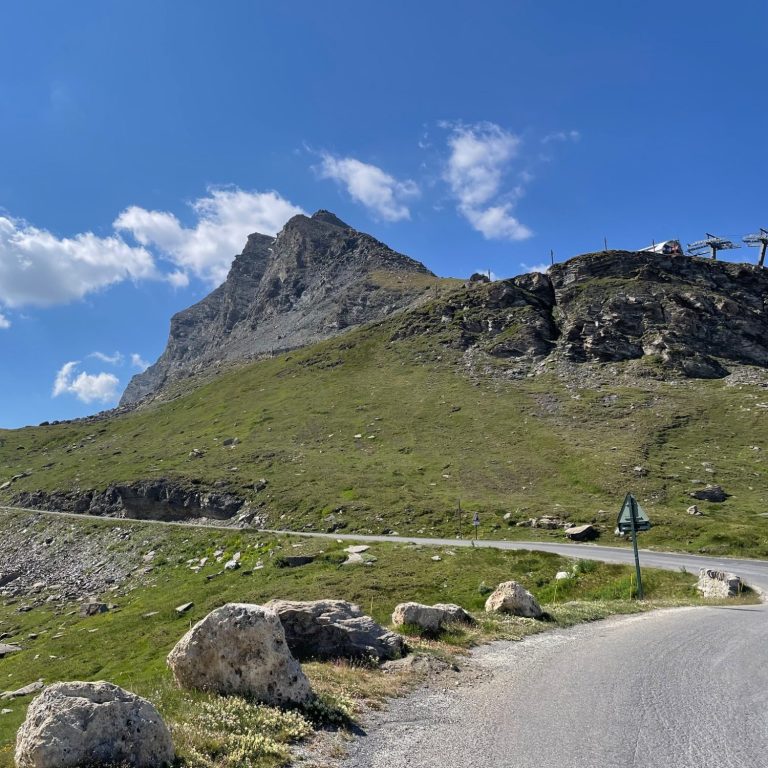
It enters the high mountains at the Cormet de Roselend followed by the Col d'Iseran which is the highest road pass in the Alps. The high point of this leg though is the Telegraph/Galibier. It reaches Alpe d'Huez via a scenic road above the Romanche valley before hitting the famous Alpe d'Huez switchbacks.
I suggest a rest day in Alpe d'Huez. In addition to the large climbs, there are smaller climbs en-route which brings this leg of the ride to 424km and 12,000m climbing over 5 days riding.
Route tip: One famous Col is chasing the next on this route. We suggest to take a taxi from Bourg St Maurice to Val d'Isere as the traffic is horrendous and these are just "dead" km.
Also, the route to Alpe d'Huez climbs above the Romanche valley which is a nice side road but you will miss the first few switchbacks of the famed Alpe d'Huez climb.
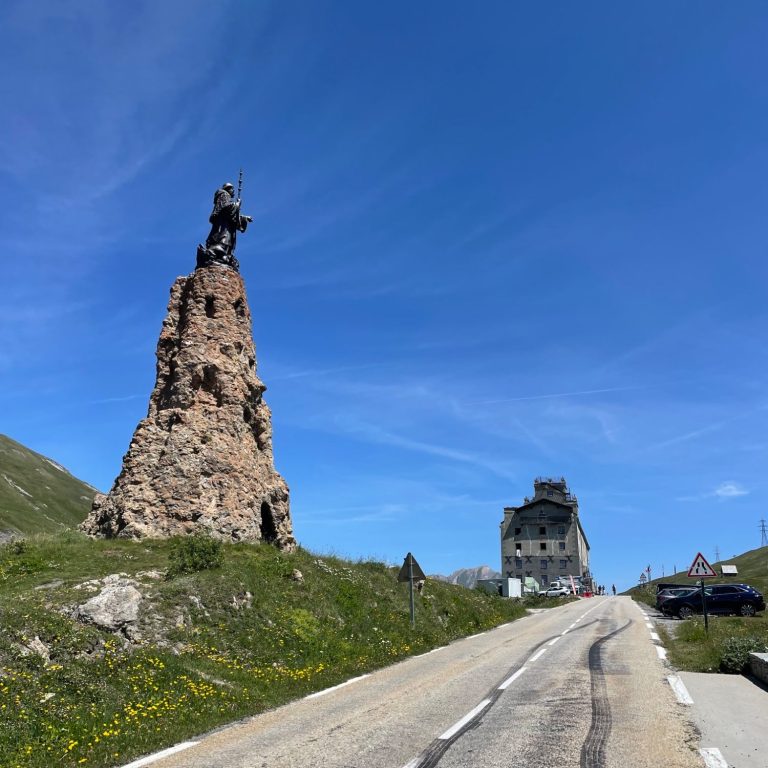
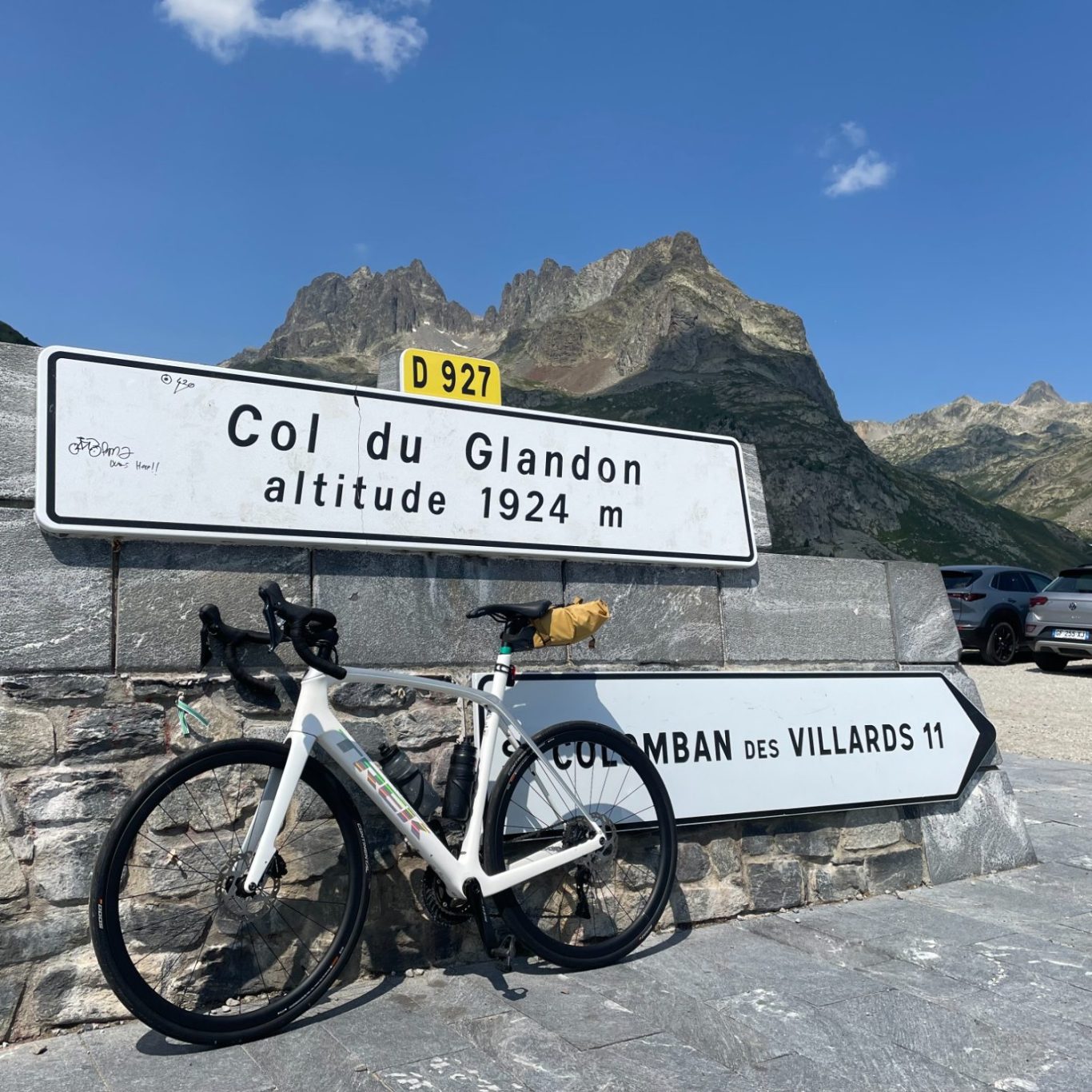
The return leg is equally challenging and climbs the Col de la Croix de Fer/Glandon and the Col de la Madeleine in the queen stage. This could also be split into two day's riding.
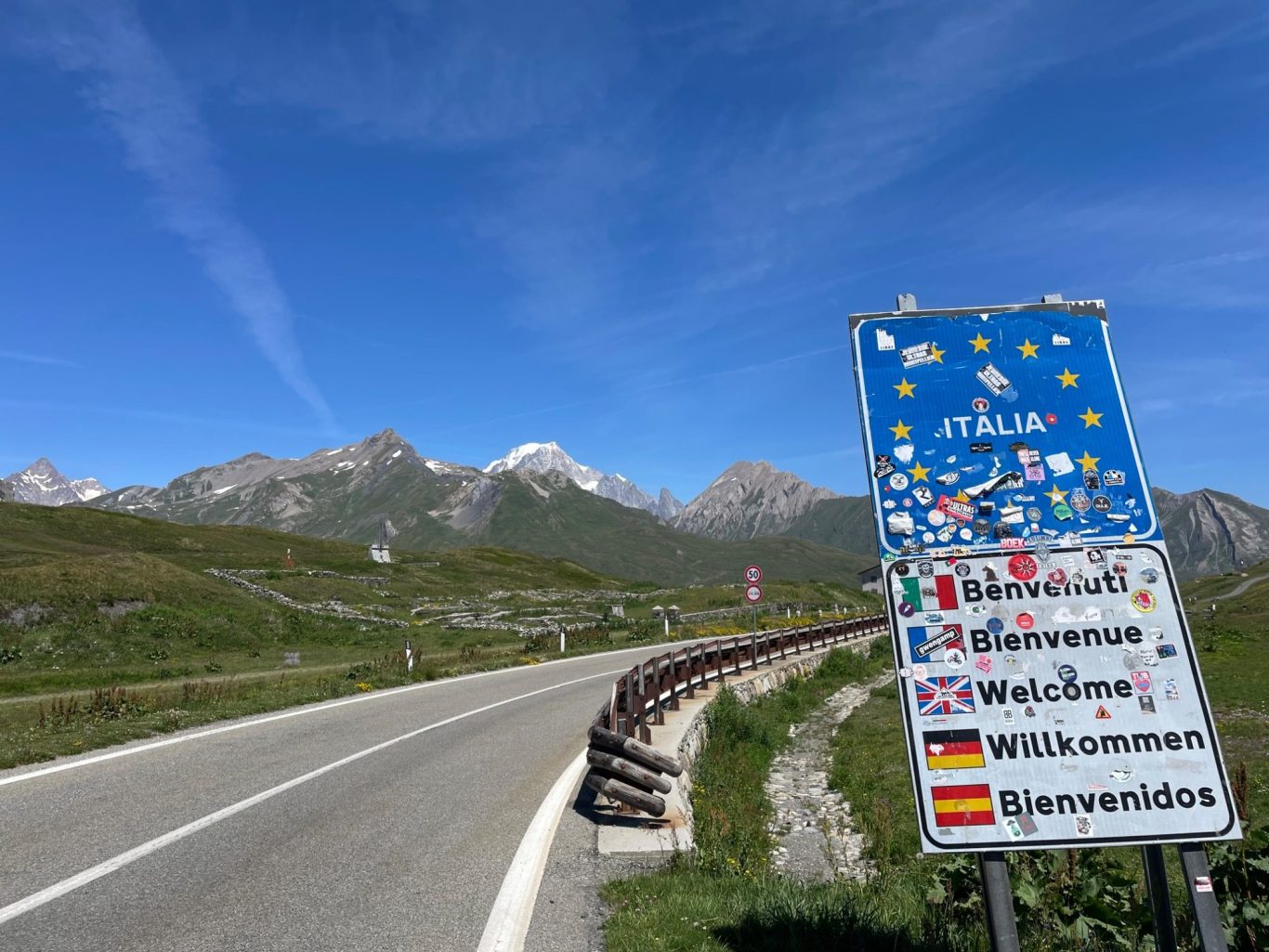
The Col du Tra livens up the valley ride form Moutier to Bourg St Maurice. From here, the route goes off to Italy via the Col du Petit St Bernard and then into the Aosta Valley via the Colle St Carlo. The following ascent to the Colle de Grand St Bernard takes a route away from traffic on the right side of the valley.
The ride is topped off by a climb to the Lac de Morgins from Switzerland and down to Thonon les Baines.
This leg of the ride comes to 411km and 9,800m climbing over 4/5 days riding.
Route tip: This is an intense route crossing into Italy and then Switzerland. We propose to stay the last night on the St Bernard pass at the historic hospice to honour the historic importance of this pass. Due to its business, we propose to climb on the right side of the valley which is super scenic and with little traffic.
The valley floor in the Aosta valley will be busy though but that can't really be avoided.
This is a 725 km journey with around 17,350 metres of climbing, best enjoyed over eight days of riding. The logistics are refreshingly straightforward: begin by travelling to Bourg-Saint-Maurice, which is easily accessible by train, and finish in La Chambre or Saint-Jean-de-Maurienne, depending on which descent you choose from the Col de la Croix de Fer, the final climb of the route. Both towns are connected to the rail network, making onward travel simple.
The ride itself begins in Val-d’Isère, reached from Bourg-Saint-Maurice by taxi. This short transfer is well worthwhile, avoiding around 32 kilometres on a busy main road as well as several unpleasant and potentially hazardous tunnels around Tignes. From Val-d’Isère, the route sets out into the high Alps, eventually finishing in the Maurienne Valley. Along the way, eleven major climbs form the backbone of a journey through some of the finest cycling terrain in both the Northern and Southern French Alps.
What makes this route so extraordinary is the sheer variety of mountain landscapes it crosses. Three of France’s highest paved passes feature alongside some of the country’s most celebrated climbs, linking the dramatic peaks of the Northern Alps with the wilder landscapes of the south. The Col de la Croix de Fer and Col de la Couillole are particular highlights, but every pass brings its own character and challenge.
The route combines steep ascents steeped in Tour de France history with exhilarating descents, quiet mountain roads and long stretches where you may encounter little traffic at all. The scenery changes constantly: from barren, windswept high-altitude landscapes and vast alpine plateaus to lush valleys, deep gorges and wooded mountain slopes. Charming villages and mountain towns provide welcome stops along the way, with traditional restaurants, cafés and warm Alpine hospitality.
The sequence of the principal climbs is Col de l’Iseran, Col du Télégraphe, Col du Galibier, Col d’Izoard, Col du Vars, Cime de la Bonette, Col de la Couillole, Col de la Cayolle, Col du Lautaret, Alpe d’Huez and Col de la Croix de Fer. Together, they form an extraordinary traverse of the French Alps, combining some of the greatest climbs in cycling with landscapes that rank among the most spectacular in France.
Above all, this is a journey through the very heart of the French mountains — a demanding but unforgettable ride where every day brings another legendary climb, another spectacular descent and another extraordinary Alpine panorama.
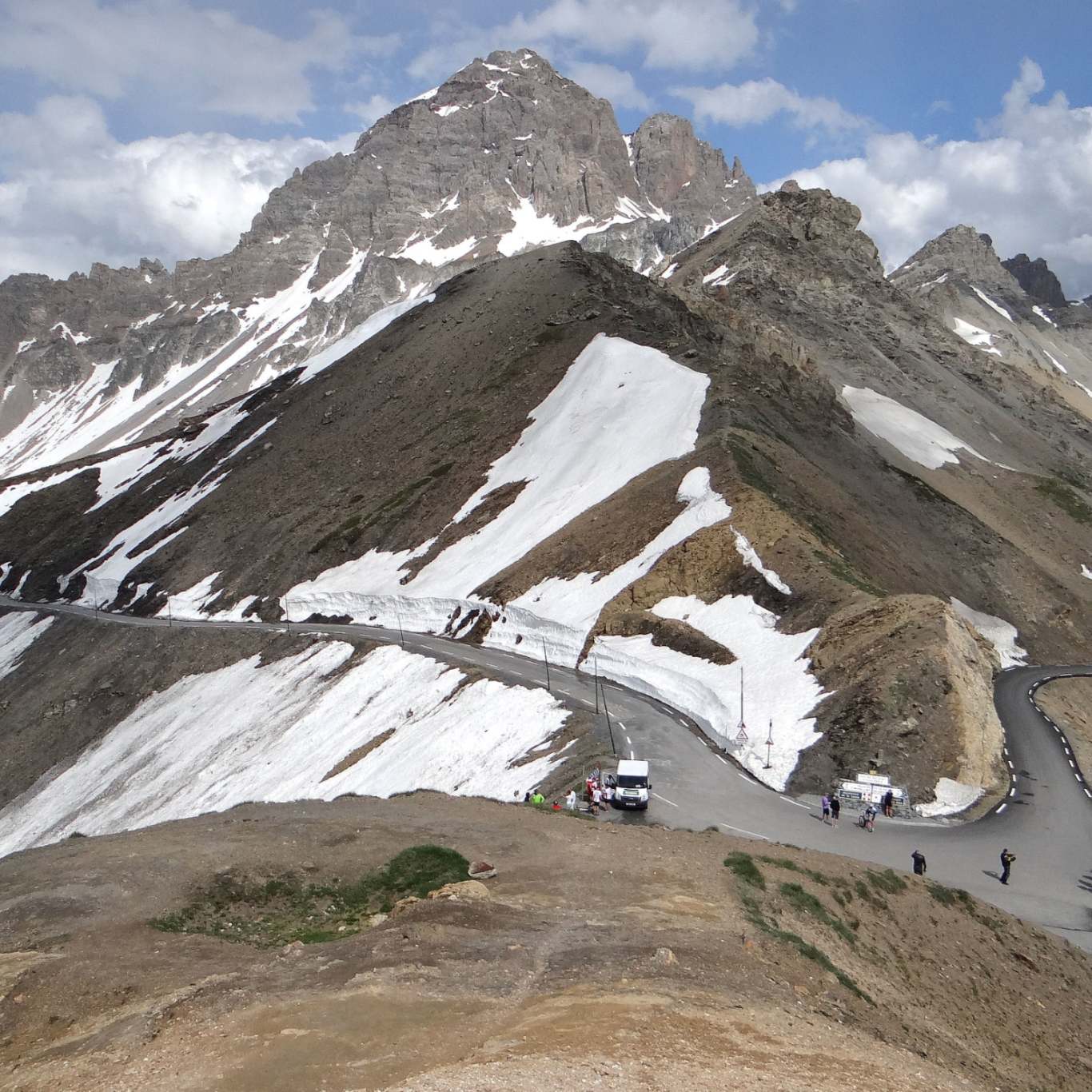
This spectacular 500 km journey through the Italian Alps begins in Conegliano, just north of Venice, and finishes in Sondrio, north of Milan. Along the way, the route climbs around 12,100 metres over eleven major mountains, linking the Venetian foothills with the heart of the Dolomites before tackling some of the legendary climbs of the Italian Alps.
The opening section leads into the Venetian Dolomites, with early highlights including Passo San Boldo, Forcella Franche and Passo Duran. Passo San Boldo is particularly memorable: an extraordinary feat of engineering where the road climbs through a narrow gorge, negotiating a series of tight hairpins and tunnels carved into the mountainside. It is a dramatic introduction to the journey.
From here, the route enters the great cycling heartland of the Dolomites, with the climbs of Passo Staulanza, Passo Giau, Passo Falzarego, Passo Pordoi and Passo Costalunga. This is mountain scenery at its most spectacular, with immense limestone peaks rising above wonderfully flowing roads and seemingly endless switchbacks. Few places offer such a magical combination of dramatic landscapes and world-class cycling.
After the high mountains comes a gentler interlude. The route spends around 100 kilometres travelling from Bolzano through Merano towards the foot of the Stelvio, following the valleys and rivers on predominantly cycle paths due to busier roads. It is a welcome change of pace before the final and most demanding section of the journey.
The last stage of the route brings together an extraordinary trio of Italian cycling legends: Stelvio, Gavia and Mortirolo. Each is a formidable climb in its own right, but tackling all three as part of the same journey is something altogether different. These are mountains steeped in cycling history, and this final section feels like the very heart of Italian Alpine cycling — demanding, dramatic and utterly unforgettable.
The journey finishes in Sondrio, with convenient train connections at both ends making the route straightforward to reach and leave. For those wanting to extend the adventure, there is an excellent option to continue over Passo San Marcobefore descending through the Brembo Valley towards Bergamo, using the valley’s cycleway for the final kilometres.
From the vineyards and foothills north of Venice to the soaring limestone towers of the Dolomites and the legendary passes of Lombardy, this is a journey through some of the finest cycling country in Italy.
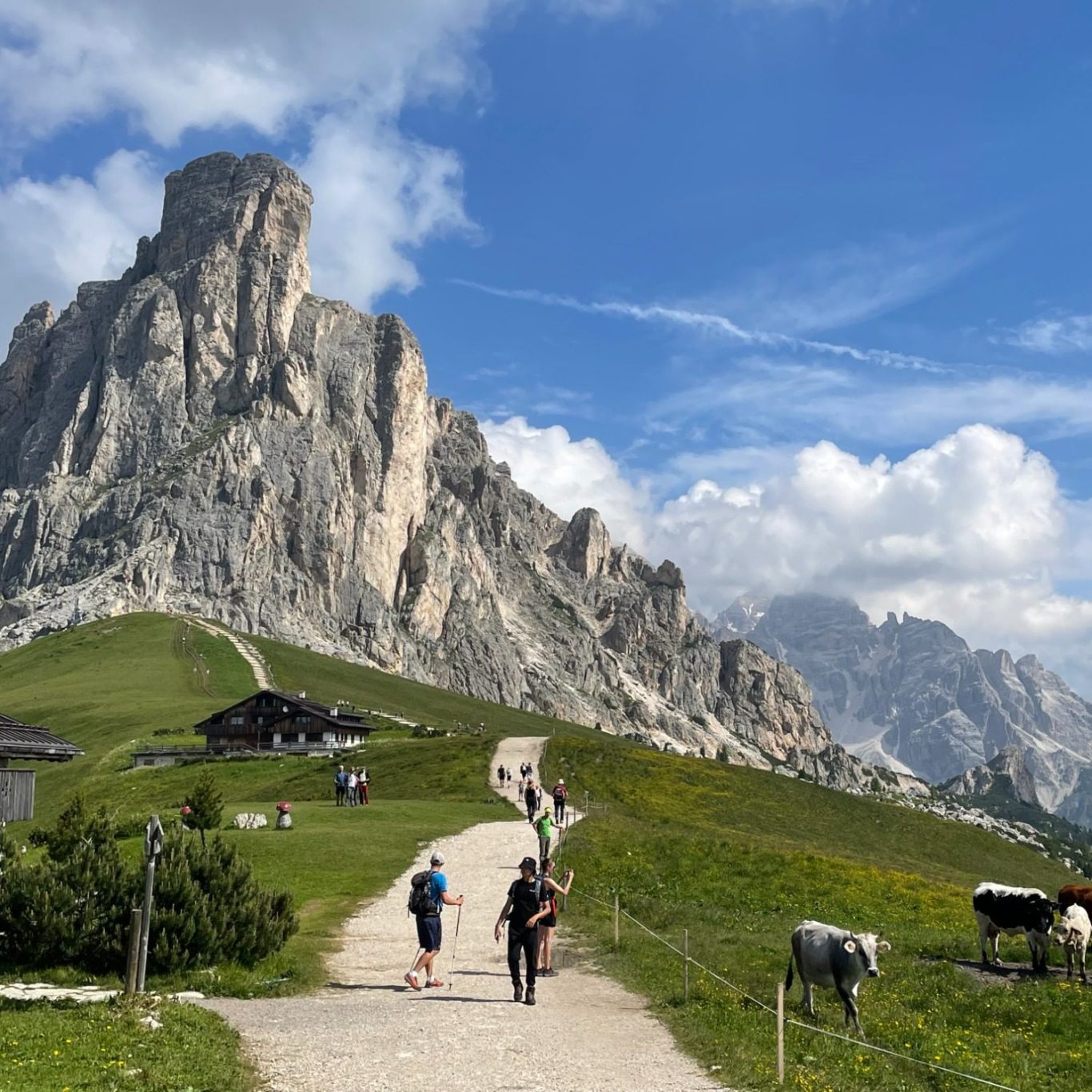
This is a 852 km journey with around 20,360 metres of climbing, best enjoyed over ten days of riding. Beginning in Bourg-Saint-Maurice in France, the route crosses three countries and some of the finest mountain landscapes of the Western Alps before finishing on the shores of Lake Constance in Lindau, Germany.
The first four days are spent in the Aosta Valley, one of the great mountain valleys of the Italian Alps. From here, the route climbs towards the Great and Little St Bernard Passes, crossing high Alpine terrain and linking quiet valleys, historic villages and spectacular mountain scenery. The character of the riding then changes as the route descends into the lower-lying foothills of Piedmont, where three days are spent exploring a gentler landscape of vineyards, wooded hills and the Italian lakes.
The final three days take the route across Switzerland, returning to the high mountains with climbs over the Sankt Gotthard Pass and Oberalp Pass. From Oberalp, the route reaches the source of the Rhine, before following the river downstream towards Lake Constance and the lakeside town of Lindau.
The stages are designed around roughly 2,000 metres of climbing per day, with none exceeding 130 km. This keeps the daily distances manageable, while allowing plenty of time to enjoy the landscapes and stop along the way. However, some sections pass through remote mountain country where accommodation is limited, so the stages may need to be adjusted depending on where overnight accommodation is available.
This is a journey that captures the extraordinary variety of the Western Alps: towering high passes, quiet Italian valleys, vineyards and lakes, historic Alpine villages and fast mountain descents. There is the cobbled ascent to the Sankt Gotthard Pass on the old Tremolo Road and a little gravel along the way, adding to the sense of adventure. From the French Alps to the source of the Rhine and finally the shores of Lake Constance, this is a truly memorable traverse of the Western Alps.
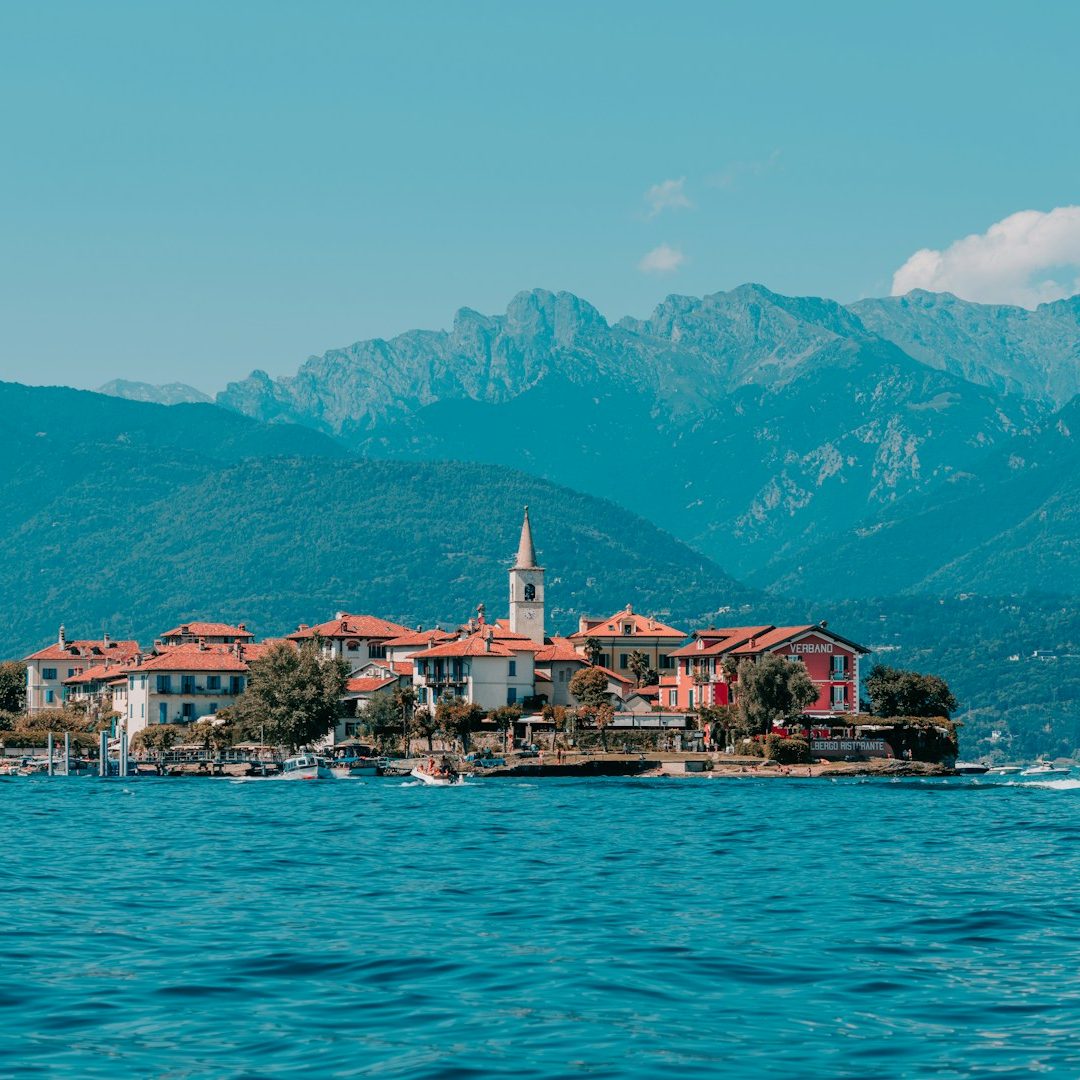
This spectacular west-to-east traverse of Austria runs from Bregenz on the shores of Lake Constance to Graz, covering around 822 km, 18,500 metres of climbing and 13 major passes. It is a demanding but wonderfully varied journey, best tackled over eight riding days with a rest day.
The route begins with the climb to Pfänder, one of the finest viewpoints above Lake Constance, before heading into the green hills of the Bregenzerwald. The Lorena and Hochtannbergpass lead towards the formidable Hahntennjoch, one of the first major tests of the tour. From the Inn Valley, the route climbs towards Kühtai, with the option of taking the steep Silzer Sattel, before continuing past Innsbruck and into the Zillertal.
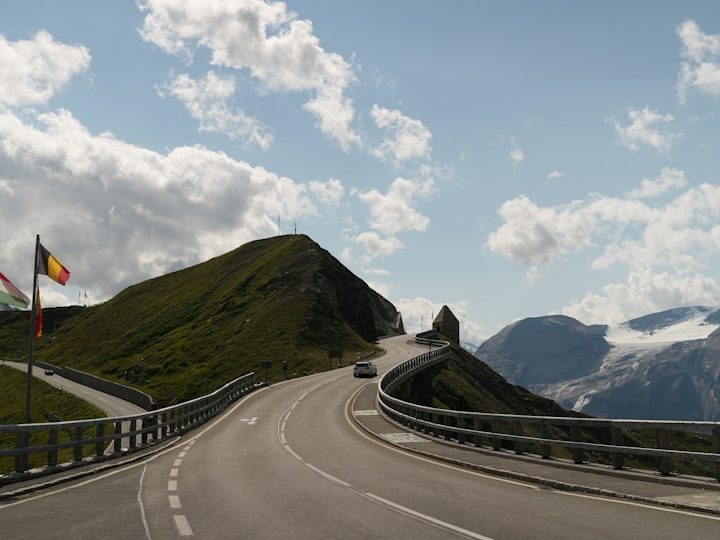
The Zillertaler Höhenstraße to Melchboden is another highlight: a narrow, demanding mountain road with spectacular views across the Zillertal Alps. From here, the route heads towards the Grossglockner, approaching via the Gerlos Pass and culminating in two spectacular high-altitude climbs. The road to the Edelweissspitze reaches 2,571 m, while the climb to Franz-Josefs-Höhe takes you to around 2,400 m, with magnificent views of the Grossglockner and surrounding glaciers.
Beyond the Grossglockner, the landscape gradually softens as the route crosses the beautiful Nockalmstraße, with its open mountain scenery and sweeping bends. The final section passes over the Hochrindl, Klippitztörl and Packsattelbefore descending towards Graz.
The appeal of the journey lies in its remarkable variety. It takes you from the shores of Lake Constance through the high Alps and Austria’s most spectacular mountain roads, before finishing among the lower, greener hills of Styria. The tour ends in Graz, with a direct train back to Bregenz that accepts bicycles, making the return journey particularly convenient.
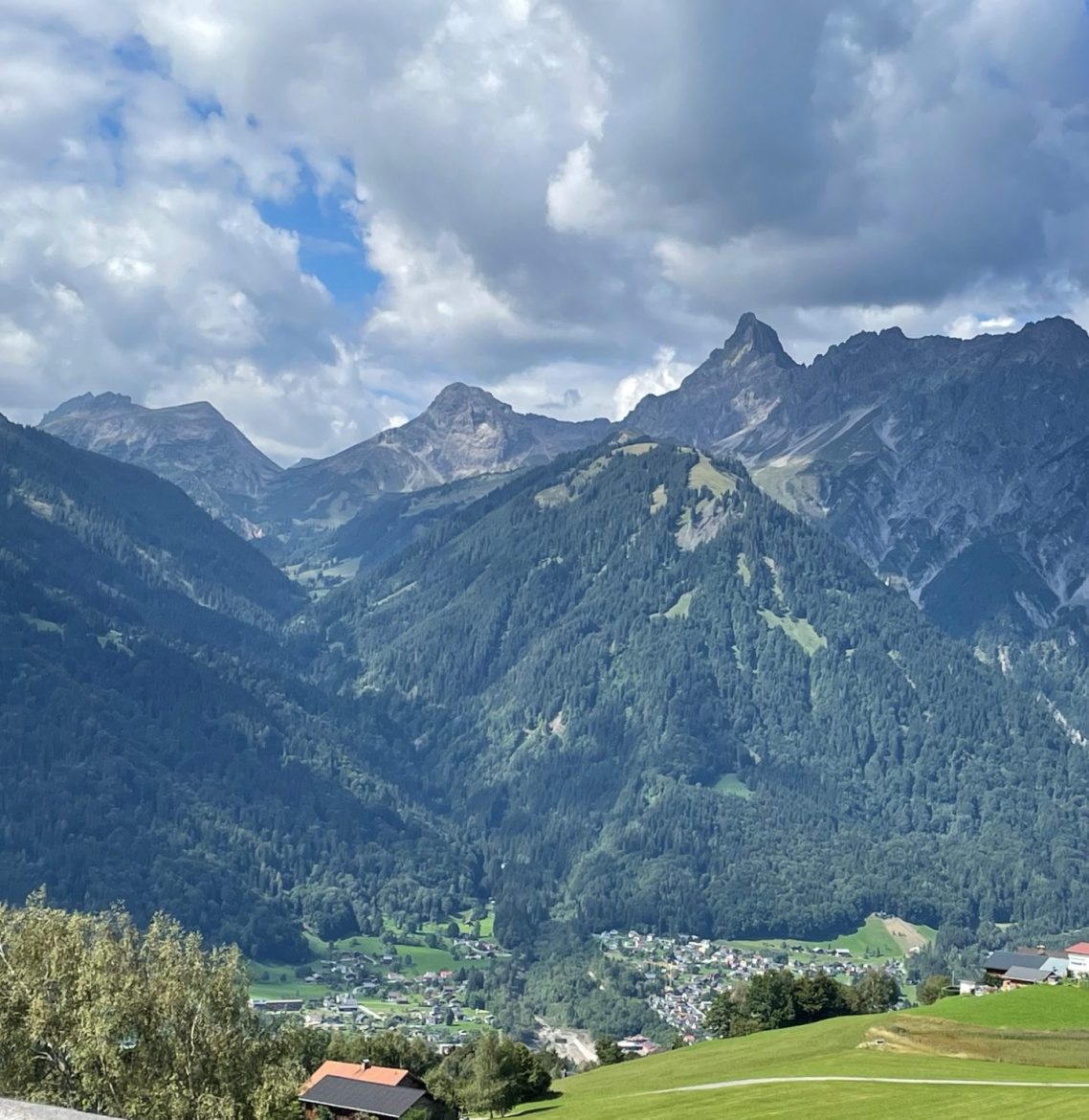
Epic Cycling Climbs Route 6 and 7: Crossing the Alps North to South from Munich to Upper Italy
Munich is a great starting point to cross the Alps north to south. These routes cover Germany, Austria and Italy and ending in Conegliao (Venice) and Bergamo (Milan) respectively. The route to Milan is more dramatic and climbs higher passes, whereas the route to Venice meanders more across lower lying passes with the exception of the Grossglockner Hochalpenstrasse.
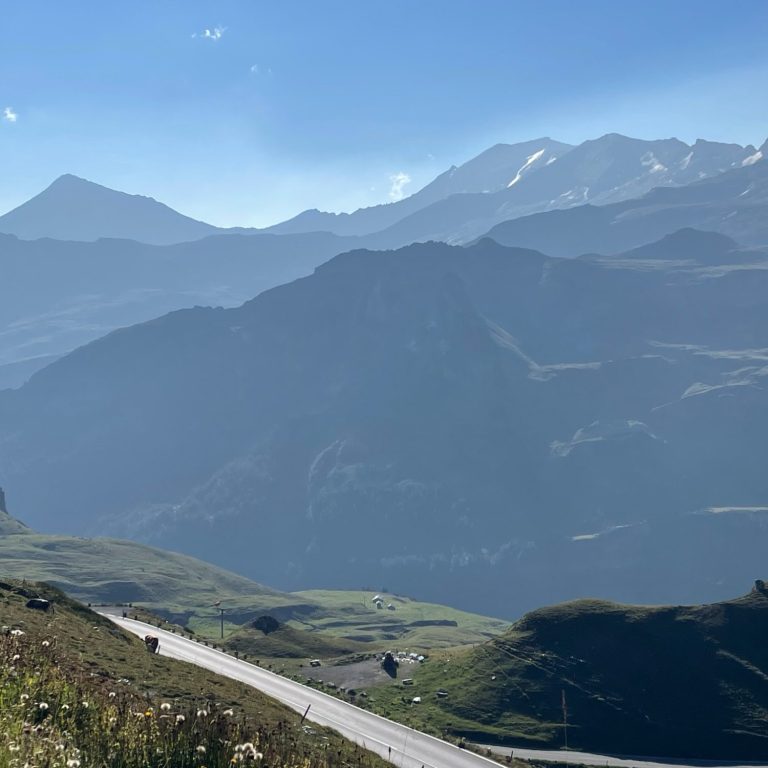
Starting from Munich, this route sets out towards Conegliano near Venice. It covers 567km, 12,000m climbing over 11 passes.
With the exception of the Grossglockner, these passes are all at lower levels and the route has therefore a more constant up and down character, especially in the Venetian Dolomites where there are great roads to explore like the Valle del Mis and the Passo San Boldo.
The northern run in through the Bavarian hills is more gentle which is great to get your riding legs going. I suggest 6 days riding and 1 rest day.
Route tip: There is some intense riding in the middle section of this route around the Grossglockner and then into Italy and a rest day in between the big days might be a nice way to break it up. Oberdrauburg sits in the middle of those heavy days and is a wee town that provides quiet and chill time.
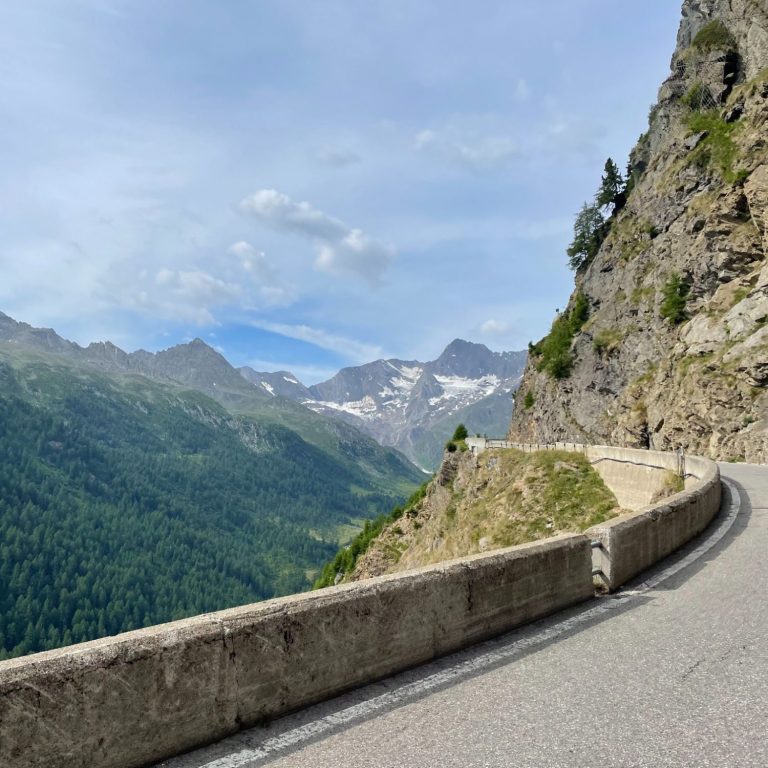
Another nice bike packing adventure takes you north to south from Munich to Bergamo.
I put together a route suggestion here with 590km in length and just over 12,000m climbing. This route includes dramatic passes with great cycling folklore as it traverses the Kühtai, Timmelsjoch, the Stelvio.
The northern run in through the Bavarian hills is more gentle which is great to get your riding legs going. I suggest 6 days riding and 1 rest day.
Route tip: The best place for a rest day is Merano which is historic spa town between Timmelsjoch and Stelvio.
There are hot baths, good food, and a cable car ride to Merano 2000 for great mountain views and hiking. What more to ask for on a rest day.
This 585 km journey from Lindau on Lake Constance crosses three countries and takes in 12,260 metres of climbing, with around six days of riding. Along the way, the route crosses five passes in Austria, three in Italy and two in Switzerland, with the mighty Stelvio Pass providing the high point of the tour.
The journey begins beside the waters of Lake Constance, before heading into the lower mountains of the Bregenzerwald and onwards into the high Alps of Tyrol. In Italy, the scenery becomes increasingly dramatic as the route climbs towards the Stelvio and Foscagno passes, with long sections of the ride taking place above 2,000 metres. The Stelvio is approached from the north, climbing from Prad am Stilfserjoch on one of the great roads of the Alps.
Switzerland brings yet another change of scenery. The spectacular Bernina and Albula passes lead through deep gorges, high valleys and mountain landscapes, with some gravel sections adding variety to the riding. From here, the route gradually descends through increasingly gentle terrain and attractive Swiss towns before reaching the Rhine Valley. The final, almost flat section follows the river back towards Lake Constance and Lindau.
Three countries bring different road surfaces, landscapes and mountain ranges, while the route combines famous Alpine climbs with quieter, lesser-known passes. There are high mountain roads, deep valleys and gorges, and even sections where the route crosses or runs alongside Switzerland’s remarkable mountain railway lines.
Lindau and Lake Constance make an excellent place to finish, offering the opportunity to relax beside the lake after several demanding days in the mountains. Lindau is easily reached by train from Munich and Zurich airports. If you prefer to avoid the opening section around Lake Constance, Rankweil provides a convenient alternative starting point in the Rhine Valley, also with good rail connections.
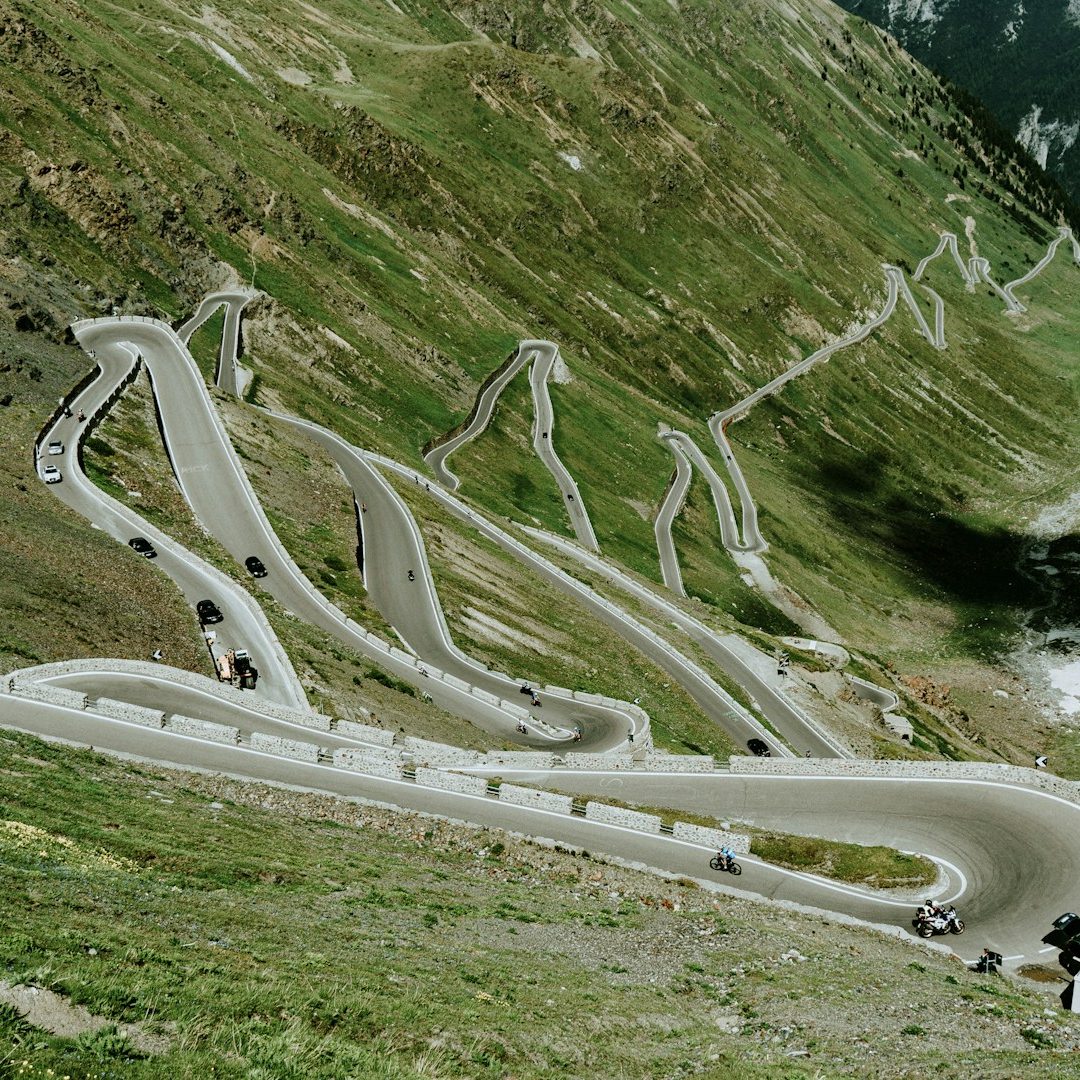
Multi day ride to cross the Italian Alps form Innsbruck across Alto Adige in Italy and back to Innsbruck, see the route here: Multi day route in Alto Adige from Innsbruck, 540km, 13,440m elevation gain across 9 climbs and passes and is broken down into six riding days with a suggested rest day in Wolkenstein. This is a great ride across the Alto Adige province and covers passes in the western Dolomites to the east of the Eisacktal valley and the passes and climbs of the Adige and Passeirer valleys. Without a rest day, this route is 6 days riding and requires five nights’ accommodation.
The ride starts off in Innsbruck which is very well connected via planes, trains and automobiles! So a great jump off point. The route goes up to the Brenner pass to Sterzing in Italy which is a shorter ride day to get the legs going. Likely to be busy though. Then the climbing starts in earnest with the Penserjoch the first climb on the agenda, the route then drops down to Bozen and then via shorter climb from the Eisack valley to Kastelruth via the Schlern mountain.
Kastelruth is the start for the next day will be rough with 2900m climbing up the Würzjoch through the lovely Villnöß valley followed the road to Alta Badia and the Grödnerjoch to Wolkenstein and always through the most breathtaking mountain scenery. A rest day would be in order.
The ride continues with another long but less tough climbing day with the ride up the Sellajoch as the main climb. Down to Canazei past the Sella mountain and through the Val di Fassa to the Karerpass. We take a right turn around the Rosengarten mountain and towards the Nigerpass only 1km down the road. The road continued to Seis and a scenic and magical ride into the Seiser Alm past the Schlern and overlooked by the Sasso Piato and Lungo mountains.
The following day, the route leaves the Dolomites and transitions to the Passeirer valley via Bozen/Bolzano and a sharp 1,000m climb up to Mölten, then high above the Adige valley to Merano and more down to earth along the Adige river to St Leonhard. The last day takes in the Jufenpass then down to Sterzing and ultimately back to Innsbruck.
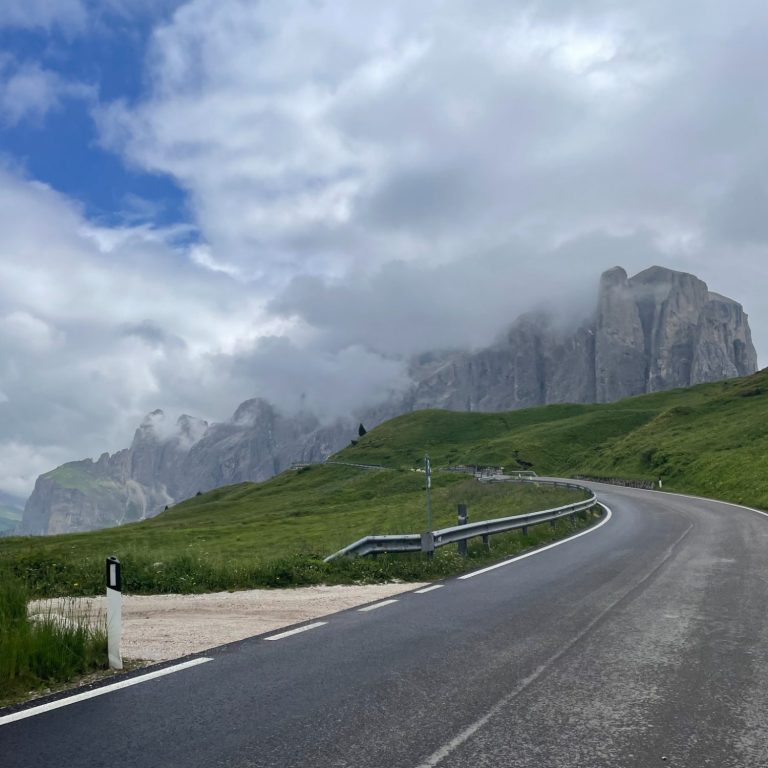
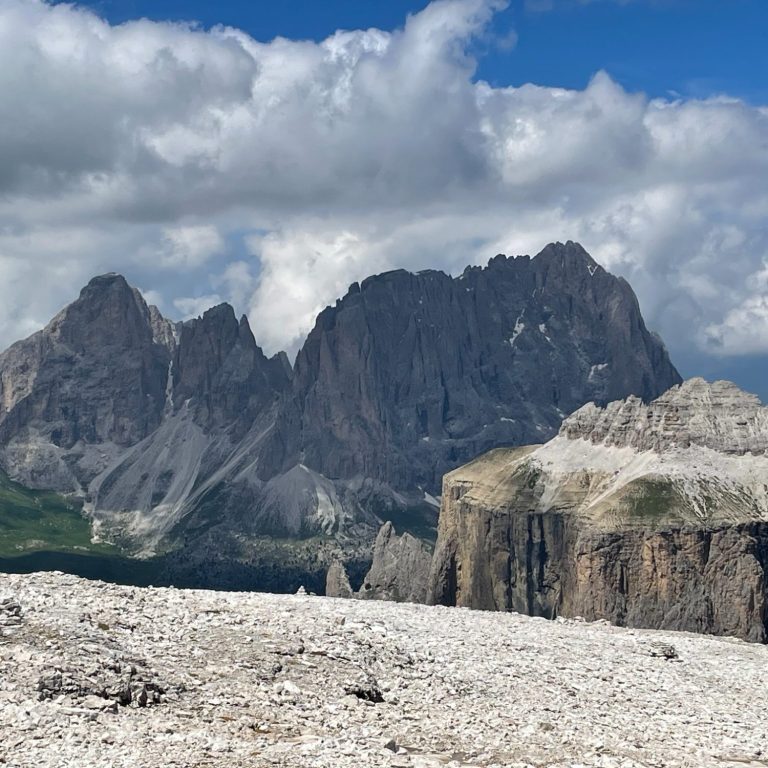
This spectacular 132 km route with around 4,200 metres of climbing takes in one of the most remarkable concentrations of high Alpine passes in Switzerland. Four legendary climbs — the Furka, Grimsel, Nufenen and Sankt Gotthard — rise above 2,000 metres and lie within a remarkably compact area south of the Rhône Glacier. Few cycling routes pack so much dramatic mountain scenery into such a short distance.
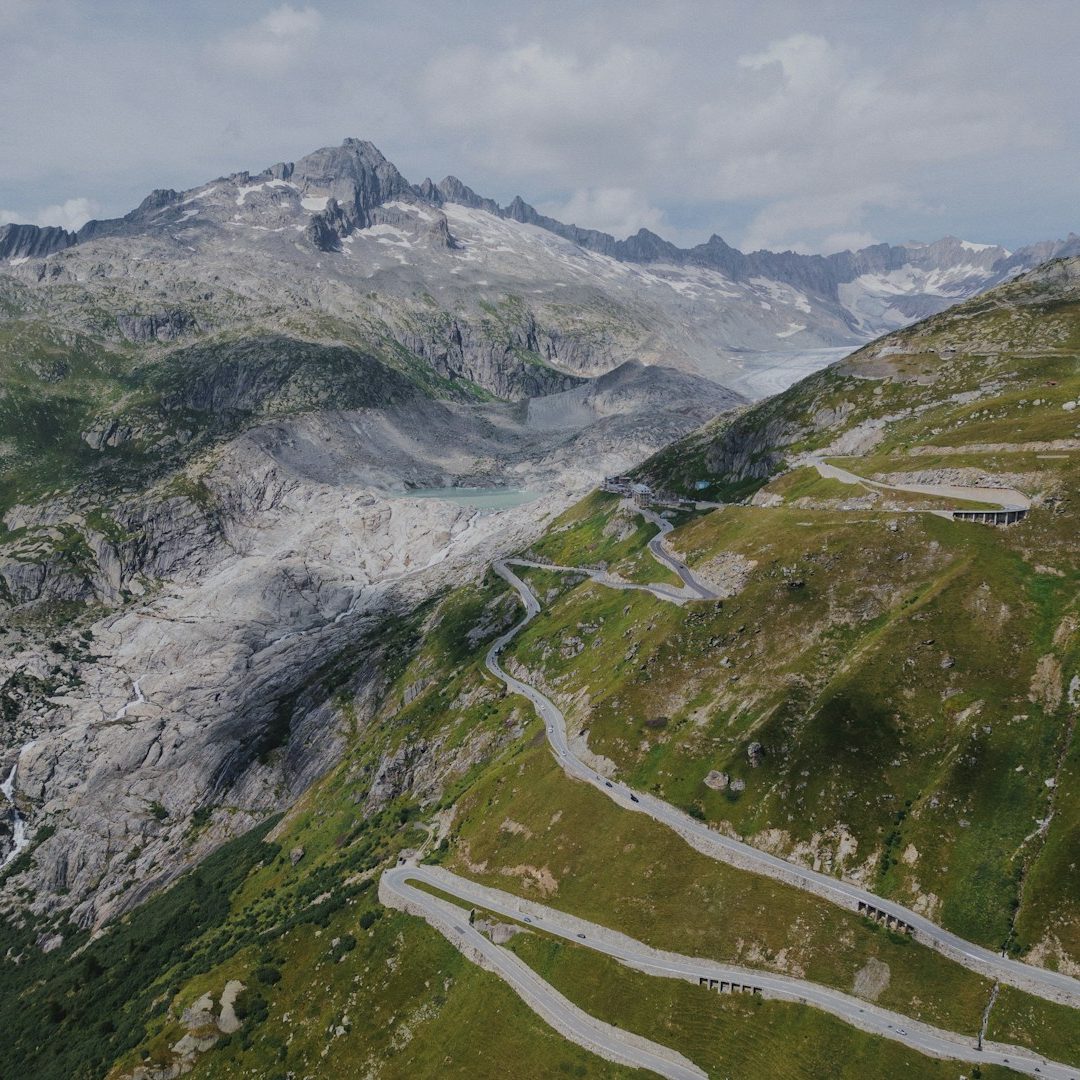
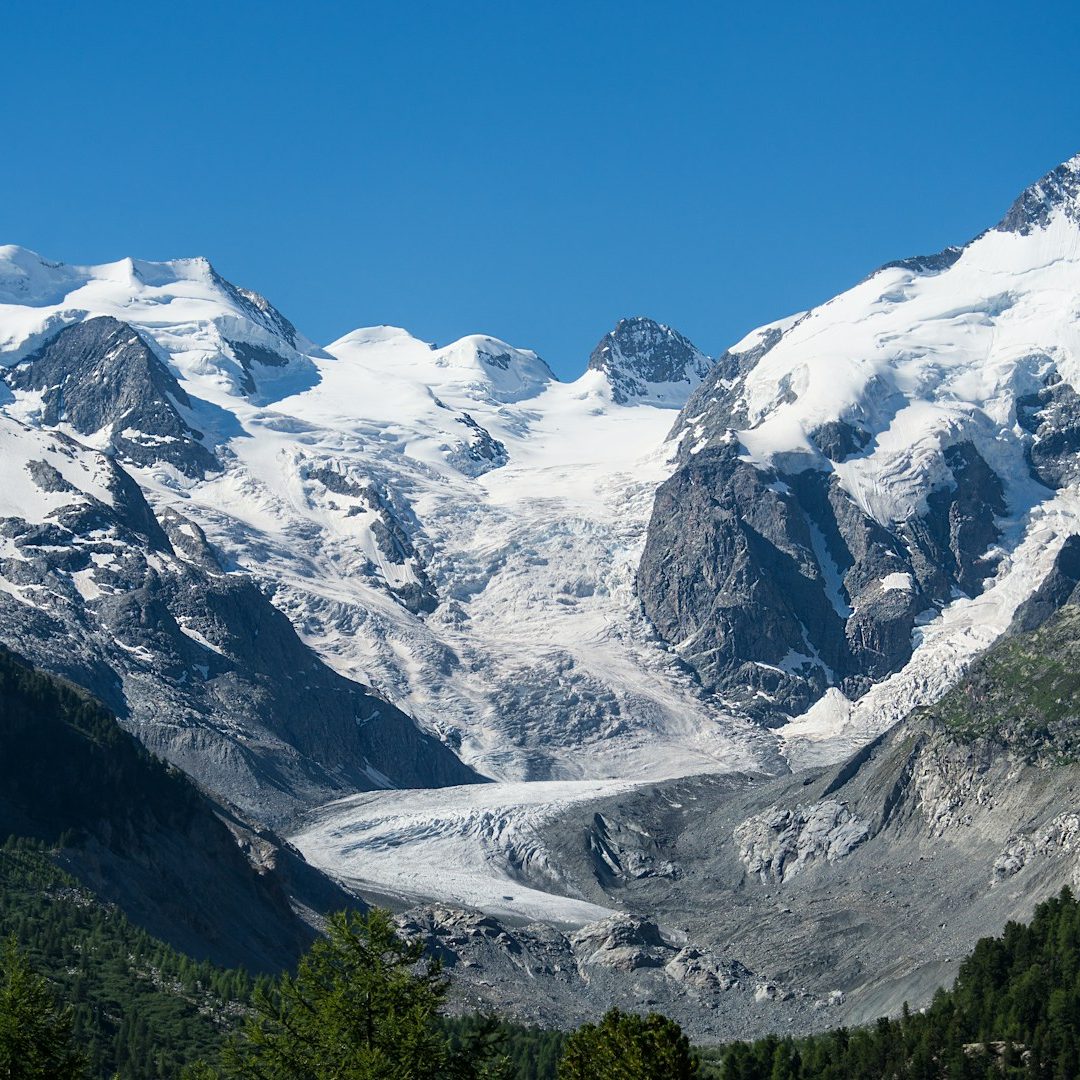
The landscape is almost otherworldly. The route passes beneath the Rhône Glacier, whose icy tongue once reached close to the road near the historic Belvedere Hotel as recently as the 1990s. The hotel now stands closed, a poignant reminder of the glacier’s retreat and the changing Alpine landscape. Just 150 years ago, the Rhône Glacier extended almost all the way to Gletsch, where the road to the Grimsel Pass begins.
The riding itself is equally memorable. Perhaps the greatest highlight is the ascent of Sankt Gotthard via the Old Tremola Road, where the famous cobbled road winds its way up the mountainside in a succession of tight hairpins. Riding this historic road is an experience in itself, combining a demanding climb with an extraordinary sense of travelling through Alpine history.
Everywhere, the route delivers superlatives: high passes, vast glaciers, rugged peaks, deep valleys and roads that seem purpose-built for cycling. The combination makes this one of Switzerland’s great mountain-pass journeys.
While strong riders can tackle the Furka, Nufenen and Sankt Gotthard in a single day, adding the Grimsel Pass and spreading the route over two days creates a far more relaxed experience. It allows time to pause at the viewpoints, absorb the immense scenery and properly appreciate one of the most spectacular corners of the Swiss Alps. There are also various ways of extending the route and for a three-day route including the Susten and Lukmanier passes, click here.
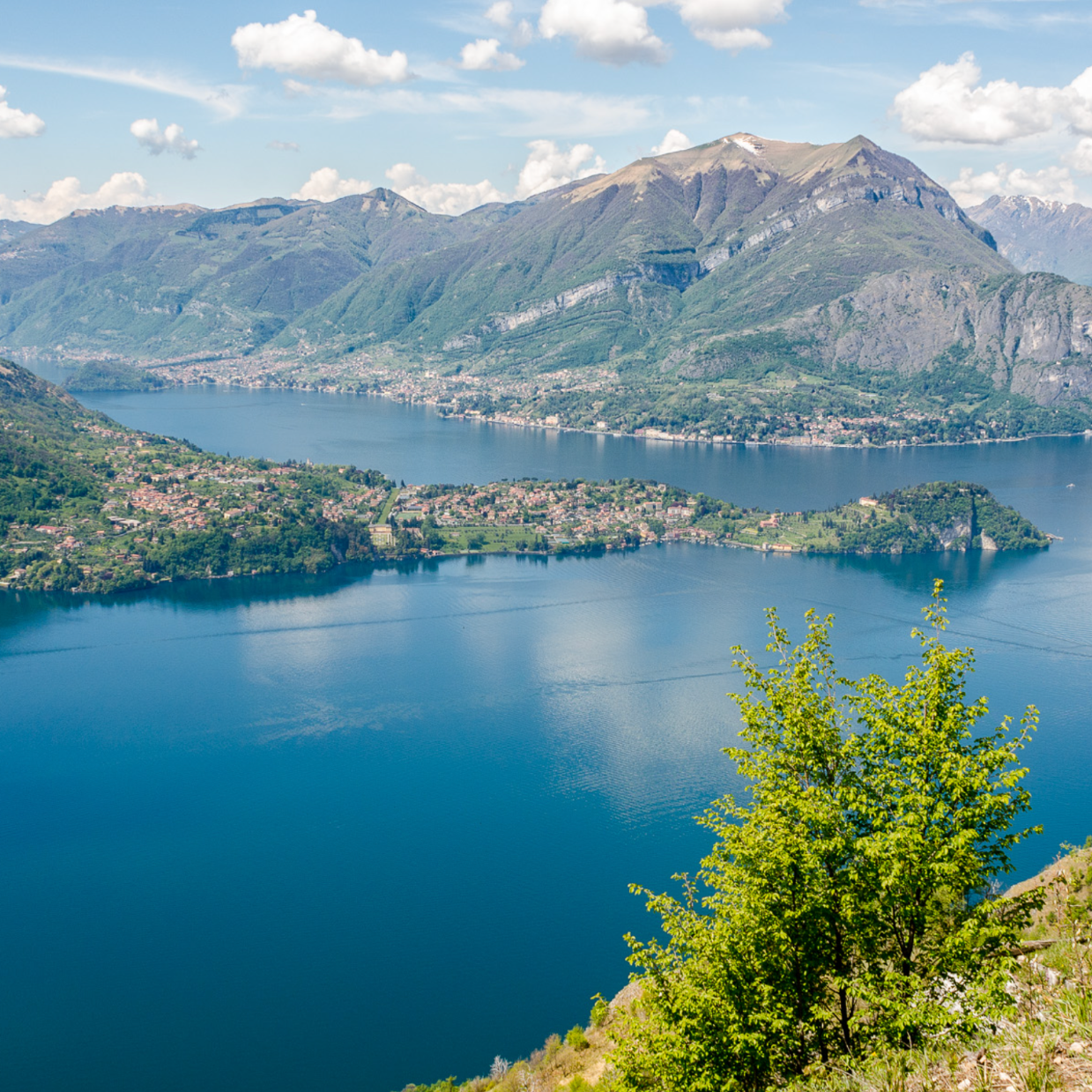
This 559 km journey, with around 15,400 metres of climbing, begins on the shores of Lake Como in Varenna and crosses the mountains of northern Italy before finishing in Innsbruck, Austria. Along the way, it takes in the lower-altitude passes and climbs of the Bergamo Alps in Lombardy, before crossing into Trentino and continuing through the dramatic landscapes of Alto Adige/Südtirol. The final Alpine crossing is the Penser Joch, leading into Austria and the Tyrolean capital of Innsbruck.
The route includes fourteen climbs and passes, making this a demanding journey despite its relatively modest distances. The lower Alpine passes can be particularly deceptive: although they do not reach the heights of the great Alpine passes, their gradients are often steeper, making for some surprisingly tough riding.
With around 2,000 metres of climbing per day, an eight-day itinerary gives plenty of time to enjoy the scenery and the many tempting villages, cafés and mountain stops along the way. The stages are moderate enough in distance and elevation that stronger riders could shorten the journey to seven days, averaging around 2,200 metres of climbing each day.
The route offers a wonderful progression through the Italian Alps, from the lakes and lower mountains of Lombardy to the high valleys of Südtirol, with constantly changing landscapes, architecture and mountain culture. Among the many climbs, Passo Crocedomini and the Penser Joch stand out as particular highlights, providing a fitting finale before the descent into Innsbruck.
This is a spectacular six-day cycling journey through the mountains of northern Italy and Switzerland, beginning and ending in Bergamo. The route brings together two very different Alpine worlds: the lower-lying Bergamo Alps, where steep climbs rise above picturesque villages, and the dramatic high mountains of Switzerland, where the great passes around Piz Bernina and Graubünden dominate the landscape.
Bergamo is an easy place to reach by either train or plane, making it an ideal starting point for an Alpine adventure. Over six days, the route covers 537 km and 12,780 metres of climbing, crossing ten mountain passes, five of them above 2,000 metres. In Switzerland, the route takes in the Albula Pass and Bernina Pass, as well as the remote Avers Valley, a beautiful mountain valley where traditional villages and landscapes seem almost untouched by time.
Back in Italy, the highlights include the Passo San Marco and Splügen Pass, together with a succession of demanding climbs that have featured in the Tour of Lombardy. The contrast between the quiet Italian mountain roads, historic villages and high Alpine passes makes for a remarkably varied journey.
The final stage is the longest, at 116 km with 2,890 metres of climbing. If this feels like too much after five demanding days, the final ascent of Passo di Ganda can be skipped. The climb, made famous by the Tour of Lombardy, adds around 680 metres of elevation gain, so leaving it out provides a more relaxed finish into Bergamo.
With stages averaging around 2,000 metres of climbing, this is undoubtedly a demanding tour, but the relatively moderate daily distances leave time to enjoy the scenery. From the rolling foothills around Bergamo to the stark grandeur of the Swiss high Alps, it is a wonderful journey through two of the most distinctive landscapes in the Alpine world.
La Routes des Grandes Alpes
Route
The most famous route to cross the Apls is the Route de Grandes Alpes in France from Lake Geneva to Nice. This route takes in around 16 passes, 750km and 18,000 elevation gain and this web-site sets out many of the route options.
There are variations and the route can be designed with more or less climbing, but all the highest and famous passes can be included: Col d’Iseran, Col de Galiber and the Cime de la Bonette. Some take detours like the Komoot route here does to Alpe d'Huez and ends in Monaco, some offer a gravel route and some replace the Cime de la Bonnet with the Col d'Allos or the col de la Cayolle.
Regardless of what route you take, traversing the French Alps north to south (or in reverse) is one of the greatest trips available in the Alps. This route on Komoot can get you started. For more inspiration, check out Mike Cotty's non stop ride form Evian to Nice on the Col Collective.
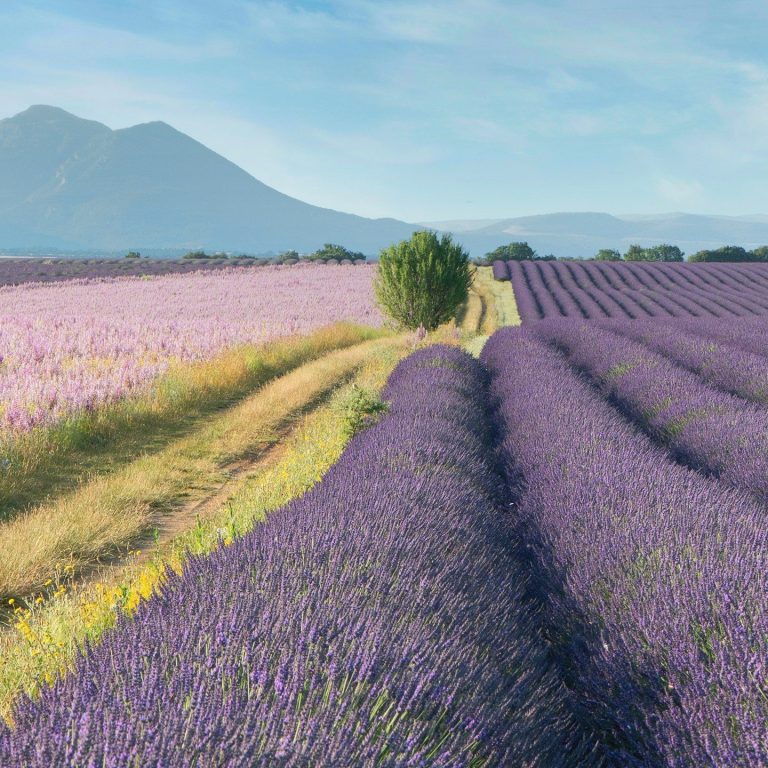
In the traditional heart of Provence, the foothills of the Alps gradually spill westwards from the high mountains towards the Rhône Valley and south to the Mediterranean coast around Marseille. This is a landscape of extraordinary variety, where lavender fields give way to fragrant garrigue, rolling hills, deep gorges and dramatic limestone cliffs. Historic towns and villages are woven into the countryside, none more evocative than Avignon, whose medieval streets and imposing papal palace reflect the rich history of the region.
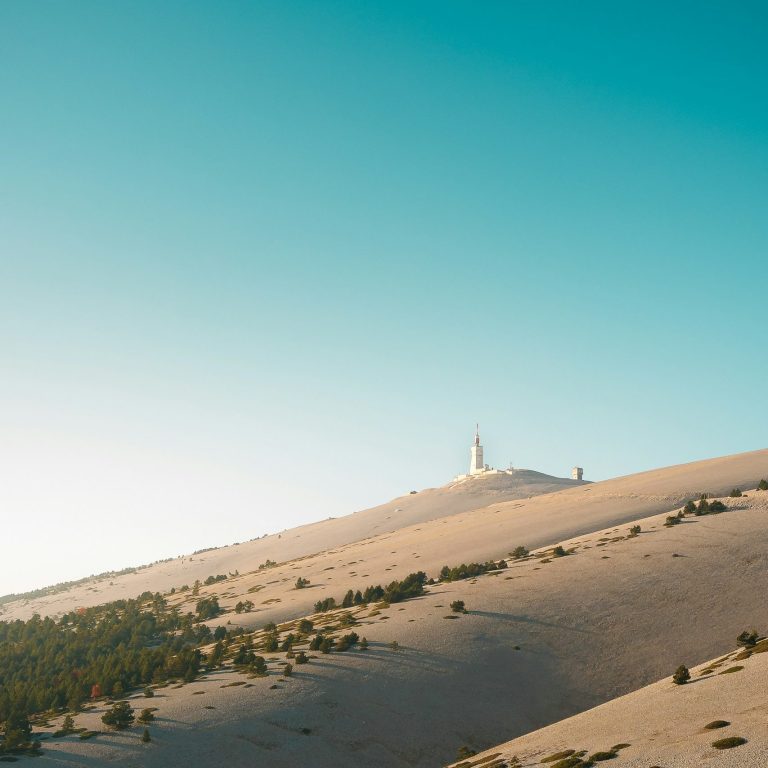
Watching over it all is Mont Ventoux, the great solitary mountain that has become the guardian of Provence and one of cycling’s most iconic climbs. This route takes in the full variety of the Provençal landscape, winding through lavender fields and vineyards, crossing minor passes and rivers, and threading its way through spectacular gorges before tackling the summit of Mont Ventoux. Along the way, it visits sleepy provincial towns and characterful villages, as well as historic Avignon, situated at the heart of Provence and serving as an important cultural and historic gateway to the region.
The journey begins and ends in Toulon, on the Mediterranean coast, although it can equally be started from Avignon. Both cities are easily accessible by train, making the route straightforward to reach without a car.
Over seven days, the route covers 706 km and 12,470 metres of climbing, taking in some of the finest scenery in southern France. Highlights include the spectacular Gorges du Verdon, the challenge and majesty of Mont Ventoux, a memorable stop in Avignon, and the rolling hills and numerous minor passes of the Provençal interior. The final stages descend through the vineyards of southern France towards the warmth and blue waters of the Mediterranean, providing a fitting finish to a journey through one of France’s most beautiful cycling regions.
A truly wonderful ride, with stages between 67 and 118km in length and 820 to 2,200m of climbing, allowing plenty of time to appreciate the lovely surroundings.
Bavarian Alps West to East:
Epic Cycling Climbs Route 14
This wonderful 562 km journey across the Bavarian Alps runs from Lindau in the west to Salzburg in the east, with around 8,790 metres of climbing. It can be ridden in five days by stronger cyclists, although six days allows more time to enjoy the landscape and the many places worth stopping along the way.
The route broadly follows the German–Austrian border, occasionally crossing into Austria to take in passes and mountain roads that mark the frontier between the two countries. In addition to Alpine climbs, the journey explores the rich variety of the lower mountains: countless small climbs and saddles, sparkling lakes, hidden valleys, rivers and open farmland and pastures.
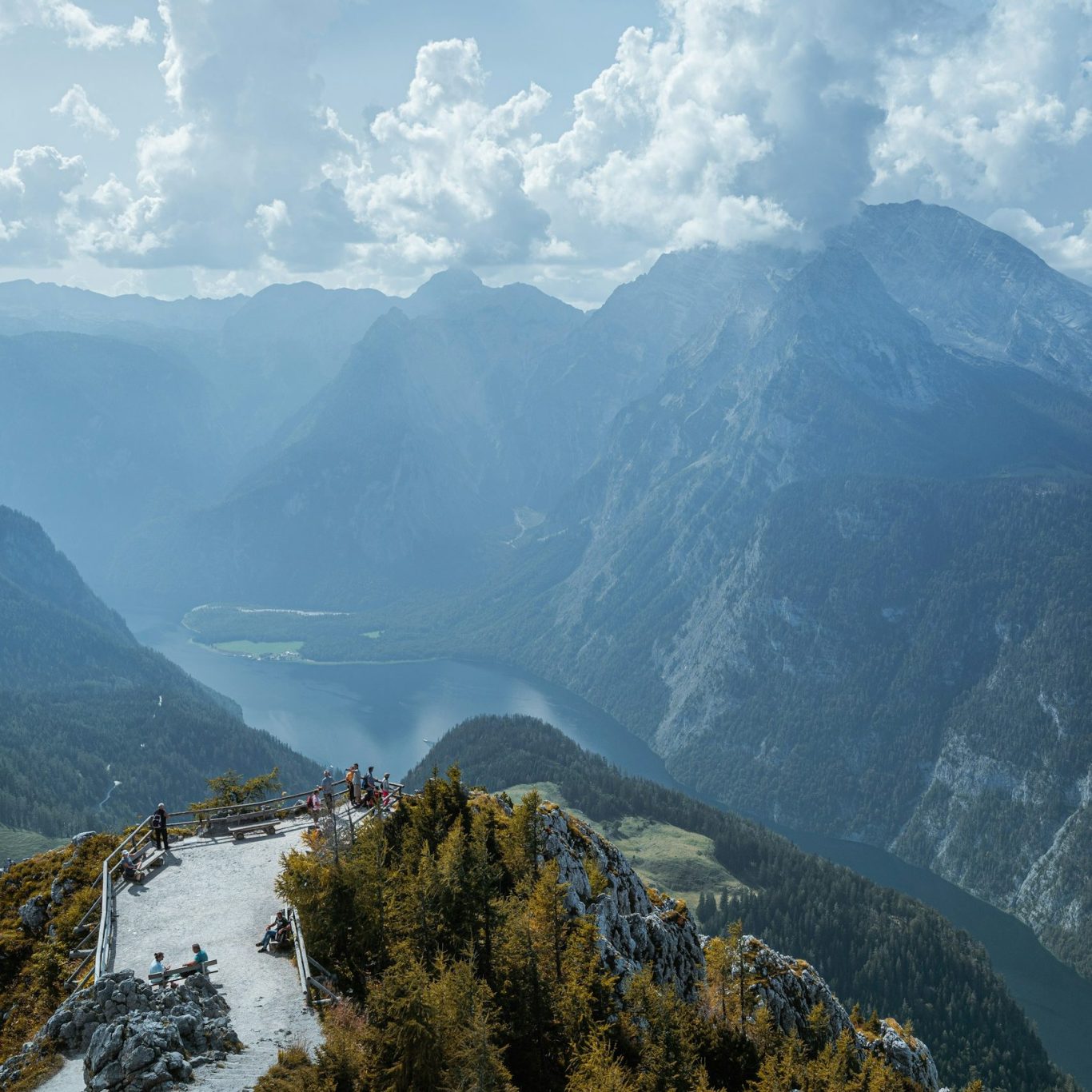
This is classic Bavarian cycling country, with castles and monasteries, picturesque villages and traditional beer gardens providing plenty of opportunities to stop and refuel. The landscape is particularly appealing in the transition between the rolling hills of the Allgäu and the higher mountains further south. The journey culminates dramatically in Berchtesgaden, with the climb to the Rossfeld Panorama Road, Germany’s highest road and a fitting finale to the tour.
Both ends of the route are easy to reach by train. Lindau has good rail connections, while Salzburg is particularly convenient, with direct links to Munich and the wider European rail network.
The route makes every effort to use quiet side roads and cycleways, although around 133 km are on state roads. Traffic is therefore an unavoidable part of cycling in this busy corner of the Alps, particularly around the larger valleys and transport corridors. Nevertheless, these sections are outweighed by the peaceful lanes, mountain roads and beautiful landscapes that make this such a memorable journey through Bavaria.
Get in touch about any of the routes
Let us know what mountain riding adventure you are after and we will help you with routes, tips and insights.