Epic Cycling Climbs Route Across Italy
East to West & South to North
Route 1: Riding the Eastern Italian Alps from East - West (Conegliano to Sondrio)
Multi Day ride across Italy from Conegliano (Venice) to Sondrio (Milan): This route through Italy starts in Conegliano just north of Venice and ends in Sondrio, north of Milan. This is a 500km route climbing around 12,100 meters over 11 mountains. A suggested 5 days riding with a rest day in Merano.
Stage 1: Conegliano to Dont, 97km, 2730m elevation gain, Climbs: Passo San Boldo, Forchella Franche, Passo Duran -
Starting in the Venetian low lands and steadily rising, Passo Duran at 1604 and 994m climbing is the first stern test. Before we get there, we pass Passo San Boldo which is a very special road. At 751m it is a low lying pass but the way the switchbacks are built through the rock and are hidden in rickety little tunnels is totally unique. This stage ends in Dont which is a small village and depending on your accommodation, the end of day 1 and start of day 2 might be flexible between Passo Duran and Passo Staulanza. See route here
Stage 2: Dont to Arabba, 74km, 2670m elevation gain, Climbs: Passo Staulanza, Giau, Falzarego -
Riding superlative in the Dolomites. What a day this will be. Passo Staulanza provides an easy entry into the Dolomites and Passo Giau provides the pinnacle of road riding in these parts. This is the true King of the Dolomite Passes. The downhill to Pocol is gem. The road then continues to Passo Falzarego and follows on a ride to Arabba which stays high above the valley floor. Just wonderful. Arabba is a great little stopover place for a multi day ride. See route here
Stage 3: Arabba to Merano, 107km, 1410m elevation gain, Climbs: Passi Pordoi, Passo Costalunga.
The day starts with climbing the wonderful Passo Pordoi which is gentle giant amongst the Dolomite passes and offers monster views on the Sella before descending on an excellent road to Canazei. After a valley ride through the Val di Fassa, the route climbs the Passo Costalunga and descends on a quiet road to Bolzano. After crossing the city, cycle paths along the river Adige go all the way to Merano. See route here
Rest day in Merano
Merano is a historic spa town and a great place for a rest day as the next two days will be challenging. Check out the Merano Thermal Bath for recovery and relaxation.
Stage 4: Merano to Bormio, 96km, 2570m elevation gain, Climbs: Passo Stelvio
This is going to be a tough but memorable day riding your bike. The valley ride form Merano rises steadily for around 50km from 300 to 900 metres to Prato and has a relentlessness about it due to its length. At Prato, the ascent to the Stelvio starts. Iconic 48 hairpins later, the pass arrives at 2759 meters altitude. Riding the Stelvio pass is a unique experience and not to be rushed. The descent to Bormio cover the last 25km and is fast and furious on great roads. See route here
Stage 5: Bormio to Sondrio, 127km (50km downhill at the end), 2490m elevation gain, Climbs: Passo Gavia, Passo Mortirolo.
The last push with Gavia and Mortirolo on the menu. Passo Gavia is a wonderfully remote climb with exquisite views and a road that has been resurfaces around 2023/24. Once down again through the magical Valle di Messi and past Ponte di Legno, the valley goes to Mono and then up the very steep Passo Mortirolo. Legendary for its leg-breaking nature, it is especially steep from Mono. If that is too tough, you can stay on the road and ride over Passo Aprica to Sondrio. From Sondrio, public transport takes you to Milan and onwards. See route here
Route 2: Cycling the entire Italien Alps East to West
Route 2: Riding all of the Italian Alps - East to West:
This route through the Italy Alps starts in Conegliano just north of Venice and ends in Bourg Saint Maurice in France, just off the Aosta Valley. Overall the route covers around 1,250 km and 31,000 m climbing. Based on around 2,000 m climbing per day, there would be around 15 stages plus around 4 rest days.
I cut this route into three section:
Section 1 from Conegiano to Sondrio as outlined above. This is a 500km route, climbing around 12,100 meters over 11 mountains and 5 - 6 days of riding. The route traverses the Dolomites and the high passes of the Lombardy. Possible stages are detailed above under Route 1.
Section 2 from Sondrio to Pella on Lago di Orta.
This is a 319 km route, climbing 6,390m and 3-4 days of riding. The route covers the Northern Italian lakes: Lago di Como, Lugano, Maggiore and Orta, crosses into Switzerland at times and climbs 4 mountains.
Section 3 from Pella on Lago di Orta to Bourg Saint Maurice in the French Tarantaise valley.
This is a 419 km route, climbing 11,950 m over 10 mountains (some of them lower lying) and 6 days of riding. The route covers the lower lying Pientmonaise Alps and the high passes in the Aosta valley before ending in France in Bourg Saint Maurice.
Route 3: Cycling the length of Italy South to North
Ride Italy South to North
Italy is a truly fabulous cycling destination—but what would it be like to ride the length of the country (or most of it) by bike? Climbing famous ascents, experiencing shifting climates, passing an endless stream of hilltop villages, enjoying unrivalled scenery, and discovering countless quiet backroads—all complemented by exceptional food. Italy is so varied that cycling here is always rewarding, but riding from south to north elevates the experience to something special.
This itinerary is divided into four sections—Sicily, the south, the centre, and the Alps—covering a total of 1,734 km with 34,270 m of elevation gain, typically ridden over 20 days. It is not a fixed route, but rather a suggestion of what such a journey could look like.
Some sections of a full south-to-north crossing are omitted. The route includes a ferry or train ride from Messina in Sicily to Salerno in Campania, and a train transfer from Florence in Tuscany to Verona in Veneto, bypassing the less interesting northern Italian lowlands. This allows the focus to remain on the most compelling landscapes: the rugged interior of Sicily, the various national parks of the southern Apennines, the central Apennines mountains and Tuscany, and the alpine north.
The best time to ride this route is from early May to mid June, when the south remains pleasantly temperate and the high alpine passes are typically snow free by the time you reach them.
Adventure of a lifetime
This route takes in a fair bit of climbing with just around 2% gradient over the entire ride. Italy is a mountainous country and all the various mountains and national parks - some remote and wild - are a joy to discover.
Sicily
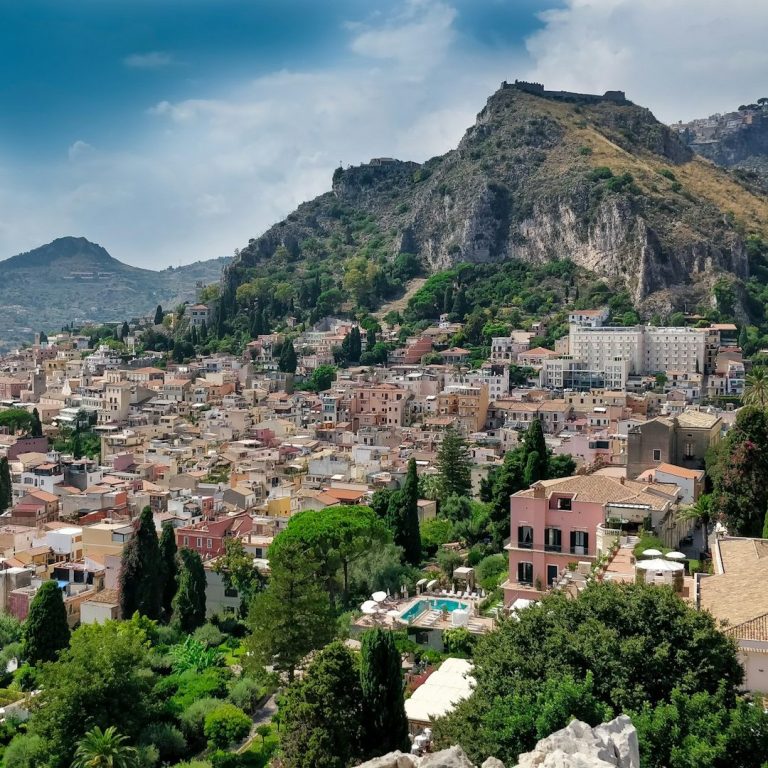
The route starts in Palermo, a city that can feel a little rough around the edges, where the legacy of mafia influence is still visible in the form of unfinished roads and buildings across parts of Sicily. Leaving the city, the route follows the coast for around 55 km before turning inland to climb into the Madonie Mountains, reaching passes over 1,600 m in altitude.
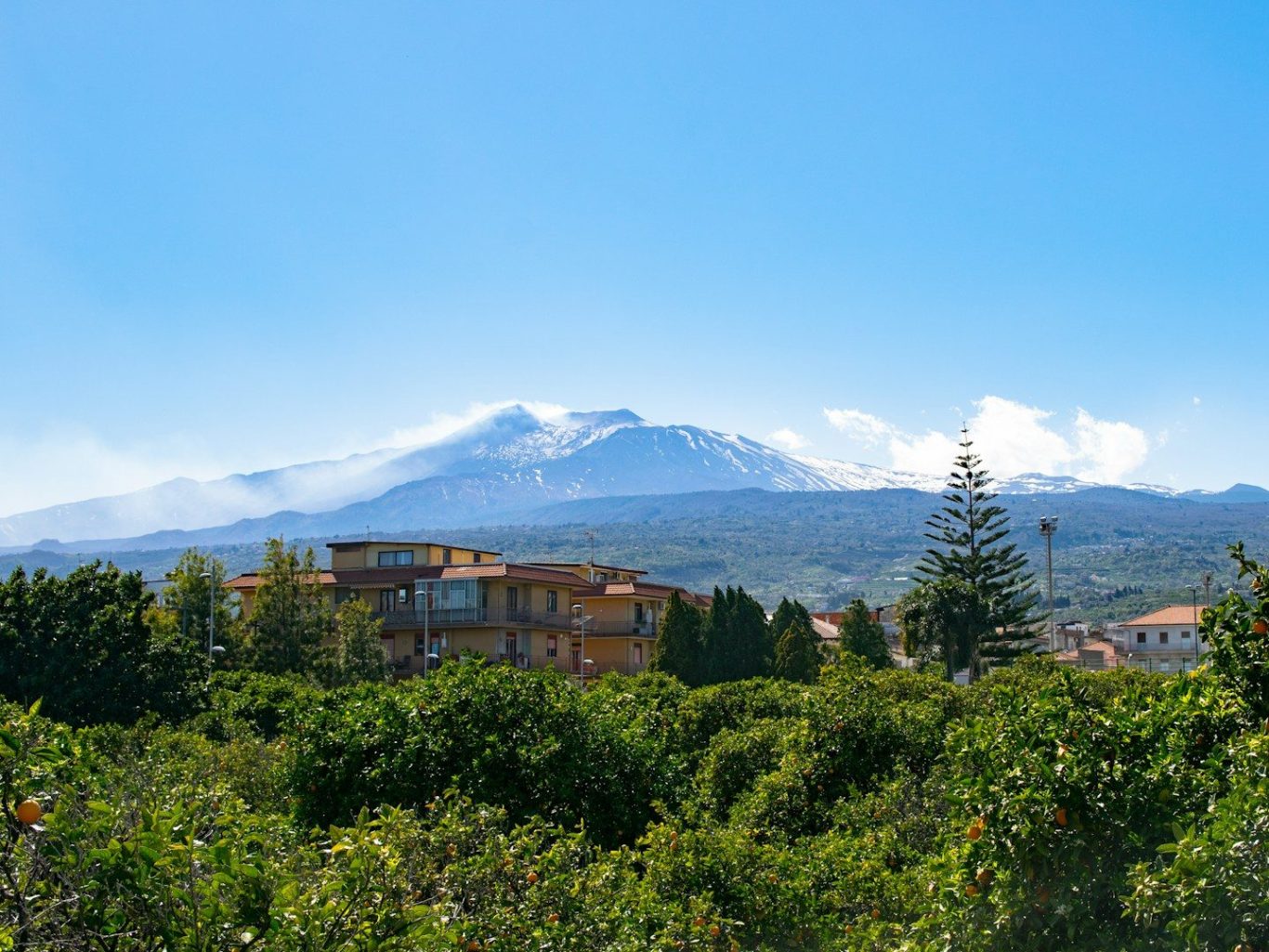
From here, the road meanders through mountainous terrain with wide, open vistas, passing through the hilltop town of Nicosia before skirting to the north of Mount Etna. Given the proximity, an extra day can easily be added to explore and climb around Mount Etna. For those continuing on, the route descends back to the coast and heads to Messina, where a ferry or train connects to Salerno.
In total, this section covers 355 km with 5,980 m of climbing, typically completed over 3–4 days.
Southern Italy
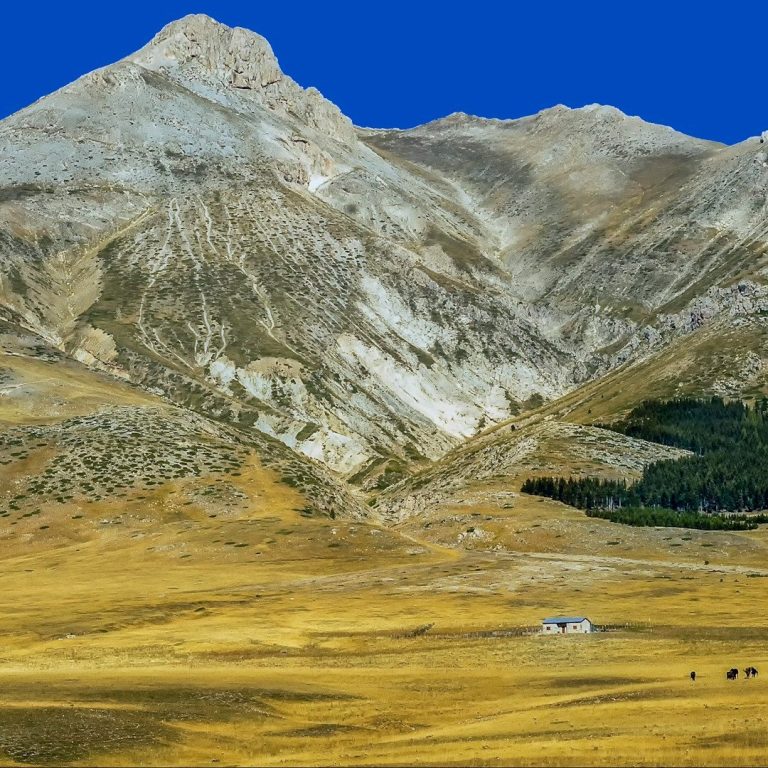
The southern adventure begins in Salerno and leads through the Apennine Mountains across Campania, Molise, and Abruzzo. Along the way, it takes in climbs such as Campitello Matese in the Parco Nazionale del Matese, Passo Forchetta in Majella National Park, and the spectacular Campo Imperatore in the Gran Sasso National Park. The route also passes through hilltop villages like Castel del Monte, made famous by the film The American and through charming towns like Isernia and Benevento.
Due to the longer distances and more remote terrain, around 140 km of the route follows state roads to connect the climbs in the national parks the route traverses.
In total, the route covers 493 km with 10,040 m of elevation gain, typically ridden over 5–6 days, and finishes in Teramo, a beautiful hilltop town. For those seeking an additional challenge, the ascent of Blockhaus can be included.
Central Italy
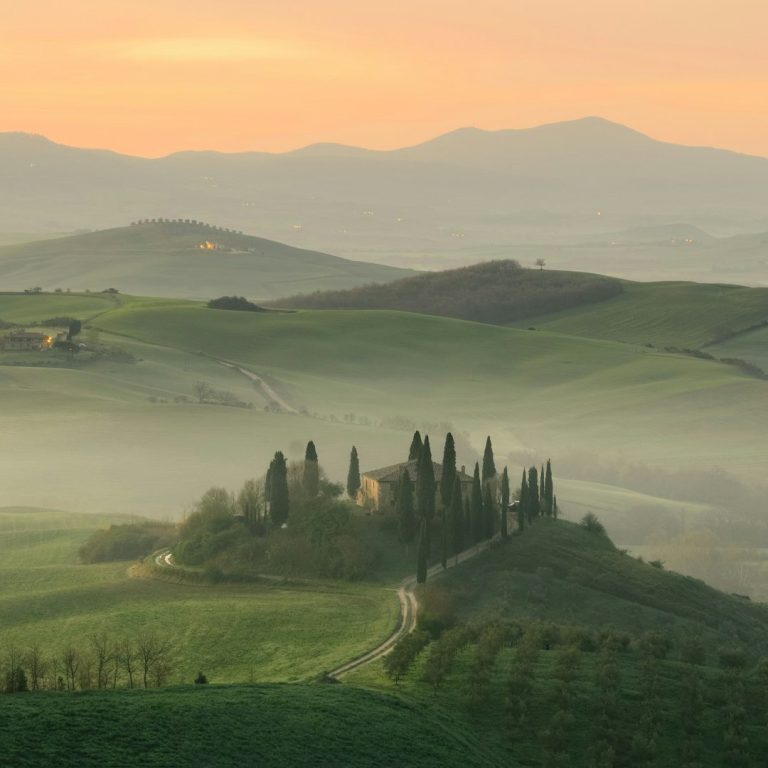
The route continues from Teramo to Florence, crossing the Apennine mountains and riding to Florence via Siena through Tuscany on a 536km route with 10,200 m climbing. At first a number of passes over 1,000m elevation need to be negotiated before culminating in an ascend to the fabulous Sella di Leonessa at around 1,900m elevation. It then transitions through the lower lands of Umbria and Lazio to Lago di Bolsena via Rieti. The route then crosses into Tuscany and rides through the tuscan hills and vineyards to Florence via Siena. Allow 6 days riding.
Alternatively, and if you want to continue climbing, you can follow the northern stretches of the Apennine Mountains. Along the way, one pass follows another, with incredible vistas and vast open spaces giving way to dense forests. It is the remoteness and authenticity of the landscape that make this section truly captivating. This route covers 529 km with 12,250 m of elevation gain, typically ridden over 6 days. See route here.
Alps
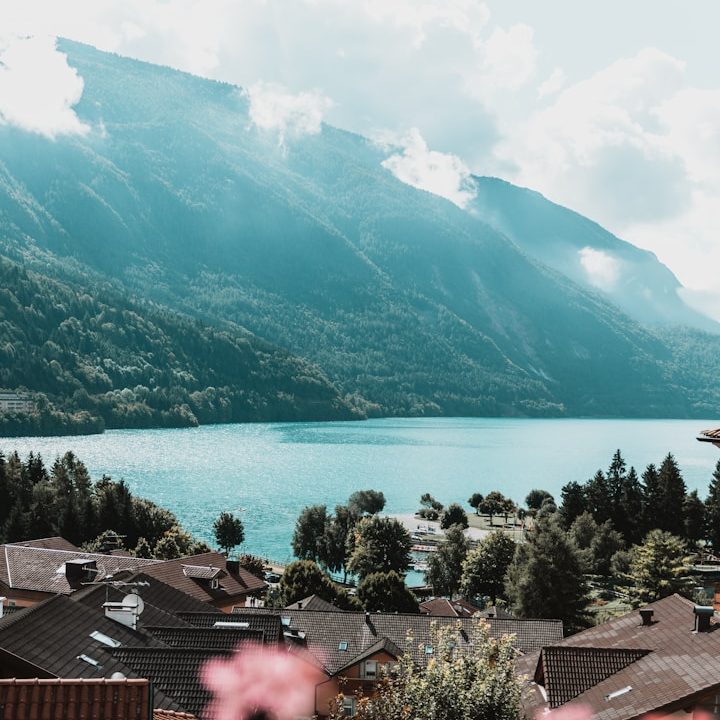
After a train ride from Florence, the last section starts in Verona which is the gateway to the Alps and has historically been an important location for both defenders and invaders of Italy. The route begins with a ride through the alpine foothills of Valpolicella to the Passo dello Fittanze before descending to Lake Garda. From there, it continues towards Lago di Molveno, passing extraordinary canyons, and then climbs towards Ultental via the Sella di Andalo and Hofmahdjoch pass.
The route reaches Merano, a charming mountain spa town, and continues up the Adige Valley to St. Leonhard before tackling the Jaufenpass—the final major climb—followed by a long descent all the way to Innsbruck in Austria.
In total, this section covers 351 km with 8,150 m of elevation gain, typically completed over 4 days. You can find here an alternative 5 day route from Verona to Innsbruck through the Dolomites which is 397 km in length, climbing 9,850 m.