Bikepacking
Bikepacking has a very different dynamic from day rides even if you ride on holiday and in new places. More immersed, more intense, more adventure, more freedom.
Bikepacking is a great way to get away and reach further, which means more time spend exploring, more time experiencing the countryside and more time getting immersed in wherever you go riding rather than fighting local traffic. There is also a social element to bikepacking even if you ride alone as you might meet other bikepackers en-route or where you stay.
Let the adventure begin
Back-to-back rides — especially in challenging terrain and unfamiliar areas — require a different mindset and a strong sense of curiosity. You may have to deal with whatever challenges arise along the way, whether that be bad weather, mechanical breakdowns, closed roads, or unexpected detours. The question, “Can I reach my destination?” lingers in the back of your mind.
At the same time, you are on an adventure — often following a route you designed yourself, riding roads you have always wanted to explore, or taking on a challenge you have long hoped to complete. That experience feels very different from simply getting on your bike in the morning for a single ride, even if that ride is up an iconic pass like the Stelvio.
Where are you going?
This is probably the most important question as it will determine if this is a road or gravel ride, if you need to camp or stay at hostels or B&Bs, if there is cycling infrastructure and if you can abort your ride if you had enough or get caught out.
For me the answer is a "road" that requires a road bike or at a stretch a rough road that might be better with a gravel bike.
I would also not want to camp which eliminates rides in places like Iceland as I do like my creature comforts of a soft bed and hot shower. If you camp though, that opens options to be flexible during your ride or to be somewhere wilder which is harder to do on a route with pre-booked accommodation.
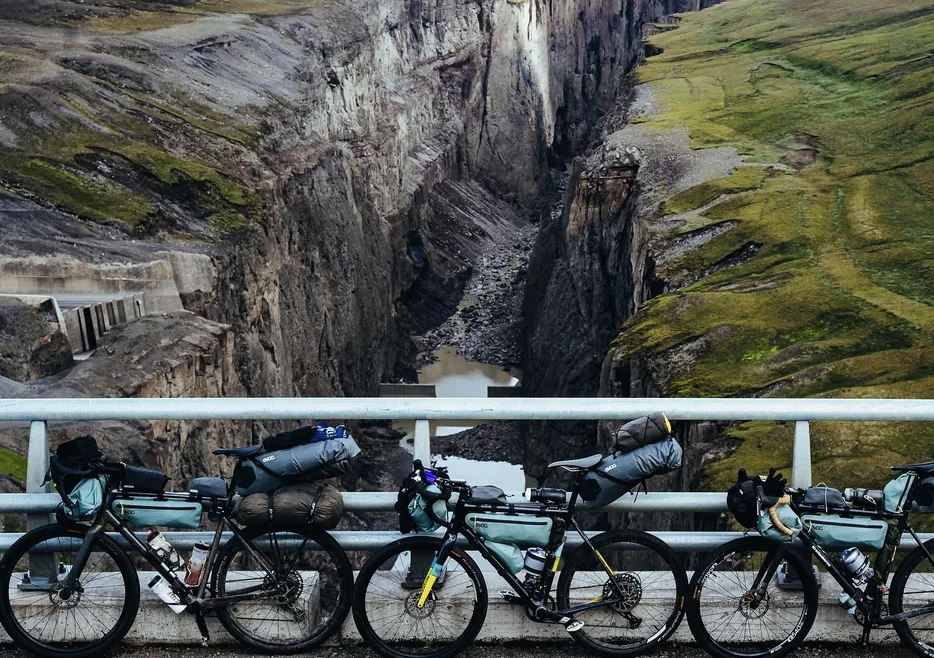
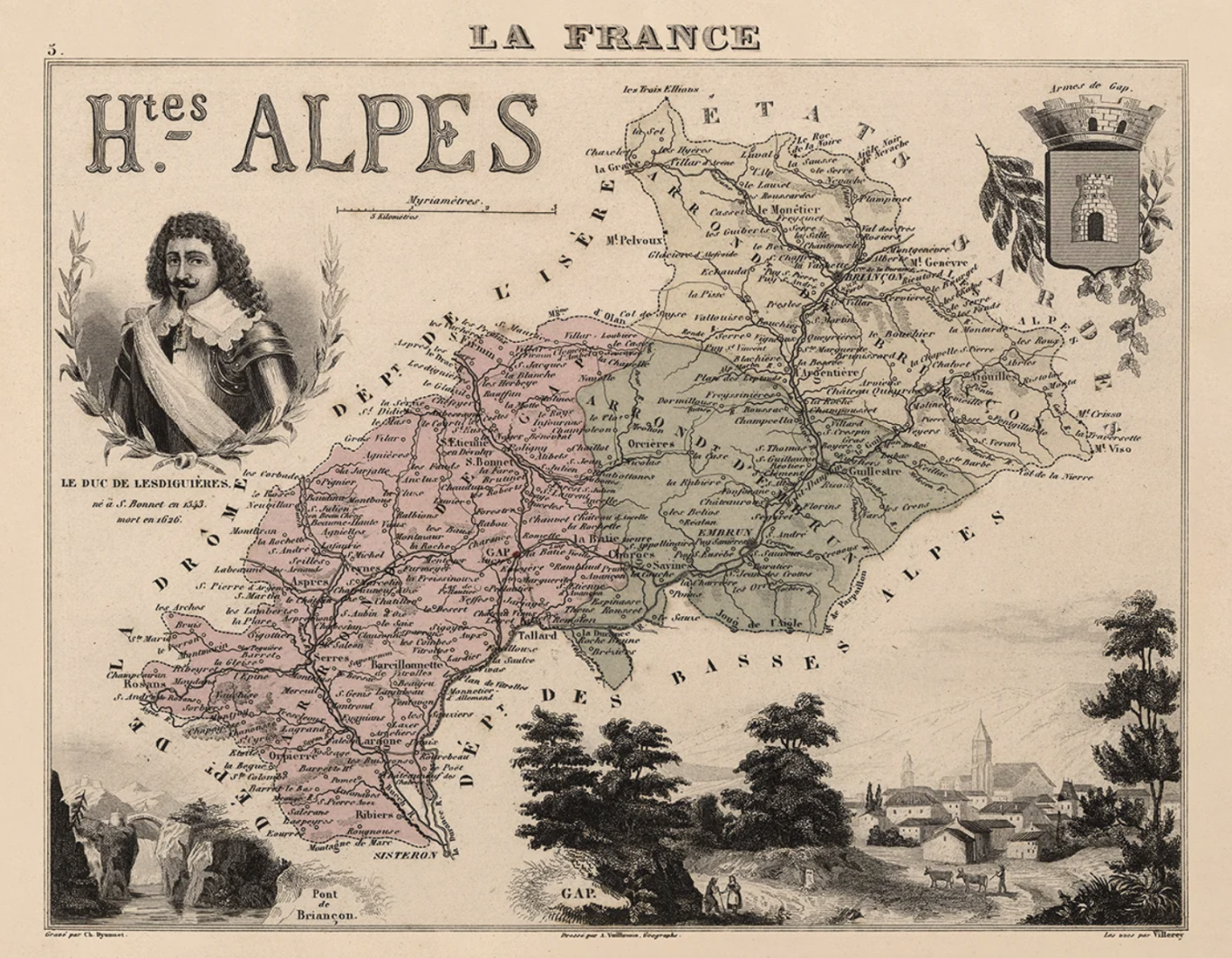
For example, bike packing across the Alps or Scotland is very different to bike packing across the Atlas Mountains in Africa or Iceland. If the latter is your thing, my tips might be less relevant to you but you might want to check out this video of someone who knows what they are talking about when packing for an adventure ride and this YouTube channel of Girl Outdoors who has done extraordinary bikepacking rides.
What bike to take?
Apart from the destination and road surface, the bike you take depends on what kind of ride you want to have. I have seen people bike packing on aero carbon bikes and people with bikes laden with paniers and luggage galore. Neither is something I would suggest.
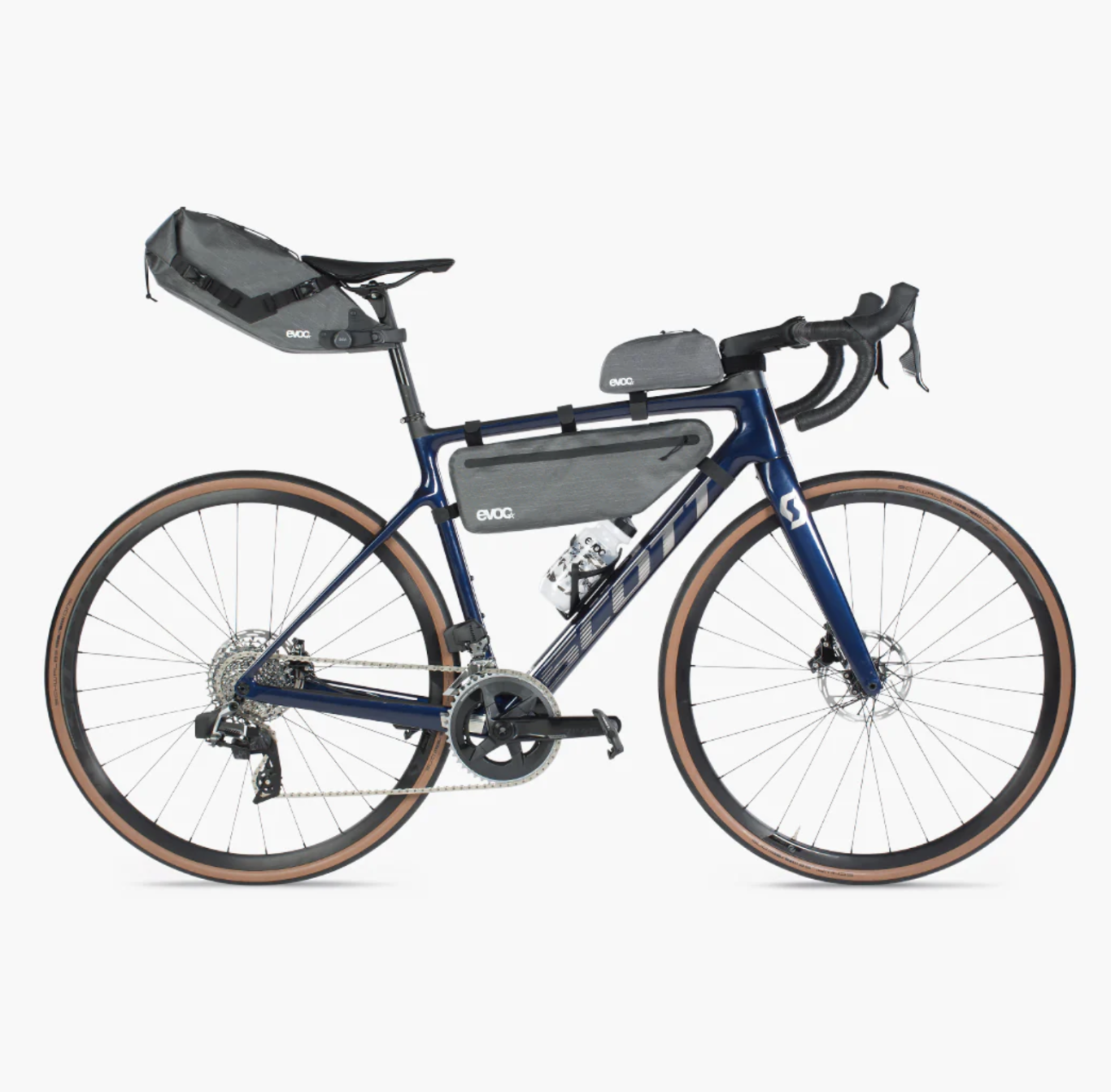
For a road trip across the Alps where the roads are generally in good condition and where there is transport and cycling infrastructure, I would opt for an endurance carbon, titanium or steel bike, maybe with lower spec components (no Di2 shifters). Best to use a bike you can fix to the greatest extend possible (see maintenance tipe here).
As far as tires are concerned, I opt for 28 or 32mm as I am using a road bike. If you normally run a road sports tire, it is worth considering a slightly sturdier road tire with puncture protection. These are normally all season road tires like the Continental Grand Prix 4 Seasons (there are similar tires from other manufacturers). You trade better puncture proofing and durability with slightly higher weight, less instant road feedback and some sluggishness.
These sturdier tires will do some hard packed gravel if pushed but for remoter place where gravel is more common, a gravel bike with tires up to 35mm is a good option. You can go wider in the tire of up to 45mm if there is more gravel to be negotiated. The wider the tire, the more roll resistance though and you don't want to feel you are riding through treacle. Together with the added luggage weight, higher roll resistance will add significantly to your effort.
What bags should I take?
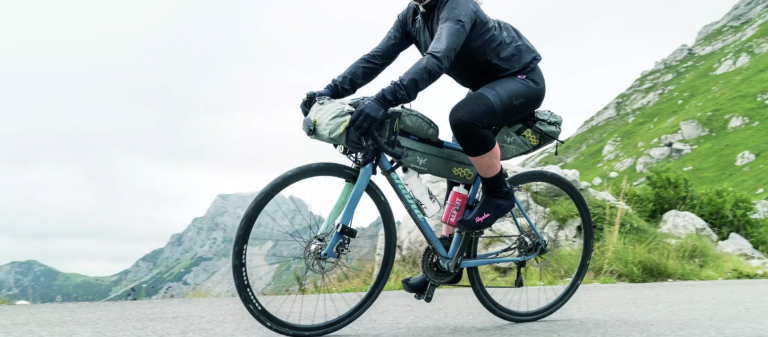
What bags should I take? Now that the question of the bike has been settled, what luggage is best? For a multi-day bikepacking trip without camping, around 20 litres of carrying capacity should be sufficient. Remember, the more capacity you have, the more you will tend to pack — including items you may not actually need.
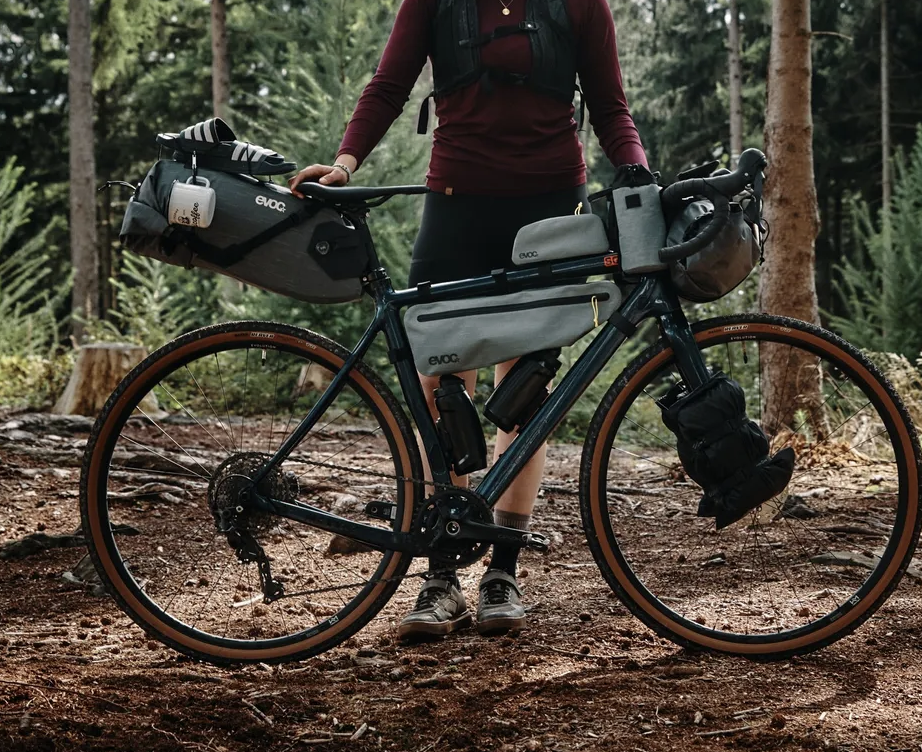
The three bags discussed below provide roughly 20 litres in total, which should be enough for a multi-day, non-camping trip. A hip pack is also a good option for personal items you want to keep easily accessible.
Choosing the right bags is not always straightforward, as it depends largely on your bike and which bags fit your frame properly. It is also crucial not to disrupt the bike’s weight distribution or exceed its maximum weight limit. Whatever bag options you choose, carrying a few emergency straps is very useful in case a fastening fails.
Seat Pack
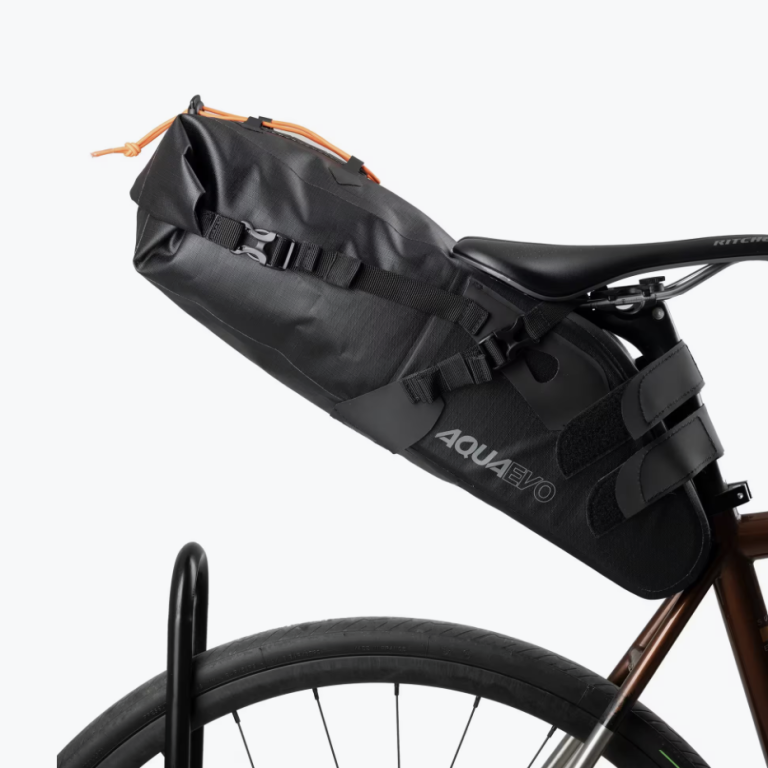
The most important bag you can possibly use is a seat pack. With a capacity up to 16l and easy mounting options under your saddle between saddle and seat post, the seat pack is a large container interfering the least with your riding and the weight distribution of your bike. There are quite a number of options ranging from packs to be fitted under the saddle to a shell being fitted that carries an easy to remove waterproof bag. A seat pack should hold all the stuff you don’t need to access while riding. One key consideration is if the pack has enough stiffness not to sway from side to side when you are out of the saddle.
Handlebar Pack
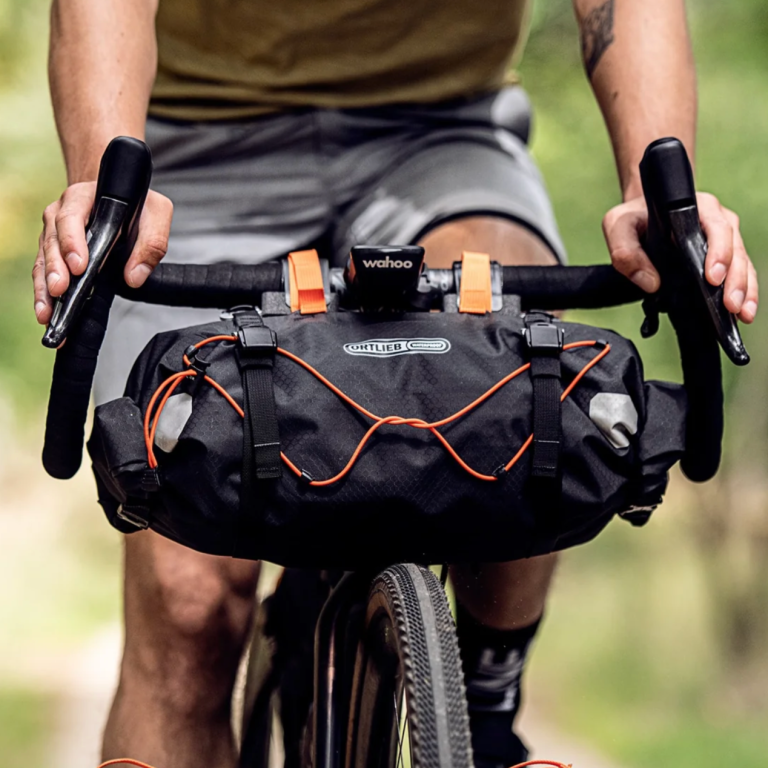
The second most used type of bag is a handlebar pack. Having a handlebar bag in conjucntion with luggage under the saddle is important for the weight distribution. There are two important factors: Is the bag too heavy and will it affect handling and is your handlebar wide enough for an bag that closes at each end and might interfere with the breaks and drops? These bags go up to 10l but a 7l option is probably a good compromise between bike handling and capacity. I have all the ride related items in the handlebar pack. These are mainly cycling clothing I might need for changeable conditions, and the trip in general.
Top Tube Bag
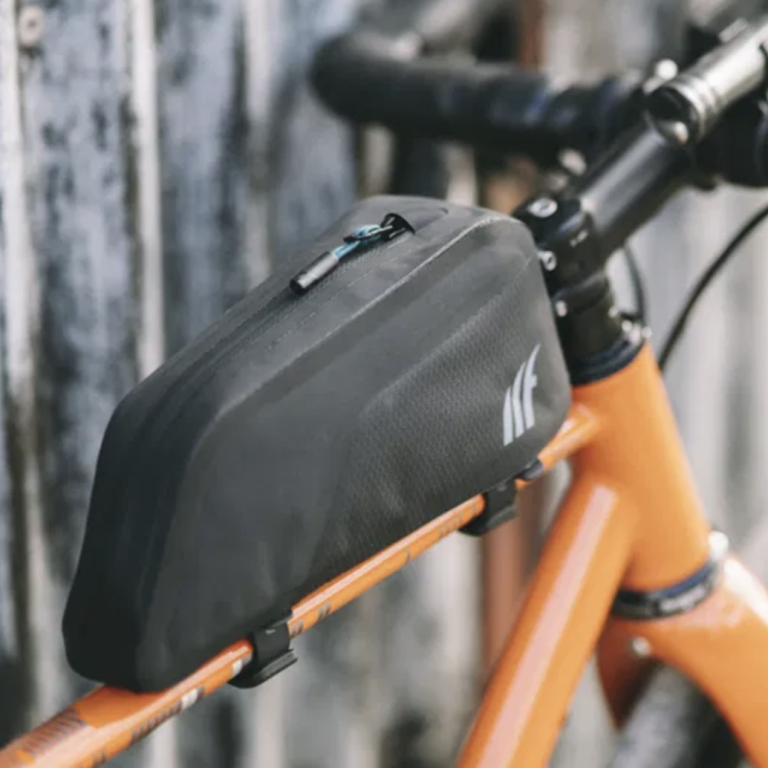
The other really useful bag is a top tube bag. If you are bikepacking, you need to put all your valuables in one place in an easy to remove bag. Top tube bags fit on your top tube and are fixed at the bike stem. They hold to 1-2l and are good for anything that you need in easy reach for the ride. One possibility is to keep spares and tools in the top tube bag, if you have a hip pack for personal items, food and camera. If you dont ride with a hip pack, this is a good place to put personal items like passport etc. Ortlieb has a top tube bag that can flip off its base easily to be taken with you when you are off the bike.
Other Options
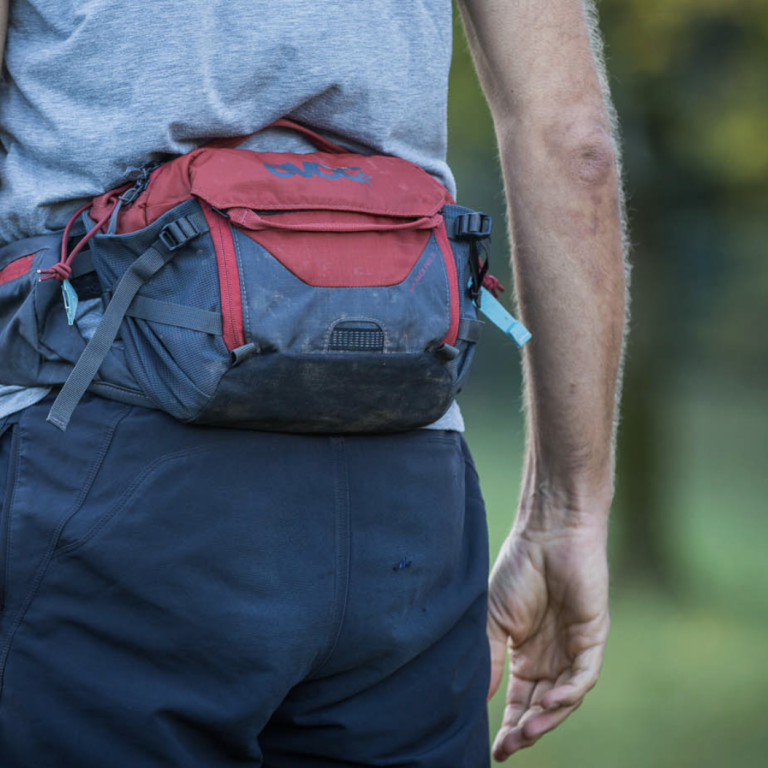
A further bag to consider is a hip pack. They hold more than your jersey pockets and can be used for personal items, camera equipment, food or extra water. Great to have all your valuables on you when you hop off the bike.
There are other bags which can be considered but which I personally don’t rate as much. Paniers are useful for camping and for expeditions to more far flung places, frame bags interfere with the water bottles and can rub between your legs when riding although they keep the centre of gravity low, backpacks are uncomfortable and give you a really sweaty back.
Filling your bags
With 20l available, what can I bring? There are two key rules: light and multi-use. Let’s start with clothing:
What clothes should I take? Your riding kit should be suitable for all weather conditions, especially in the mountains. Plan for warm temperatures, but also bring layers that will keep you warm and protect you from rain. On a multi-day ride, practicality always takes priority over style.
What items to take for your bike?
I would choose inner tubes rather than tubeless tyres, as you can fix a puncture in almost any situation simply by replacing the tube at the roadside. There are latex inner tubes available that are ultra-light and more compact than traditional inner-tubes; however, make sure the inside of your tyre is completely clean and free of debris, as these tubes are more delicate. Take at least two spare tubes — more if your trip is longer. You should also carry tyre levers, a repair kit, and a pump. It is wise to note the locations of bike repair shops along your route in case you need to replace a tyre, as being stranded somewhere without access to one could end your trip. You might also consider carrying a foldable spare tyre, as well as a needle and strong thread for emergency tyre repairs.
Bring a multitool and, if necessary, a pedal wrench (depending on your pedal system). Check in advance that your multitool fits all the bolts and fittings on your bike. It is advisable to practise basic repairs before your trip: changing a tyre, patching an inner tube, removing or adjusting the derailleur, adjusting the saddle and seatpost, removing the cockpit or pedals, and fine-tuning the gears if the chain skips or clicks over the cogs. Replacing worn tyres — and possibly the cassette and chain — before departure is also a sensible precaution.
Take two small towels: one to wipe down the bike at the end of each day’s ride and another for cleaning the chain. A small bottle of chain lubricant is essential.
In terms of spares, a derailleur hanger is an important item to carry. These are specific to your bike and can easily be damaged, particularly during transport. Other useful spares include bike-specific bolts, screws, and fittings (for example, some seatpost clamps are proprietary), as well as a few common bolts used on your bike. If you experience a major mechanical issue, however, you will likely need a bike shop — otherwise your trip may be over. For that reason, using a relatively simple bike can be advantageous, as most repair shops will be able to work on it.
Finally, bring lights and charging cables, as well as your bike computer or phone with the route downloaded in advance — especially if you are riding in unfamiliar areas. If you plan to film or take photos, there is a growing range of compact cameras available; I use a GoPro but also an Insta360 camera. You will probably also need a lightweight lock to deter casual theft, and it is wise to carry spare cleats for your cycling shoes.
What to consider en-route?
Where will I sleep? Where are the bike repair shops along the route? What should I do if I need transport? What nutrition should I take? What happens if I get injured or have an accident?
Answering these questions requires a bit of research, but it will definitely pay off. I recommend booking accommodation in advance and identifying alternative ways to reach it in case you are unable to complete a particular stage of your trip. This includes knowing the local transport options, the locations of bike repair shops, and whether you can buy food along your chosen route.
One essential item in your bags should be a small first-aid kit, including bandages, plasters, disinfectant spray, paracetamol, ibuprofen tablets, and anti-inflammatory cream. The cream can be helpful if your knee or another joint begins to hurt.
If you have an accident, make sure you know the local emergency number and, if travelling abroad, learn a few key phrases to describe your injury and your location.
Always carry the name and phone number of an emergency contact, and ensure you have adequate travel insurance that covers cycling and any potential hospital treatment resulting from a cycling accident. For example, some policies exclude group rides or organised sportives, so it is important to check whether your planned ride is covered.
Getting to your start and end point
The simplest option is to start and finish your bikepacking adventure in the same location — a place you can reach easily by car, train, or plane. If you are travelling by public transport or flying, you will usually find left-luggage facilities at major train stations or airports, so arriving with a bike case should not be a problem.
You can arrive, assemble your bike, store the bike case in the left-luggage facility, set off on your ride, and collect the case when you return. Simple.
Things become more complicated if your route does not start and end in the same place and you need to travel to the starting point, back to it, or both. In many cases, this will involve taking a train for part or all of the journey. Depending on the country, travelling with a bike by train can range from straightforward to quite complex.
Bikepacking has a very different dynamic from day rides even if you ride on holiday and in new places. More immersed, more intense, more adventure, more freedom.
Check out these beautiful videos of epic bike packing trips:
Becky (Girl Outdoors) rode 1200mikes across Kyrgyzstan and made a fabulous film of her adventure.
Oscar Boyd made a film of him riding the length of the UK which is beautiful to watch.