Training for a New Challenge
Getting fit for riding in the mountains does not happen from the couch. It requires preparation and training, strength and stretching. Often these rides push your boundaries in ways you have not imagined before.
Bike Fit for more Enjoyment on your Ride
A proper bike fit is not just about comfort; it is a pivotal factor that can significantly enhance your performance, especially on mountain rides. When cycling uphill, every advantage counts, and having your bike tailored to your unique body dimensions will ensure you can tackle those challenging climbs with greater efficiency and ease.
Professional Bike Fit
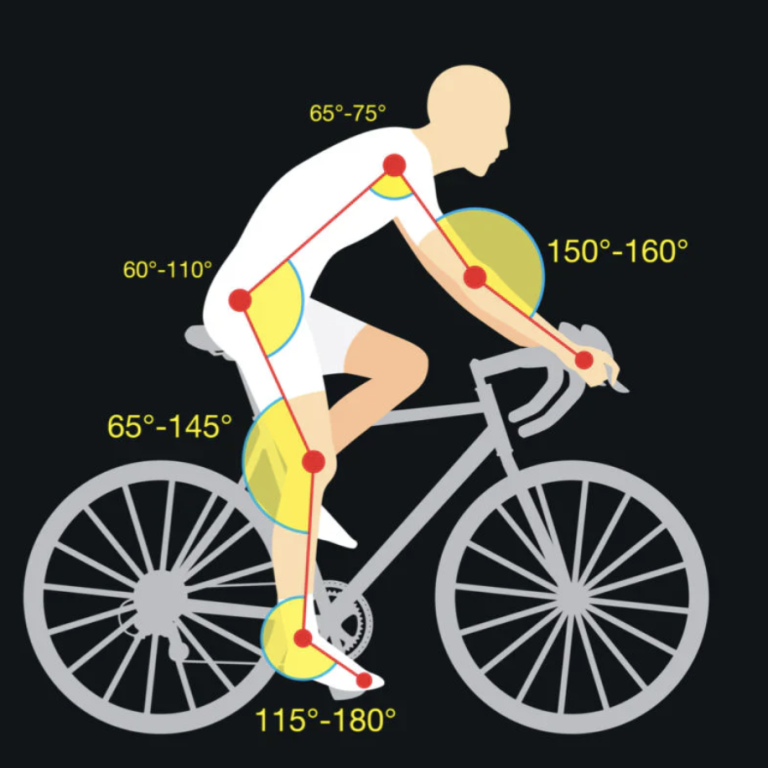
Everything starts with your bike. Its set up is the most crucial part of any cycling activity and how well it fits your body will determine your experience. A professional bike fit is probably the best investment you can make for your riding challenge as well as for everyday riding.
There are a ton of on-line bike fitting videos but they just can't cut the mustard. The fitting of your bike depends on your personal biodynamics, flexibility, posture and how you transfer power. You might also have weak points in your body like back, knees, wrist or neck.
Fit the Bike to your Body
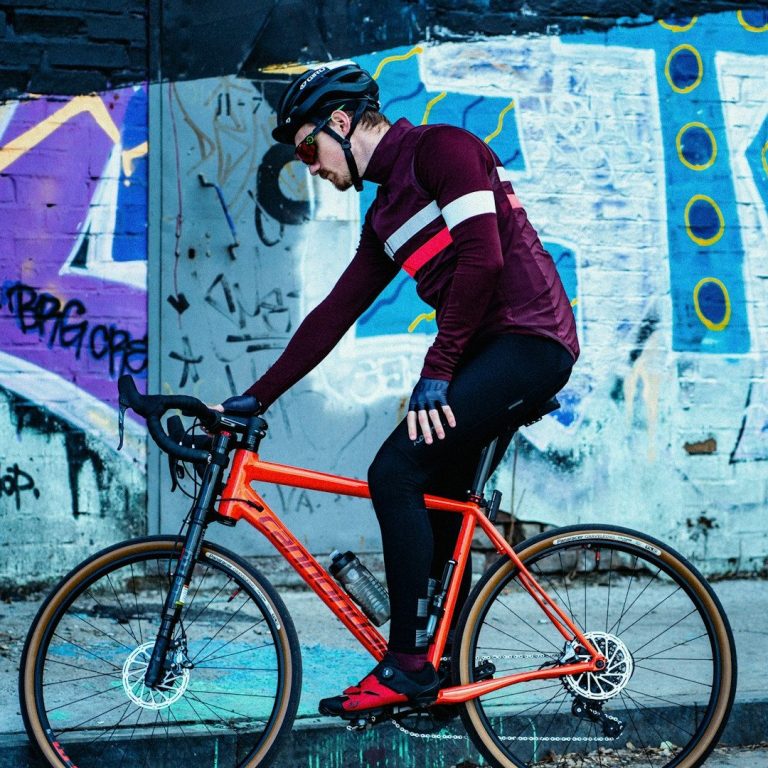
Is your bike frame is too big and does length needs to be taken out of your riding position? Do you reach too far forward? Is your crank the right length, the handlebar the right width and is your saddle hight correct? Does your saddle make your hip roll too much? All these parameters (and more) work together and only a professional bike fitter can put them all together for a perfect fit.
Once your bike is fitted correctly, you notice the difference straight away in a more relaxed yet more powerful ride and less pain if your susceptible to that.
The older you are or the more challenging your rides are, the more important is a bike fit.
Riding Position Side Effects
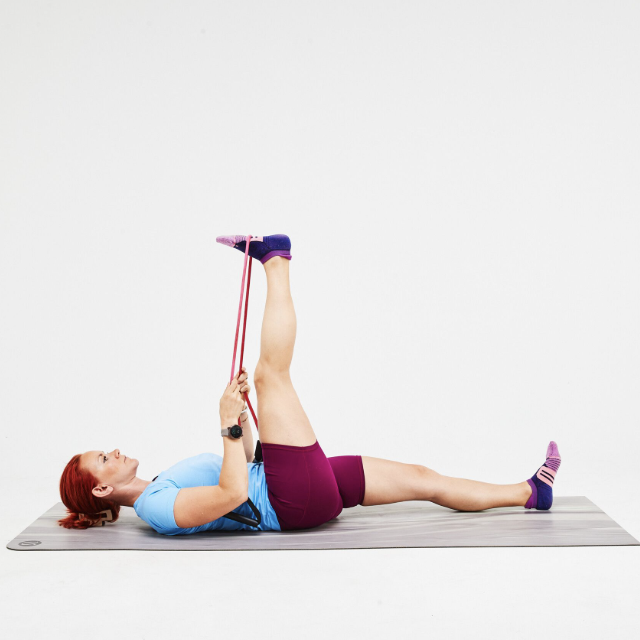
A repetitive activity like cycling has side effects on your body which need to be actively counterbalanced. I mentioned strength work and stretching above and that needs further focus. Due to the specific riding position, adaptive muscle shortening can occur, especially in the hamstrings. This manifests itself in a tight back and hamstrings as well as knee pain amongst others. Key to counterbalance this is to have a specific strengthening routine of the gluteus, hamstrings and core muscles. Stretching and foam rolling of the IT band, hamstrings, hip flexors as well as the quads.
Strength and Stretch
Not working on counterbalancing the riding position can lead to injury and pain during riding.
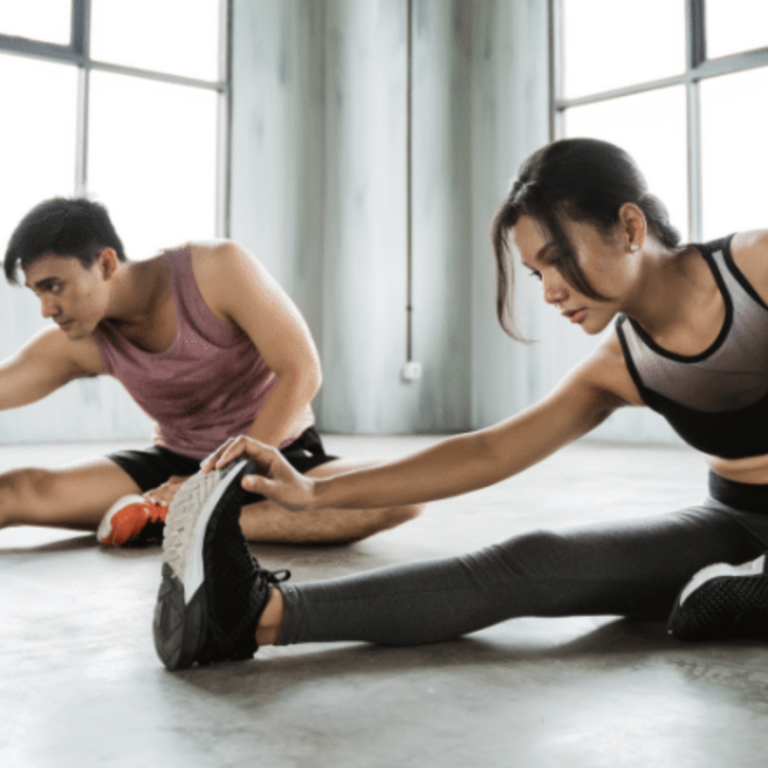
This requires a structured, regular strength and stretch programme, well beyond a five minute stretch before and after your ride. Best to speak to a physio or other health professional to design a programme tailored for your body. Remember, a strong gluteus is key to enjoying demanding rides.
There is further info at the Dynamic Cyclist to get you started. They also have a YouTube channel with a whole list of free stretch and strength routines (full acces with personalised routines is payable though).
Maximising your mountain cycling potential
Building Fitness
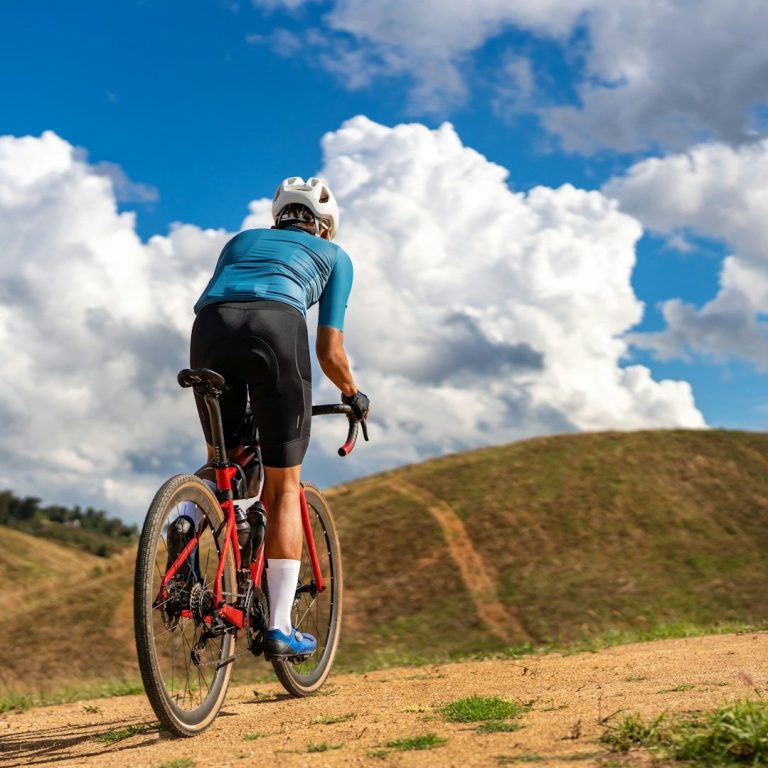
Fitness is a wonderful asset, but unfortunately it tends to decline with age. Seeing people pass you on their bikes or during a run is a constant reminder that building and maintaining fitness is an ongoing effort — one best integrated into your daily routine. Easier said than done, of course.
Three activities have worked well for me:
Cycling with weekly and monthly distance and elevation targets. Getting out and riding consistently is the most important factor, even when you don’t feel like it, especially during the winter months. A home trainer or gym sessions can help maintain momentum. In the three months leading up to a cycling holiday in the mountains, I aim for a minimum of 2,000 km and 25,000 metres of climbing. As fitness improves, I also include longer rides and back-to-back days in the saddle.
Weekly strength training. Introducing weight or resistance sessions helps build and maintain muscle mass, which naturally declines with age. While cycling is fun, strength training becomes increasingly important for maintaining overall fitness and injury prevention.
Regular flexibility work. Pilates or similar classes help maintain stretching and mobility. Spending long periods on a bike puts strain on specific areas of the body, and greater flexibility allows your body to cope better with these stresses.
What kind of training rides to do?
Most people who cycle in the mountains on holidays tend to live in flatter parts of the world, which makes training for an alpine adventure more challenging.
Flat rides: Flat rides typically involve up to 1% elevation gain over the length of the ride—for example, up to 500 m of climbing over 50 km. This applies to most riders. Climbing mountains requires sustained stamina, as a long ascent can last anywhere from two to three hours. The best way to simulate this on flat terrain is by riding at a consistently high pace. This does not mean sprinting—short bursts of effort—but rather maintaining prolonged periods of faster riding to mimic the demands of a climb.
Hilly rides: Hilly rides have an elevation gain of 1–2% over the distance—for example, up to 1,000 m of climbing over 50 km. In most cases, this requires careful route planning. It may involve repeated hill efforts if there is only one significant climb available, or designing a route that links together multiple hills in the area. For example, in the Surrey Hills in England, it is possible to combine various climbs into a ride with an average gradient of around 1.7–1.8%. This provides a solid foundation for mountain riding, especially if such rides can be done on consecutive days.
Mountainous rides: Anything above a 2% average gradient over the distance can be considered mountainous and is often not available where most people live. In the Alps, many rides average around 3%, which equates to approximately 1,500 m of climbing over 50 km—similar to the elevation gain of a round trip from Bormio to Passo di Gavia. This is the kind of effort to aim for, and repeatedly climbing local hills to approach this level will help build the stamina needed for the mountains.

Nutirion and Weight
Every kilogram you carry up the hill unnecessarily that can be saved by maintaining a healthy weight, should be saved. My riding buddy is about 12kg lighter than me and imagine carrying that in a backpack with you up a hill! Now, this is not about becoming as skinny as a pro rider, it is about achieving a weight that feels comfortable and allows you to focus your energies on the joy of climbing rather than struggling up the hill. Maintaining a healthy weight requires effort and determination which is not a bad thing as the entire activity of climbing mountain passes is an exercise in focus and determination.
The NHS in England has a handy Body Mass Index calculator which will give you an idea of where you should be weight wise.
As a disclaimer, I am not an expert in nutrition but achieving a balanced diet and reducing portion sizes helped me:
Out with cakes, chocolates, cookies, most breads and alcohol. All of these are high GI foods and add little (but are very hard to give up!).
In with fruits, veg, good fats and protein based foods. Introducing carbohydrates with low GI like oats and pasta as required.
Measure and record your intake in a food diary to get into a rhythm and to better understand how many calories everyday foods have. A good app is My Fitness Pal. The simple equation is less calories in than out to lose weight and the reverse to gain weight. As I said, it requires discipline and can be hard work.
Overcoming Mental Challenges
Before every long ride or significant climb, I often have doubts about whether I can make it. So far, I have never failed, and there are several strategies that help me push my mental boundaries.
I focus on building excitement and joy about going to the mountains and tackling punishing hills. I reframe the challenge into something positive and amazing. I recall all the great moments I’ve experienced at the top of passes and the sense of achievement they brought. These memories are powerful motivators, making me want to do more rather than less.
Another important aspect is overcoming the internal resistance that makes you want to give up. During any ride, there will be moments when it is cold, miserable, and hard work. Learning not to give up starts with a consistent weekly training routine — getting on the bike or going to the gym even when I don’t feel like it. I can then draw on these experiences when I face a tough climb or a mentally challenging situation.
The burn in the legs and the physical exhaustion are tougher to counter. It begins in the mind: can you persuade yourself to push harder? Can you find joy in continuing? Can you turn a negative sensation into a positive narrative? It’s all about the inner voice in your head and how you manage it.
Instead of letting that voice tell you to give up, actively work on shaping it into a motivator. This takes time and practice, but it can make the difference between reaching the top and falling short. There is a wealth of additional material available on the topic for furthe reading.
Managing Fitness with Age
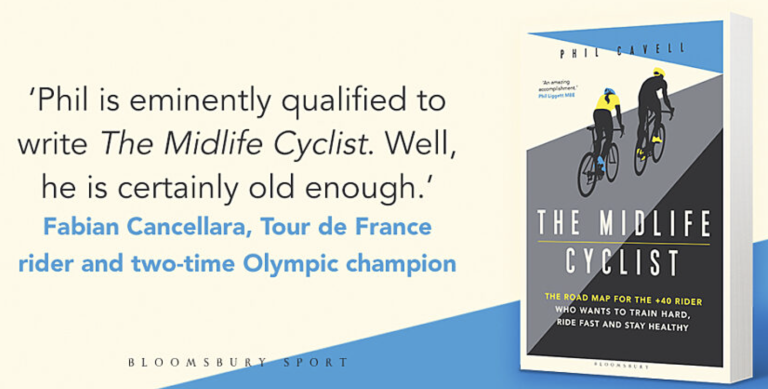
I came across The Midlife Cyclist from Phil Cavell which is a must read book for everyone that wants to stay fit with age and still wants to rise to new challenges. Age can be cruel and as we get older, we invariably make mistakes in achieving and managing fitness.
With the changes in our body, building fitness and returning from injury takes a a very different path. And you don't want to get injured in the run up to a holiday or any other cycling event as recovery can be long which can be frustrating and knock your confidence.