How to be a better climber
Becoming a better climber starts with training. You can find training tips here, as well as ideas on how to make the most of the off-season. Without proper preparation, riding in the mountains will be hard work and far less enjoyable. In my view, there are three key aspects to improving climbing and mountain riding: effective climbing and descending, proper nutrition during the ride, and efficient recovery to ensure you are in top form for the next day.
Pacing the climb and decending
Mission: avoid going into the red
Mountain riding is a marathon, not a sprint. There is a temptation, in the excitement, to start a climb too fast—but the opposite approach is required. Begin at a measured pace, settle into the climb, and take time to understand the gradients and how your body is feeling. Gradually ease yourself into the effort. I like to focus on my surroundings—the vegetation, sounds, and smells—which helps me find a sense of calm and a rhythm I can maintain all the way to the top. If you use a heart rate monitor, keep an eye on your heart rate and ease off when you reach your threshold. That level of effort is not sustainable, and a short break can quickly bring your heart rate back down. Further tips are to break the climb down. You find in my climbing journals, the climbs being broken down in section which help with the pacing. Also, on each climb the gradient eases off temporarily. This can be a switchback or a flatter section, which provide the opportunity for a micro recovery. I found these tips are also very useful.
Gearing
In terms of gearing, an 11–34 cassette paired with a 34/50 chain set works well for riders beyond their 20s. Choose gearing that reflects your fitness, age, and riding style. On climbs, I prefer to stay in the hardest gear that still feels comfortable. If the gradient steepens or you encounter a headwind, it’s important to have an easier gear available. If you start in your easiest gear, you leave yourself with no room to adjust—and that can quickly become uncomfortable.
Descending
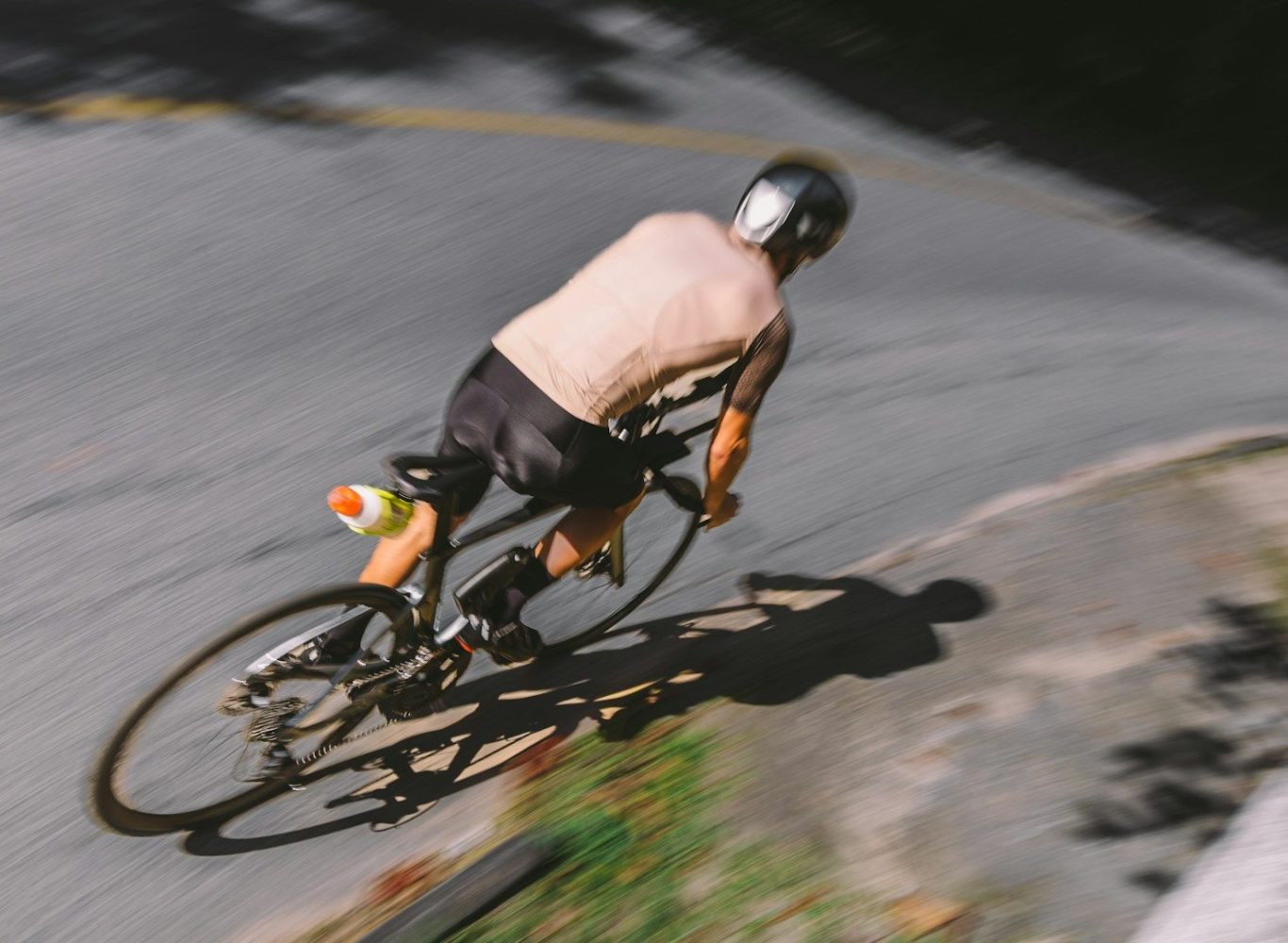
When it comes to descending, I enjoy riding fast, and what has worked for me is learning to relax into the descent. Staying relaxed is crucial—tension can quickly lead to mistakes and potentially disastrous outcomes. Keep a strong focus on the road ahead and where you want to go; there is a strong correlation between looking where you want to go and actually going there.
Stay alert for bumps and changing conditions, and try to develop a feel for the corners. It is better to brake firmly before entering a corner and then accelerate out of it, rather than the other way around. Misjudging your speed can lead to high-speed crashes with serious consequences. If you need to brake in a corner, do so lightly and remain loose on the bike so you can adjust your lean angle.
Always anticipate the actions of other road users, maintain safe distances, and scan the road for possible escape routes if needed. Above all, relax and stay calm.
There are excellent videos that cover techniques in more detail. This video on descending is a bit older but still relevant.

Nutrition en route
You are not in a race—take breaks and listen to your body. When it comes to food en route, I prefer natural options over sports nutrition. Energy bars and gels certainly have their place, especially if your energy is dropping and no services are nearby, but it’s important to test them beforehand to ensure they don’t upset your stomach. The same applies to rehydration powders.
A few things work well for me: start with a good, energy-rich breakfast—oats, muesli, and fruit. During the ride, I take bananas and oat bars or flapjacks (along with a couple of gels). I like to stop for lunch and have proper food, such as pasta, and often include a coffee and cake stop in the afternoon. Breaks are not only great for eating but also for recovery during the ride. In the mountains, they are a perfect opportunity to soak in the scenery—or to warm up if the weather turns.
While riding, keep eating and drinking small amounts regularly to maintain a steady supply of energy and avoid an energy crash. If you feel one coming on, an energy gel can work wonders.
Disclaimer: I am not a nutritionist—these are simply strategies that work well for me.
Recovery
Post-ride recovery is essential if you want to be in good form for the next day. Muscles tighten, lactic acid builds up, and fatigue sets in. All of these can be managed through stretching, improving circulation, and getting enough sleep. There are a number of stretching routines for cyclists that can be found on the training page. Going through these helps loosen the muscles and prevents stiffness the next day.
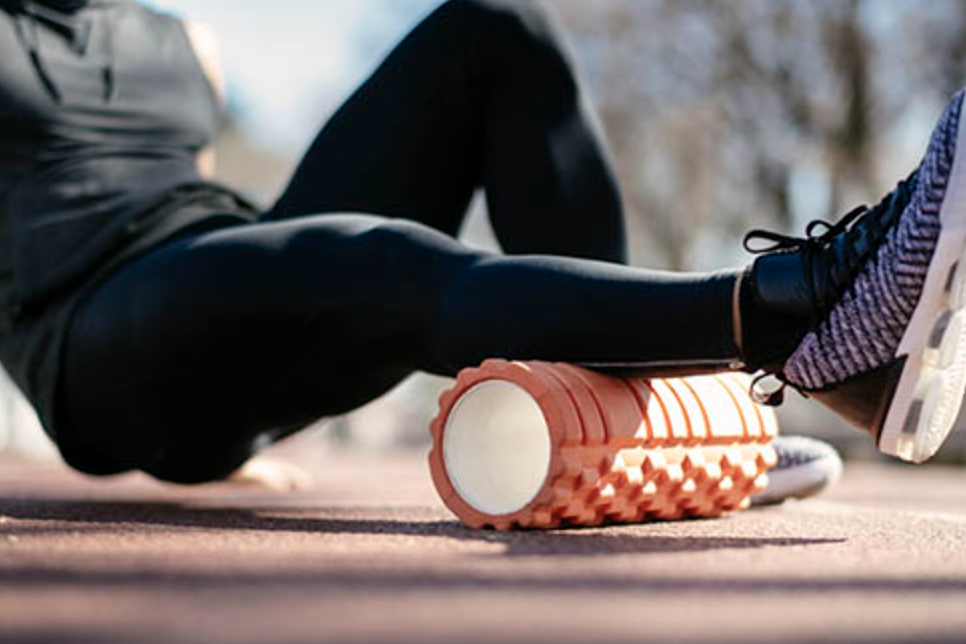
Lactic acid build-up can be addressed by rolling your muscles with a fascia roller, which also helps reduce muscle tightness that may develop during the ride. Alternating hot and cold water on your legs can further improve circulation (contrast therapy), as can wearing compression leg sleeves, which help flush out lactic acid and reduce soreness. Fascia rollers can be bulky, but there are travel-friendly options available.
The most powerful recovery tool, however, is sleep. During sleep, the body repairs muscles, regenerates tissue, and strengthens the immune system. A post-ride nap and an early night can work wonders. In contrast, late nights and alcohol tend to have the opposite effect and will be felt disproportionately the next day.
Use the off season
The off season offers the opportunity to build a structured programme for endurance, strength and flexibility. These can be designed with a specific goal in mind, e.g. climbing mountain passes, time trials or multi day rides.
It might make the difference on the last km of a monster climb or when the gradient kicks up.