Alpine Mountain Roads
The enduring legacy of the Mountain Roads
From prehistoric trails to modern tunnels, the mountain passes of the Alps have shaped the continent’s history. They are more than mere routes through rock and snow; they are memories in stone, witnesses to migration, conflict, commerce, and curiosity. As both gateways and guardians, the passes of the Alps endure — linking past and present, challenging and inspiring all who traverse them.
Europe's mountainous heart
The Alps, a formidable and majestic mountain range arching across eight European countries, have long stood as both a barrier and a bridge. Towering peaks, deep valleys, and snowbound winters shape the region’s character, but at the heart of its history lies a remarkable network of mountain passes.
These passes—natural corridors through the seemingly impenetrable range—have for thousands of years served as lifelines for trade, migration, conquest, and cultural exchange. Before recorded history, Alpine passes were already used as trade routes. Evidence of use on the Hochtor Pass in Austria dates back 3,500 years, where Celts and Romans would later trade goods.
In the Western Alps, the Great St. Bernard Pass has evidence of use stretching back to the Bronze Age.
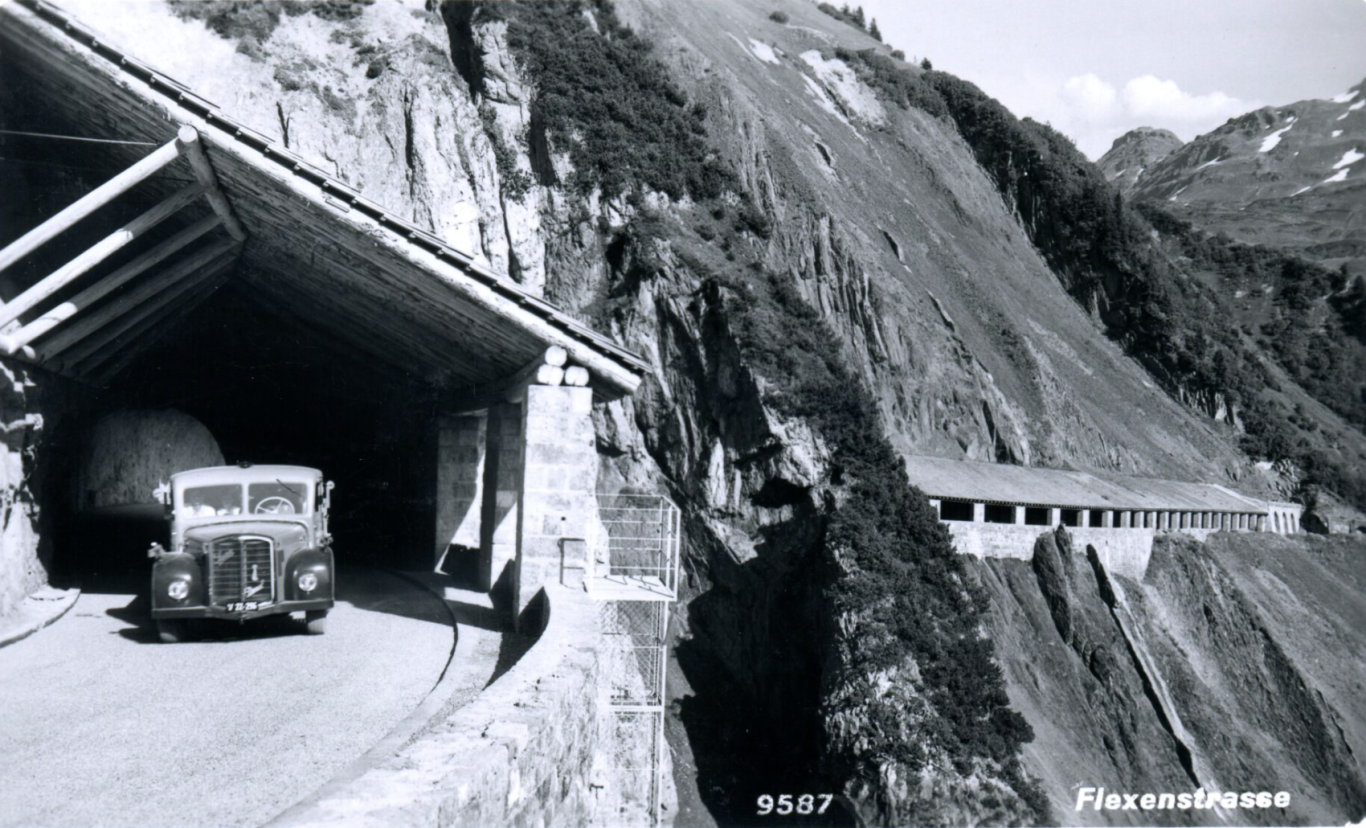
Today there is a vast array of alpine Mountain Roads
Today, there are approximately 160 paved roads and passes in the Alps with an altitude above 2000 meters. The exact number of all paved alpine pass roads is much greater but probably unknown. The highest paved road is the Ötztaler Gletscherstraße (Tiefenbachferner -Rettenbachferner) at 2829 meters altitude and the lowest road sneaking into this illustrious list is the road to Berghaus Arflina in the Fideriser Heuberge in Switzerland at 2001 meters.
In-between are around 160 passes and dead end roads that cover the entire spectrum of roads. These include ancient passes going back to roman times, the Grand St Bernard and at lower altitudes the Reschen and Brennerpasses. Medieval passes including the Simplon and St Gotthard Passes, roads conceived as military pass roads like the Stelvio/Stilfserjoch, the Grossglockner Hochalpenstrasse built as a tourist attraction. There are roads connecting alpine villages like the Zillertaler Höhenstrasse, roads build for water reservoirs like the Colle del Nivolet and a slew of new roads to ski resorts like Val Thorens.
The historic pass roads though have been built over time as connectors to accommodate increasing travel and trade. Many of the historic passes are in Switzerland and Austria as trade developed from north – south rather than east -west. Many of the pass roads between Italy and the southern French Alps are to this day more remote and the many French mountain passes have had a much more local importance.
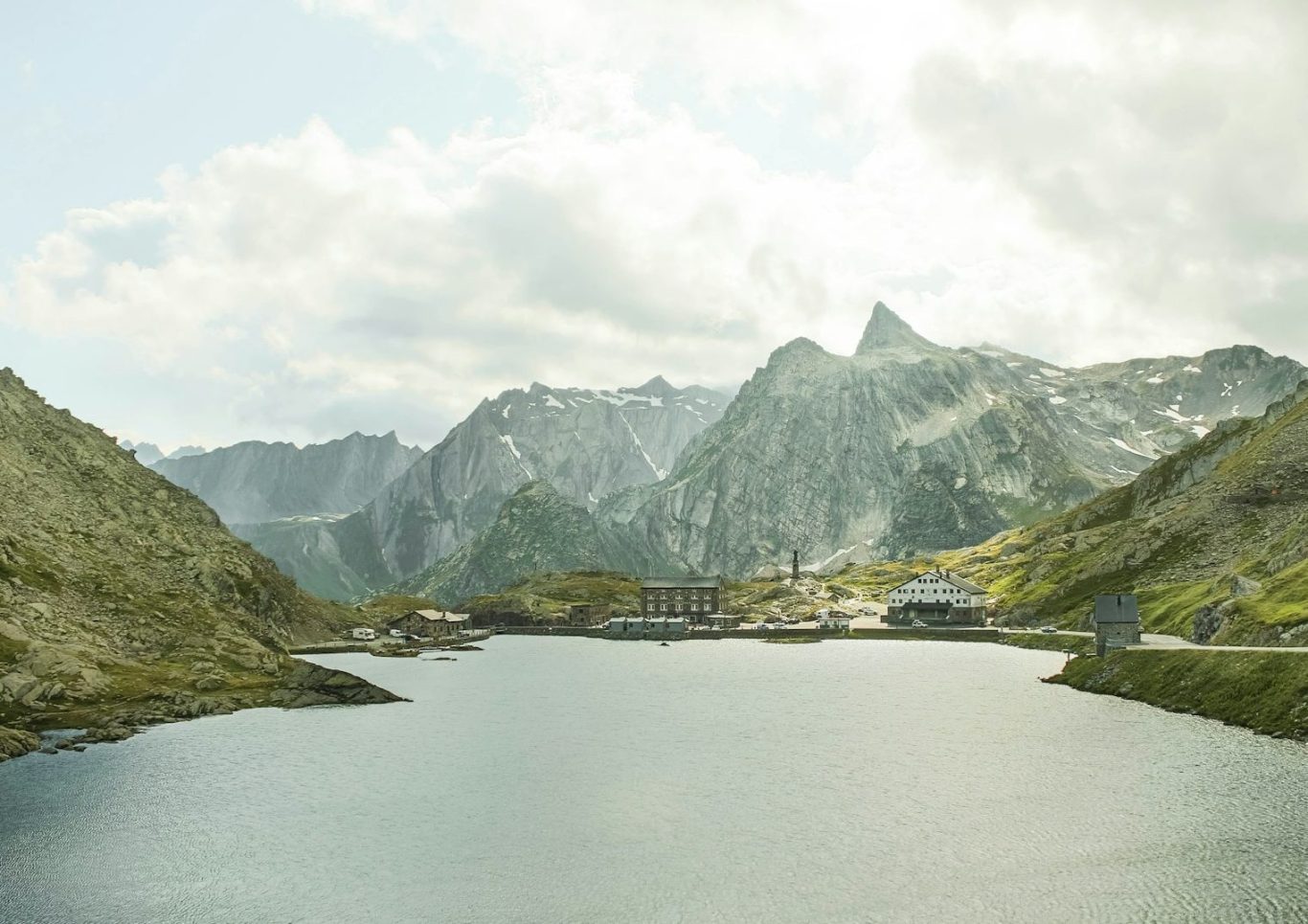
Roman era saw the first engineering in the alps
With the expansion of the Roman Empire, Alpine passes assumed new significance. The Romans understood that control over these gateways meant control over the movement of armies, goods, and information.
Several key passes—such as the Great St. Bernard, Little St. Bernard, and Brenner—became vital arteries linking Italy with the provinces of Gaul (France), Raetia (Switzerland/Germany), and Germania.
Roman engineers improved these tracks, building stone paths, rest stations (mansiones), and watchtowers. The Great St. Bernard Pass, for example, served as a main route from Milan and the Po Valley into modern-day Switzerland and France. The Via Claudia Augusta, constructed in the first century CE, traversed the Reschen Pass, facilitating the movement of legions and merchants.
Despite the formidable conditions, the Romans established a template for Alpine travel that would endure for centuries.
Decline in the Middle Ages, pilgrims, trade and power
After Rome’s fall, Alpine passes remained crucial, though the infrastructure declined. Medieval Europe was a patchwork of feudal territories, and the control of key passes became a source of power and conflict. Lords and bishops levied tolls and provided protection (or, at times, peril) to travellers. The Alps became also a corridor for pilgrims heading to Rome, Santiago de Compostela, and Jerusalem. Notably, the Great St. Bernard and the Simplon passes gained fame as pilgrimage routes. The Augustinian monks at Great St. Bernard established a hospice in 1049 by Bernard of Menthon to assist weary travellers, a tradition still continued today. The monks there also famously bred the St. Bernard dogs for mountain rescues. These spiritual routes fostered the growth of waystations, inns, and local economies. Trade flourished as the Italian city-states and the regions of northern Europe sought access to each other’s markets. Salt, textiles, wine, and spices moved north and south, with passes like the Grimsel, Gotthard, and Splügen facilitating exchange. The Alps, far from being insurmountable, became a living artery of medieval commerce and communication. The Stockalper Trail of the 17th century is an example of use of passes during this time as a wealthy merchant, Kaspar Stockalper, built a mule track over the Simplon Pass to facilitate his salt trade.
Military campaigns and geopolitics
The strategic importance of Alpine passes meant that they were frequently the focus of military ambitions. In 218 BCE, Hannibal famously crossed the Alps—though his exact route remains debated but believed to be just to the north of Col Agnel—striking terror into the heart of Rome.
Centuries later, in 1800, Napoleon Bonaparte led his army through the Great St. Bernard Pass, using speed and surprise to defeat Austrian forces in northern Italy. Such crossings became legendary, blending military prowess with Alpine challenge. Throughout the Middle Ages and Renaissance, powerful families and states vied for control.
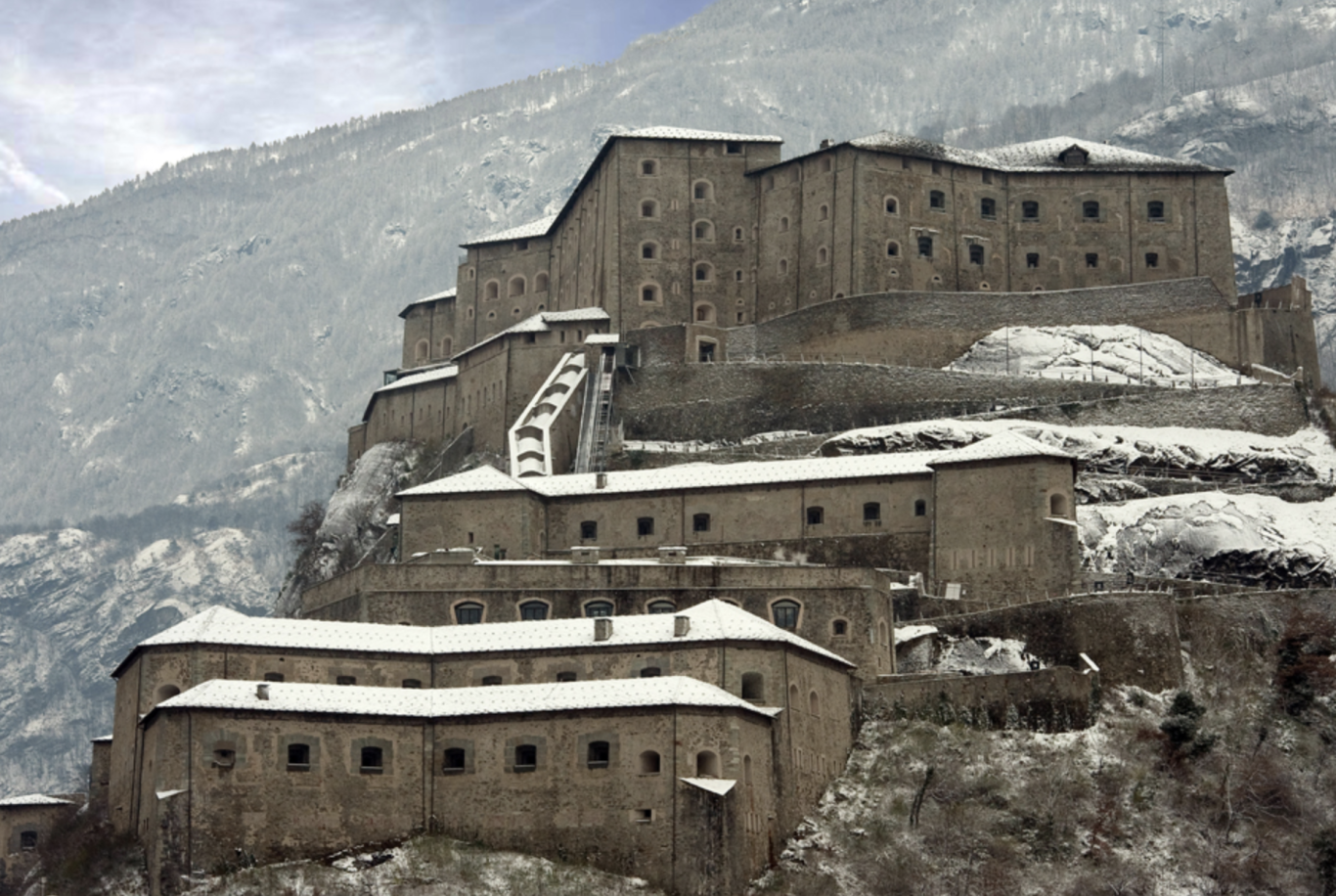
Castles and fortresses sprung up near the main passes—visible reminders of the political and economic value of these routes. The Aosta Valley in Italy is a good example of the fortification put in place around key crossings.
Innovation and the age of the Grand Tour
The Renaissance and Enlightenment brought new curiosity about the Alps. Scientists, artists, and wealthy travellers began crossing the mountains for pleasure and study. The Grand Tour—a rite of passage for young aristocrats—often included a crossing of the Alps via passes like the Simplon or the Great St. Bernard. Technological advances improved safety and accessibility. In the 17th and 18th centuries, roads were widened and improved, and cart tracks became passable for carriages. The hospice tradition flourished, providing shelter and assistance to wayfarers.
19th century: Marvels of engineering and national identities
The 1800s saw the transformation of Alpine travel with the advent of modern engineering. New carriage roads—such as the famous Simplon Road, inaugurated by Napoleon—opened the mountains to wheeled transport.
The construction of the Gotthard Pass road in 1830 connected Lucerne and Milan, further spurring trade and tourism. Railways revolutionized Alpine travel. The 1882 opening of the Gotthard Rail Tunnel, then the world’s longest tunnel, and the 1906 Simplon Tunnel marked a new era. No longer at the mercy of weather or gradients, travellers and goods moved swiftly and reliably through the mountains.
These projects were feats of engineering and symbols of national ambition, linking nations and fostering a sense of European connectedness.
Many passes today retain some of their ancient character; cobbled paths, stone markers, and centuries-old hospices remind visitors of the generations who shaped Europe’s mountainous heart.
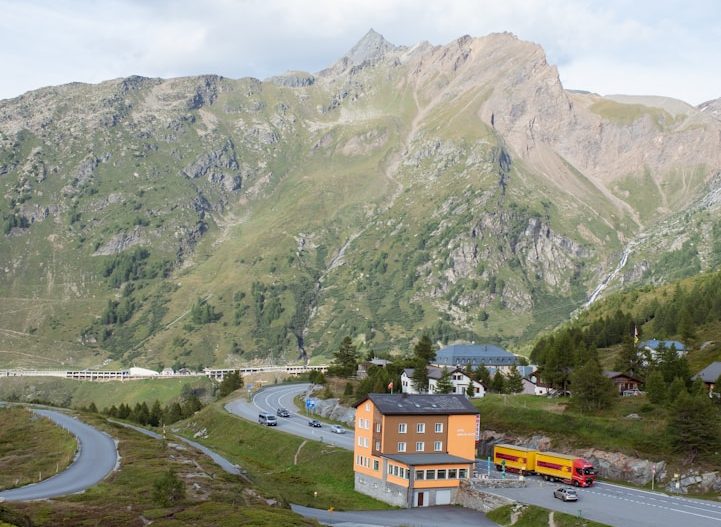
The 20th century brought the automobile and, with it, the construction of new roads, switchbacks, and tunnels. The Alps became accessible to millions, not just the adventurous few. Famous passes like the Stelvio, Furka, and Grossglockner became destinations in their own right—celebrated for their hairpin turns and breathtaking vistas. Grossglockner High Alpine Road is a prime example of pass roads from this time: Constructed from 1930 to 1935 during the Great Depression, this panoramic road stimulated Austria's economy and tourism. Engineer Franz Wallack designed a road that blends with the landscape and is considered a masterpiece of scenic road design.
Long road tunnels such as the Mont Blanc (1965), Great St. Bernard (1964), and the later Gotthard Road Tunnel (1980) redefined the experience, allowing year-round traffic and connecting communities more closely than ever before. The Alps became a playground for skiers, hikers, and tourists and new roads connecting ski stations sprang up.
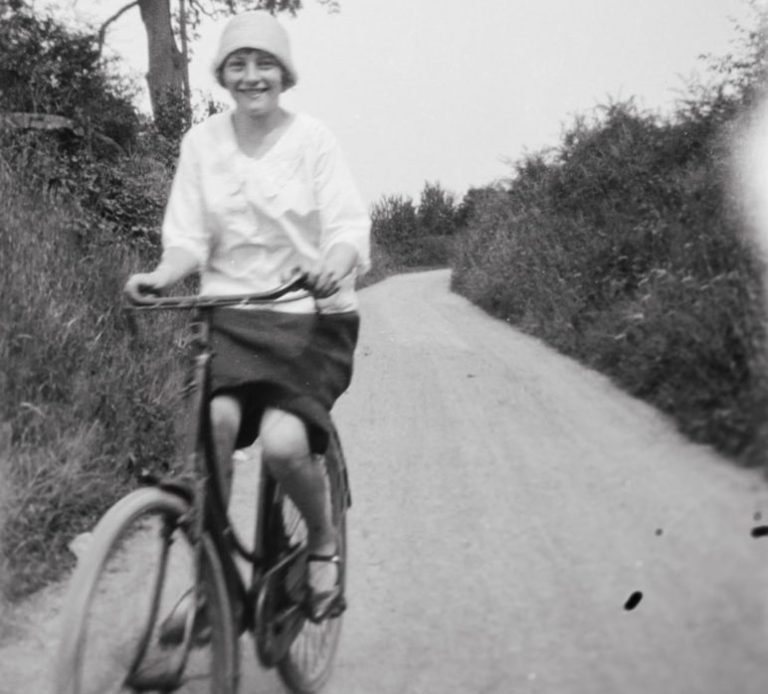
The history of the modern bicycle from its humble beginnings in 1817 to a modern race bike is fascinating and has provoked significant social change.