A little History of the Bicycle
Cycling has a rich history, and there are several key milestones that mark its evolution, from technological advancements to historic races. The development of the bicycle as we know it today happened between 1817 to 1885. What came next was a mere refinement of the basic concept. Further, the move from people riding horses and walking to riding bicycles has had significant social implications and it can be argued that the bicycle was the biggest enabler of social change in the 19th century.
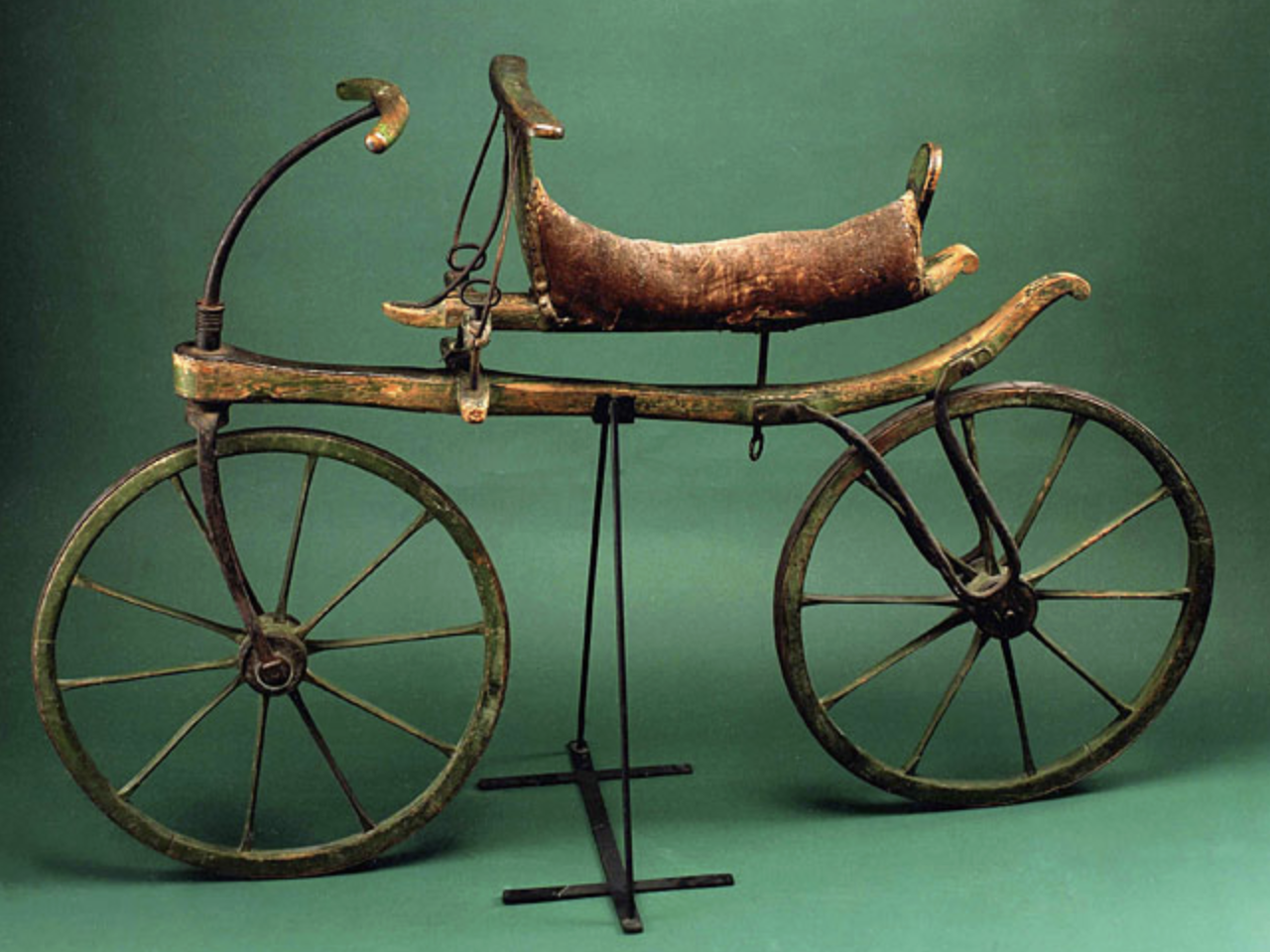
Draisine
Karl Drais invented a two-wheeled, pedal-less wooden vehicle called the Laufmaschine in Germany in 1817, which was propelled by walking and later known as the “draisine.” It became a popular novelty in Europe and reached the United States by 1818, where it was promoted by Charles Wilson Peale and used in rentals and riding rinks. However, by 1820 its high cost and limited usefulness reduced its popularity, and two-wheeled vehicles only became widely practical after pedals were introduced in the late 1800s.
Velocipede and Penny Farthing
Moving on from a Laumachine to a bike that was powered by pedal strokes and where the rider had both feet off the ground was a big deal. It is likely that the inventor of the velocipede came across the fact that people can hold their balance once the machine moves forward and that a steering mechanism can replace feet on the ground by chance.
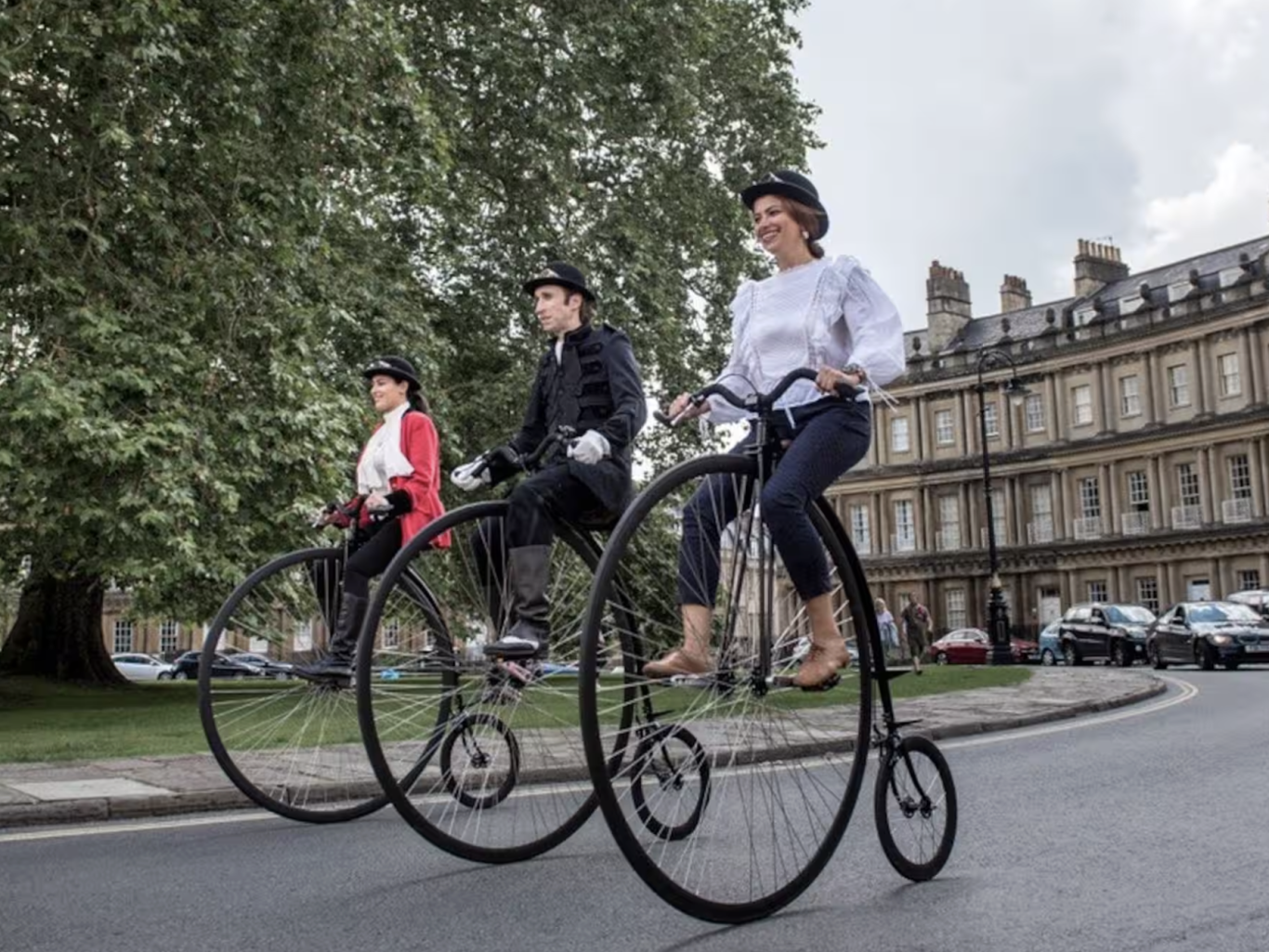
In 1839, Scottish blacksmith Kirkpatrick Macmillan created the first pedal-powered bicycle, the velocipede or “bone shaker.” In the 1870s, the penny-farthing, with its large front wheel and small rear wheel, became popular and represented an important step in the development of bicycle design.
Both designs had obvious drawbacks to become mass transport and remained a stepping stone for the next stage of bicycle development.
Rover Safety Cycle
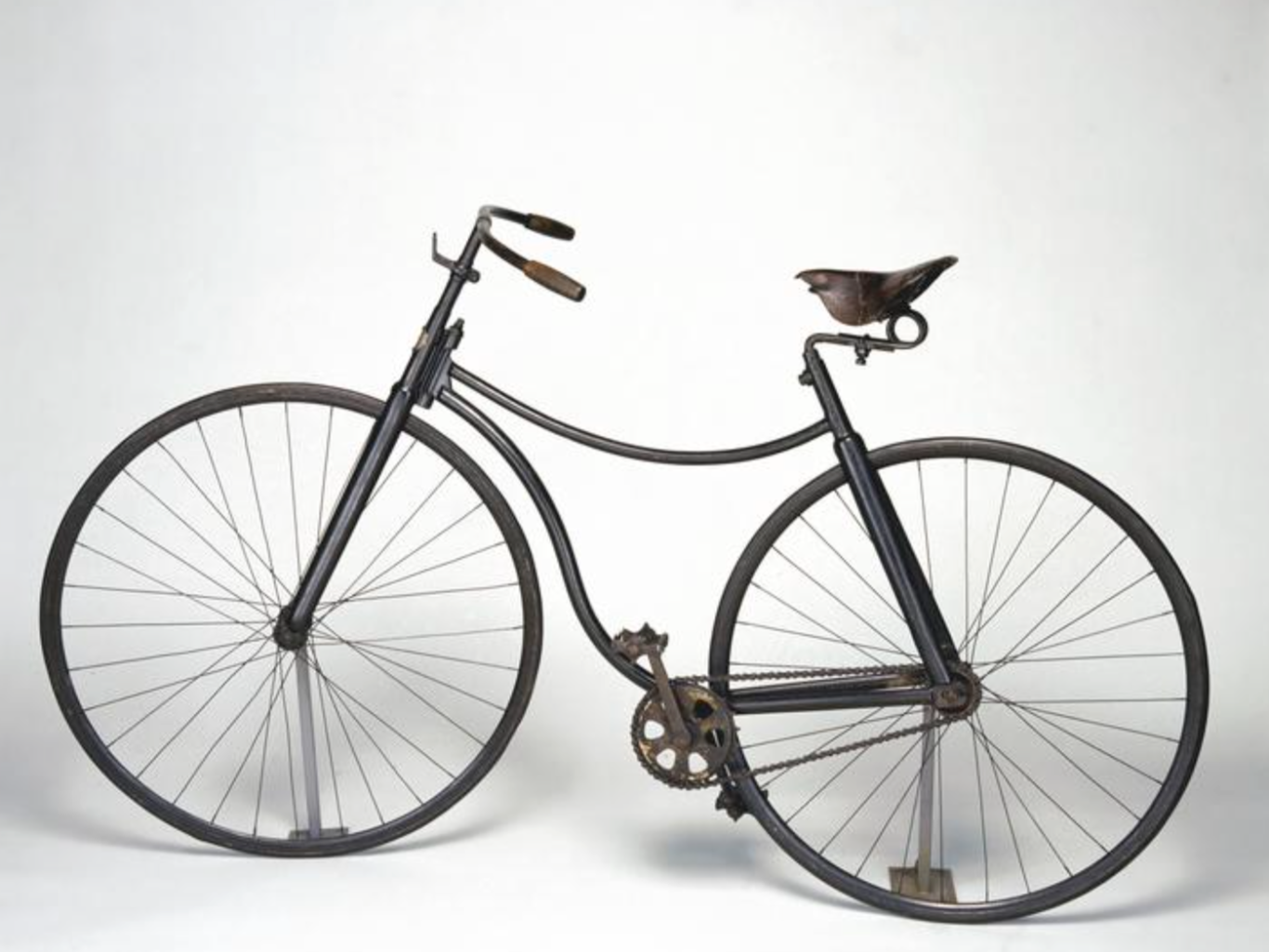
In the late 1870s, designers sought safer bicycle designs that kept riders closer to the ground. In 1885, British inventor John Kemp Starley created the first successful safety bicycle, featuring a chain drive and equal-sized wheels, similar to modern bicycles. This innovation made cycling much safer and led to widespread popularity among both men and women.
John Kemp Starley's design is the basis of all modern bicycles with the only real modification around the diamond shape connecting the seat post to the bottom bracket and the introduction of chain and seat stays.
With the advent of the car, bicycles fell out of favour and only recently have seen a significant renaissance. Fittingly, Rovers became cars till going out of business in 2005.

Development of the bicycling since
Bicycles have continually evolved in components, materials, and design. Key milestones include the invention of the derailleur in 1905, which revolutionized gear changing; the introduction of carbon fibre frames in the 1980s, greatly improving bike performance through lighter and stronger materials; and major advances in aerodynamics in 1989, highlighted by Greg LeMond’s Tour de France time-trial win on a specially designed aerodynamic TT bike.
Since the 2000s, cycling has evolved through major modern developments, including the rise of electric bikes, which expanded cycling to new riders and uses. Training became more data-driven with power meters and analytics, while the 2010s saw growing popularity in gravel and adventure cycling. In 2020, the COVID-19 pandemic sparked a global cycling boom, increasing bike sales and accelerating the expansion of cycling infrastructure worldwide.
Social impact of the bicycle
The invention of the safety bicycle in 1885 had a major social impact, transforming everyday life in many parts of the world.
First, it greatly increased personal mobility. The bicycle was affordable compared to horses or carriages and allowed people to travel farther and faster than walking. This expanded access to work, education, and social activities, especially for working- and middle-class people, and helped connect towns and rural communities.
Second, the bicycle played a key role in social change and independence, particularly for women. The safety bicycle was easier and safer to ride than earlier designs, enabling women to travel independently. It supported changes in clothing, such as more practical dress, and became closely linked to the early women’s rights movement by symbolizing freedom and equality.
Third, cycling influenced urban planning and leisure culture. Demand for better roads increased, contributing to improvements in transport infrastructure. At the same time, cycling clubs, races, and recreational riding became popular, shaping new forms of sport and social interaction.
Overall, the bicycle’s invention in 1885 was more than a technical advance—it was a powerful tool for mobility, social freedom, and cultural change that laid the foundations for modern personal transport.
To satisfy the demand, bicycle factories sprung up everywhere and output surged. The heyday of the bicycle came to an end as the car and motorised transport became more affordable.
Cycling in sport
Sport cycling is built around the three Grand Tours—the Tour de France, Giro d’Italia, and Vuelta a España—along with major national stage races and one-day classics. The sport is governed by the UCI, which uses a points system to rank teams and determine eligibility for top-tier races, while also organizing World Championships, track cycling events in velodromes, and Olympic competitions.
Professional cycling began with the first Tour de France in 1903 and expanded after World War II as the Giro d’Italia and Vuelta a España joined it as Grand Tours. Women’s cycling has steadily grown, beginning with the first Women’s Tour de France in 1955 and gaining greater recognition through the Women’s WorldTour in 2016 and the relaunch of the Tour de France Femmes in 2022. The creation of the UCI World Tour in 2009 standardized elite competition, while standout eras, such as Fabian Cancellara’s dominance in the 2010s time trials and cobbled classics, helped shape modern professional cycling.
Professional cycling today is a global, highly structured sport centered on elite road racing, with events held across Europe, Asia, the Americas, and Australia. The highest level is the UCI WorldTour, which includes the three Grand Tours (Tour de France, Giro d’Italia, and Vuelta a España), major one-day classics, and week-long stage races. Teams earn UCI ranking points, which determine their status and access to top races.
Women’s professional cycling has grown significantly, with the Women’s WorldTour and high-profile races such as the Tour de France Femmes offering increased prize money, media exposure, and professional opportunities.
Modern professional cycling is team-based and data-driven. Riders specialize in roles such as climbers, sprinters, time-trialists, and domestiques, while teams rely heavily on sports science, power data, aerodynamics, and advanced equipment. Technology like carbon frames, electronic shifting, aero clothing, and performance analytics plays a major role.
Media coverage is global, with live broadcasts, social media, and streaming platforms bringing races to large international audiences. Overall, professional cycling today combines tradition with modern technology, global reach, and increasing inclusivity.
The sport places strong emphasis on fair competition and regulation, with strict anti-doping controls enforced by the UCI and WADA. Sadly this has not always been the case and the sport was marred by systematic doping illustrated by Tom Simpson's tragic death on the slopes of the Mount Ventoux in 1967 and also in the 1990s and 2000s when the Tour de France shows no winner from 1999 to 2005 as a result of doping. While not the main protagonist, there is a docu-series about Jan Ullrich called The Hunted which explores the ethos at the time and the personal trauma doping caused. The issue remains though as the line between nutrition and doping is fluid and it is unlikely a pro cyclist can achieve success without "medical" support.
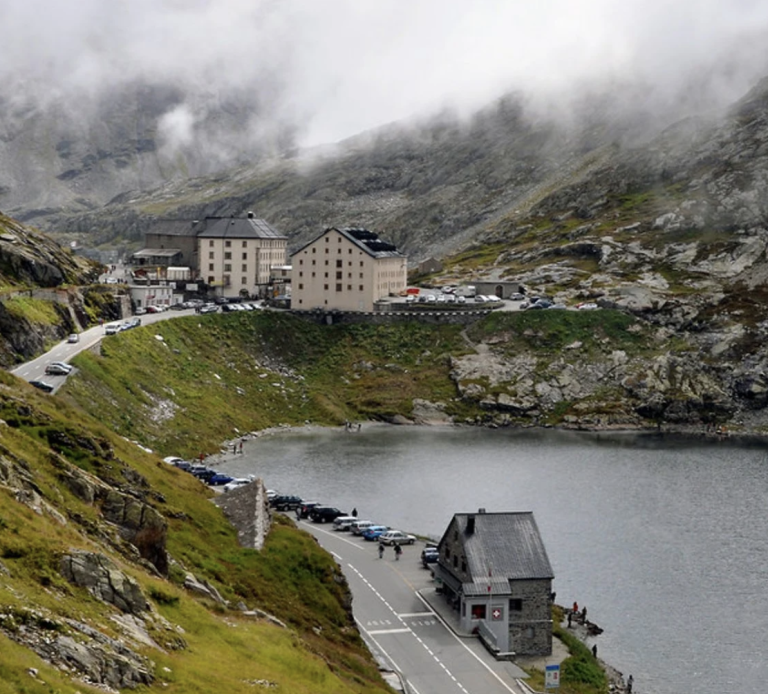
From prehistoric trails to modern tunnels, the mountain passes of the Alps have shaped the continent’s history. They are more than mere routes through rock and snow; they are memories in stone, witnesses to migration, conflict, commerce, and curiosity. As both gateways and guardians, the passes of the Alps endure — linking past and present, challenging and inspiring all who traverse them.