Austria
Austria is probably the most underrated cycling destination in the Alps.
Fabulous Austria
The absence of a grand tour like those in France or Italy, and the lack of 4,000-metre peaks and vast glaciers such as those found in Switzerland, might seem to put Austria at a disadvantage. However, there is no need for it to hide—cycling in Austria is absolutely superb, supported by an extensive network of cycling paths and routes.
Austria offers everything from relaxed valley-floor riding to challenging mountain climbs with magnificent scenery throughout. Above all, it boasts outstanding cycling infrastructure. Many ski resorts have embraced cycling in the summer, catering to all types of riders with bike-friendly hotels, mountain bike trails and downhill tracks, as well as well-equipped and competent rental and repair shops. Road quality is excellent, and Austrian hospitality is second to none.
Mountain High
Austria boasts the highest paved road in the Alps, The Ötztaler Gletscherstrasse stands at 2829 meters, beating the Cime de la Bonette loop road in France by 27 meters and the Col de I’Iseran by 59 meters.
There are the famous climbs of the Grossglockner, the lovely landscapes of Voralberg, impressive passes of the Tyrol and the Nockalmstasse in the Carinthia just to name a few.
Mountain Steep
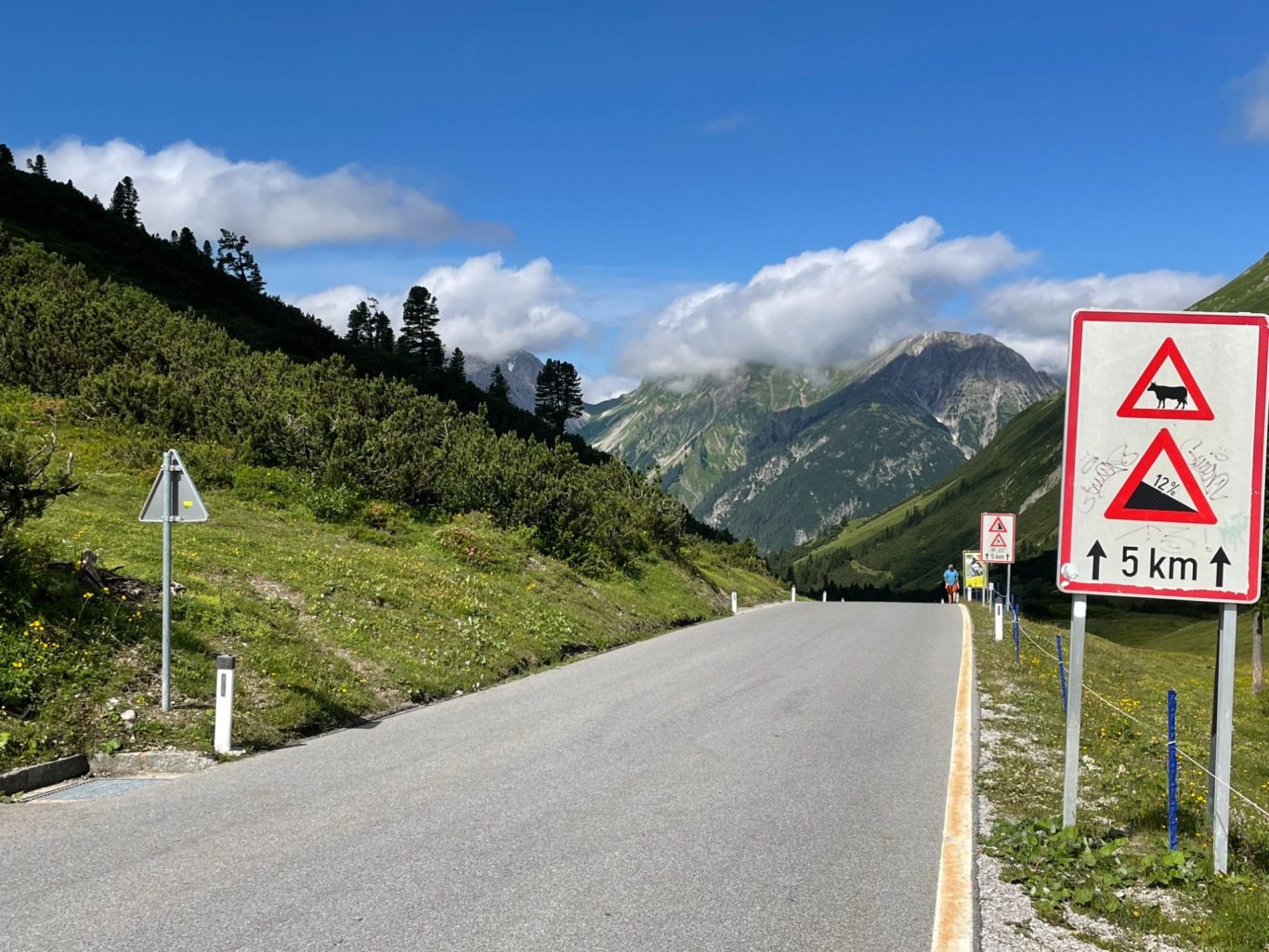
One word of caution though, Austrian roads are steep. Where Italian road engineers would put a couple of switchbacks to keep the gradient at 8-9%, Austrian roads often feature long ramps at 10-11% gradient. Especially the low lying climbs can be a killer. There are many "Monte Zoncolans" here.
Epic Cycling Climbs in Austria
2,829 m, Ötztaler Gletscherstraße, Austria, dead end road from Sölden: There are multiple claims to the highest paved road in the Alps but the Ötztaler Gletscherstrasse wins this competition. The French passes claiming the "highest" are in other categories though. In any case, this is a fiendishly tough road and as it is a dead end, it is dividing opinion if it counts as "highest". If you are in the area, it is worth tackling and checking out yourself
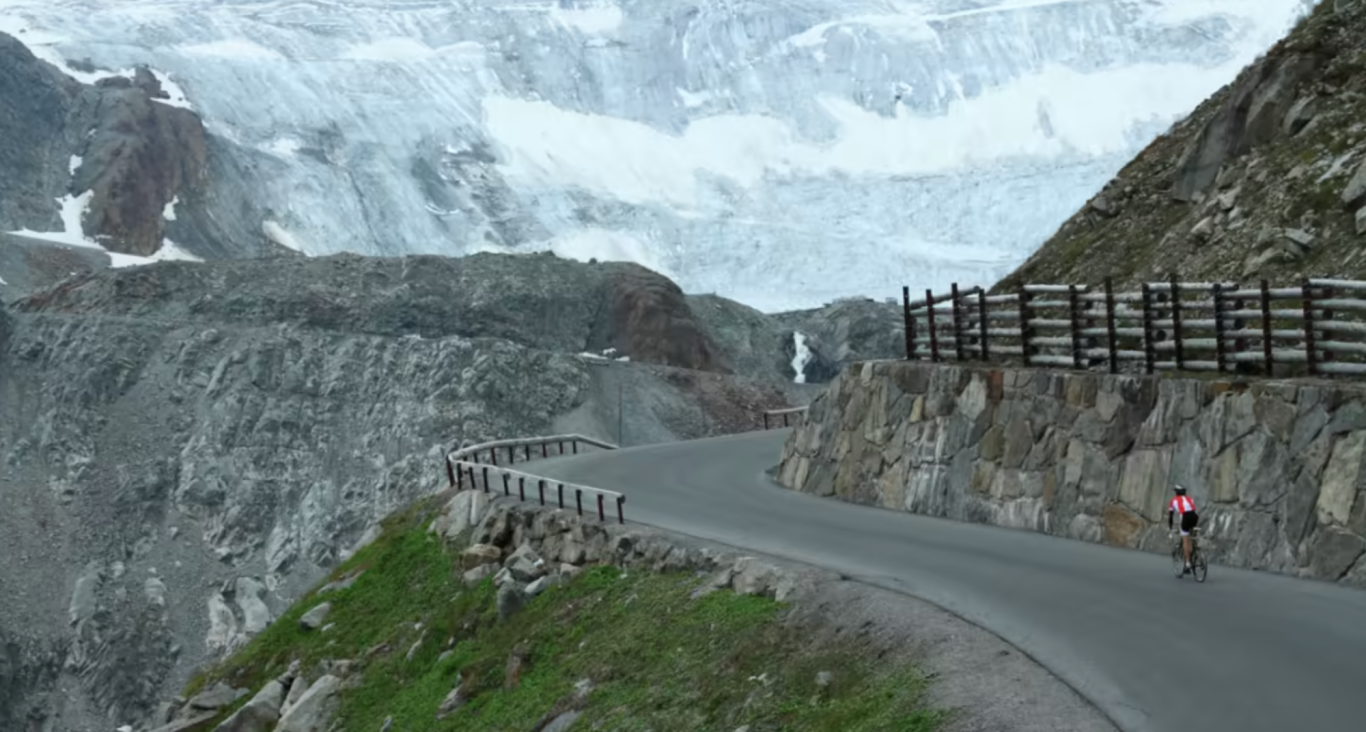
2,750 m, Kaunertaler Gletscherstraße, Austria, dead end road from Prutz: Super high dead end road, deep into the mountains. Steep, varied, remote and long. This is a lesser known road but a true gem as it ends at the foot of a glacier which turns the landscape into ice and rock. Click here for a detailed climbing journal.
2,571 m, Edelweißspitze, Austria, dead end road from Fusch or alternatively from Heiligenblut: A wide road in super condition, the Hochalpenstrasse is the Austrian crown jewels amongst all its fabulous roads. The road is hard and long and ends in cobbles. This is the best Austria has to offer. Click here for a detailed climbing journal.
2,504 m, Großglockner Hochalpenstraße (Hochtor), Austria, pass road connecting Fuschl and Heiligenblut: The Hochtor Pass on the Grossglockner High Alpine Road is the highest road pass in Austria is, it reaches an elevation of 2,504 meters. This scenic and historic road is a popular tourist destination and connects Bruck in Salzburg and Heiligenblut in Carinthia
2,474 m, Timmelsjoch / Passo del Rombo, Austria / Italy, pass road connecting Ötz in Tyrol and St. Leonhard in Passeier: A lesser known giant of a pass connecting Austria and Italy. The Italian side is a longer and demanding climb with 1800m elevation gain which put the Passo Rombo in the top tier of mountain passes. The Austrian side is a shorter and more varied road but equally as phantastic. Click here for a detailed climbing journal.
2,369 m, Kaiser-Franz-Josefs-Höhe, Austria, dead end road from Heiligenblut: and alternatively from Fusch: Cycling up Kaiser-Franz-Josefs-Höhe is a long, steady ascent on the Großglockner High Alpine Road, defined by smooth gradients, growing altitude, and increasingly dramatic scenery. As forest gives way to open rock and glaciers, finishing at a high, exposed viewpoint overlooking the Pasterze Glacier and the Großglockner massif
2,049 m, Nockalmstrasse (Eisenthalhöhe, Schiestlscharte), Austria, pass road connecting Kremsbrücke and Unter Winkel: Cycling the Nockalmstraße is a steady, moderate climb through forested valleys and gentle, grassy Alpine peaks of the Nockberge. The road winds smoothly with long curves, offering peaceful scenery, wildlife, and panoramic views, culminating at around 2,040 meters in a calm, high-mountain landscape. The entire road has 52 switchbacks which makes it also popular with the motorised folk.
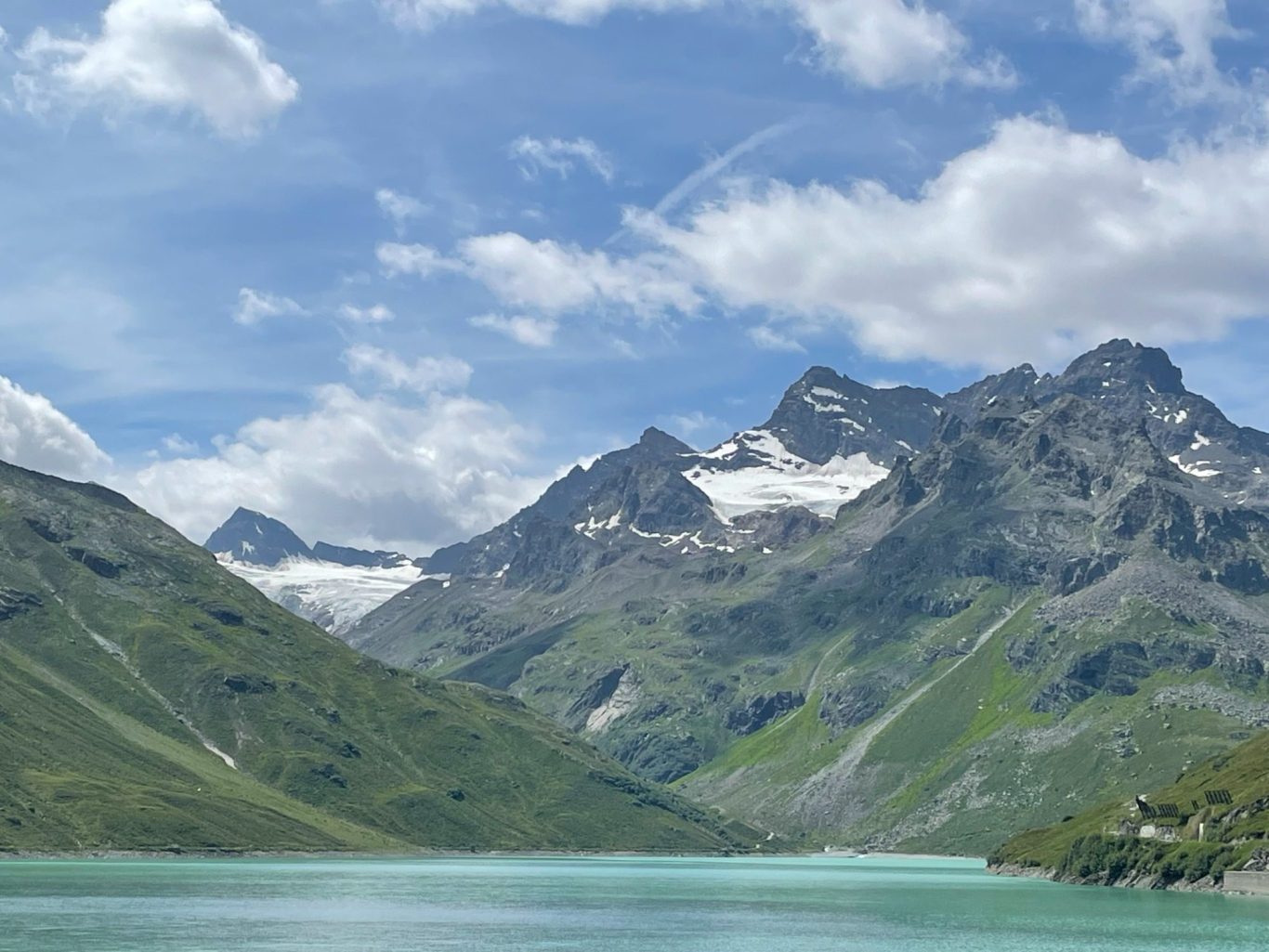
2,036 m, Bielerhöhe (Silvretta Hochalpenstraße), Austria, pass road connecting Montafon in Vorarlberg and Paznaun in Tyrol: The Silvretta Hochalpenstrasse was built to service the two reservoir lakes on route to the Bieler Höhe. The result is a wonderfully flowing road from Partenen in the Montafon. A true gem to ride, especially in the off season when the traffic has died down. Click here for a detailed climbing journal.
2,020 m, Zillertaler Höhenstraße (Melchboden), Austria, pass road system with climbs from Hippach and either Zellberg, Aschau im Zillertal, Ried im Zillertal or Kaltenbach: What used to be a track connecting the mountain villages became a steep and somewhat brutal road high above the Zillertal valley. The Zillertaler Höhenstrasse is paved but retains much of that alpine track character and is a tough road to ride, whatever way you chose to ride up.
2,017 m, Kühtaisattel, Austria, pass road connecting Ötz and Gries im Sellrain: Cycling the Kühtaisattel is a sustained, no-nonsense alpine climb that rewards persistence more than flair, it is a long, steady climb from the Ötztal that maintains a firm, consistent gradient with few breaks. Rising through forest into open alpine terrain, it’s a serious test of pacing and endurance.
1,894 m, Hahntennjoch, Austria, pass road connecting Elmen to Imst: Not an obvious contender to be on this list, but I really like riding this pass. There is an industrial feel about this road as it cuts across scree fields along a tight valley. This is also a tough road as they are quite common in Austria. Click here for a detailed climbing journal.
1,761 m, Furkajoch, Austria, pass road connecting Rankweil and Damüls: A great, great, great road. From Rankweil, it climbs steeply out of the Rhine valley before reaching a plateau and ambling through the enchanting Laterns valley before kicking up again for prolonged push to the top that make your legs and lungs burn. Fabulous ride in fabulous surroundings. Click here for a detailed climbing journal.
1,682 m, Hochtannbergpass, Austria, pass road connecting Au and Warth: An East-West connecting road through the Lechtaler Mountains. Not too high, not to steep just a lovely road that meanders deep into the Austrian/German border lands. Ideal to combine with other climbs in the region. Click here for a detailed climbing journal.
1,570 m, Piller Höhe, Austria, pass road connecting Prutz and Wenns: There are not that many pass roads in Austria that connect busy valleys and that are simultaneously away from traffic. The traffic between the Reschen and Inntal valleys are taken by much larger roads, leaving cyclists to enjoy this lovely yet demanding climb.
1,026 m, Pfänder Alpe, Austria, dead end road from Lochau: The mountain ride on Lake Constance which offers just the most superb views over the lake, the adjacent Swiss mountains and the Bregenzerwald. A 600m and quite demanding climb of the finest order. Click here for a detailed climbing journal.
Mountain Roads are Austria's lifeblood.
Mountain passes are the beating heart of Austria’s Alps. For centuries, they have been the gateways through some of Europe’s most challenging terrain, carrying traders, travellers, armies, holidaymakers, and today cars and lorries between northern and southern Europe. In a country where mountains dominate the landscape, these routes are not optional—they are essential.
Passes such as the Brenner have long been among the most important north–south corridors in the Alps. As one of the lowest and most accessible crossings, the Brenner has connected Germany with Italy since Roman times and remains one of Europe’s busiest alpine routes. Others, like the Pyhrn corridor, funnel traffic through Austria, linking the Balkans with central Europe and shaping modern migration and trade patterns.
Beyond their role in transit and commerce, Austrian mountain passes are deeply woven into the country’s regional life. Routes like the Arlberg Pass don’t just cross mountains—they connect communities, linking Tyrol with Vorarlberg and keeping local economies moving year-round. In winter, these roads are lifelines to ski resorts; in summer, they open up high alpine valleys for hikers, cyclists, and sightseers.
Some passes have become destinations in their own right. The Grossglockner High Alpine Road and Timmelsjoch are celebrated not only for the places they reach, but for the journey itself—dramatic scenery, sweeping views, and masterful engineering that turns mountain travel into an experience. Built in the early 20th century, these roads stand as symbols of Austria’s ambition and ingenuity in taming extreme landscapes.
Historically, these passes also carried strategic importance, shaping borders, enabling military movement, and guiding the development of railways and modern highways. Today, they remain powerful reminders of Austria’s unique position at the crossroads of the Alps—a country defined not just by its mountains, but by the routes that thread their way through them.
Discover Austria
I put together a cross the Alps multi day ride for 8+ days riding from Bregenz in the West to Graz in the East. Click here for further detail. This is a great way to get to know some of the greatest climbs in Austria.
One lesser known area on this route to pull out is the Nockalmstrasse. A wonderfully flowing road through the Nockberge mountains which provide a gentle backdrop.
Hopefully these tips have wetted your appetite to ride in Austria next time out.