Maintenance & TyreTips
Even if you are not a bike mechanic, some maintenance skills and practices will go a long way.
Bike Cleaning
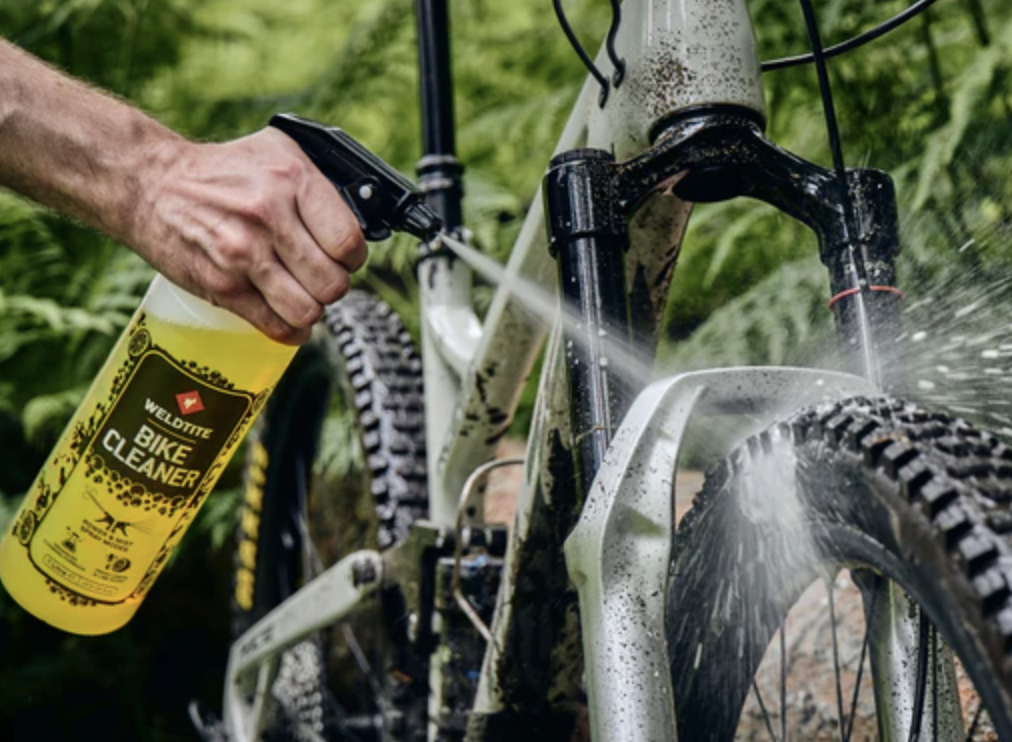
A clean bike is a happy bike, clean bikes live longer. This makes for a happy rider. Grit and dirt impact chain and drivetrain, diminishes your paintwork and makes you look sloppy. Regular cleaning also reveals any faults or repairs that should be done.
It is also worth to regularly check the tires for damage as well as cleaning the break dirt away. You can achieve peak performance when your bike is in peak condition. Good cleaning products are Muc Off or Weldtite Citrus Degreaser. Use soft brushes and a low pressure hose - no high pressure please!

Maintenance
Top 10 Maintenance tips: Learn more here how to maintain your bike and what tools you need.
Work stand: If you want to secure your bike while working on it, a bike stand is very useful. Most stands have a clamp to secure the bike and only clamp the seat post and never the frame. Here are some top tips on how to clamp your bike in the stand. Parktools have quality work stands for the home mechanic, which you can find here.
Tools & Lubricants: There is a list of tools you need on my maintenance tips. but I want to call out a torque wrench which is very useful for all those bolts that can only be tightened to a certain level, especially when carbon is involved. Also use carbon fibre assembly gel to tighten bolts against carbon or carbon against carbon, e.g. handle bars. Use anti seize or general bike grease for most bolts and loosen the pedals regularly to ensure they don't seize up.
Getting started: Here are some tips to start with from Bike Radar on essential maintenance. There a a number of maintenance videos on the web, GCN has a nice video library and this video gets you started while this video from Cycling Weekly goes a bit more into detail. Particularly gears and breaks require some experience and product specific knowledge though.
Learn hands on: In London, Bike Works offers maintenance courses for beginners and intermediates. Sigma Sports also offers bike mechanics courses, but only in the off season.
Tyre choices: Tyres are an art in itself and tyre choice will affect your ride quality, the longevity of your tyres, and how often you have to deal with punctures. So which brands offer good cycling tyres? Leading brands include Continental, Pirelli, Vittoria, Michelin and Schwalbe. Between these five manufacturers, virtually all of your tyre needs should be covered.
Key factors to consider when choosing a tyre include the type of roads you will be riding on, the style of riding you plan to do, and how willing you are to deal with punctures. In simple terms, the greater the puncture protection, the higher the rolling resistance and the greater the potential loss of performance.
Quality tyres are expensive but definately worth it. It is best to discuss tyre options with your bike shop to determine which tyre is most suitable for your riding style and the roads you typically ride.
Performance
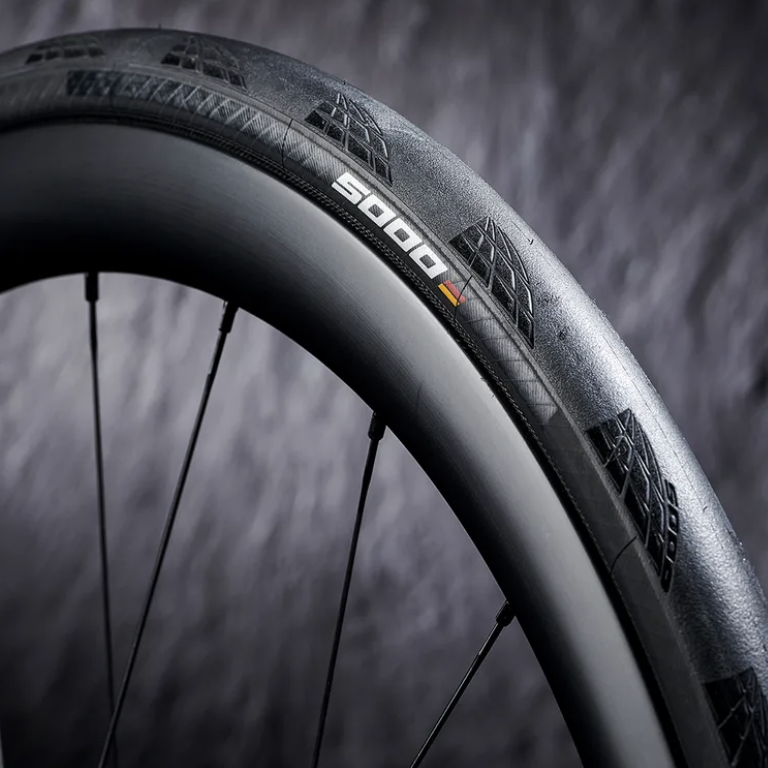
I am a great fan of the Continental Grand Prix 5000 road tyres. They are among the best road cycling tyres available, and I have been using them for years. At the premium end of the market, all of the major brands mentioned above offer excellent tyres, combining outstanding road feel with low rolling resistance.
The trade-off for this performance is that these tyres are designed to be lightweight, and their softer rubber compounds can be more susceptible to punctures. They are intended for fast roads, spirited riding, and clean, well-maintained surfaces.
I have used these tyres on countless rides without a single puncture in Germany, Italy, Austria, and even Hong Kong, whereas in the UK I have experienced punctures far more frequently. Road quality is therefore a key factor when choosing and using performance tyres.
There is also a tubless ready version of the Continental Grand Prix 5000 road tire. Also, the Pirelli P Zero Race is an excellent performance tyre.
Better puncture protection
A step down from pure performance tyres are performance tyres that offer greater puncture protection. There is some reduction in handling and an increase in rolling resistance, but these compromises are generally manageable.
These tyres are well suited to rougher roads with potholes and debris and at the same time, they still perform reasonably well on a club ride.
Winter conditions can present additional challenges for tyres, as rain often washes dirt, stones, and other debris onto the road, increasing the risk of punctures.
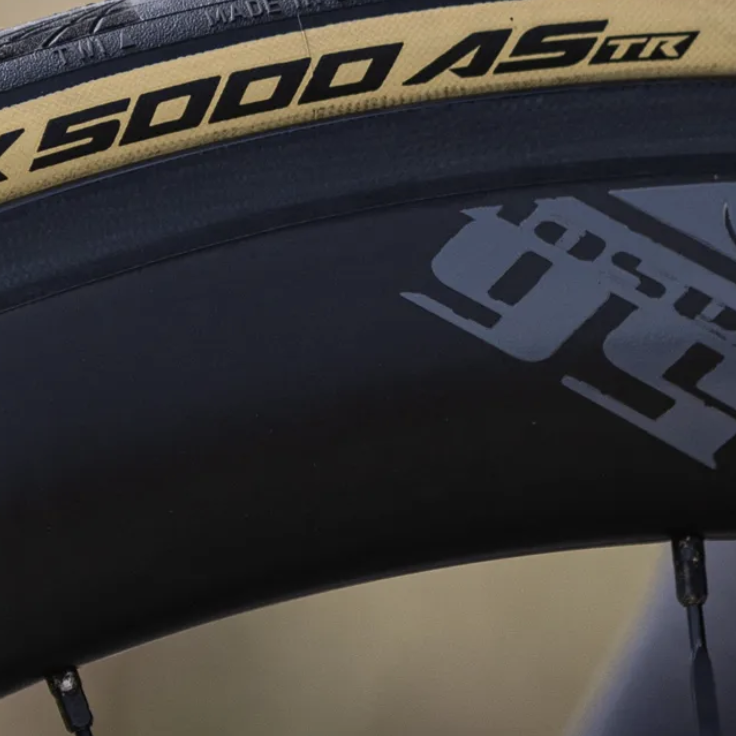
The Continental Grand Prix All Seasons which comes only as a tubeless ready tire, the Pirelli P Zero Race 4S is similarly robust and the Pirelli P Zero Road is a more robust version of the race tire. Michelin also offers several strong options in this range. Additionally, a wider performace tyre is also an option as the wider tyre increases the contact area and reduces the likelyhood of a puncture. The key in this category is to strike the right balance between road performance and durability.
4 seasons / commute / training
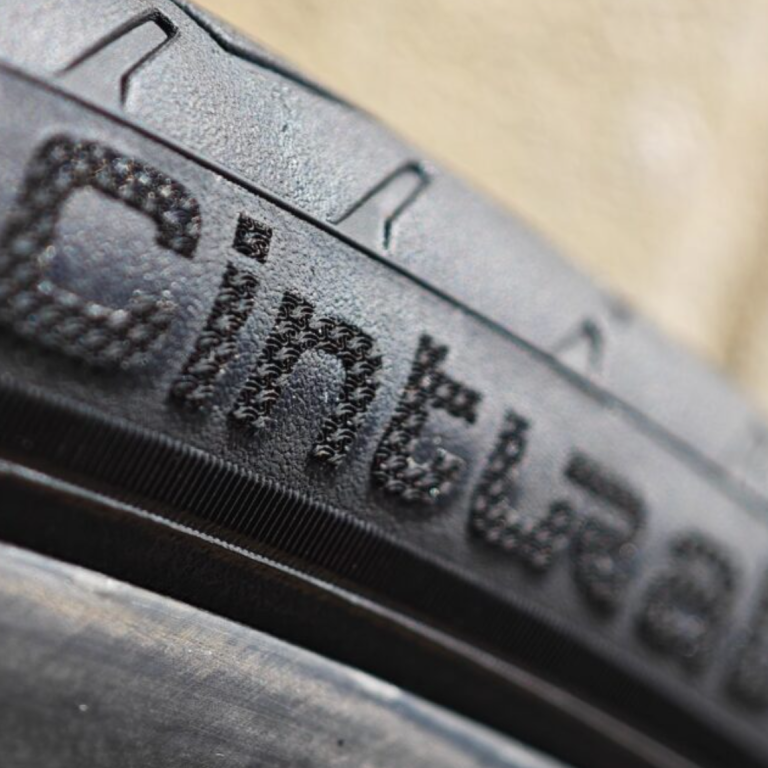
A further step towards greater longevity and robustness is the category of four-season or training tyres. The Schwalbe Pro One Allroad, the Continental Grand Prix 4-Season and the Pirelli Cinturato EVO are good choices in this category.
These tyres are more durable and are designed to cope with a wide range of conditions, from urban streets to country roads, routes where you may occasionally need to negotiate short gravel sections, and in all kinds of weather. If your riding regularly includes a mix of these environments, a tyre with more substantial puncture protection may be the right choice for you.
They are also particularly well suited to multi-day rides, where reliability often takes precedence over outright performance. However, handling and rolling resistance will be noticeably less refined than with dedicated performance tyres.
The distinction between puncture-resistant tyres and commuter tyres is somewhat fluid, with many models sitting somewhere between the two categories.
01
Performance tyres
Choices for performance tyres
Continental Grand Prix 5000: Clincher tyre / Tubeless ready tyre for fast riding with low roll resistance and good feedback. The wider tyres offer better puncture protection. The best tyre out there.
Pirelli P Zero Race: Clincher tyre / Tubeless ready tyre for a sporty or club ride. Very popular choice.
02
Improved puncture protection tyres
Choices with improved protection
Continental Grand Prix All Seasons: Tubeless ready tyre only with greater sidewall protection that the 5000. A 32mm wide Grand Prix 5000 tyre is probably quite similar in terms of puncture protection.
Pirelli P Zero Road: Clincher tyre / Tubeless ready tyre for road rides. This is a great combination of puncture protection and roll resistance and good for club rides but also loger trips.
Pirelli P Zero Race 4S: Clincher tyre / Tubeless ready tyre is one step up in puncture protection from the P Zero Road tyre and worth considering for a diverse riding environment.
03
Four seasons, training and commute tyres
Choices for four seasons/training
Continental Grand Prix 4-Season: Clincher tyre / Tubeless ready tyre has reasonable roll resistance and durability is certainly the key selling selling point and offers better road feedback than the Pirelli Cinturato.
Pirelli Cinturato EVO: Clincher tyre / Tubeless ready tyre is a more heavy duty tyre that focusses on puncture protection and durability over roll resistance. Great for winter, training or mixed terrain bike packing where speed is less of an issue.
Schwalbe Pro One Allroad: Clincher tyre / Tubeless ready tyre
To Tubeless or not to Tubeless
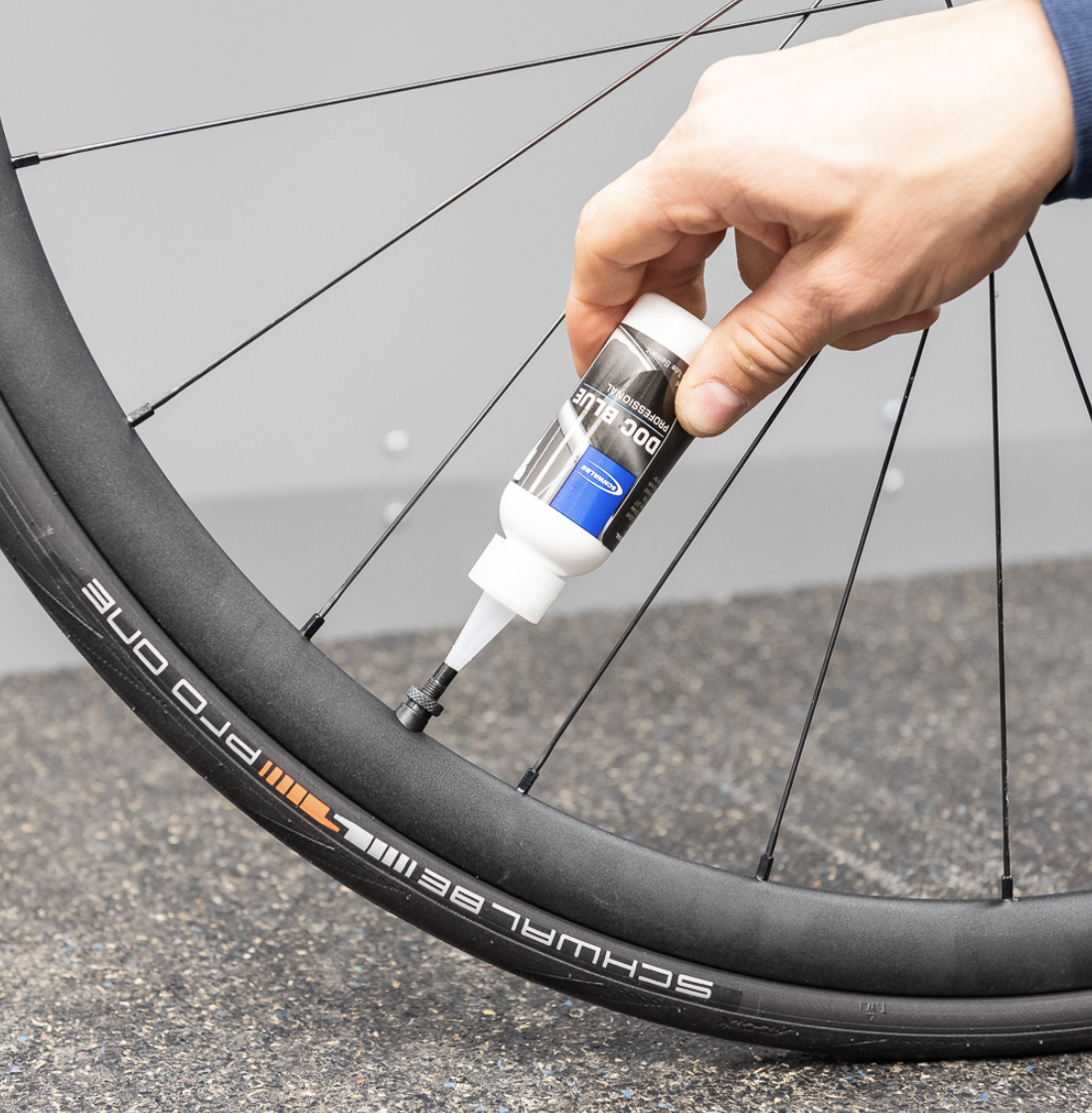
Punctures are, unfortunately, part of cycling, and a tubeless setup offers the advantage of continuing a ride without major disruption in the event of a small puncture. A tubeless system requires tubeless-ready wheels and tyres, along with sealant injected into the tyre instead of an inner tube. The sealant automatically seals minor holes during the ride. When a puncture occurs, the sealant is forced into the hole; although some may spray out initially, it usually seals the puncture within a few minutes. The tyre can then continue to be used without needing replacement. In this situation, tubeless is clearly advantageous.
However, a tubeless setup is more expensive than using inner tubes, and the sealant needs to be topped up roughly every three months. Problems arise when the hole in the tyre is too large to be sealed effectively. If this happens far from assistance, your options can be limited (although tyre plugs are availabe for larger holes). Additionally, when a puncture occurs, sealant can spray over the bike and should be cleaned off quickly before it dries and sticks to the frame. In case of a larger puncture, you will likely have to replace the tire and it is advisable to carry a spare inner tube.
In summary, tubeless systems work very well for small punctures and when you are close to home or services. However, when riding in remote areas, inner tubes offer greater certainty by simply replacing the tube.
Derailleur
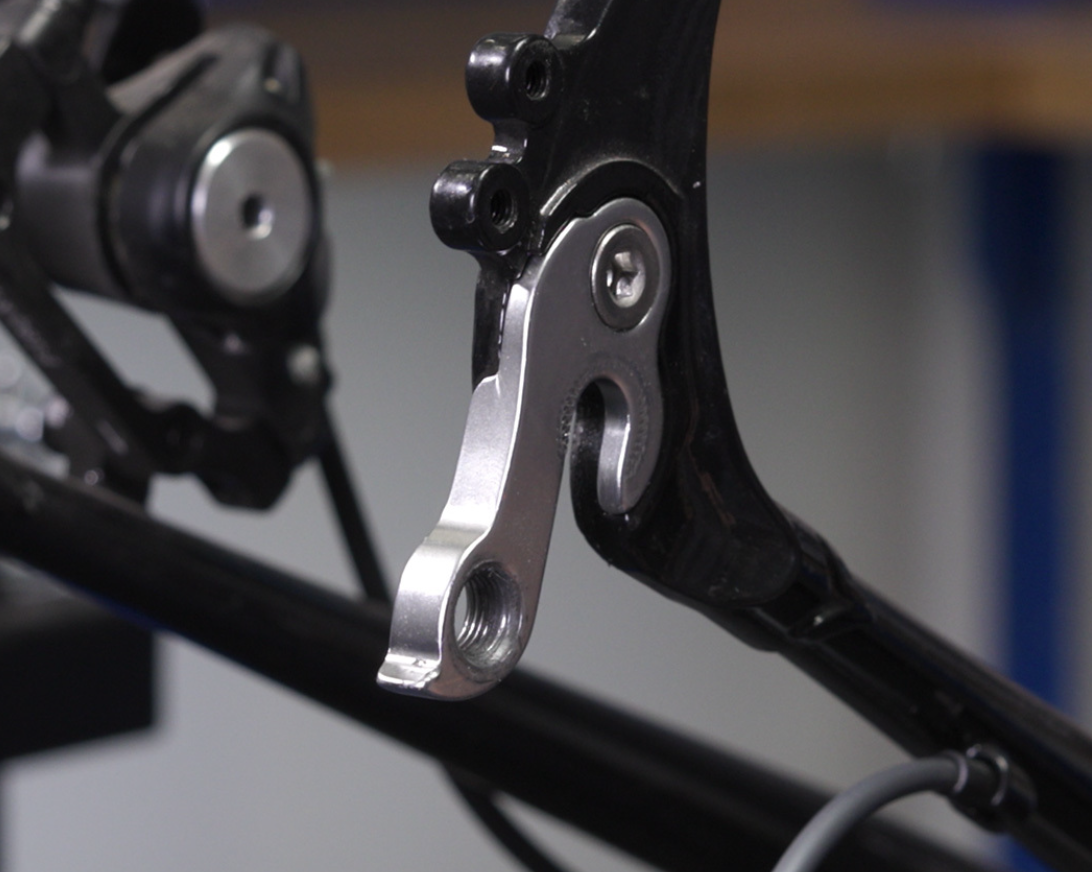
You wonder why I call out the hanger plate for special attention? The derailleur hanger is probably the most delicate item on your drive train and is designed to bend when knocked in transit, in a crash or when the bike falls over. All this can happen on a trip.
It can be bent back, but that reduces its stiffness and will lead to failure in time. It is always good to have a spare hanger plate which has to be specific for your bike and best bought from the store you purchased your bike or directly from the manufacturer.
When the bike is in transit, is is also a good idea to detach the derailleur from the hanger which can easily be refitted at your destination.

Bikepacking has a very different dynamic from day rides even if you ride on holiday and in new places. More immersed, more intense, more adventure, more freedom.