France
The home of road cycling and host to the Tour de France which is also the most attended sporting event in the world.
France holds a central and historic place in road cycling
France's special place in the sport is enshrined as the birthplace of the Tour de France in 1903 – The Tour de France is the most famous and prestigious cycling race in the world. It set the standard for multi-stage races and remains the sport’s ultimate test of endurance, tactics, and prestige.
Further, France was an early hub for competitive cycling, bicycle innovation, and journalism around the sport. French newspapers like L’Auto played a crucial role in popularising cycling through race coverage.
The landscapes of France are hugely varied and in virtually any part of the country can great natural drama and beauty be found which makes cycling in France deeply enjoyable.
France is a large rural country with many lightly used country roads and unrivalley cycling road infrastructure. Car drivers are on the whole curteous to cyclist as cycling is deeply embedded in French culture.
France is and remains the spiritual and historical heart of road cycling, influencing its culture, competition, and global prestige more than any other nation.
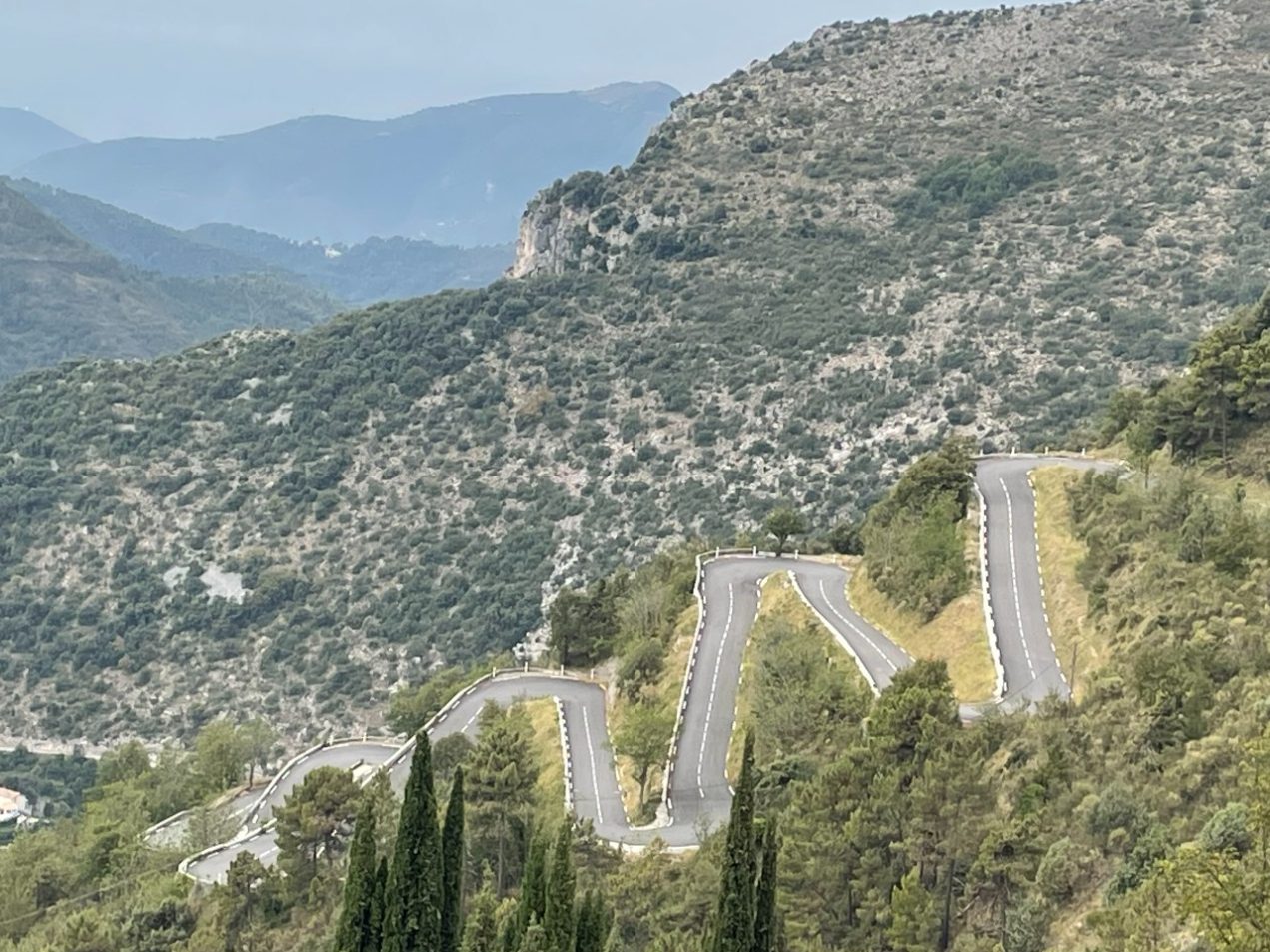
Alps
The French Alps run north to south rather than east to west which changes their character and ecosystem more than in any other Alpine country. They are therefore classed into Northern and Southern Alps.
Northern Alps - Alpes du Nord
The Northern Alps are characterized by higher altitude and more extensive glaciation. The area is home to the highest peak in the Alps and Western Europe, Mont Blanc at 4,808 m. The vegetation includes extensive forests of spruce and fir and the area generally spans the Haute-Savoie, Savoie, and Isère departments.
The French Northern Alps are one of Europe’s premier road-cycling destinations, offering a combination of legendary Tour de France climbs, high mountain passes, alpine lakes and spectacular scenery. The region is home to iconic ascents such as the Col de l’Iseran, Col du Galibier, Alpe d’Huez, Col de la Madeleine and Col de la Croix de Fer, many rising above 2,000 metres.
The riding is challenging, with long climbs, steep gradients and significant elevation gain, but the variety of terrain means there are options for all levels. Lower valleys around Annecy, Chambéry and the alpine lakes provide gentler riding, while the higher valleys lead towards the most demanding passes.
With its concentration of famous climbs, dramatic landscapes and strong Tour de France heritage, the Northern Alps offer some of the finest and most rewarding road cycling in France.
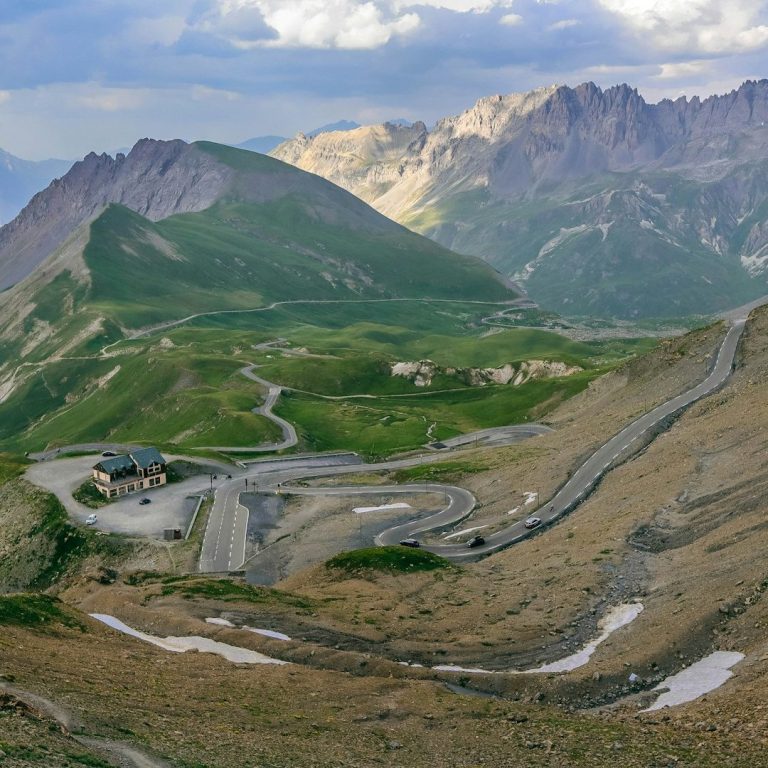
The most famous cycling climb in France with an unrivalled Tour history. First introduced into the Tour in 1911, the Galibier is the mother of all cycling passes. It sits at 2,642m altitude. The famous route from St Michel de Maurienne includes the climb over the Col du Telegraph (1,565m), it is 34.8km long and climbs 2,085m.
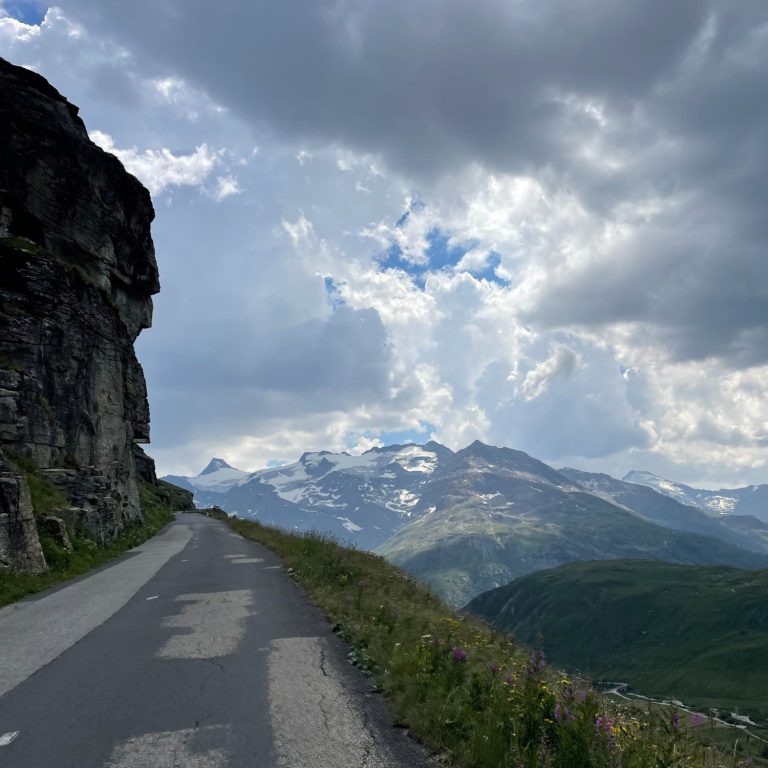
Highest paved mountain pass in the Alps at the end of the Haute Maurienne Valley at 2,770m. The southern climb via Bonneval sur Arc is tougher and more spectacular. Starting from Lanslebourg the climb is 32.2km long and climbs 1,451m including the little Colle de la Madeleine (1,741m) en route. The northern route from Val d'Isere is less strenuous, especially if riding from Val d'Isere and not from Bourg St Maurice as the lower road is busy and dangerous.
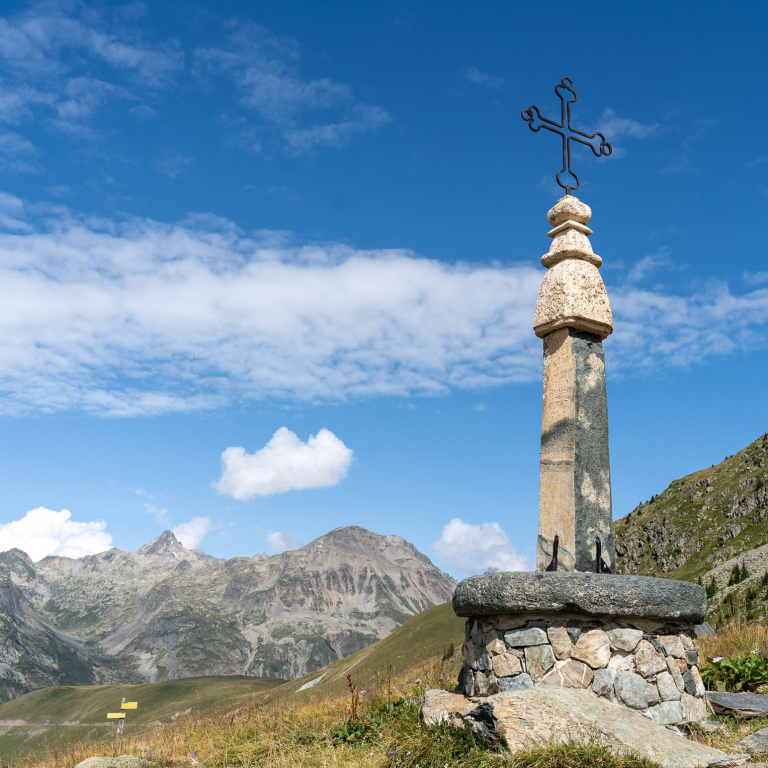
The Col de la Croix de Fer has mythical status in cycling terms. It can be climbed three ways - via the Col du Glandon and from St Jean de Maurienne from the north or from Allemond / Bourg d'Oisans form the south. Long and epic, the southern route is certainly the most remote.
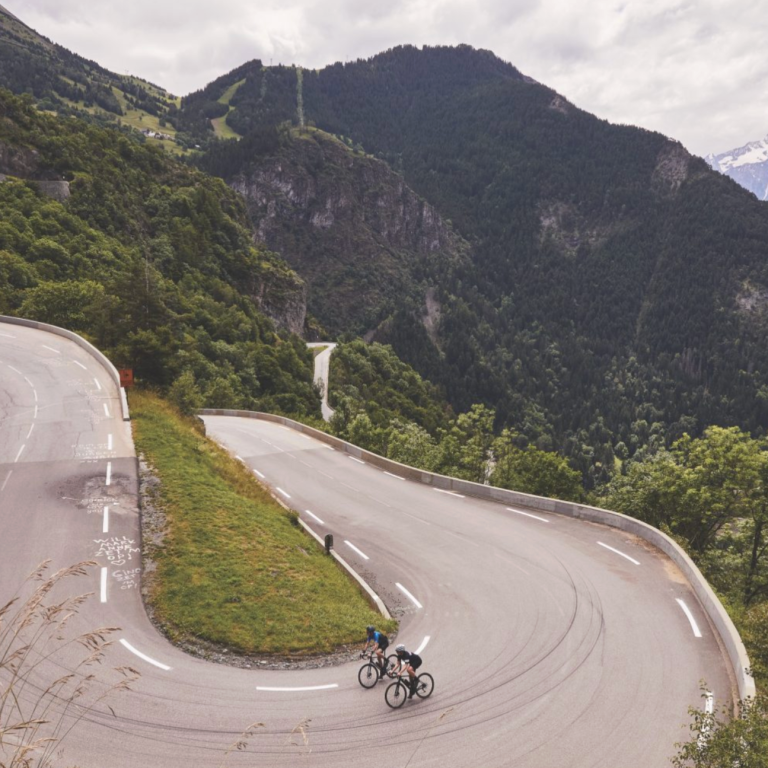
Alpe d'Huez has to be on this list as it is probably the most famous mountain finish in the Tour de France. There is competition for this crown by newcomers like Col de la Loze but Alpe d'Huez is the undisputed heavyweight here. The switchbacks are famous as are the cycling battles that happened on these slopes. The end is fittingly placed on the finish line of the TdF stage. One dampener is that after all this effort, you will only arrive in a ski resort.
Other significant passes in the Northern French Alps
2,405 m, Col du Granon, France, dead end road from Saint Chaffrey: A quiet road just off Briancon and in the middle of mountain pass superlatives of the Galibier and Izoard. At 11.2km length and a 9.2% average gradient, climbing the 1,037 elevation gain of the Col du Granon is a serious undertaking. But this tiny strip of tarmac is truly mesmerising and rewards with a superbe view over the Serre Chevalier mountains and with a rustic little restaurant at the top.
2,350 m, Val Thorens, France, dead end road from Moûtiers: On the list here as this as this is a prime example of a road built entirely for a ski station where nothing was before. Out of all the ski resort roads, this is probably one of the more famous and well-travelled. I would not go out of my way to ride up to a ski resort other than Alpe d'Huez, there are just too many fabulous roads to explore.
2,303 m, Col de la Loze, France, pass road connecting Meribel and Courchevel: New kid on the block, the Col de la Loze started out as a service road turned pass road in the Trois Vallee ski area, linking Courchevel and Meribel. Famous for its toughness, length and irregular gradient, this is a stern test for anyone, Even Tadej Pogacar found that out in the 2023 TdF. The last km are free of traffic which is one worry less given the relentless grind of this road. If riding in a ski area is your thing, this is the one.
2,188 m, Col du Petit-Saint-Bernard, France / Italy, pass road connecting Bourg St Maurice and Pré-Saint-Didier: Rising gradually from Bourg-Saint-Maurice, it winds through open valleys and thinning forest before reaching a calm, expansive high-alpine plateau. With gentle gradients and wide views near the top, just below the summit is an enormous hospice that can be seen all the way from down the valley just after passing La Rosiere. This road is an ancient crossing and might have been the spot Hannibal crossed into Italy with his army. Click here for detailed travel journal.
2,083 m, Col du Mont Cenis, France / Italy, pass road connecting Lanslebourg and Susa: The Col du Mont Cenis is one of the great historic passes of the Alps. At 2,083 m, it has been used for thousands of years and, unlike many higher Alpine crossings, offered a relatively accessible route between northern Europe and the Italian peninsula. The high surrounding mountains of the Haute Maurienne, the lake at the top of the pass and the extension of the ride to the Col du Petit Mont Cenis make this a great place to visit. Click here for detailed travel journal.
2,058 m, Col du Lautaret, France, pass road connecting Le Bourg-d'Oisans and Briançon: The Lautaret is often overlooked as a staging post to the Galibier and as it sits on the main road from Briancon to Bourg d'Oisans. True, it is not the most exciting climb but given its prominence in the Tour and as the Galibier's little sibling, it is very likely that you cross this pass when riding in France.
1,993 m, Col de la Madeleine, France, pass road connecting La Chambre and La Léchère: Grand old TdF pass with so much riding history, the Col de la Madeleine is almost cycling royalty. The pass features two distinct and difficult ascents: a longer, slightly easier northern approach from La Léchère, and a shorter, relentlessly steep southern climb from La Chambre, it is reaching an altitude of 1,993 meters.
1,969 m, Cormet de Roselend, France, pass road connecting Beaufort to Bourg St Maurice: Famous Tour de France pass which is the link between the mountainous run-off towards the Lake Geneva to the north and the cycling heartland of the Tarentaise and Maurienne valleys to the south. There are three ways to climb this pass. The standard route is form the north from Beaumont but it can also be climbed past the Col du Pre which is quieter and also runs along the reservoir lake. Click here for detailed travel journal,
1,925 m, Col de Glandon, France, pass road connecting La Chambre and Allemond (or via the Col de la Croix-de-Fer): Another Tour favourite both on the men's and women's tour. And you can see why as the road winds itself through and ever bleaker surrounding to the top. The Glandon combines the history of the Tour with absolutely fabulous nature and surrounding. Gradient alert here though. Click here for detailed travel journal,
1,689 m, Col de Joux Plane, France, pass road connecting Samoens and Morzine: The route from Samoens is the route used in the Tour de France and is generally considered the more challenging of the two climbs with gradients frequently hitting between 9-11%. The section near La Combe au Fle is particularly steep, this is a climb for cyclists who want a tough, traditional climb.
790 m, Lacets de Montvernier, France, climb to Montvernier: The original road that goes vertical up the hillside, the Lacets de Montvernier is a short, steep climb that hits immediately, stacking dramatic hairpins up a sheer cliff above the valley. With little chance to recover between switchbacks, it demands focus, but rewards riders with thrilling exposure and sweeping views. Riding this road is the destination in itself.
Southern Alps - Alpes du Sud
Cycling in the Southern French Alps offers a very different experience from the higher, more rugged mountains of the Northern Alps. The landscape is generally drier, sunnier and more Mediterranean, with long, quiet roads winding through deep valleys, limestone mountains, pine forests and open high-altitude plateaus. It is an exceptionally rewarding region for road cyclists who enjoy challenging climbs combined with warmer weather and quieter roads.
The area includes some of France’s most spectacular climbs, including the Col de la Bonette, Col d'Izoard, Col de Vars, Col de la Cayolle, Col de la Couillole and Col de la Lombarde. Many of these rise well above 2,000 metres, but the character of the riding changes dramatically with altitude. Lower down, the roads pass through dry valleys, villages and forests, while higher up they emerge into vast, barren landscapes with extraordinary mountain panoramas.
The Southern Alps cover the Hautes-Alpes, Alpes-de-Haute-Provence, and Alpes-Maritimes departments, plus parts of the Drôme, Var, and Vaucluse departments of the Provence. Even though the Alps of the Provence are part of the Southern Alps, I would draw a line at the Col de Couillole between Southern and Provencal Alps.
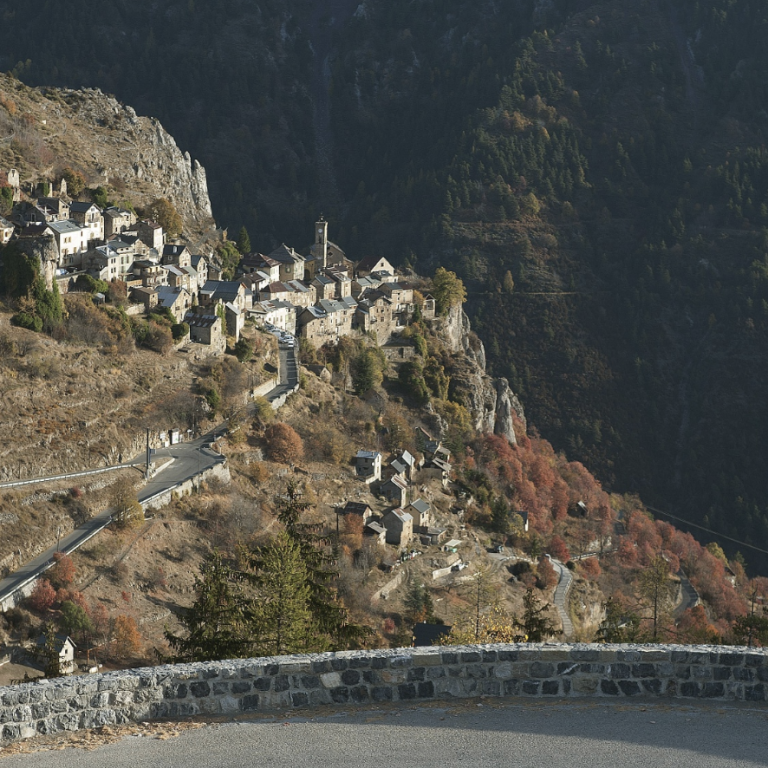
Fabulous southern Alpine pass at 1,677m with typical southern Alpine landscapes. It sits at what feels like the border between Southern Alps and the Provence. The pass rides through a gorge with lovely views and fabulous surroundings. Small tunnels, cliff top villages, a rickety windy road, and Tour pedigree. Sixteen amazing kilometres of riding.
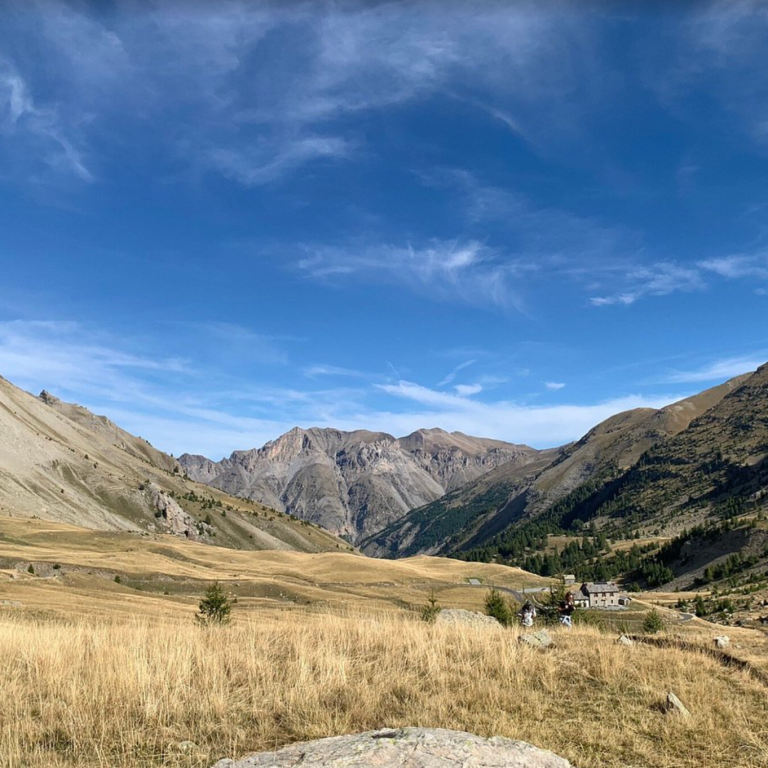
The Col de la Cayolle is a magnificent high mountain pass reaching an elevation of 2,326 meters and situated at the western edge of the Mercantour National Park. The road is famed for its spectacular, narrow stretches, including the dramatic Gorges du Bachelard on the northern side, and is celebrated by cyclists for its remote tranquility, breathtaking alpine scenery.
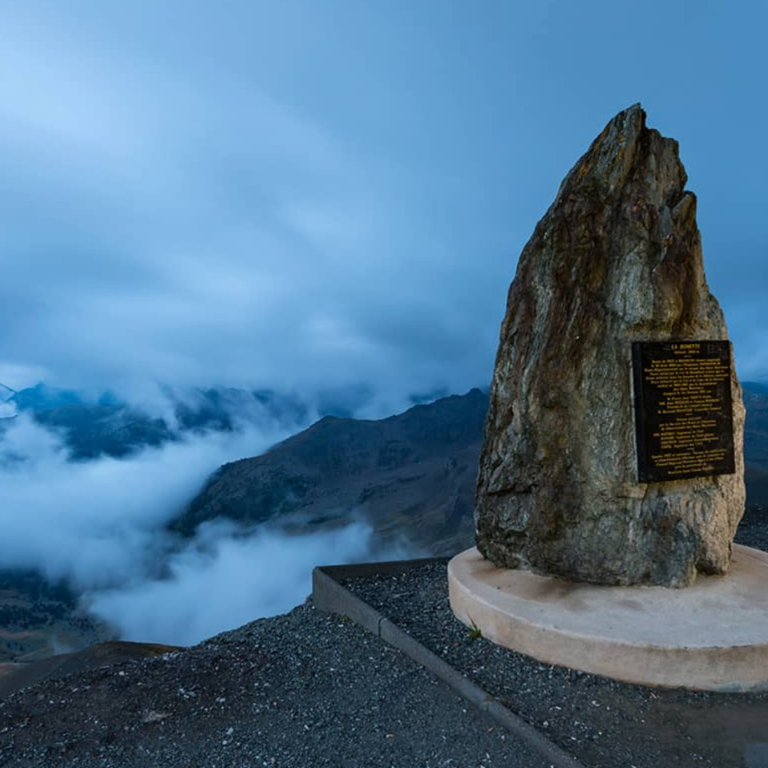
One of the most spectacular rides in the Alps, only beaten into second place by the Colle del Nivolet in Italy. The climb leads to the Col de la Bonette at 2,711m and then the Cime de la Bonette loop road climbing to 2,803m. From Jausiers the climb is 23.3km long and climbs 1,587m with an average gradient of 6.8%. This is one of a kind ride as the pass hight is higher than most of the surrounding mountains.
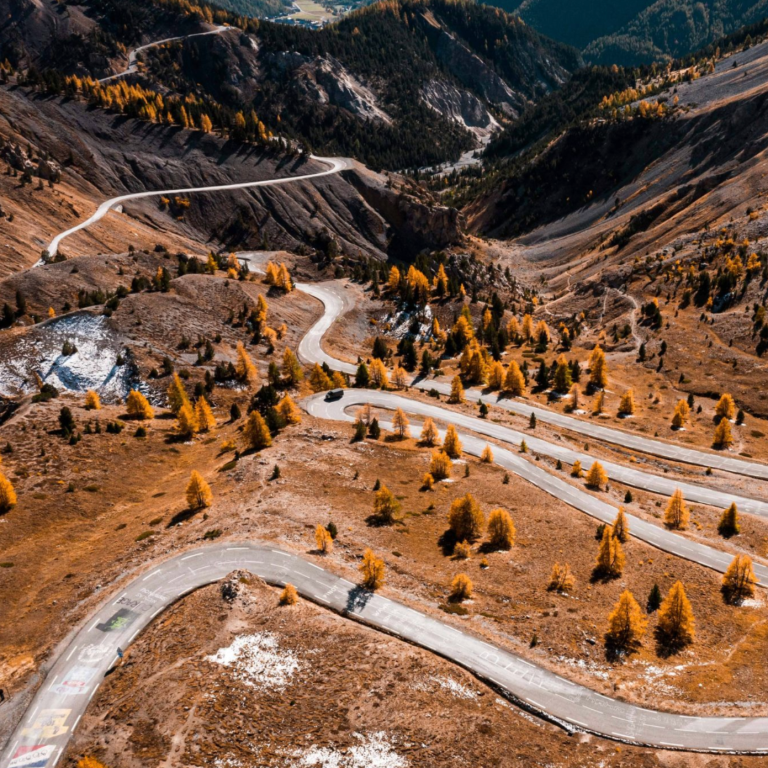
Known for its magical nature, the Col d'Izoard sits at 2,361m in the Arvieux Valley. The Southern side rides through famous "Casse Déserte" section and starting just before Les Moulins, the road is 14.1km long and covers 1,000m altitude gains.
Average gradients are manageable at 7.1%.
Other significant passes in the Southern French Alps
2,744 m, Col Agnel / Colle dell'Agnello, France / Italy, pass road connecting Queyras and Pontechianale: Hannibal is believed to have crossed the mountains in 218BC not far from here at the Col de la Traversette (although it could have been further north at Mont Cenis or even the Petit St Bernard). The pass maintained a remoteness as this border region between Italy and France is a region less developed. The road is totally magnificent and a must ride pass.
2,454 m, Col de la Moutière, France, paved section is a dead end road from Saint-Dalmas-le-Selvage: Very remote pass road just underneath of the Cime de la Bonette in the Mercantour national park. A remote, unknown and little used strip of tarmac that winds itself through the Mercantour national park and rewards the rider with near total solitude in fabulous surroundings. There is no sign at the pass height but only an old bunker indicates you have arrived.
2,350 m, Col de la Lombarde / Colle della Lombarda, France / Italy, pass road connecting Isola (via Isola 2000) and Vinadio: This should really be ridden from the Italian side. The southern Piedmontese alps are remote and not very developed (compared which the French side which boasts a ski resort just below the pass). The Italian pass road is less traveled and totally enchanting. It is on my bucket list!
2,247 m, Col d'Allos, France, pass road connecting Barcelonnette and Colmars: Reaching an altitude of 2,247 meters, the pass connects the Ubaye Valley to the north with the Verdon Valley to the south. Known for its challenging and narrow road, the Col d'Allos is a celebrated climb in the TdF and is famous for its exceptional, unspoiled scenery within the Mercantour National Park. As a nice touch, the pass is often reserved for cyclists on Friday mornings in the summer.
2,108 m, Col de Vars, France, pass road connecting Saint-Paul-sur-Ubaye and Guillestre: Frequently used pass in the TdF but has not been able to carve out a famous reputation. A 20km long road from Guillestre with a couple of shallow sections, the road travels through a number of lovely villages and not so lovely ski stations and is nearly entirely exposed in the open. The mountains are less high and the valley is wide open throughout. Click here for detailed travel journal
Provence
One can argue that the Provence is part of the Southern Alps but the region needs its own mention due to its specific mediterranean climate, vegitation and landscape.
Provence: Alpes des Haute Provence and Alpes Maritimes
The Alps in Provence, formally known as the Provence Alps and Prealps, form the southwestern transition of the main Alpine chain towards the Mediterranean Sea. The region is characterised by a unique blend of high-mountain landscapes and the classic Mediterranean climate and culture of Provence.
The Provence-Alpes-Côte d’Azur region stretches from the Italian border in the east to the Rhône Valley in the west. It is generally lower and sunnier than the Northern Alps, yet it still features impressive mountain massifs, including those within the Mercantour National Park. While the region encompasses much of the Southern Alps, the landscape south of the Col de la Couillole becomes unmistakably Provençal.
The area is crisscrossed by deep river valleys and spectacular gorges, most notably the Gorges du Verdon, one of Europe's largest canyons. It is also famous for its distinctive scenery, where coniferous forests give way to lavender fields, olive groves and the fragrant scrubland known as garrigue. This combination of mountains, Mediterranean landscapes and warm sunshine makes Provence a particularly special place to explore by bike.
There are also excellent cycling opportunities further west along the Mediterranean coast in the Var. The Massif des Maures, between Hyères and Saint-Tropez, and the Montagne Toulonnaise offer a variety of beautiful and challenging climbs. Further west, the Route des Crêtes between La Ciotat and Cassis is one of the most dramatic coastal roads in the region, winding high above the cliffs of the Massif des Calanques and offering spectacular views across the Mediterranean.
Further inland, the Gorges du Verdon stands out as one of Provence's great natural attractions, while the countryside north of Aix-en-Provence in the Drôme and Vaucluse becomes gentler, with rolling hills, vineyards and extensive lavender fields.
Provence is an exceptionally varied region, with its distinctive colours, scents, food and culture. For a cyclist, this combination of landscapes and experiences makes riding here a genuine pleasure.
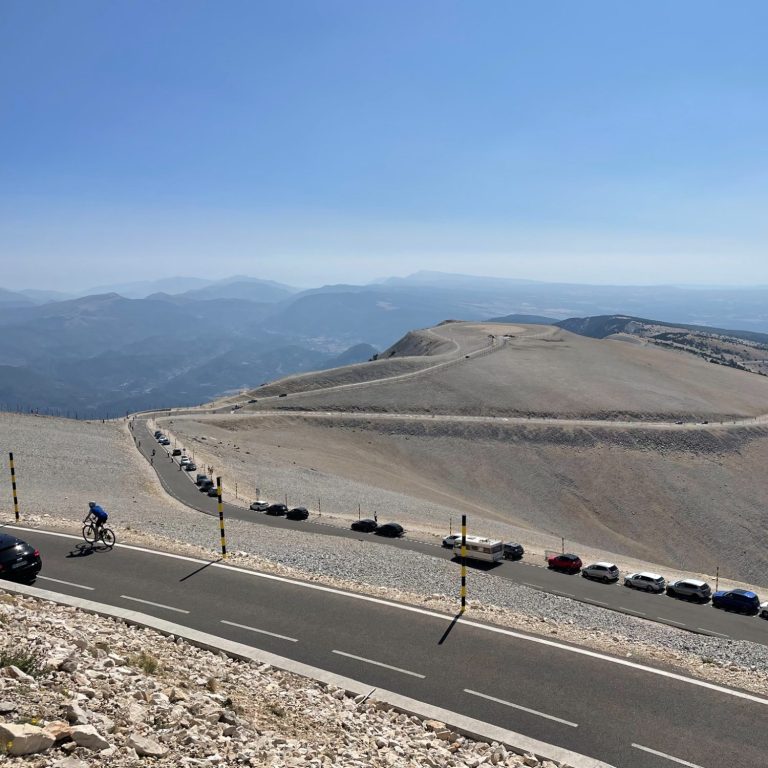
The "Giant of Provence" stands at 1,909 meters, it is one of the most revered and feared challenges in cycling, famed for its brutal, relentless difficulty and its stark, lunar summit. The classic and toughest route begins in Bédoin, it is 21.5 km long at 7.5% average gradient. Breaking out of the forest at Chalet Reynard, the landscape abruptly transforms into the iconic, exposed white, barren 'moonscape' for the final 6 km, where the slope is exposed and the cyclist battles the fierce, unpredictable Mistral wind, often making the final push to the summit weather station a monumental feat of mental and physical endurance. An ascend to Mount Ventoux can be combined with the Gorge de Nesque which is a lovely ride.
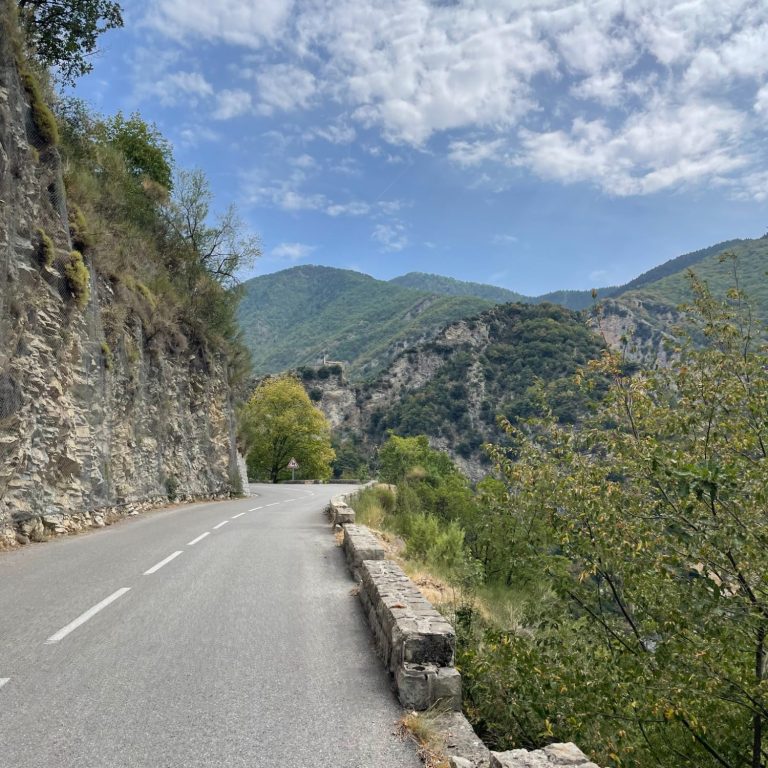
The Col de Turini is a famous and challenging mountain pass in the Maritime Alps of France, known for its incredible scenery, tight hairpins, and dual fame in both cycling and motorsport. Reaching an altitude of 1,607 meters, it connects the Vésubie Valley to the Bévéra Valley. The southern ascent from Sospel is 24.3km long with an average gradient of 5.2%.
The Western Ascent from La Bollène-Vésubie is shorter at 15.2 km but also steeper at 7.2% gradient. This side is famous for its winding, engineered series of switchbacks.
The ascent from Luceram is one of the dreamiest and twistiest roads there is and will put a smile on any cyclists face.
Check out this route from Nice to Col de Turnini via Col de Braus.
Click here for detailed travel journal
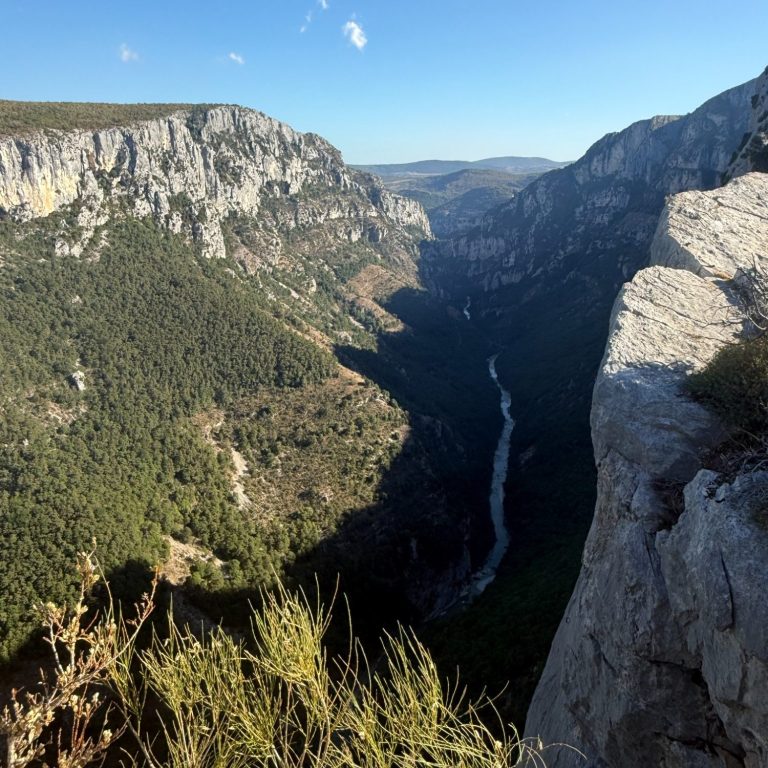
The cycling routes primarily follow the cliff tops, offering breathtaking views down into the gorge.
The Corniche Sublime (D71): This is the most famous and spectacular route, running along the south rim of the gorge and is known for its panoramic viewpoints, tunnels carved into the rock face, and sheer drops.
For the extra wow factor, the Route des Crêtes (D23) on the northern side is the road to pick. It is a specific loop on the north rim accessible from the village of La Palud-sur-Verdon. It features the highest viewpoints, crazy switchbacks, rickety tunnels and the most dramatic section of road right at the gorge's edge. It offering stunning perspectives directly over the deepest part of the canyon. Check out this route suggestion.
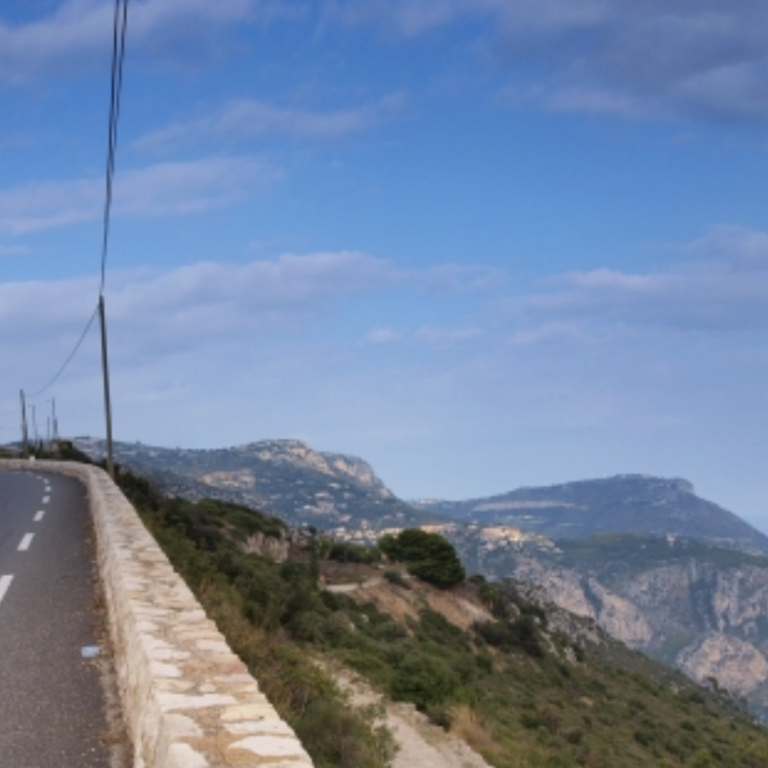
Cycling the Col d’Èze is a quintessential experience of the French Riviera, famous less for its sheer altitude and more for its historical importance, beautiful Mediterranean views, and role as the traditional climax of the Paris-Nice professional cycling race and also featured heavily in the Tour de France Femmes in 2026. The Col d'Èze is reaching an altitude of 507 meters, it is 9.3 km long with an average Gradient of 4.7%. The main reward for the effort is the absolutely breathtaking panoramic view. As you climb, you look down upon Nice, the Bay of Villefranche, Cap Ferrat, and eventually, the entire coastline stretching toward Italy. The coastal area north of Monaco has a large variety of short sharp climbs with the Col de Braus (from Escarene) probably being the most famous.
Pyrenees
Wilder than the Alps, the Pyrenees are the second most important cycling area in France, visited by the Tour de France every year.
Connecting the Atlantic with the Mediterranean
Cycling in the French Pyrenees presents a rugged and historically significant challenge, distinct from the Alps due to its wilder feel, variable weather, and sustained, brutal gradients across iconic, high-altitude passes. The experience centers around conquering legendary climbs like the Col du Tourmalet at 2,115 m, the highest and most frequently featured), the exposed Col d'Aubisque at 1,709m, and the relentless Plateau de Beille. The scenery is characterized by dense pine forests giving way to open, lush mountain pastures (estives), offering cyclists a pilgrimage into cycling history set amidst raw, untamed mountain beauty that requires careful planning due to the region's remote nature. The Col Collective gives a great overview of the Pyrenees.
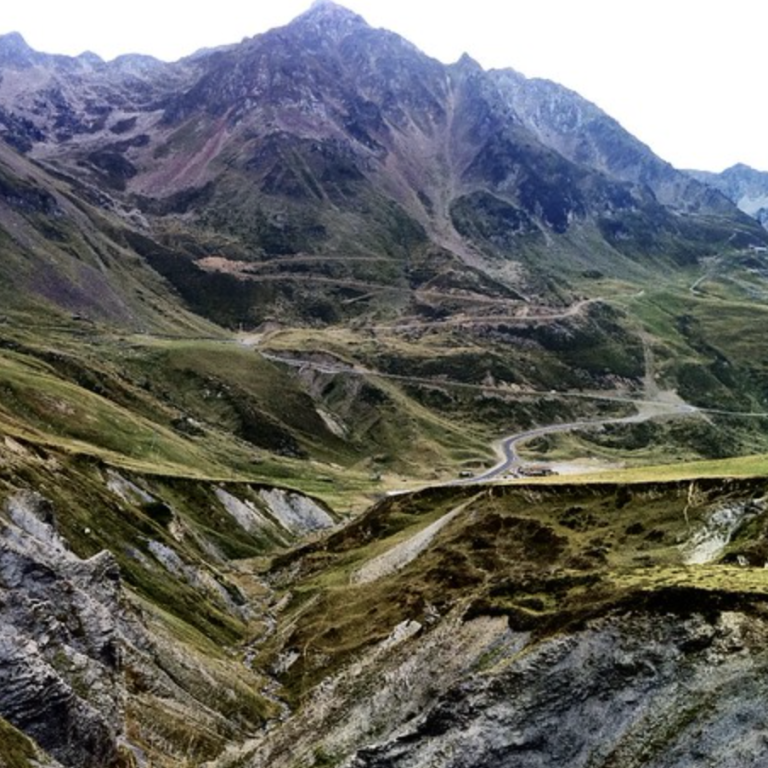
The undisputed king of the French Pyrenees is a demanding and iconic pilgrimage to the highest paved pass at 2,115m and most frequently used in the Tour de France. The western climb from Luz-Saint-Sauveur is steeper and more consistent. The eastern climb from Sainte-Marie-de-Campan is longer, with an early gentle section before the sustained, punishing upper slopes. The ultimate reward at the often cold and windswept summit is the famous statue of cycling founder Jacques Goddet and an unparalleled sense of achievement on one of the most historically significant roads in the sport.
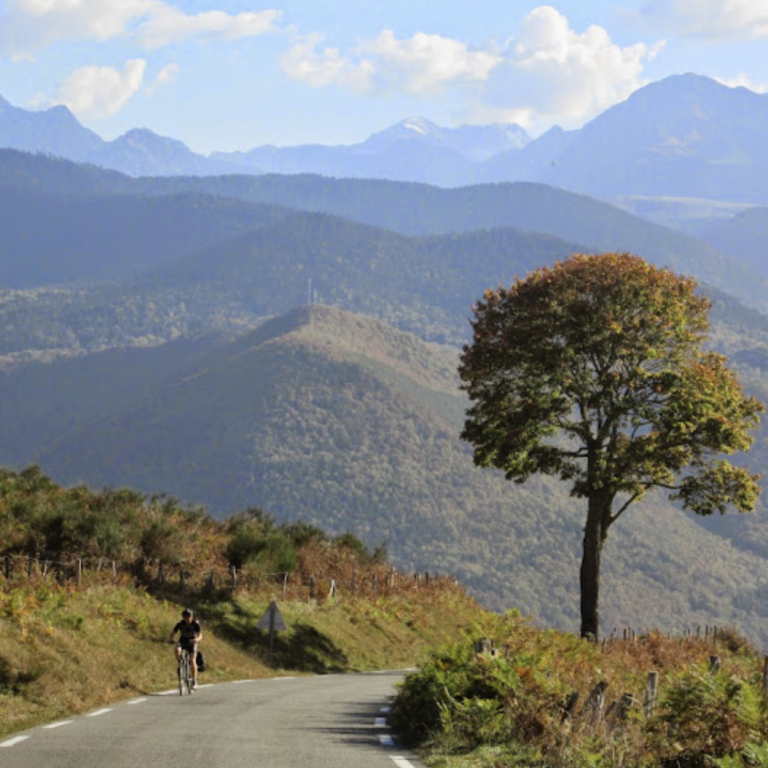
Cycling the Col d'Aspin is considered a classic and often transitional climb in the Pyrenees, famous for its picturesque beauty and relatively steady gradient, reaching an altitude of 1,489 meters. The ascends on either side take riders through lush, green pine forests and eventually break out onto wide open mountain pastures (estives) near the summit, where one can frequently see cattle and sheep grazing freely. Although its altitude and difficulty are moderate compared to its colossal neighbor, the Tourmalet, the Col d'Aspin is cherished for its breathtaking views, steady rhythm, and the classic, unspoiled Pyrénéen alpine scenery it offers cyclists.
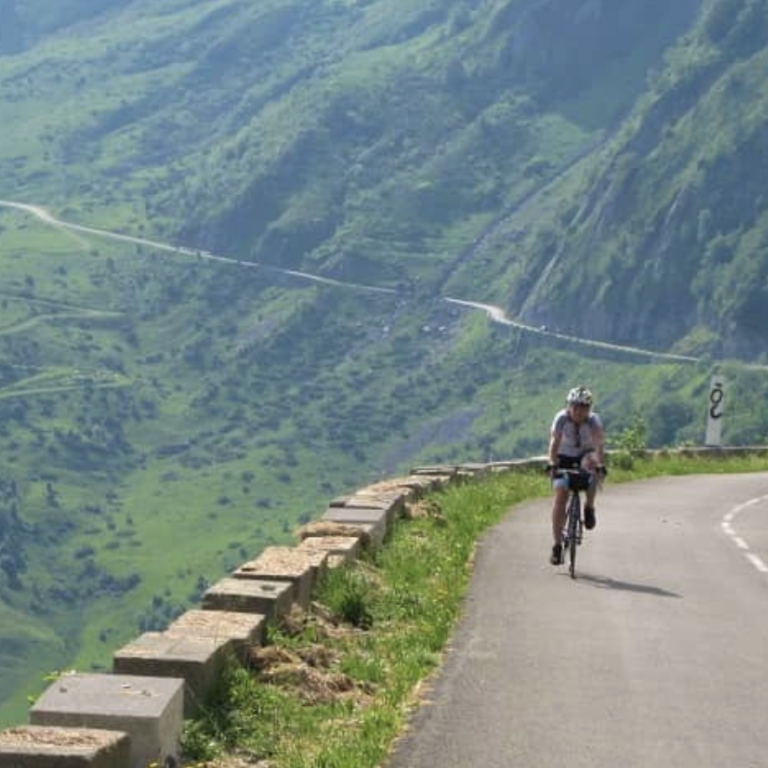
The classic and most challenging ascent begins from Laruns on the western side, spanning approximately 16.6km with an average gradient of around 7.1%, climbing relentlessly through the Gorges du Hourat and the village of Eaux-Bonnes. Near the summit, the road becomes highly exposed, offering breathtaking panoramic views of the adjacent Col du Soulor and the dramatic route carved into the cliff face, rewarding the cyclist with a feeling of deep isolation and immense achievement in the heart of the Pyrénées Atlantiques.
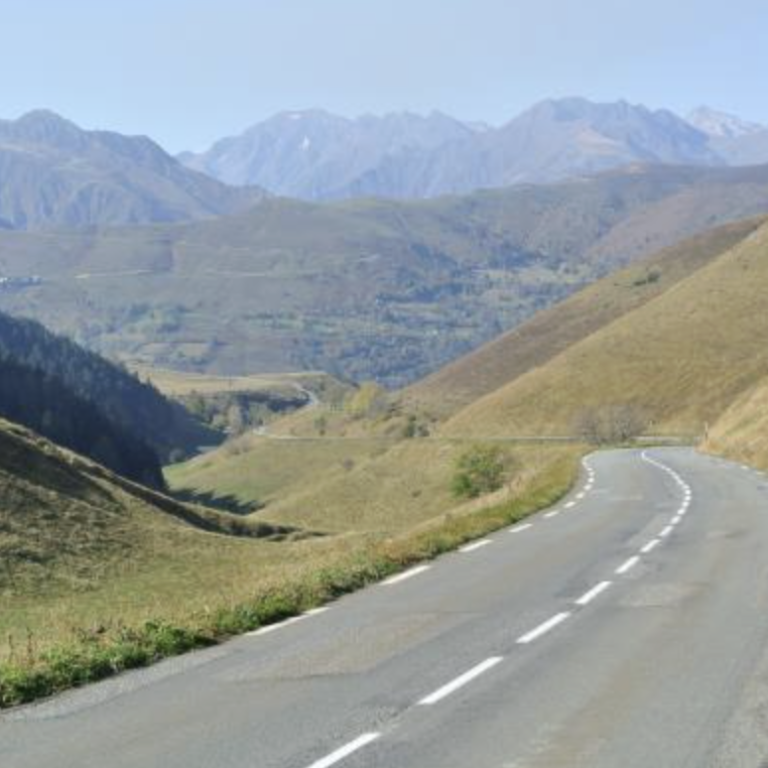
Cycling the Col de Peyresourde is a classic Pyrenean experience, connecting the Luchon Valley with the Louron Valley at an altitude of 1,569m. The most frequently featured ascent in the Tour de France is from Bagnères-de-Luchon on the eastern side, which covers 15km at a steady average gradient of about 7%. This climb is famous for its visual rhythm, characterized by numerous, tight, and well-maintained hairpin bends (lacets) in its upper section, offering beautiful views back down the valley. Although it does not reach the height of the Tourmalet, the Peyresourde is a tough, continuous climb.
Discover France
To expolore the home of grand tour mountain passes, I put together two routes across the French Alps:
These are further epic routes on Komoot crossing the Alps north to south and the Pyrenees west to east: