Climbs by Country
Great places to ride can be found everywhere. The Alps are a great place with many iconic passes.
Outside the Alps, I included Germany, the UK, Spain, the USA and Hong Kong. All have great climbs and I am sure that more countries will join that list in time.
Once you start riding in Italy, the chances are that you don’t want to ride anywhere else. It is just the coolest country in the world!
Italy has a unique combination of sweet and yet dramatic landscapes: great mountain passes and rickety side roads, epic cycling heritage and wild and mysterious mountain passes. There is great food and quaint villages and all this adds up to a supreme riding and holiday experience.
There are the famed passes around Bormio with the Stelvio, Gavia and Mortirolo which feature frequently in the Giro, weather permitting. There is the "who is who" of climbs in the Dolomites around Alta Badia and Cortina d’Ampezzo laden with cycling folklore.
But being a mountainous country, Italy has many lesser explored or even wild corners for cyclist to explore. Top amongst those is the Aosta valley sidling up to the highest Alpine mountain of Switzerland and France. There is the Piedmont with its cast away feel and wild beauty at the Italian - French border in the southern Alps. The Apennines around the Gran Sasso d’Italia are in the centre of the country. There are endless other wonderful areas to explore around the northern lakes, the Trento, Tuscany and Sicily – too many to mention.
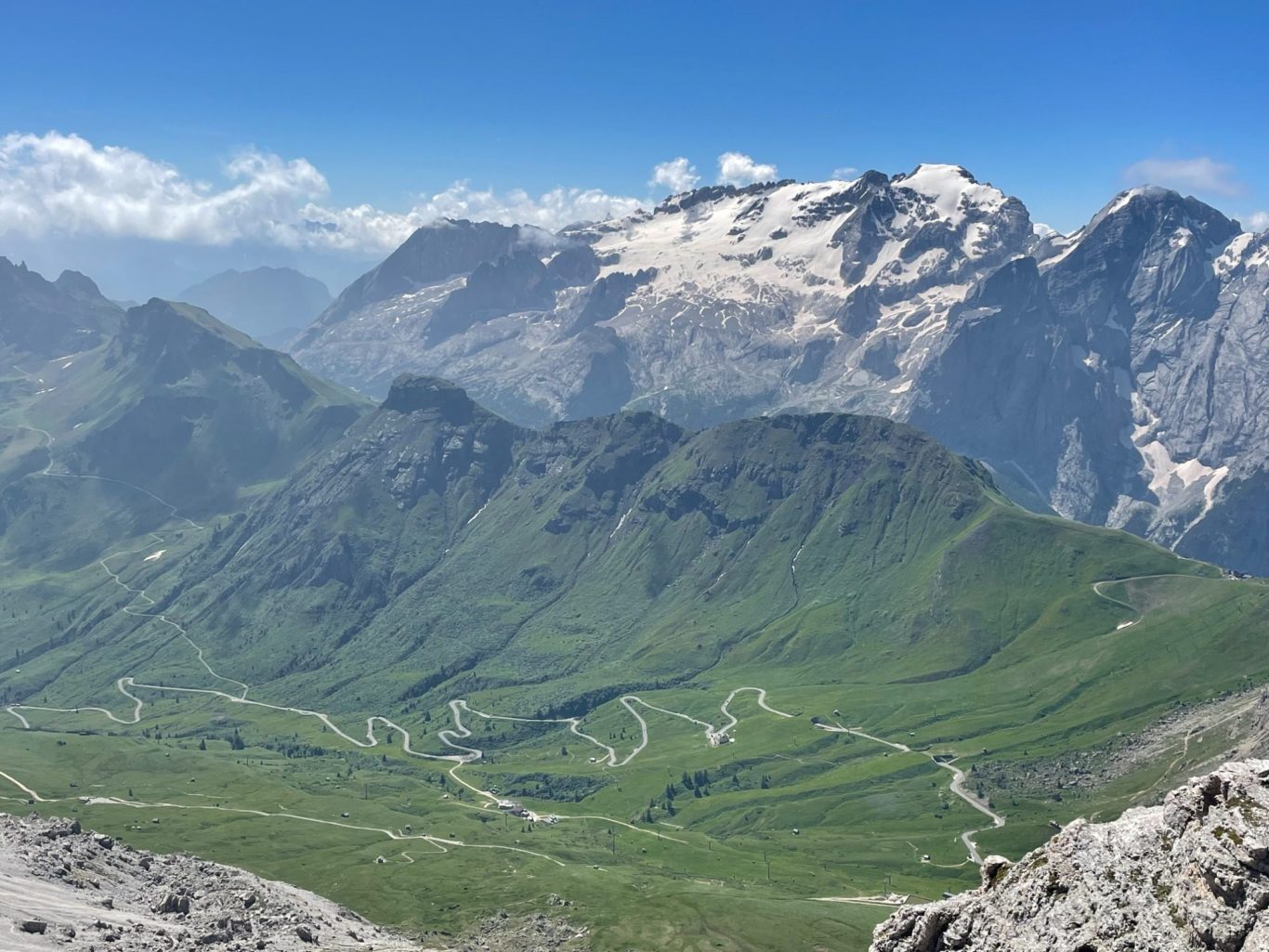
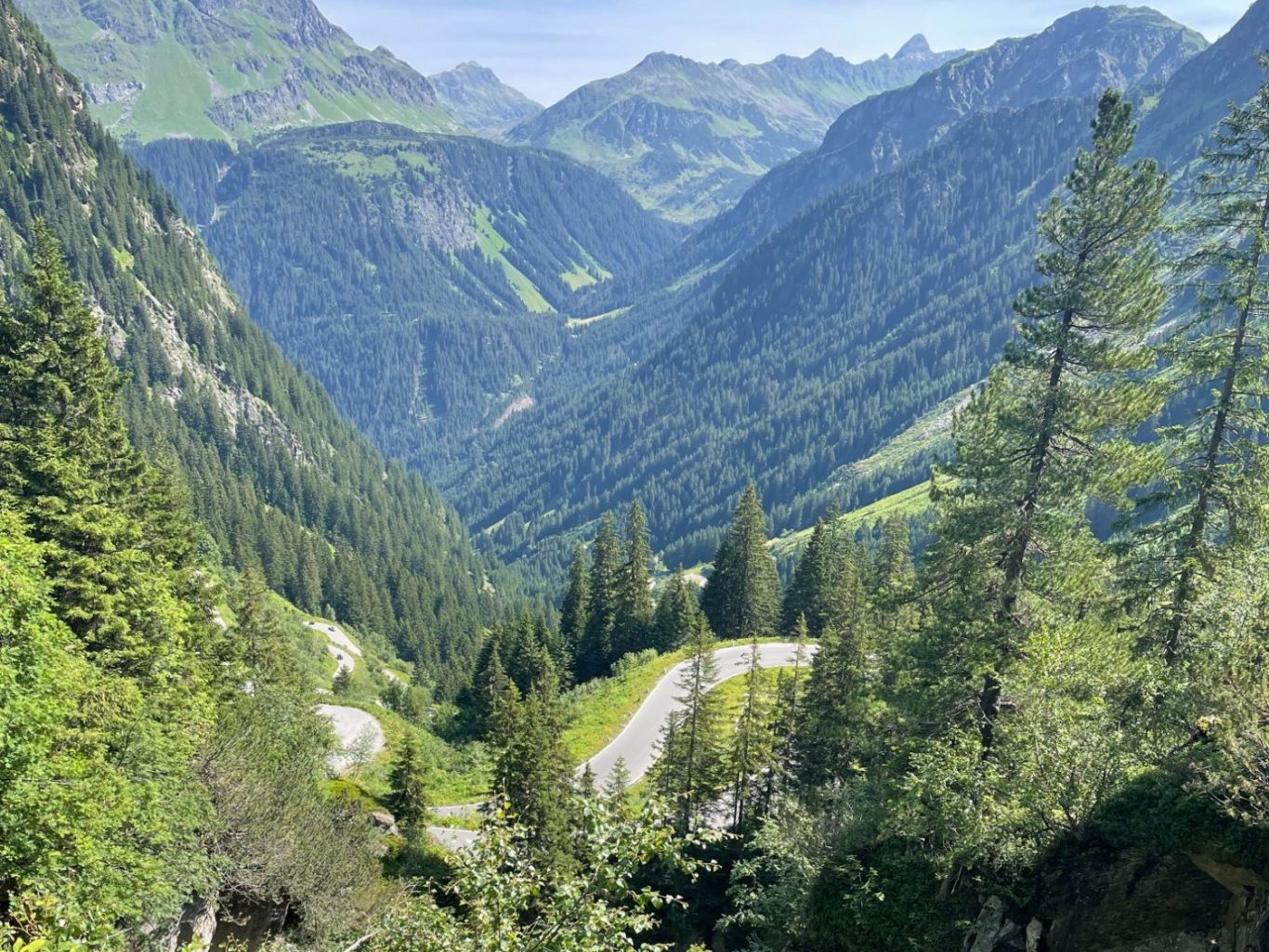
Austria is probably the most underrated cycling destination in the Alps.
Being located nearly entirely in the mountains, the mountain roads in Austria are central to the country. Many go back to roman times with the Reschenpass and the Brennerpass having been important thoroughfares contributing to the development of Europe. The Austrian roads are in many ways cultural connectors between northern and southern Europe.
They are busier as a result but cycleways and side roads open up the country like no where else in the Alps.
Austrian roads are in super condition, steep and traverse some of the most scenic parts of the Alps. Quite a few alpine passes like the Timmelsjoch connect into Italy giving them a wonderful mixed heritage. Some connect mountain villages dotted along the hillside, the Zillertaler Höhnstrasse is a prime example. Some are seriously high with the Kaunertaler Glacier road standing out. The crown jewel is the Grossglockner Hochaplenstrasse with the highest pass in Austria.
Riding your bike here is an absolute joy.
The home of road cycling and host to the Tour de France.
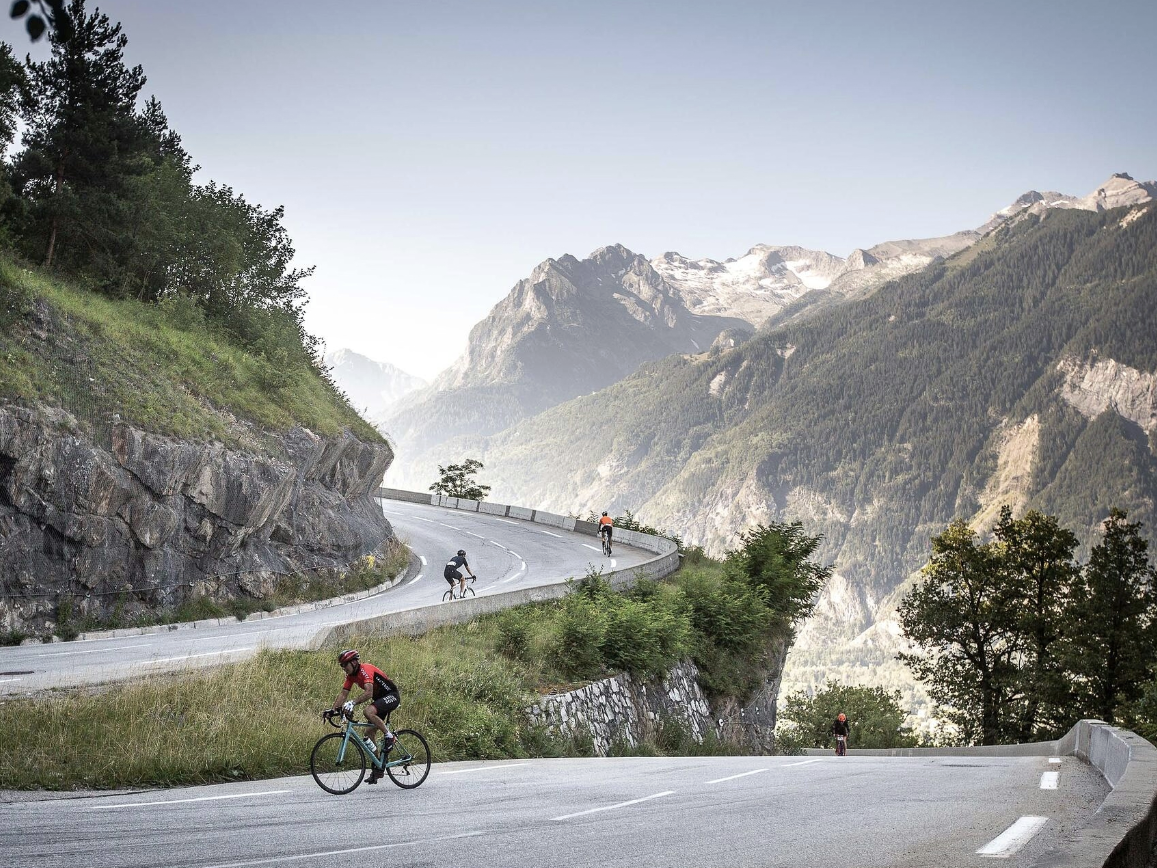
The Alps dominate climbing in France. The pass roads here are among the highest, most famous, most ridden, and most spectacular in the world. The climate changes dramatically from the northern to the southern Alps, resulting in very different landscapes and ecosystems. The Tour de France, the cradle of road cycling, draws thousands of riders to the French Alps every year. Because the French Alps were historically less important as trade routes than those in Switzerland or Austria, some passes feel almost forgotten and remarkably quiet.
However, France is not only about the Alps. The Pyrenees offer a wilder and more remote cycling experience, with the Col du Tourmalet standing out as the pass most frequently visited by the Tour de France.
Other, lesser-known regions include Alsace, the Massif Central, and the Jura. Alsace, in particular, is increasingly featured in the Tour de France, in both the men’s and women’s races.
Cycling in France combines magnificent mountains, unrivalled heritage, and excellent roads, making it one of the world’s great cycling destinations.
Switzerland
Switzerland offers superb road riding and spectacular climbing but is eclipsed by the famous climbs of France and the more rugged climbs of Italy. The scenery in Switzerland is unrivalled though with peaks of sometimes over 4000m towering over the pass roads. Here is my top four selection:
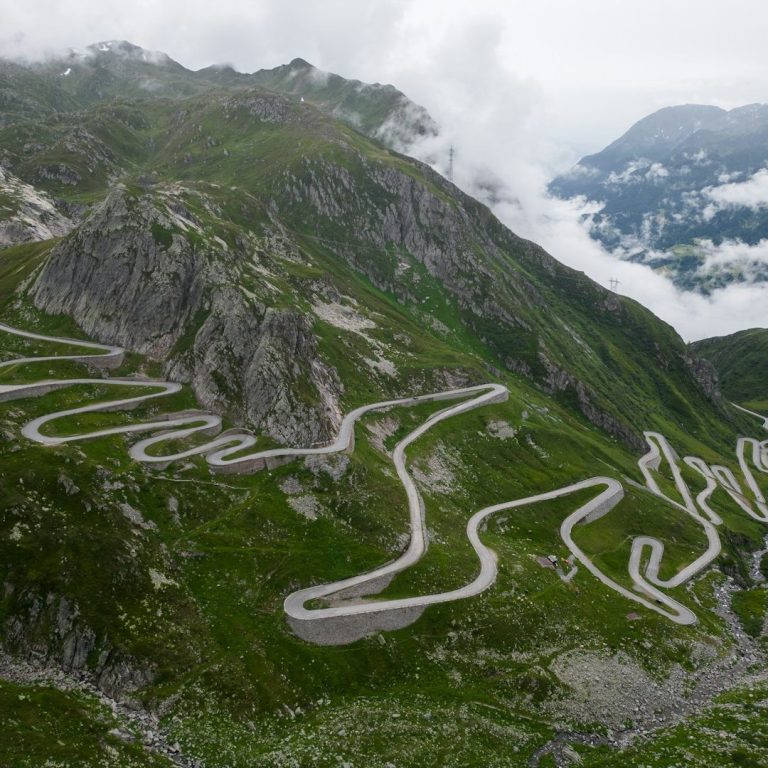
The pass via the old Tremola road is famous for its cobbles and spectacular switch backs.
From Airolo, the climb is 13.2km long and climbs 923m with an average gradient of 7%. This is a very unique road.
For a very long ride, the circular ride from Andermatt taking in the Furkapass, Nufenen and St Gotthard Pass is a 105km ride climbing 3,187m.
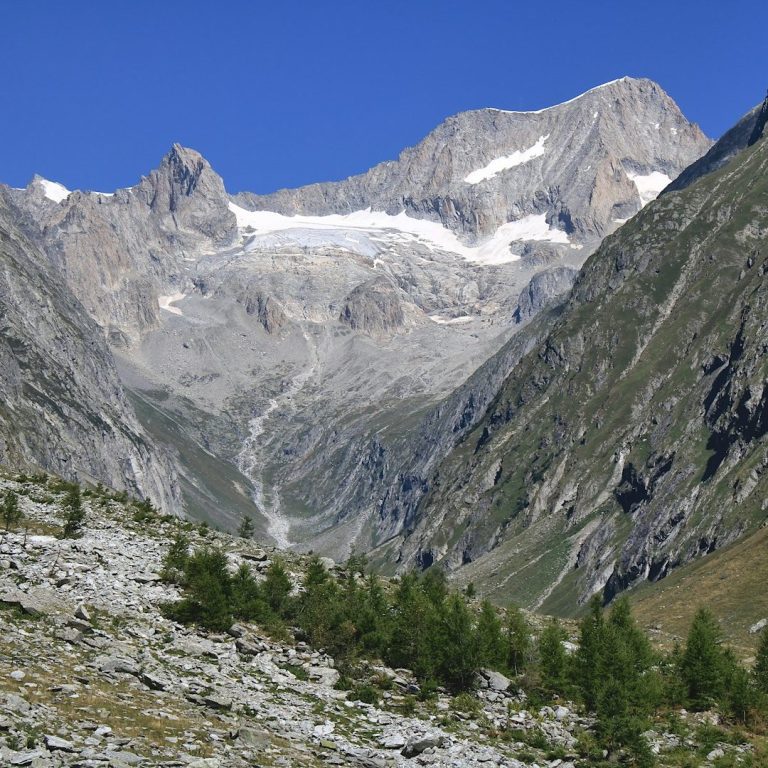
Tough, gorgeous and remote road to the Col du Sanetsch (2,247m) and then a further 4 km to the Lac de Sanetsch (2034m) - a reservoir lake - where the road ends.
From Sion the climb is 25.7km long and covers 1,818m altitude gain.
It is tough and irregular and in the SHC category.
This is remote, remote, remote.
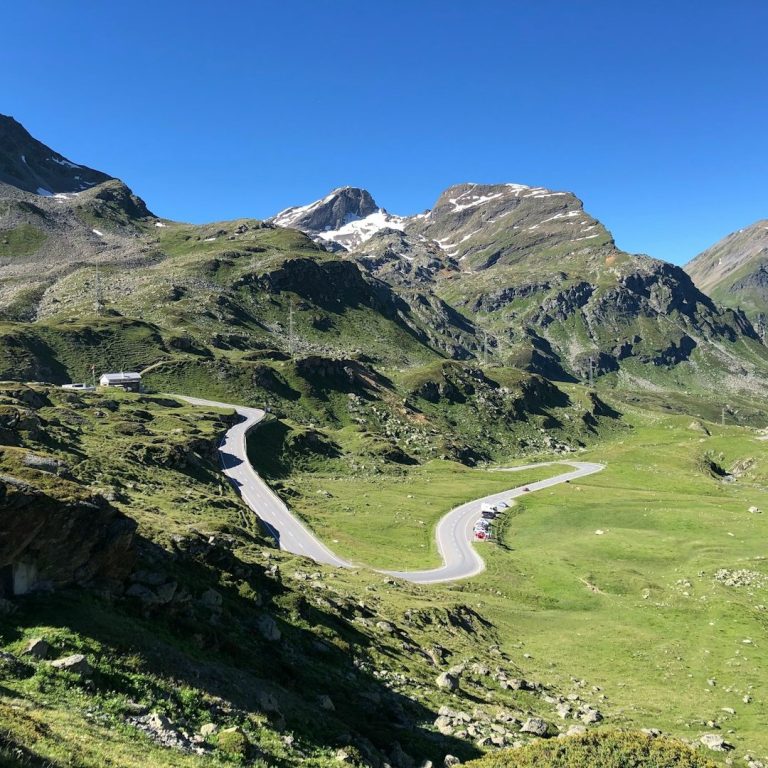
The Grosse Scheidegg is with 1,966m just under the 2,000m mark but opens up views on the Eiger, Scheidegg and other great mountains. The road is partly traffic free which makes it the highest cycle path I know of. Both sides of the climb are equally mesmerising. From Meringen the climb is 16.1km long and climbs 1,270m with an average gradient of 7.9%, the Grindelwald side is shorter but steeper.
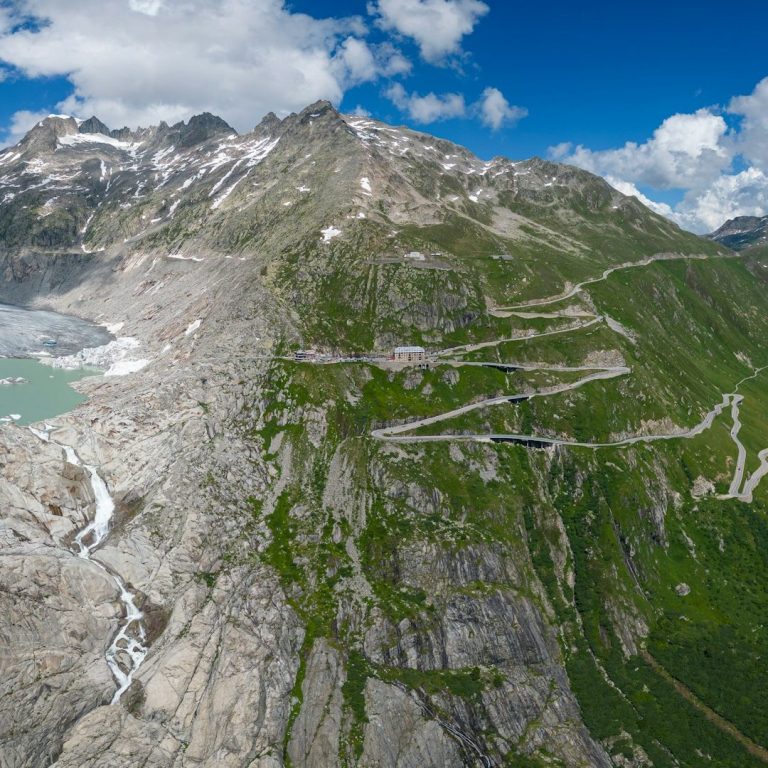
The Furka Pass reaches an elevation of 2,429 meters and connects Gletsch in Valais with Realp in Uri, and is known for its stunning views and as a filming location for the James Bond movie "Goldfinger".
From Realp it is 12.2km long and climbs 891m. For more elevation gain, you can also start further out from Andermatt.
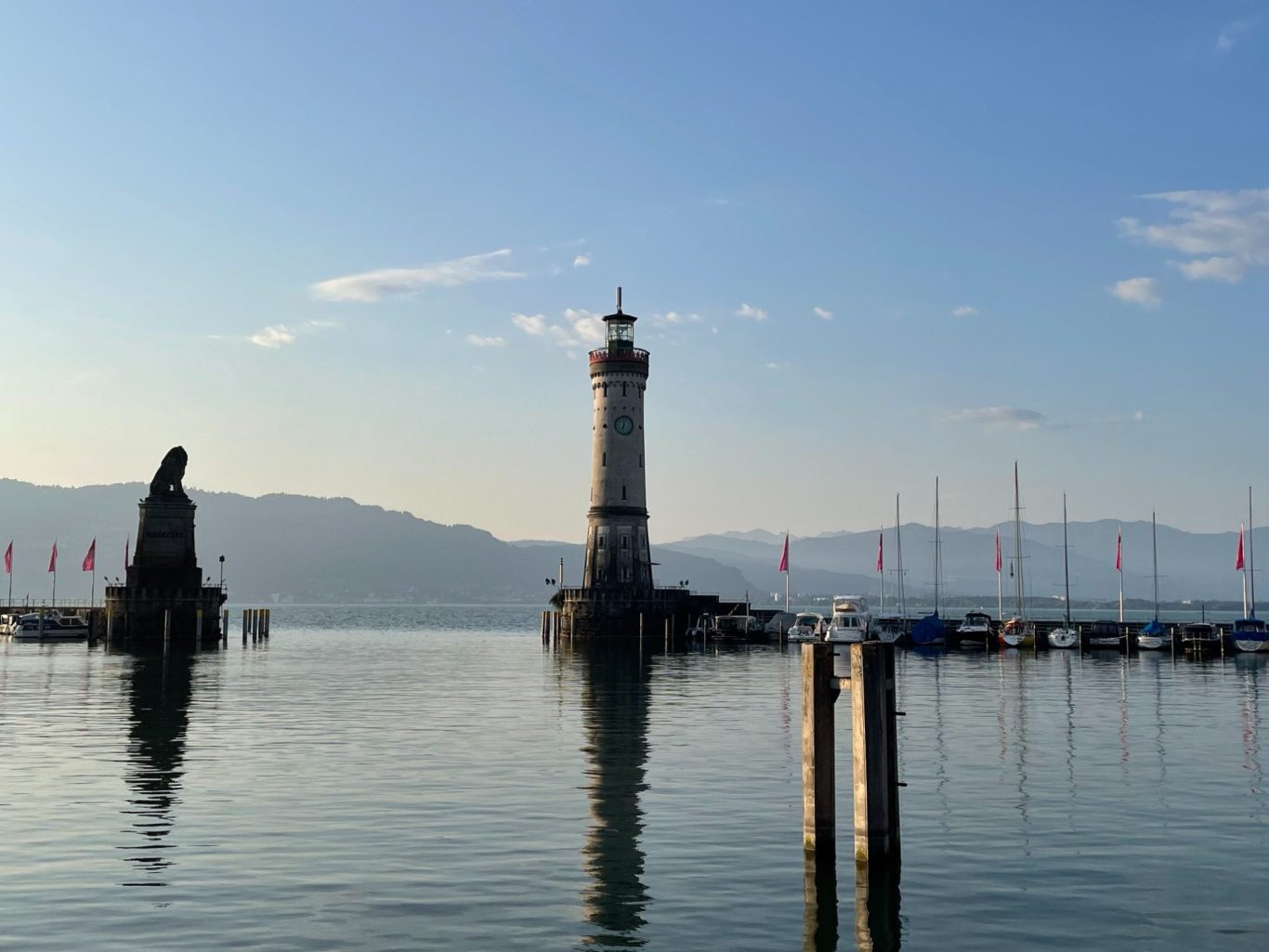
Riding in the mountains is concentrated in the south of Germany where the country buds up against the Alps.
Contrary to popular belief, Germany is not a predominantly mountainous country. Its Alpine areas are relatively narrow and run along the border with Austria, where many of the country’s best cycling routes are found. These regions combine gentle Alpine foothills with impressive mountain scenery and are ideally explored by crisscrossing between the two countries.
Beyond the Alps, Germany’s other major mountain region is the Black Forest, which also offers excellent riding and challenging climbs on high-quality roads. Elsewhere, much of the southern half of the country consists of medium-height mountains reaching up to around 1,000 m, while the north flattens out toward the coast.
Germany is a historic country at the heart of Europe, and exploring it by bike is a unique way to experience its varied landscapes, diverse nature, rich food culture, and deep history.
Adding to this, Germany boasts superb cycling infrastructure throughout the country, making it an especially rewarding destination for cycling and bike touring.
The UK has a vibrant cycling scene and has beautiful countryside, accessible on quaint country lanes.
The UK has some very nice areas for cycling. In South East England, Surrey and its hills offers great riding: angulated roads, short but steep climbs and quaint villages make riding in Surrey an absolute joy.
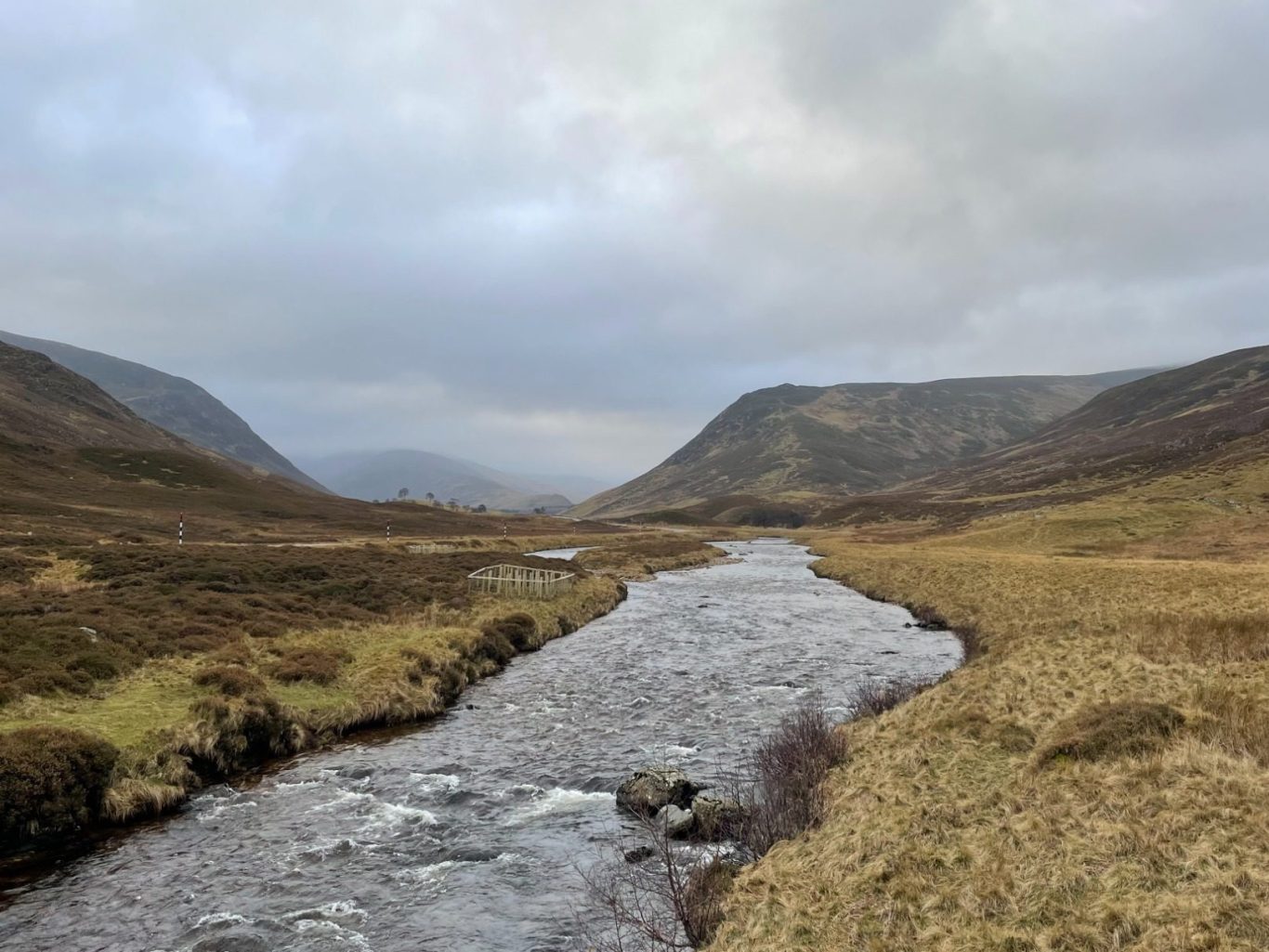
Other really great cycling areas can be found in the less populated parts of the UK. Devon and Cornwall offer rides on the coast and through the Dartmoor moors. The north of England can boast the Pennines, the Peak and Lake Districts plus riding in Yorkshire. Wales has proper mountainous terrain and quiet side roads. Scotland has stunning natural beauty and a northern wild and brooding remoteness. The Scottish west coast is particularly stunning with iconic rides on the Isle of Sky and the Applecross peninsula. For more gentles climates, there is always the Isle of Wight.
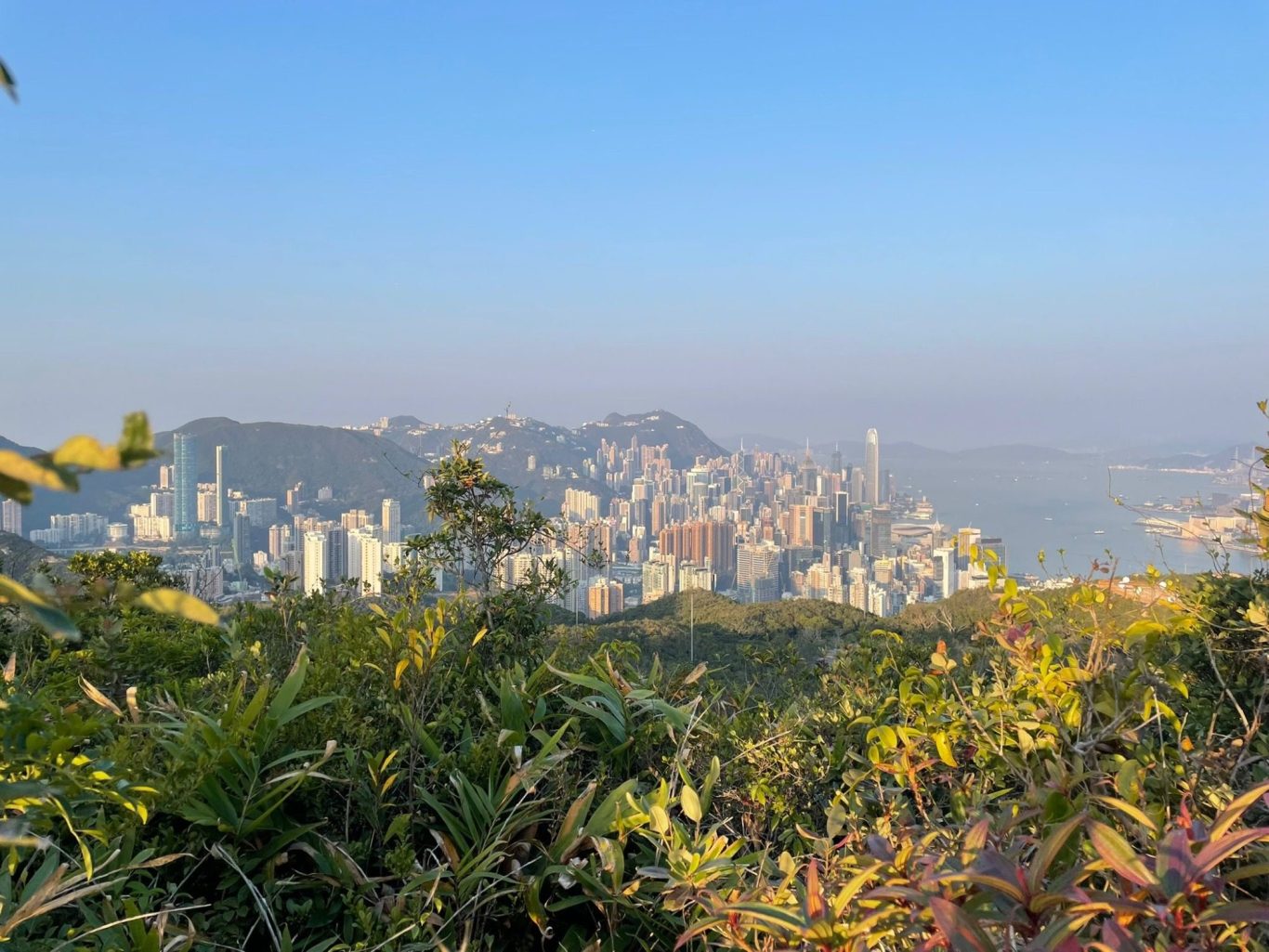
Asia has some outstanding area to climb and Hong Kong despite being a city state has so much quality climbing and landscapes to offer.
Hong Kong might not be on everyone’s list for a cycling holiday, and you wouldn’t be alone in thinking that. However, only a small part of Hong Kong is actually built up; much of it consists of country parks, extremely steep climbs, and long, dramatic shorelines. Given that it is a thriving metropolis, most cycling here is done early in the morning, often riding into the sunrise. Climbing Victoria Peak at dawn, with views over the coastline, is an experience that is hard to beat.
My favourite riding is on the island of Lantau, particularly on its southern side, which is limited to local traffic. The island offers superb climbs, traditional villages, and iconic sights such as the Tian Tan Buddha at Ngong Ping.
Beyond Hong Kong, Taiwan and Japan also offer fantastic cycling opportunities.
There are many impressive roads in the US and where Europe is intricate, America is brash. Massive open vistas replace narrow valleys and highways replace ancient pass roads. Plus the altitude is on a different scale with pass heights being in excess of 3,000m or even 4,000m.
This is such a vast place and has so many diverse areas to ride your bike: The Rocky Mountains with a focus on Colorado, Wyoming and Utah. The Sierra Nevada straddling California and Nevada including gems like Lake Tahoe and Yosemite National Park. The desert mountains of Nevada and Arizona.
Here is more food for thought, and these four are the ones highest on my list:
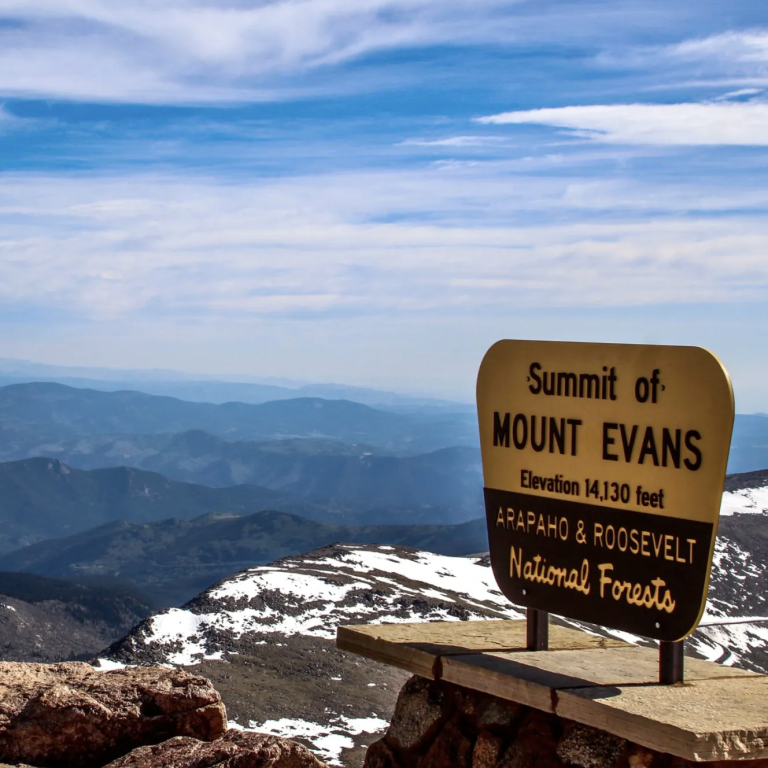
This is the highest paved road in North America which stands at a whopping 4,307m. The climb is a unique challenge against altitude, it is 43km long and climbs 2,116m. It starts at 2,294m, the average gradient is 4.7%, topping out at 10%. This is a great video from the Col Collective.
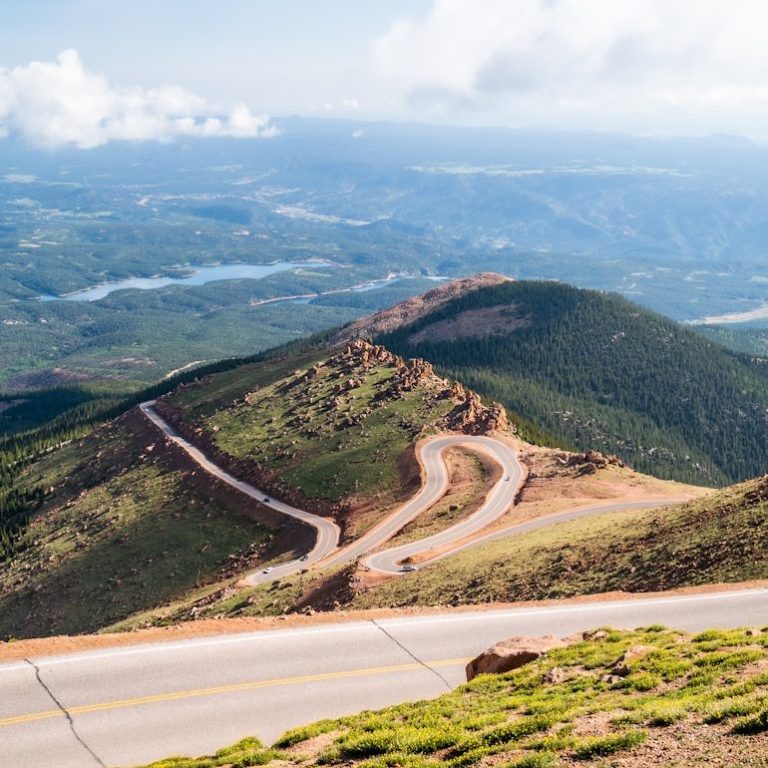
Another epic Colorado climb over 30.5km and climbing to an altitude of 4,302m. You gain 1,925m at an average gradient of 6.5%, topping out at 13%.
This ride is shorter than Mount Evans but a lot steeper. This is a great video from the Col Collective.
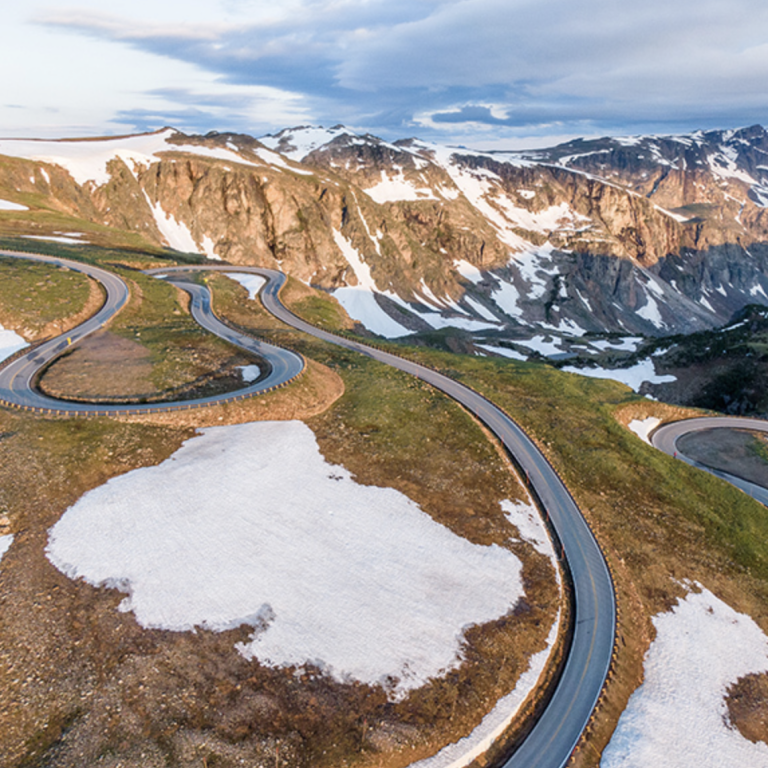
Located in Montana and Wyoming close to Yellowstone National Park, the Beartooth Pass sits at 3,338m elevation. The climb is 48.2km long and gains 1,763m. Average gradient of 4.5% of the climbing sections. This is a long climb at high altitude in beautiful surroundings.
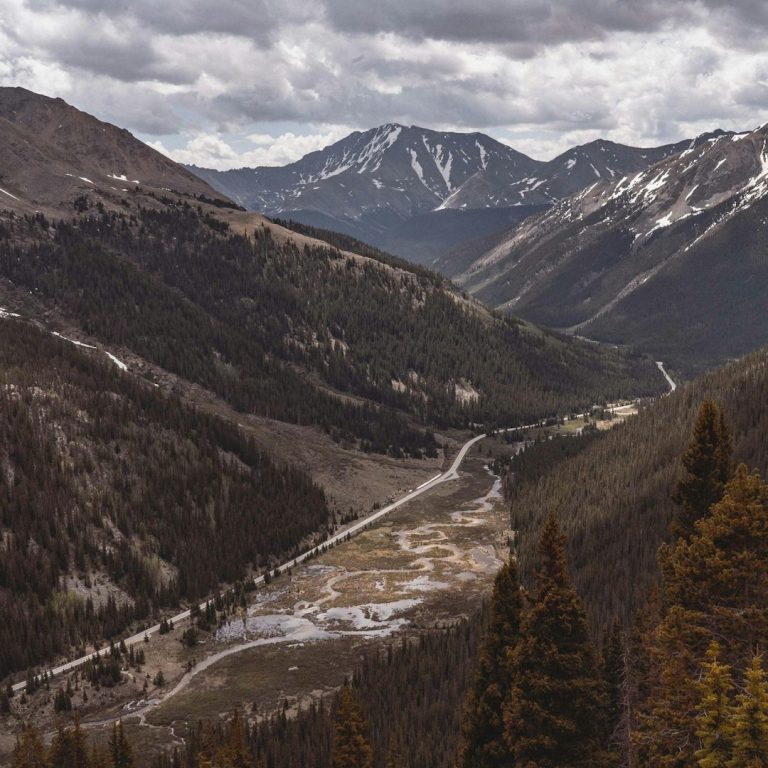
Starting form Aspen in Colorado, the road is 31km long and climbs 1,263m. Like any road in the Rocky's, the altitude is the killer as the pass high sits at 3,687m. The gradient is modest at 4.2%, climbing to 7.5%. It is the scenery that is awe inspiring. This is a great video from the Col Collective.
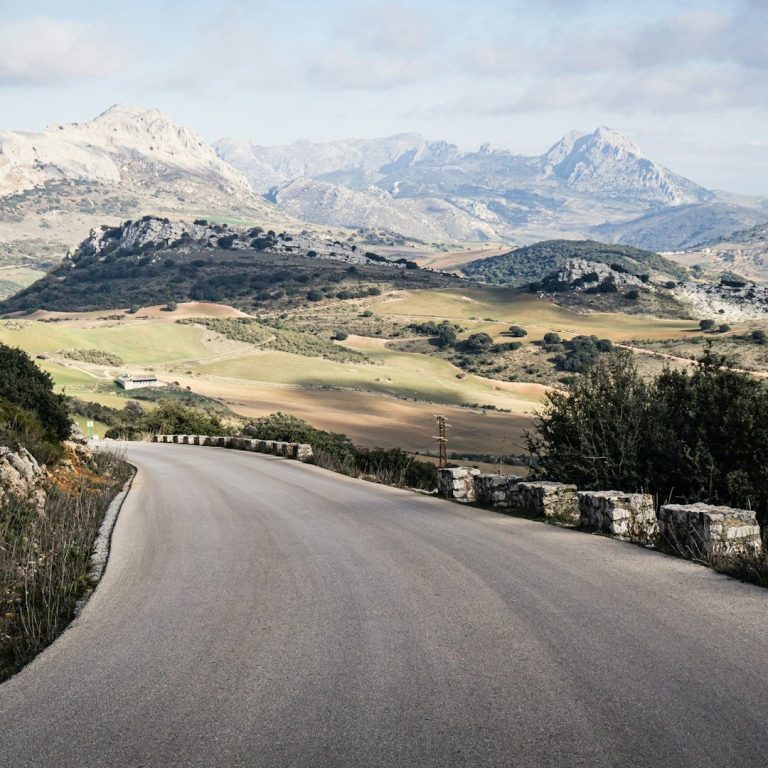
Spain has great cycling pedigree due to the Vuelta d'Espagna which created many iconic climbs and Pro team come to Spain for winter training, Girona is particularly popular. In addition, Spain has the highest climb in Europe, the Pico Veleta at 3,398m altitude.
The main areas to cycle uphill in Spain are the Sierra Nevada, Northern Spain (often visited in the Vuelta), Malloca and the Canary Islands.
Due to the distance between those areas, each are is totally unique.
These top 10 might be interesting.
Norway
High in the North!
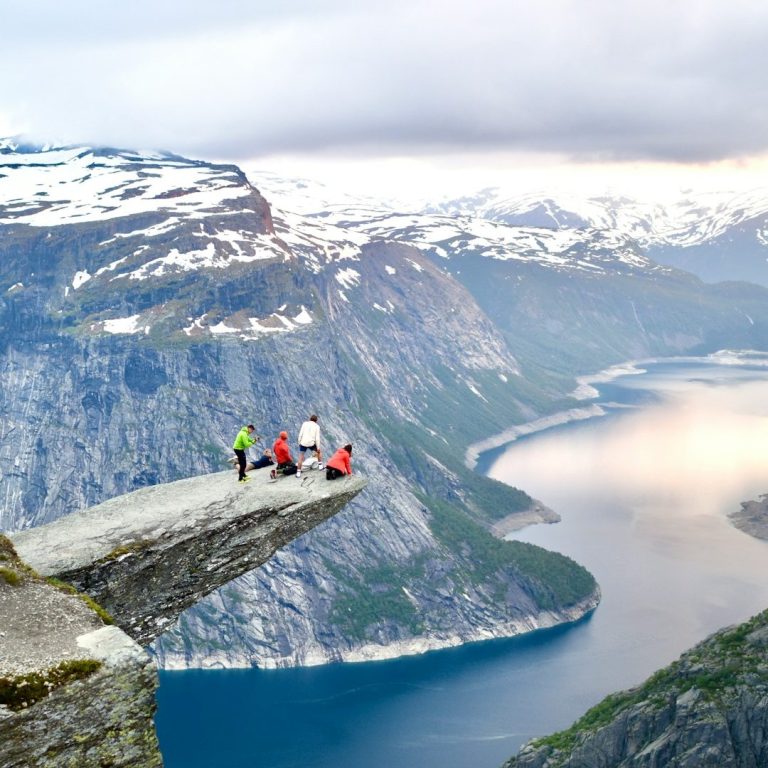
Home to epic climbs like the Trollstigen and Dalsnibba Norway is very unique. Mountains rising from the Fjords virtually from sea level offer a unique riding experience. Here are some more riding suggestions.
In addition, Norway has a mad cycling race, the Styrkeproven from Trondheim to Oslo covering 540/560km with an elevation gain of around 3,500m (depending on the route) to be ridden with 24hours.
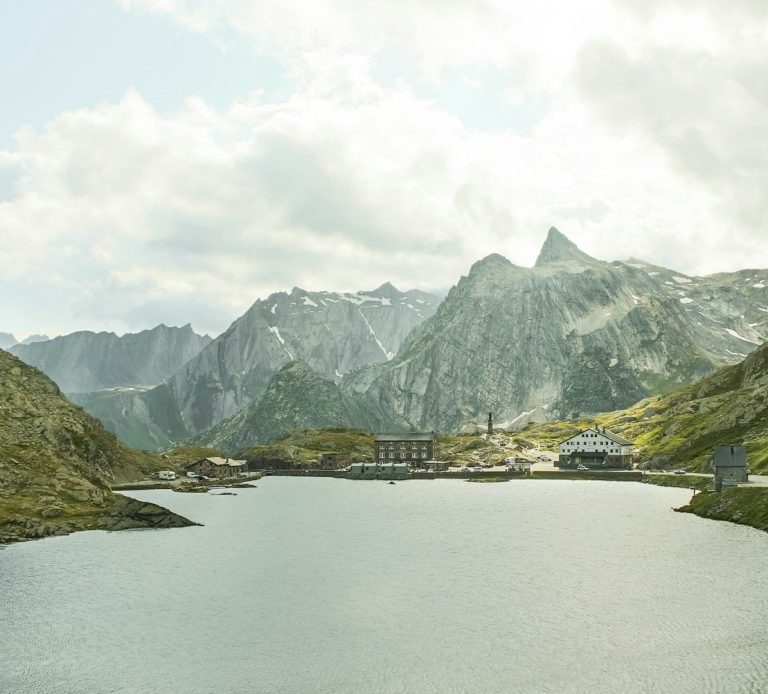
From prehistoric trails to modern tunnels, the mountain passes of the Alps have shaped the continent’s history. They are more than mere routes through rock and snow; they are memories in stone, witnesses to migration, conflict, commerce, and curiosity. As both gateways and guardians, the passes of the Alps endure — linking past and present, challenging and inspiring all who traverse them.